
Introduction: Why Attapulgite Filler Matters for Wall Panel Materials
Attapulgite, a hydrated magnesium aluminum silicate clay mineral, has become an indispensable functional filler in the production of wall panel materials. Its unique needle-like crystal structure, high surface area, and excellent thixotropic properties make it ideal for improving the mechanical strength, thermal insulation, fire resistance, and dimensional stability of wall panels. Whether you are producing fiber cement boards, gypsum wall panels, or lightweight composite panels, the performance of your final product depends heavily on the quality and fineness of the attapulgite filler.
However, processing attapulgite into a suitable filler is not a simple task. The mineral’s fibrous morphology, moderate hardness (Mohs 2–3), and sensitivity to over-grinding require specialized equipment that can achieve precise particle size distribution while preserving the structural integrity of the attapulgite crystals. This buyer’s guide will walk you through the key considerations for selecting the right grinding equipment, and we will highlight two of our most recommended solutions for this application.
Key Requirements for Attapulgite Filler Processing
Before diving into equipment selection, it is important to understand the target specifications for attapulgite filler used in wall panel materials. Typically, the required fineness ranges from 200 to 1250 mesh (approximately 74 to 10 microns), depending on the specific panel formulation and desired performance. For high-performance wall panels, ultrafine grades (1250–2500 mesh) are often preferred to maximize the reinforcing effect and surface smoothness.
Other critical requirements include:
- Particle size distribution: Narrow PSD with minimal coarse particles to avoid surface defects.
- Structural preservation: Avoid excessive heat generation or mechanical damage that could collapse the attapulgite’s needle-like structure.
- High capacity: Wall panel production lines often require continuous, high-volume filler supply.
- Energy efficiency: Given rising energy costs, mills with low power consumption per ton are essential.
- Dust control: Attapulgite dust can be hazardous; equipment must include efficient dust collection.
Grinding Mill Options for Attapulgite Processing
Several types of grinding mills can be used for attapulgite, but not all are equally effective. Let us compare the most common options and then introduce our recommended solutions.
1. Raymond Mill / Pendulum Mill
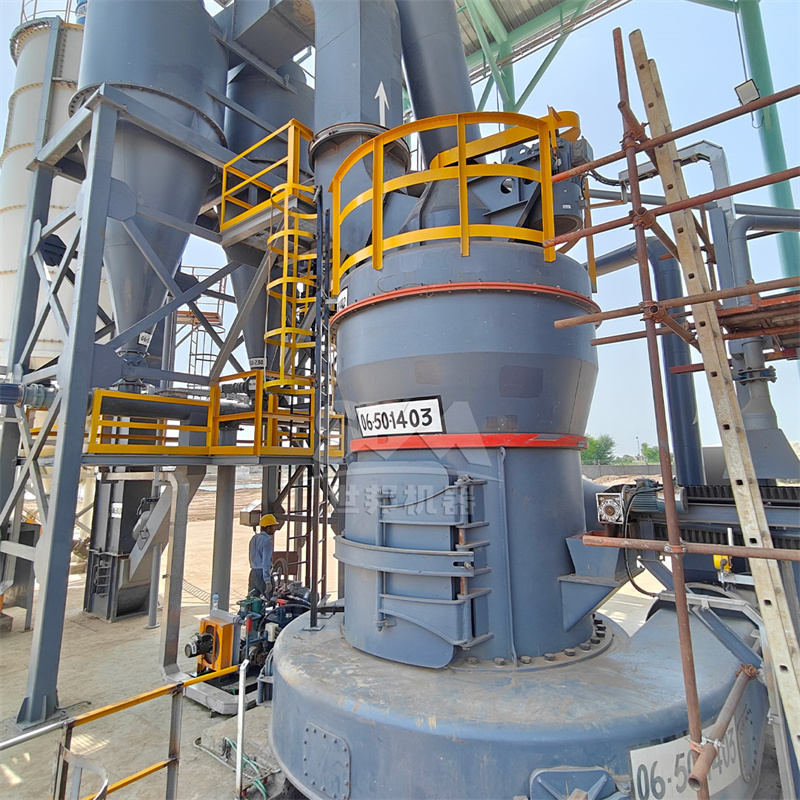
Traditional pendulum mills (like our MTM or MRN series) can handle attapulgite with capacities up to 45 t/h and fineness up to 325 mesh. They are robust and relatively low-cost, but for ultrafine grades (below 400 mesh), their efficiency drops significantly. They also struggle to prevent over-grinding of the fibrous structure.
2. Ball Mill
Ball mills can grind attapulgite to very fine sizes, but they are energy-intensive, noisy, and have a large footprint. They are better suited for coarse grinding or when the material is extremely hard. For attapulgite, ball mills risk damaging the crystal structure due to impact forces.
3. Jet Mill
Jet mills can produce ultra-fine powders (up to 2500 mesh) with minimal contamination, but their capacity is low (typically less than 2 t/h) and energy consumption is very high. They are not economical for large-scale wall panel production.
4. Ultrafine Roller Mills (SCM Series) – Our Top Recommendation
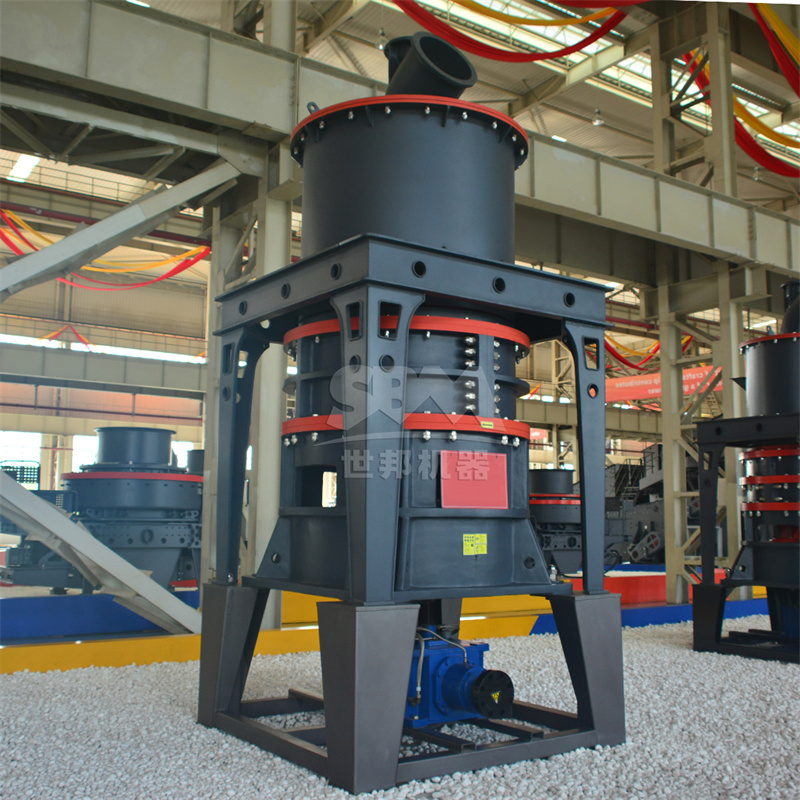
For attapulgite filler in wall panel materials, we strongly recommend the SCM Series Ultrafine Mill. This mill is specifically designed for soft to medium-hard minerals and achieves fineness from 325 to 2500 mesh with capacities from 0.5 to 25 t/h. Its vertical turbine classifier ensures precise particle size cutting, eliminating coarse powder contamination. The special material rollers and rings extend service life, while the intelligent control system with automatic granularity feedback ensures consistent product quality. Compared to jet mills, the SCM Series offers twice the capacity with 30% lower energy consumption.
For a typical wall panel filler line requiring 5–10 t/h at 800–1250 mesh, the SCM1000 or SCM1250 models are ideal. They provide reliable, eco-friendly operation with pulse dust collection and soundproof design.
5. LUM Ultrafine Vertical Roller Mill – Alternative for Ultra-Fine Grades
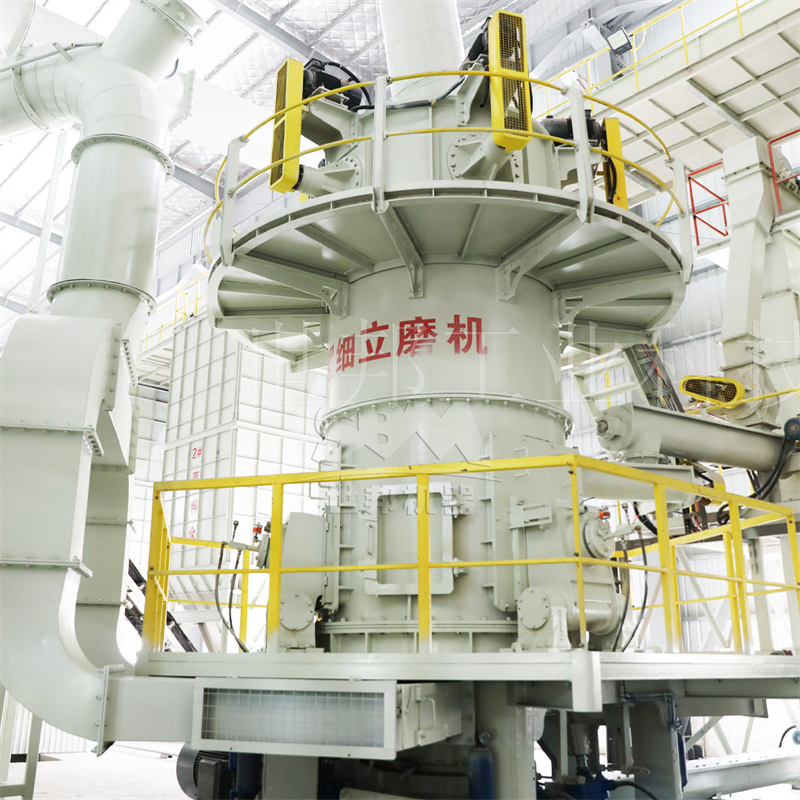
If your wall panel formulation demands extremely fine attapulgite (e.g., 2000–2500 mesh) and you need a compact, automated system, the LUM Ultrafine Vertical Roller Mill is an excellent choice. Its unique roller and liner curves improve grinding efficiency, and the multi-rotor classifier ensures no coarse particles. The LUM series operates under negative pressure with no dust leakage, making it environmentally friendly. Models like LUM1525 and LUM1632 offer capacities of 1.6–13.5 t/h, suitable for medium-scale production. However, for higher capacities (up to 25 t/h) and slightly coarser fineness (down to 325 mesh), the SCM Series remains more versatile.
How to Choose the Right Mill for Your Attapulgite Filler Production
When selecting equipment, consider the following factors:
- Target fineness and capacity: Match the mill’s specifications to your production requirements. If you need 1250 mesh at 10 t/h, the SCM1250 is a perfect fit.
- Energy consumption: Ultrafine roller mills like the SCM Series consume 30% less energy than jet mills, reducing operating costs.
- Maintenance and wear parts: Equipment with long-lasting rollers and rings (e.g., special material alloys) will minimize downtime.
- Dust and noise regulations: Ensure the mill meets local environmental standards. Pulse dust collectors and soundproof enclosures are essential.
- Automation level: Intelligent control with feedback systems reduces labor and ensures consistent quality.
Recommended Products from Our Portfolio
Based on our extensive experience in mineral processing, we recommend the following two products for attapulgite filler production for wall panel materials:
SCM Series Ultrafine Mill – Best Overall Solution
The SCM Series is our flagship ultrafine mill, capable of grinding attapulgite to 325–2500 mesh with capacities up to 25 t/h. Its high-efficiency grinding rings and rollers are made of special wear-resistant materials, and the shaftless screw grinding chamber ensures stable operation. The intelligent control system automatically adjusts the classifier speed to maintain the desired particle size, ensuring uniform finished products. With over 2x the capacity of jet mills and 30% lower energy consumption, the SCM Series delivers exceptional return on investment.
Key models for attapulgite:
- SCM800: 0.5–4.5 t/h (ideal for pilot or small-scale production)
- SCM1000: 1.0–8.5 t/h (most popular for medium-scale wall panel lines)
- SCM1250: 2.5–14 t/h (for large-scale production)
- SCM1680: 5.0–25 t/h (for very high-capacity plants)
LUM Ultrafine Vertical Roller Mill – For Ultra-Fine, High-Value Applications
The LUM series is a specialized vertical roller mill designed for ultrafine grinding. It features a unique roller/liner design that efficiently grinds attapulgite to 325–2500 mesh while preserving the fiber structure. The multi-rotor classifier guarantees no coarse particles, and the PLC automation ensures stable operation with minimal manual intervention. The LUM mill operates under negative pressure, preventing dust leakage, and its compact footprint saves valuable floor space.
Recommended models:
- LUM1525: 1.6–11.5 t/h (fineness 5–30 μm)
- LUM1632: 2–13.5 t/h (fineness 5–30 μm)
Both the SCM and LUM series are backed by our patented technology, including internal suction oil lubrication systems and internationally advanced pulse dust removal. They are designed to meet the rigorous demands of continuous wall panel production.
Installation and Operational Tips
To maximize the performance of your attapulgite grinding mill, follow these best practices:
- Pre-drying: Attapulgite often contains moisture (up to 10–15%). Pre-drying to below 2% moisture improves grinding efficiency and prevents clogging.
- Feed control: Use a constant-weight feeder to ensure a steady feed rate. Variations can cause particle size fluctuations.
- Classifier adjustment: For the SCM Series, the vertical turbine classifier can be adjusted via the intelligent control panel. For the LUM series, the multi-rotor speed can be tuned.
- Regular maintenance: Check roller and ring wear every 500 hours. Replace when wear exceeds 3 mm to maintain capacity and fineness.
- Dust collector maintenance: Clean pulse filters regularly to maintain negative pressure and dust collection efficiency.
Conclusion: Invest in the Right Equipment for Quality Attapulgite Filler
The success of your wall panel production depends on the quality of your attapulgite filler. Choosing the right grinding equipment is crucial for achieving the desired fineness, capacity, and energy efficiency. Our SCM Series Ultrafine Mill and LUM Ultrafine Vertical Roller Mill are both excellent choices for this application, offering high precision, durability, and eco-friendly operation.
For most wall panel manufacturers, the SCM Series provides the best balance of capacity, fineness, and cost. For ultra-fine, high-value applications, the LUM Series is a worthy investment. We invite you to contact our technical team to discuss your specific requirements and receive a customized solution. With our advanced grinding technology, you can produce superior attapulgite filler that enhances the performance and competitiveness of your wall panel products.
Remember: the right mill not only improves product quality but also reduces operating costs and environmental impact. Choose wisely, and your wall panel business will reap the rewards for years to come.