
Introduction
Adhesive limestone filler, also known as calcium carbonate filler, is a critical raw material in adhesives, sealants, plastics, paints, and rubber industries. Its performance—whiteness, particle size distribution, oil absorption, and chemical purity—directly affects the final product’s mechanical strength, rheology, and cost. To produce high-quality adhesive limestone filler, selecting the correct grinding mill is the single most important decision in your production line design. This article provides a comprehensive guide to choosing the right grinding equipment, with direct reference to our company’s proven product portfolio.
Key Properties of Adhesive Limestone Filler
Before selecting a mill, you must define your target product specifications. Adhesive fillers typically require:
- Fineness: 325 mesh to 2500 mesh (45 μm to 5 μm)
- Particle size distribution: Narrow, with minimal coarse particles
- Whiteness: >90% for premium grades
- Oil absorption: Controlled to avoid excessive binder demand
- Moisture: <0.5% after grinding
These requirements dictate the choice between ultrafine mills, vertical roller mills, trapezium mills, or ball mills.
Types of Grinding Mills for Limestone Filler
1. Ultrafine Mills (for 325–2500 mesh)
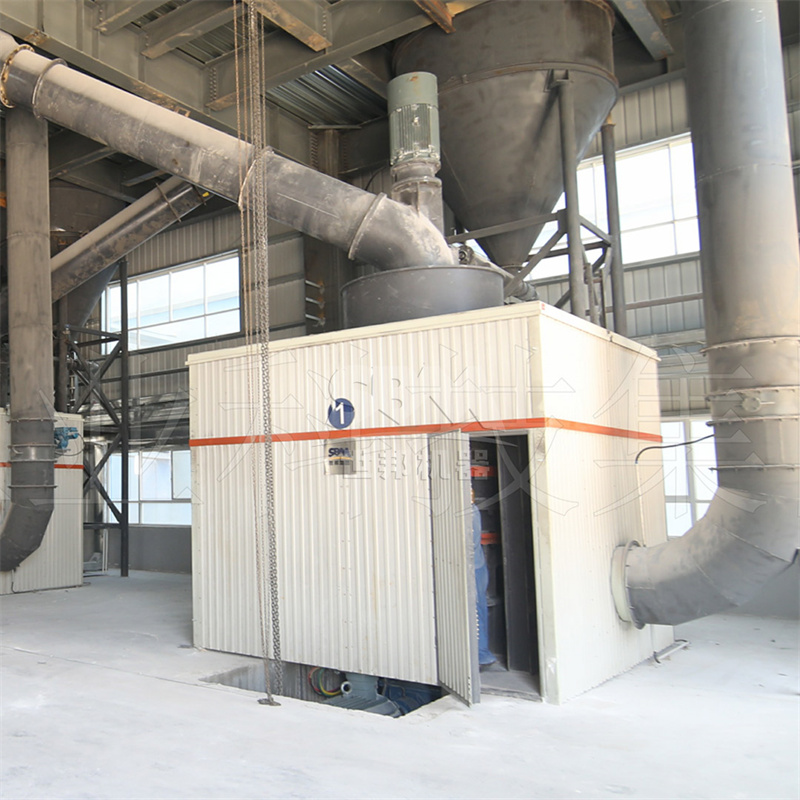
When your adhesive formulation demands D97 ≤ 10 μm or even D50 ≤ 2 μm, an ultrafine mill is essential. The SCM Series Ultrafine Mill is our flagship product for this segment. It achieves 325–2500 mesh with a capacity of 0.5–25 t/h. Its vertical turbine classifier ensures precise particle size cutting with no coarse powder mixing. Compared to jet mills, it offers double the capacity and 30% lower energy consumption. The SCM800 model (75 kW, 0.5–4.5 t/h) is ideal for small-to-medium lines, while the SCM1680 (315 kW, 5–25 t/h) serves large-scale operations.
2. Vertical Roller Mills (for 30–325 mesh, high capacity)
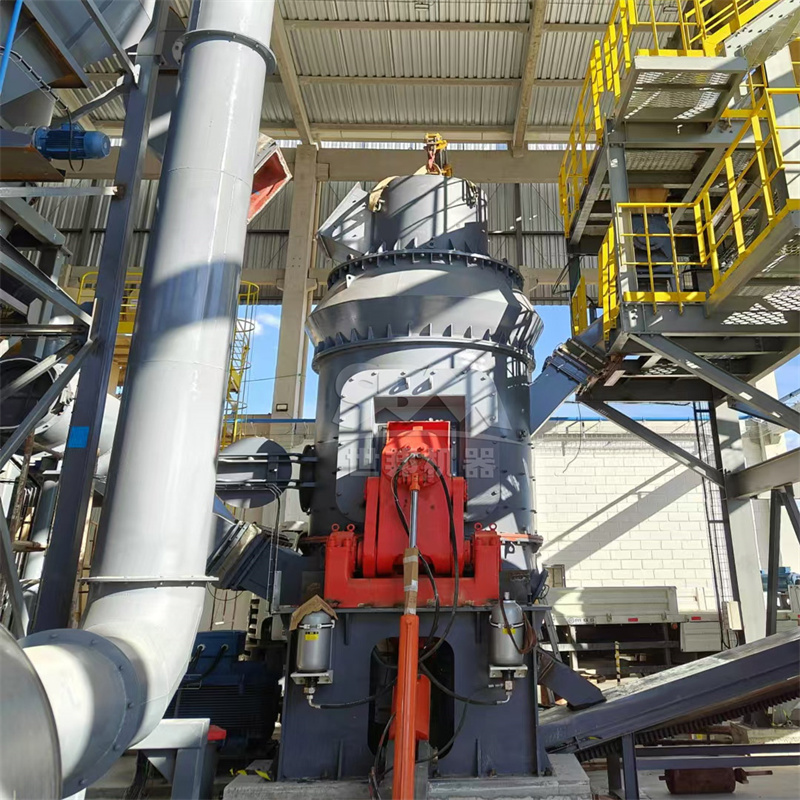
For high-volume production of fillers from 170 mesh to 325 mesh, the LM Series Vertical Roller Mill is the most cost-effective solution. It integrates crushing, grinding, and classification, reducing floor space by 50% and enabling outdoor installation. Energy consumption is 30–40% lower than ball mill systems. The LM130K (200 kW, 10–28 t/h) and LM220K (800 kW, 36–105 t/h) are popular choices for adhesive filler lines requiring consistent fineness between 40–170 μm. For finer grades up to 600 mesh, the LM130X-GX to LM220X-GX fine-powder series is recommended.
3. Trapezium Mills (for 30–325 mesh, flexible adjustment)
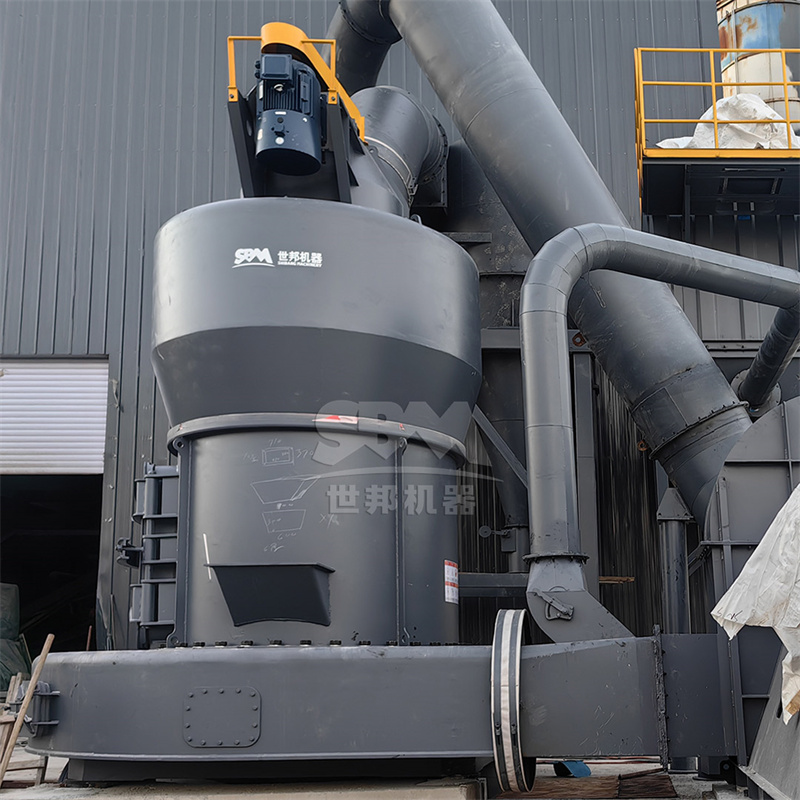
The MTW Series European Trapezium Mill offers an excellent balance between capacity and fineness control. With output from 30 to 325 mesh and capacity up to 45 t/h, it suits medium-to-large filler plants. Its integral bevel gear drive achieves 98% transmission efficiency, and the wear-resistant volute structure reduces maintenance costs by 30%. The MTW175G (160 kW, 9.5–25 t/h) and MTW215G (280 kW, 15–45 t/h) are particularly effective for processing limestone with moisture content below 6%.
4. Ball Mills (for coarse fillers, 0.074–0.8 mm)
If your adhesive application requires only coarse filler (below 200 mesh) or you need a combined grinding and blending operation, the Ball Mill remains a reliable choice. Our GMQG series offers capacities from 0.65 to 450 t/h. However, for ultrafine adhesive fillers, ball mills are energy-intensive and less precise. They are best reserved for pre-grinding or for low-grade filler production.
Selection Criteria: Matching Mill to Production Line
a) Target Fineness (Most Critical)
- > 800 mesh (18 μm): Use SCM ultrafine mill or LUM ultrafine vertical mill.
- 325–800 mesh: SCM or LM fine-powder series.
- 80–325 mesh: MTW trapezium mill or LM vertical mill.
- < 80 mesh: Ball mill or hammer mill for pre-crushing.
b) Capacity Requirements
- 0.5–5 t/h: SCM800, MTM100, or LM130K.
- 5–20 t/h: SCM1250, MTW138Z, or LM150K.
- 20–50 t/h: SCM1680, MTW215G, or LM220K.
- > 50 t/h: LM280K or large ball mills.
c) Energy Efficiency and Operating Cost
Vertical roller mills and ultrafine mills consume 30–40% less energy per ton than ball mills. The SCM series further reduces energy by 30% compared to jet mills. If electricity is a major cost factor, prioritize LM or SCM series.
d) Product Purity and Contamination
Adhesive fillers must be free of iron contamination. The SCM series uses special material rollers and rings to minimize wear. The LM series features a non-contact design between rollers and table, extending wear part life by 3x. Both are superior to ball mills, where steel ball wear can introduce iron.
e) Automation and Maintenance
The SCM series offers intelligent control with automatic finished product granularity feedback. The LM series provides expert-level auto-control with remote/local switching. The MTW series includes internal suction oil lubrication. For plants with limited skilled labor, choose mills with high automation and easy maintenance.
Recommended Products for Adhesive Limestone Filler
Primary Recommendation: SCM Series Ultrafine Mill
For adhesive fillers requiring 800–2500 mesh, the SCM series is unmatched. It delivers precise particle size, high capacity, and low energy consumption. The SCM1000 (132 kW, 1.0–8.5 t/h) is ideal for most medium-scale adhesive filler lines. Its pulse dust collection exceeds international standards, and the soundproof room keeps noise below 75 dB.
Secondary Recommendation: LM Series Vertical Roller Mill
For large-scale production of 200–325 mesh filler, the LM series offers the lowest operating cost per ton. The LM170K (400 kW, 18–48 t/h) can supply multiple adhesive production lines simultaneously. Its integrated design reduces infrastructure costs by 40%.
Conclusion
Choosing the right grinding mill for adhesive limestone filler requires careful analysis of fineness, capacity, energy, and maintenance. The SCM ultrafine mill excels for fine and ultrafine grades, while the LM vertical roller mill dominates for high-capacity, medium-fine production. By matching your specifications to our proven equipment, you can achieve optimal product quality and profitability. Contact our engineers for a customized solution tailored to your adhesive filler production line.