
Introduction to Sepiolite and Its Industrial Significance
Sepiolite is a naturally occurring hydrated magnesium silicate clay mineral with a unique fibrous structure. Its exceptional properties—including high surface area, excellent adsorption capacity, thermal stability, and thixotropic behavior—make it indispensable in a wide range of industries. From pet litter and oil absorbents to drilling muds, cosmetics, pharmaceuticals, and advanced composite materials, sepiolite has become a critical industrial mineral. As global demand for high-purity, finely ground sepiolite continues to rise, the need for efficient, reliable, and environmentally responsible processing equipment has never been greater.
This comprehensive guide explores the complete sepiolite processing chain—from mining and primary crushing to fine grinding, classification, and purification. We will examine the key equipment used at each stage and highlight how modern engineering solutions can maximize yield, product quality, and operational efficiency.
Mining and Primary Crushing of Sepiolite
Sepiolite deposits are typically extracted through open-pit mining due to their relatively shallow occurrence. The raw ore is blasted or ripped from the ground and then loaded onto haul trucks for transport to the processing plant. The first stage of processing involves primary crushing, where large lumps of sepiolite (often up to 1 meter in diameter) are reduced to a manageable size for subsequent grinding.
For primary crushing, jaw crushers or hammer mills are commonly employed. Hammer mills, such as the PC4008-75, PC4012-90, or PC4015-132, are particularly effective for sepiolite because of their high crushing ratio and ability to handle moderately hard and brittle materials. These mills reduce feed material from 0–40 mm down to 0–3 mm, preparing it for fine grinding. The high manganese steel liners ensure long wear life even when processing abrasive clay minerals.
Drying and Purification Considerations
Sepiolite often contains moisture and associated impurities such as calcite, dolomite, quartz, and organic matter. Depending on the end-use application, purification may be required. Common purification methods include wet screening, hydrocycloning, magnetic separation, and acid treatment. However, for many industrial applications, simple dry processing with efficient dust collection and classification is sufficient.
Drying is often necessary before fine grinding, especially if the raw material has a moisture content above 10–15%. Rotary dryers or flash dryers are typically used. Proper drying prevents agglomeration during grinding and ensures consistent particle size distribution.
Fine Grinding and Classification: The Heart of Sepiolite Processing
The most critical stage in sepiolite processing is fine grinding, where the material is reduced to the desired fineness—typically between 45 μm and 5 μm (325 to 2500 mesh)—while preserving its fibrous structure. Over-grinding can destroy the aspect ratio and adsorption capacity of sepiolite, so selecting the right mill is essential.
SCM Series Ultrafine Mill for High-Precision Sepiolite Grinding
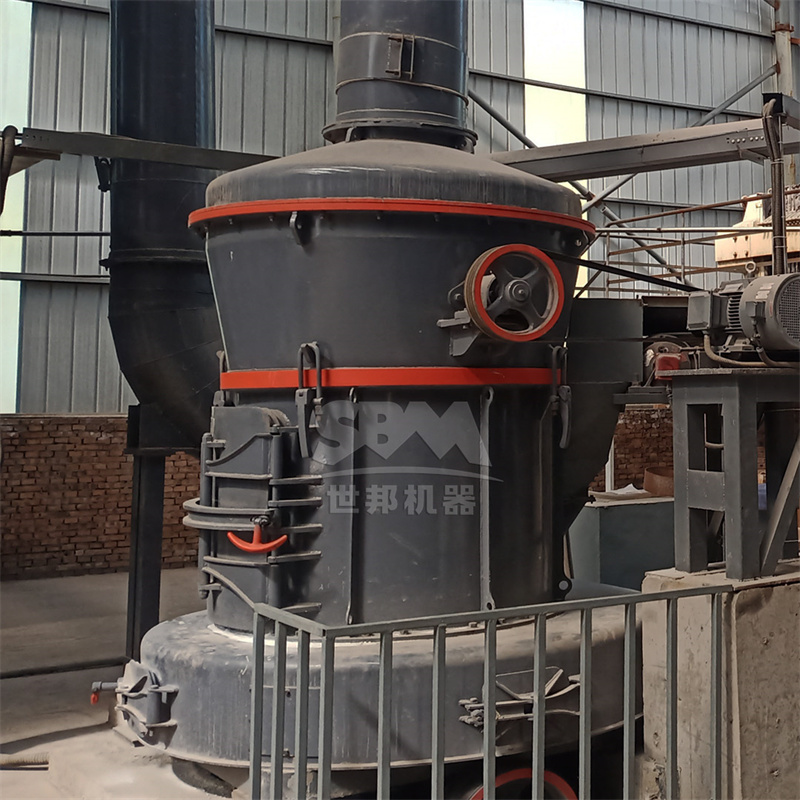
For manufacturers targeting ultra-fine sepiolite powders (down to 5 μm), the SCM Series Ultrafine Mill is an ideal solution. This mill combines high efficiency with precise classification. Its vertical turbine classifier ensures sharp particle size cutting without coarse powder mixing, resulting in a uniform finished product. The SCM mill is available in models from SCM800 (0.5–4.5 t/h) to SCM1680 (5–25 t/h), with fineness adjustable from 325 to 2500 mesh. Energy consumption is 30% lower than jet mills, and the intelligent control system provides automatic feedback on product granularity. The durable grinding rollers and rings, along with the shaftless screw grinding chamber, ensure stable operation and long service life. For sepiolite processors requiring both ultra-fine grinding and high capacity, the SCM series is a proven choice.
MTW Series European Trapezium Mill for Versatile Grinding
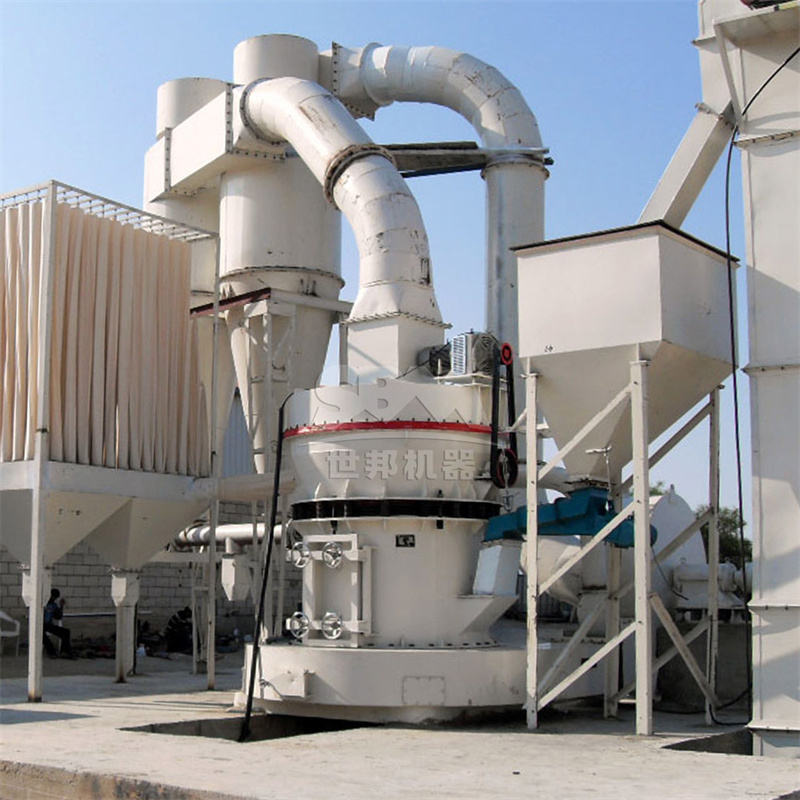
For applications requiring fineness between 30 and 325 mesh (down to 0.038 mm) with higher capacity, the MTW Series European Trapezium Mill offers an excellent balance of performance and cost. Its anti-wear shovel design and curved grinding rollers reduce maintenance costs, while the optimized arc air duct minimizes airflow energy loss. The integral bevel gear drive achieves 98% transmission efficiency. With models ranging from MTW110 (3–9 t/h) to MTW215G (15–45 t/h), this mill can handle sepiolite feed sizes up to 50 mm. The patented internal suction oil lubrication system and pulse dust removal technology ensure reliable, eco-friendly operation. Whether you are producing sepiolite for cat litter, drilling mud, or polymer composites, the MTW series delivers consistent quality and high throughput.

LM Series Vertical Roller Mill for Large-Scale Production
When the scale of operation demands capacities exceeding 100 t/h, the LM Series Vertical Roller Mill becomes the equipment of choice. Its integrated design combines crushing, grinding, and classification, reducing floor space by 50% compared to traditional systems. Energy consumption is 30–40% lower than ball mill circuits. For sepiolite, the LM series can produce fineness from 30 to 325 mesh (up to 600 mesh for special models) with capacities from 3 to 250 t/h. The non-contact design between rollers and table extends wear part life by three times. The expert-level automatic control system enables remote monitoring and minimal manual intervention. With models from LM130K to LM280K, this mill is ideal for large-scale sepiolite mining operations seeking high efficiency and low operating costs.
LUM Ultrafine Vertical Roller Mill for Demanding Applications
For the most demanding ultrafine applications, the LUM Ultrafine Vertical Roller Mill offers fineness from 325 to 2500 mesh (5–30 μm) with capacities up to 15 t/h. Its unique roller and liner curves improve grinding efficiency, while the multi-rotor classifier ensures no coarse particles. The PLC automation system guarantees stable operation. This mill is particularly suitable for producing high-grade sepiolite for pharmaceuticals and cosmetics.
Ball Mills for Traditional and Wet Grinding
In some sepiolite processing flowsheets, especially where wet grinding or blending with other minerals is required, ball mills remain a reliable option. The GMQG and GMQY series ball mills offer capacities from 0.65 to 450 t/h with output fineness between 0.074 and 0.8 mm. They can operate in dry or wet mode and are suitable for cement, metallurgy, and chemical industries. However, for sepiolite, ball mills are generally used for coarse grinding or when a specific particle size distribution is needed.
Purification and Surface Modification
After grinding, sepiolite may undergo purification to remove associated minerals and improve whiteness. Magnetic separation is effective for removing iron-bearing impurities. For high-value applications, surface modification with silanes or organic compounds can enhance compatibility with polymers. This step is typically performed in high-shear mixers or reactors, not in the grinding mill itself.
Dust Collection and Environmental Compliance
Sepiolite processing generates significant dust, which must be controlled to meet environmental regulations and protect worker health. Modern mills from SCM, MTW, and LM series are equipped with pulse dust collectors that exceed international emission standards. Negative pressure operation prevents dust leakage. Soundproof rooms or enclosures reduce noise levels to below 85 dB. These features not only ensure compliance but also improve working conditions and reduce maintenance.
Selecting the Right Equipment: A Summary
The choice of sepiolite processing equipment depends on several factors: desired fineness, capacity, moisture content, and end-use application. For ultra-fine grinding (≤10 μm), the SCM or LUM series are optimal. For medium-fine grinding (45–200 μm), the MTW or LM series offer high capacity and low energy consumption. For coarse grinding or pre-grinding, hammer mills or LM-Y pre-grinding mills are suitable. Regardless of the application, it is crucial to work with an experienced equipment supplier who can provide customized solutions, training, and after-sales support.
Conclusion
Sepiolite is a versatile mineral with growing industrial importance. Efficient processing—from mining to fine grinding—is key to unlocking its full value. By selecting the right equipment, such as the SCM Series Ultrafine Mill for precision or the MTW Series European Trapezium Mill for versatility, processors can achieve high yields, consistent quality, and low operating costs. As the industry moves toward finer powders and stricter environmental standards, investing in advanced grinding and classification technology will be essential for staying competitive. For more information on our complete line of sepiolite processing equipment, please contact our technical team.