
Introduction
Carbon powder is a cornerstone material in numerous industries, from lithium-ion battery anodes and carbon black for tires to graphite electrodes and activated carbon for filtration. The quality of the final carbon powder—its particle size distribution, purity, and morphology—depends heavily on the grinding equipment selected. With a myriad of mill types available, each with distinct advantages and limitations, choosing the right grinding mill for your carbon powder line is a critical capital investment decision. This article provides a comprehensive guide to matching mill technology with carbon material characteristics and production requirements.
Key Characteristics of Carbon Materials
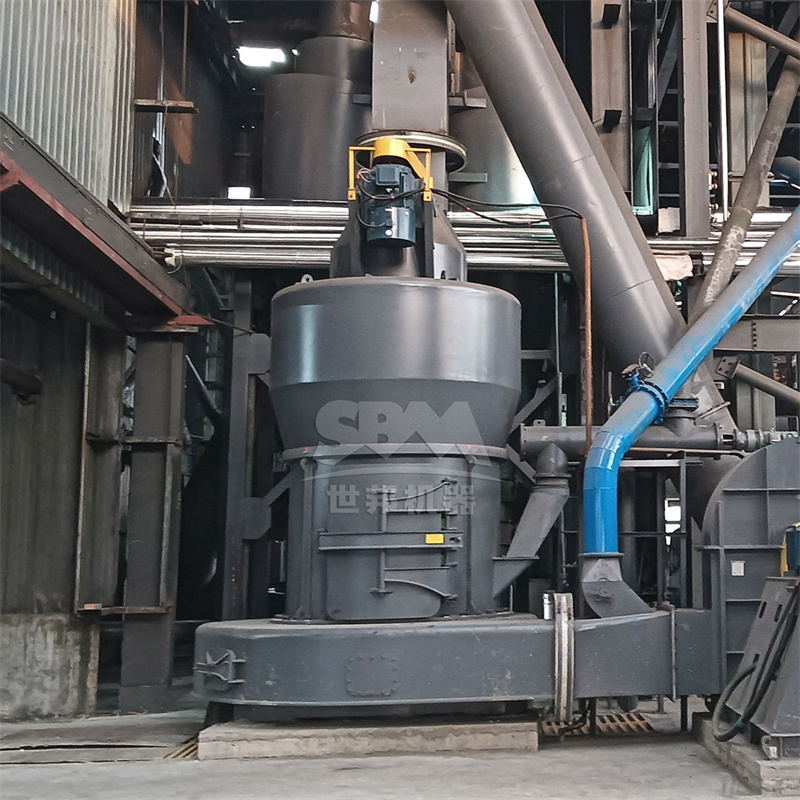
Carbon-based feedstocks vary widely: petroleum coke, pitch coke, natural graphite, synthetic graphite, carbon black, and activated carbon. Their hardness (Mohs 1–5), abrasiveness, moisture content, and tendency to agglomerate differ significantly. For instance, calcined petroleum coke is abrasive and can reach Mohs 4–5, while carbon black is extremely fine and prone to dusting. Therefore, the mill must be robust, resistant to wear, and capable of precise classification to avoid over-grinding or contamination.
Primary Grinding Mill Technologies for Carbon Powder
1. Ultrafine Mills for High-Value Carbon Products
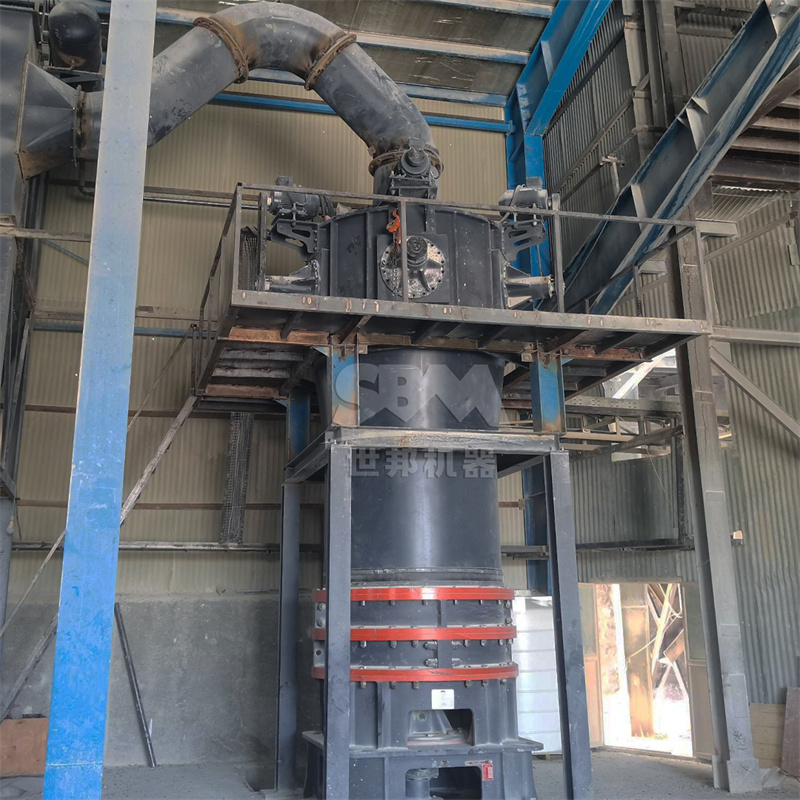
When producing battery-grade graphite or conductive carbon with D50 below 10 μm, ultrafine mills are indispensable. The SCM Series Ultrafine Mill from our company is engineered for such demanding applications. It accepts feed sizes up to 20 mm and delivers fineness from 325 to 2500 mesh (45–5 μm) with capacities ranging from 0.5 to 25 t/h depending on the model. Its vertical turbine classifier ensures precise particle size cutting without coarse powder mixing—essential for consistent battery performance. Compared to jet mills, the SCM series offers double the capacity while consuming 30% less energy, and its intelligent control system provides automatic finished product granularity feedback. The durable roller and ring materials, combined with a shaftless screw grinding chamber, ensure stable operation even with abrasive carbon feedstocks.
2. European Trapezium Mills for Medium-Fine Carbon Powder
For carbon powder applications requiring 30–325 mesh (600–45 μm) at high tonnages, the MTW Series European Trapezium Mill is an excellent choice. Its anti-wear shovel design and curved grinding rollers reduce maintenance costs, while the optimized arc air duct lowers airflow energy loss. The integral bevel gear drive achieves 98% transmission efficiency, and the wear-resistant volute structure improves air selection efficiency. With models from MTW110 (3–9 t/h) up to MTW215G (15–45 t/h), this mill suits carbon powder lines producing filler materials, carbon additives, or feedstock for further micronization. The patented internal suction oil lubrication system and pulse dust removal technology ensure clean, reliable operation.
3. Vertical Roller Mills for Large-Scale Carbon Grinding
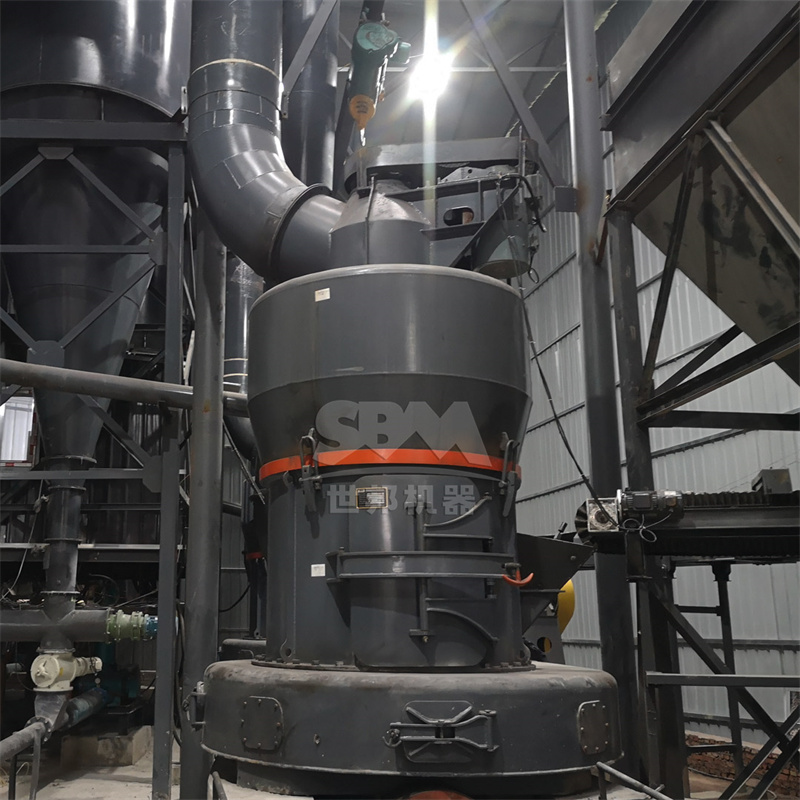
The LM Series Vertical Roller Mill is a game-changer for high-capacity carbon powder production. With capacities from 3 to 250 t/h and fineness up to 600 mesh (special models), it integrates crushing, grinding, and classification into one compact unit, reducing floor space by 50% and infrastructure costs by 40%. The non-contact design between rollers and table extends wear part life by three times, while energy consumption is 30–40% lower than ball mill systems. For carbon powder lines processing petroleum coke or graphite at 10–50 t/h, the LM series offers unmatched efficiency. Its expert-level auto-control system supports remote monitoring, and the fully sealed negative pressure operation ensures dust emission is well below international standards.
4. Ball Mills for Coarse Carbon Grinding
When the target fineness is coarser (0.074–0.8 mm) or when grinding highly abrasive carbon materials, the Ball Mill remains a reliable workhorse. Our ball mills offer capacities from 0.65 to 450 t/h with a crushing ratio up to 300:1. Both dry and wet modes are available, making them suitable for cement, metallurgy, and chemical industries. However, ball mills are energy-intensive and less precise for fine carbon powders, so they are often used as pre-grinding units before ultrafine mills.
Selection Criteria: Matching Mill to Carbon Powder Line
To choose the optimal grinding mill, consider the following factors:
- Target Particle Size (D50/D97): For D97 < 20 μm, choose SCM or LUM ultrafine mills. For 45–200 μm, MTW or MTM mills are ideal. For > 200 μm, ball mills or hammer mills may suffice.
- Capacity Requirement: Small lines (< 5 t/h) favor SCM800 or MTW110. Medium lines (5–20 t/h) suit SCM1250 or MTW175G. Large lines (> 20 t/h) demand LM vertical mills or ball mills.
- Abrasiveness and Hardness: High abrasiveness requires wear-resistant liners and rollers, such as those in SCM (special material rollers) or LM (non-contact design).
- Energy Efficiency: Ultrafine mills like SCM consume 30% less energy than jet mills. LM vertical mills consume 30–40% less than ball mills.
- Footprint and Infrastructure: Vertical mills (LM, LUM) have a small footprint and can be installed outdoors, reducing civil works.
- Dust and Noise Regulations: Choose mills with pulse dust collection and soundproof designs. SCM and MTW series both exceed international standards for dust emission and noise control.
Recommended Products for Carbon Powder Lines
Based on our extensive experience in carbon processing, we recommend two flagship products:
- SCM Series Ultrafine Mill: For battery-grade carbon, conductive carbon, or any application requiring D50 < 10 μm. Its high-precision classifier and energy-saving design make it the preferred choice for high-value carbon powders. Models range from SCM800 (0.5–4.5 t/h) to SCM1680 (5–25 t/h).
- MTW Series European Trapezium Mill: For medium-fine carbon powder at high throughput. The MTW215G model delivers 15–45 t/h at 10–325 mesh, ideal for carbon black, graphite, or coke grinding. Its patented technologies ensure low maintenance and long service life.
Additionally, for very large-scale operations (over 30 t/h), the LM Series Vertical Roller Mill is an excellent alternative, offering capacities up to 250 t/h and fineness up to 600 mesh.
Conclusion
Selecting the right grinding mill for your carbon powder line requires a careful balance of fineness, capacity, energy consumption, and maintenance costs. Ultrafine mills like the SCM series excel in high-value, fine carbon products, while trapezium mills like the MTW series offer high throughput for medium-fine applications. Vertical roller mills provide the ultimate solution for large-scale, energy-efficient grinding. By understanding your carbon material properties and production goals, you can optimize your investment and ensure consistent, high-quality carbon powder output. For personalized recommendations, consult our engineering team with your specific feed and product specifications.