
Introduction
Talc, a hydrated magnesium silicate mineral with the chemical formula Mg₃Si₄O₁₀(OH)₂, is one of the softest minerals on the Mohs scale (hardness 1). Its unique properties—including lubricity, chemical inertness, high thermal stability, and excellent adsorption capacity—make it indispensable in daily-use products such as talcum powder, cosmetics, pharmaceuticals, paper, paints, plastics, and ceramics. With the growing demand for high-quality talc powder, selecting the right grinding mill is critical for optimizing production efficiency, product fineness, and operational cost. This article provides a comprehensive guide to choosing the appropriate grinding equipment for your talc processing line, based on the specific requirements of daily-use talc powder production.
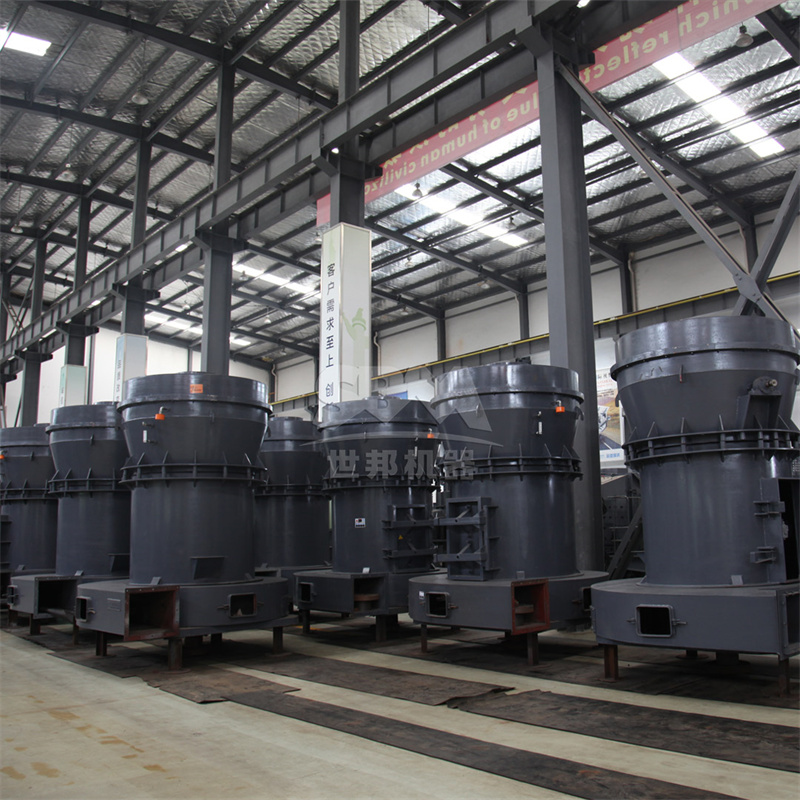
Understanding Talc Processing Requirements
Before selecting a grinding mill, it is essential to define the target product specifications. Daily-use talc powder typically requires fineness ranging from 325 mesh (45 μm) to 2500 mesh (5 μm), depending on the application. For instance, cosmetic-grade talc demands ultrafine particles with narrow particle size distribution and high purity, while industrial-grade talc for paper and plastics may require 200–600 mesh. Additionally, capacity requirements can vary from a few tons per hour for small-scale operations to over 50 tons per hour for large industrial lines. Other factors include moisture content, feed size, and the presence of associated minerals such as chlorite, magnesite, or quartz.
Key Criteria for Selecting a Talc Grinding Mill
When choosing a grinding mill for talc processing, consider the following criteria:
- Fineness Range: The mill must achieve the desired particle size distribution. Ultrafine grinding (below 10 μm) requires specialized equipment such as jet mills or ultrafine vertical mills, while coarser grades can be produced by Raymond mills or ball mills.
- Capacity: Match the mill’s throughput to your production targets. Overestimating capacity leads to unnecessary energy consumption, while underestimating it restricts output.
- Energy Efficiency: Talc is soft, but grinding still consumes significant energy. Mills with high grinding efficiency and low power consumption per ton are preferred.
- Product Contamination: For cosmetic and pharmaceutical talc, iron contamination must be minimized. Mills with ceramic liners or non-metallic grinding media are advantageous.
- Maintenance and Wear: Talc is abrasive to a certain extent; equipment with wear-resistant materials and easy maintenance reduces downtime and costs.
- Environmental Compliance: Dust emissions and noise levels must meet local regulations. Pulse dust collectors and soundproof designs are essential.
- Investment and Operating Cost: Balance capital expenditure with long-term operational savings.
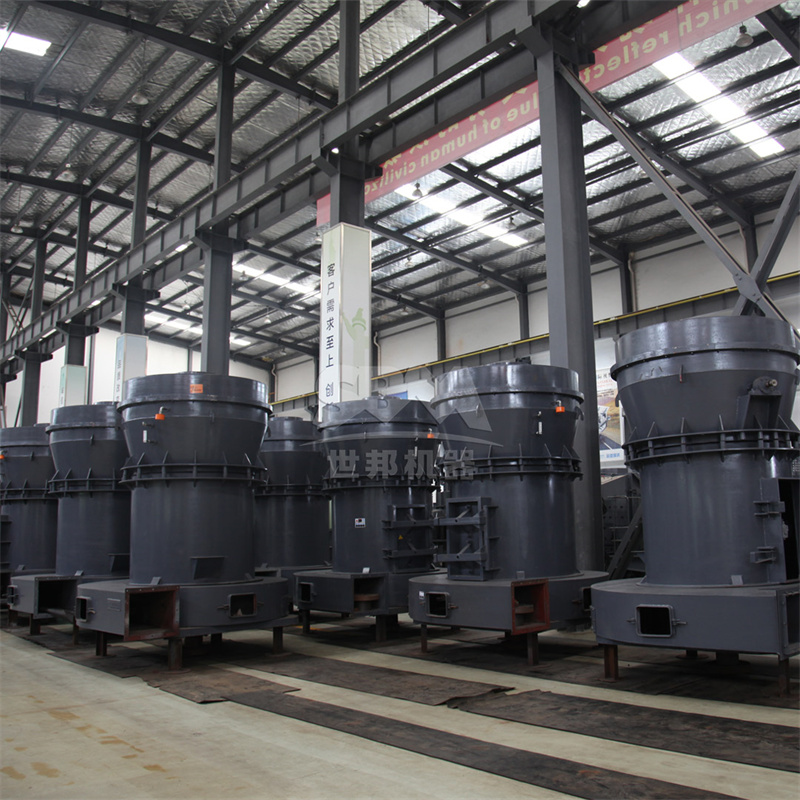
Common Grinding Mills for Talc Processing
Several types of grinding mills are used in talc processing, each with distinct advantages and limitations:
1. Raymond Mill (MTM Series)
Raymond mills are traditional choices for talc grinding, capable of producing 45–325 mesh powder. They are cost-effective and simple to operate but have limited capacity and fineness. The MTM Series Medium-speed Trapezium Mill from our company is an upgraded version with intelligent pressure regulation, innovative roller assembly, and eco-friendly dust collection. It suits small to medium-scale talc lines where ultrafine grinding is not required.
2. Ball Mill
Ball mills can grind talc to 0.074–0.8 mm but are generally used for coarser applications. They are robust and handle large capacities, but energy consumption is high, and achieving ultrafine sizes is inefficient. Ball mills are more suitable for pre-grinding or when talc is part of a complex ore.
3. Hammer Mill
Hammer mills are used for primary crushing of talc lumps (0–40 mm) down to 0–3 mm. They are not grinding mills per se but are essential in a complete talc processing line for preparing feed material for finer grinding.
4. Jet Mill
Jet mills can produce ultrafine talc (down to 5 μm) with minimal contamination, making them ideal for cosmetic and pharmaceutical grades. However, they have high energy consumption and low capacity, often limited to a few tons per hour. They are also expensive to operate and maintain.
5. Ultrafine Mills (SCM Series, LUM Series)
For high-capacity ultrafine talc production, vertical roller mills and stirred mills are the most efficient. Our company’s SCM Series Ultrafine Mill and LUM Ultrafine Vertical Roller Mill are specifically designed for 325–2500 mesh talc powder. The SCM series offers capacities from 0.5 to 25 t/h and features high-precision classification, durable wear parts, and eco-friendly operation. The LUM series, with models like LUM1525, provides even finer grinding (5–30 μm) and is ideal for large-scale cosmetic talc production. Both mills incorporate advanced intelligent control and meet stringent environmental standards.
6. Vertical Roller Mills (LM Series)
The LM Series Vertical Roller Mill is a versatile option for talc grinding, capable of 30–325 mesh with capacities up to 250 t/h. Its integrated design reduces floor space by 50% and energy consumption by 30–40% compared to ball mills. It is well-suited for medium to large talc processing lines where both fine and ultrafine products are required.
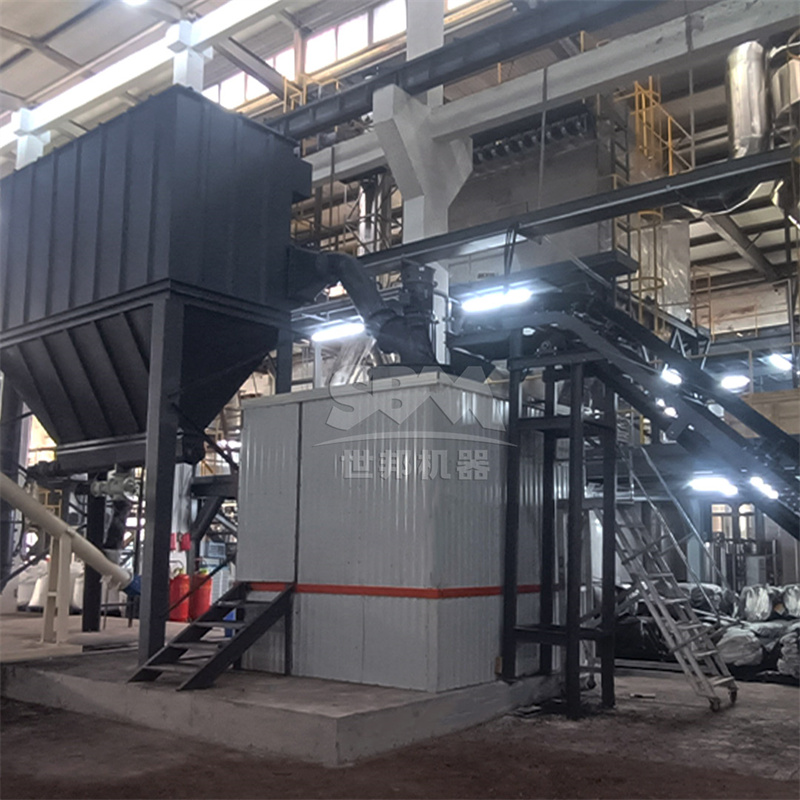
Recommended Equipment for Daily-Use Talc Powder
Based on the specific needs of daily-use talc powder, we recommend two flagship products from our company:
SCM Series Ultrafine Mill
The SCM Series Ultrafine Mill is an excellent choice for producing 325–2500 mesh talc powder with capacities up to 25 t/h. Its technical advantages include:
- High Efficiency & Energy Saving: Capacity is twice that of jet mills with 30% lower energy consumption. Intelligent control with automatic finished product granularity feedback ensures consistent quality.
- High-Precision Classification: Vertical turbine classifier achieves precise particle size cutting, eliminating coarse powder mixing.
- Durable Design: Special material rollers and rings extend service life several times over. The shaftless screw grinding chamber ensures stable operation.
- Eco-friendly & Low Noise: Pulse dust collection efficiency exceeds international standards, and soundproof room design keeps noise levels low.
With models ranging from SCM800 (0.5–4.5 t/h) to SCM1680 (5–25 t/h), the SCM series can be tailored to various production scales. Its working principle involves three layers of grinding rings rotating at high speed, with materials crushed by roller pressure and classified by a turbine classifier. This makes it ideal for cosmetic-grade talc where ultrafine, uniform particles are critical.
LUM Ultrafine Vertical Roller Mill
For even finer talc powder (down to 5 μm) and higher capacities, the LUM Ultrafine Vertical Roller Mill is the optimal solution. Its unique roller and liner curves improve grinding efficiency, while multi-rotor technology ensures precise classification with no coarse particles. The PLC automation system guarantees stable operation, and the negative pressure design prevents dust leakage. Models like LUM1525 (1.6–11.5 t/h) and LUM1836 (2.3–15 t/h) are perfect for large-scale production of premium talc powder for cosmetics and pharmaceuticals.
Conclusion
Choosing the right grinding mill for your talc processing line depends on your target fineness, capacity, budget, and product quality requirements. For daily-use talc powder, ultrafine grinding mills such as the SCM Series Ultrafine Mill and LUM Ultrafine Vertical Roller Mill offer the best combination of efficiency, product quality, and environmental compliance. By investing in advanced equipment and optimizing your process, you can achieve high-purity, ultrafine talc powder that meets the stringent standards of the cosmetics, pharmaceutical, and personal care industries. Contact our experts today to design a customized talc processing solution that maximizes your return on investment.