
Introduction
Manganese ore is a critical raw material in steel production, battery manufacturing, and various chemical processes. With the growing demand for high-purity manganese powder, selecting the right grinding equipment has become essential for maximizing efficiency, product quality, and profitability. This article provides a comprehensive guide to choosing the optimal grinding mill for your manganese ore processing plant, covering key factors such as fineness requirements, capacity, energy consumption, and maintenance. We will also highlight two of our advanced grinding solutions—the SCM Series Ultrafine Mill and the MTW Series European Trapezium Mill—which are particularly well-suited for manganese ore processing.
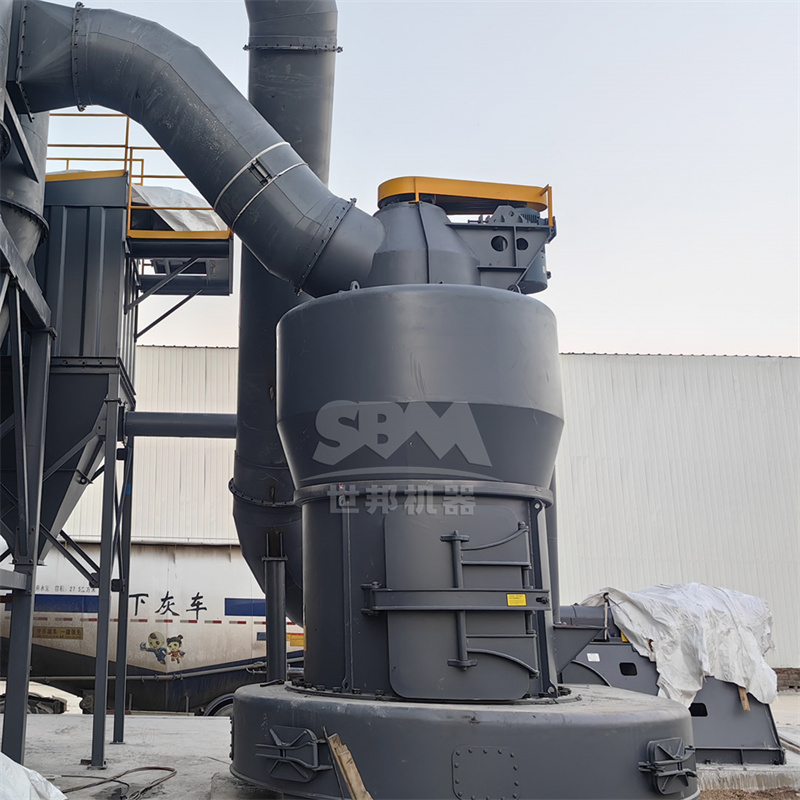
Understanding Manganese Ore Characteristics
Manganese ore typically occurs in various forms, including pyrolusite, psilomelane, and rhodochrosite. Its Mohs hardness ranges from 2 to 6, depending on the mineral composition, and it can be brittle or moderately hard. These properties influence the choice of grinding equipment. For instance, abrasive ores require wear-resistant liners and grinding elements, while softer ores may allow higher throughput. Additionally, the presence of moisture, impurities, and the desired end-use (e.g., battery-grade vs. metallurgical-grade) dictate the required fineness and downstream processing.
Key Factors in Selecting a Grinding Mill
1. Required Fineness and Particle Size Distribution
The final fineness is the primary determinant. Manganese powder applications vary widely: metallurgical uses often require 80–200 mesh (75–180 μm), while battery materials may demand ultrafine powders of 325–2500 mesh (5–45 μm). A mill must be capable of achieving the target fineness consistently and with a narrow particle size distribution. For ultrafine grinding, our SCM Series Ultrafine Mill is an excellent choice, offering fineness from 325 to 2500 mesh with precise classification.
2. Capacity and Throughput
Production capacity must align with your plant’s scale and future expansion plans. Small-scale plants may need 0.5–5 t/h, while large operations may require 50 t/h or more. The MTW Series European Trapezium Mill provides capacities from 3 to 45 t/h, making it suitable for medium to large manganese processing lines. For very high capacities, vertical roller mills like the LM series can reach up to 250 t/h.
3. Energy Efficiency and Operating Costs
Grinding is energy-intensive, often accounting for 30–50% of total processing costs. Mills with high energy efficiency and low wear rates significantly reduce operating expenses. The SCM Ultrafine Mill consumes 30% less energy than jet mills, while the MTW mill’s optimized arc air duct and bevel gear drive ensure high transmission efficiency (up to 98%).
4. Wear Resistance and Maintenance
Manganese ore is abrasive, so mills with durable rollers and liners are essential. The SCM mill uses special material rollers and rings that extend service life several times over. The MTW mill features anti-wear shovel blades and curved grinding rollers that reduce maintenance frequency. Both mills are designed for long-term reliability.
5. Environmental Compliance and Noise Control
Modern processing plants must adhere to strict environmental regulations. Dust emissions and noise levels should be minimized. The SCM mill incorporates pulse dust collection with efficiency exceeding international standards and a soundproof room for low noise. The MTW mill offers multi-stage dust collection options and operates within acceptable noise limits.
6. Automation and Control
Intelligent control systems improve product consistency and reduce labor. The SCM mill features automatic finished product granularity feedback, while the MTW mill can be equipped with advanced PLC control for real-time monitoring. These features ensure stable operation and optimal grinding conditions.
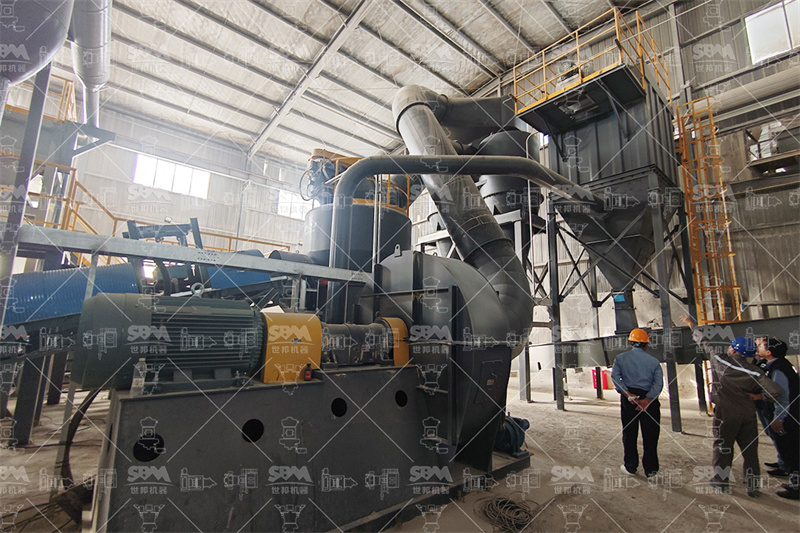
Recommended Equipment for Manganese Ore Processing
SCM Series Ultrafine Mill – For Ultrafine Manganese Powder
When your application demands ultra-fine manganese powder (e.g., for batteries or pigments), the SCM Series Ultrafine Mill is the ideal solution. It combines high efficiency, precise classification, and eco-friendly operation. With models ranging from SCM800 to SCM1680, capacities span 0.5–25 t/h, and fineness can be adjusted between 325 and 2500 mesh. The vertical turbine classifier ensures no coarse powder mixing, resulting in a uniform product. Its energy consumption is 30% lower than jet mills, and the durable grinding elements minimize downtime.
MTW Series European Trapezium Mill – For Versatile and High-Capacity Grinding
For medium to large-scale plants producing 30–325 mesh manganese powder, the MTW Series European Trapezium Mill offers an excellent balance of capacity, efficiency, and cost. Available in models from MTW110 to MTW215G, it delivers up to 45 t/h. The anti-wear shovel design and integral bevel gear drive reduce maintenance and energy losses. The optimized arc air duct improves airflow and classification efficiency. The MTW mill is also equipped with advanced dust removal technology, ensuring compliance with environmental standards.
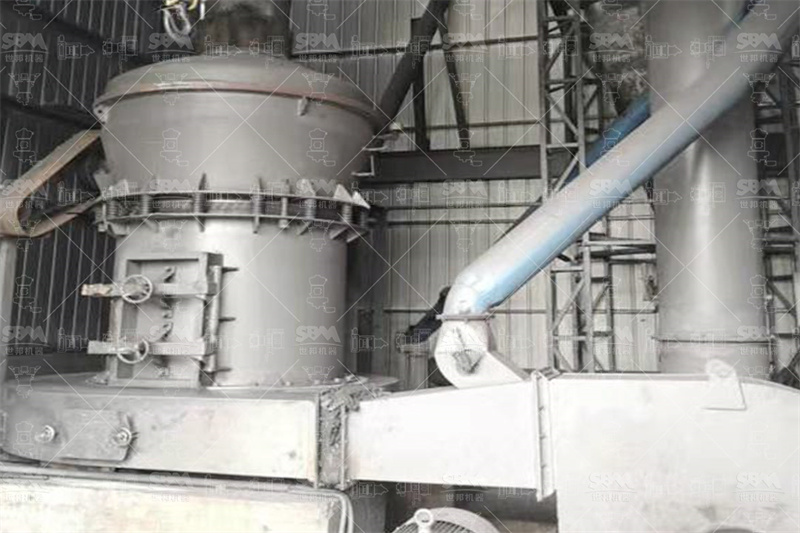
Comparison of Grinding Technologies
To aid your decision, consider the following comparisons:
- Ball Mill: Suitable for coarse grinding (0.074–0.8 mm) and large capacities, but high energy consumption and low efficiency for fine powders.
- Raymond Mill (MTM): Good for 45–325 mesh, but limited in ultrafine range and capacity.
- Vertical Roller Mill (LM): Excellent for high capacities (up to 250 t/h) and fine grinding, but higher initial investment.
- SCM Ultrafine Mill: Best for ultrafine powders (325–2500 mesh) with high efficiency and precise classification.
- MTW Trapezium Mill: Versatile for 30–325 mesh, high capacity, and low operating costs.
For most manganese ore processing plants targeting fine to ultrafine powders, the SCM and MTW mills represent the most technologically advanced and cost-effective choices.
Case Study: Manganese Ore Processing Plant in South Africa
A South African manganese processor required 10 t/h of manganese powder at 800 mesh for battery applications. After evaluating multiple options, they installed an SCM1250 ultrafine mill. The system achieved the target fineness with a capacity of 12 t/h, exceeding expectations. Energy consumption was reduced by 35% compared to their previous ball mill, and product uniformity improved significantly. The pulse dust collector ensured emissions were well below local limits.
Conclusion
Selecting the right grinding mill for manganese ore is a strategic decision that impacts product quality, operational costs, and environmental compliance. Key considerations include fineness, capacity, energy efficiency, wear resistance, and automation. Our SCM Series Ultrafine Mill and MTW Series European Trapezium Mill are engineered to meet these demands, offering superior performance for a wide range of manganese powder applications. By choosing the appropriate equipment, your processing plant can achieve higher productivity, lower costs, and a competitive edge in the market.
For personalized recommendations, please consult our technical team with your specific requirements.