
Bluestone, also known as basalt or diabase in many geological contexts, is one of the most versatile and widely used raw materials in construction, infrastructure, and industrial applications. Its high hardness, excellent compressive strength, and resistance to weathering make it an ideal aggregate for concrete, asphalt, railway ballast, and high-grade building materials. However, these same properties—particularly its abrasive nature and high Mohs hardness—present significant challenges when it comes to selecting the right processing equipment. Choosing the wrong crusher or grinder can lead to excessive wear, low output, high energy consumption, and ultimately, a poor return on investment. This article provides a comprehensive guide to selecting the right bluestone processing equipment, from primary crushing through fine grinding, and concludes with recommendations for complete plant configurations tailored to your specific project requirements.
Understanding Bluestone and Its Processing Requirements
Bluestone typically exhibits a Mohs hardness of 6 to 7, with high silica content that accelerates wear on crushing and grinding components. Its bulk density ranges from 2.8 to 3.0 tonnes per cubic meter, and its compressive strength often exceeds 200 MPa. These characteristics dictate several key equipment selection criteria:
- Abrasion-resistant wear parts: High-chrome alloys, manganese steel, and ceramic composites are essential for extending service life.
- Robust structural design: Frames, shafts, and bearings must withstand continuous high-impact and high-pressure loads.
- Efficient classification: Precise particle size control reduces unnecessary recirculation and energy waste.
- Dust and noise control: Environmental compliance is mandatory in most jurisdictions, and bluestone processing generates significant dust.
Whether you are producing 0–5 mm manufactured sand, 5–20 mm aggregate, or ultrafine powder for fillers and coatings, the equipment train must be matched to your target product specifications and production capacity.
Primary Crushing: The First Step in Bluestone Processing
Primary crushing reduces run-of-mine bluestone from as large as 1,000 mm down to 100–300 mm for downstream processing. For bluestone, jaw crushers and gyratory crushers are the most common choices. Jaw crushers are preferred for smaller operations due to their simpler maintenance and lower capital cost, while gyratory crushers offer higher throughput and better energy efficiency for large-scale projects exceeding 500 tonnes per hour.
When selecting a primary crusher, consider the maximum feed size, required throughput, and the abrasiveness of the material. For bluestone with high silica content, crushers equipped with manganese steel jaws and optimized crushing chambers will deliver longer wear life and more consistent product size.
Secondary and Tertiary Crushing: Achieving Target Aggregate Sizes
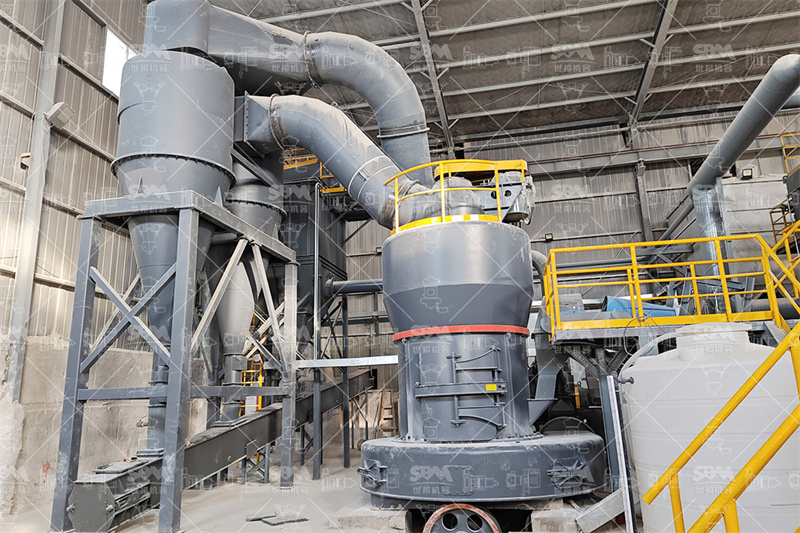
After primary crushing, secondary and tertiary crushing stages refine the material into specific aggregate sizes. Cone crushers are the workhorse for bluestone secondary crushing, offering high reduction ratios and excellent shape control. For tertiary crushing to produce manufactured sand or fine aggregate, vertical shaft impact (VSI) crushers are widely used because they produce cubical particles with minimal internal cracking.
Alternatively, hammer mills can serve as secondary or tertiary crushers for softer bluestone or when a 0–3 mm product is acceptable. The hammer mill series, such as the PC4008-75 with a capacity of 8–15 t/h and the PC4015-132 with a capacity of 40–70 t/h, offers a compact, low-investment solution for small to medium operations. However, for high-volume production and better particle shape, cone and VSI crushers remain the industry standard.
Grinding: From Fine Aggregate to Ultrafine Powder
When your project requires bluestone powder for applications such as asphalt filler, concrete admixtures, or industrial fillers, grinding becomes the critical stage. Bluestone grinding equipment must deliver high capacity, precise fineness control, and low wear rates. Several mill types are available, each suited to different fineness and capacity requirements.
SCM Series Ultrafine Mill: For Ultrafine Bluestone Powder
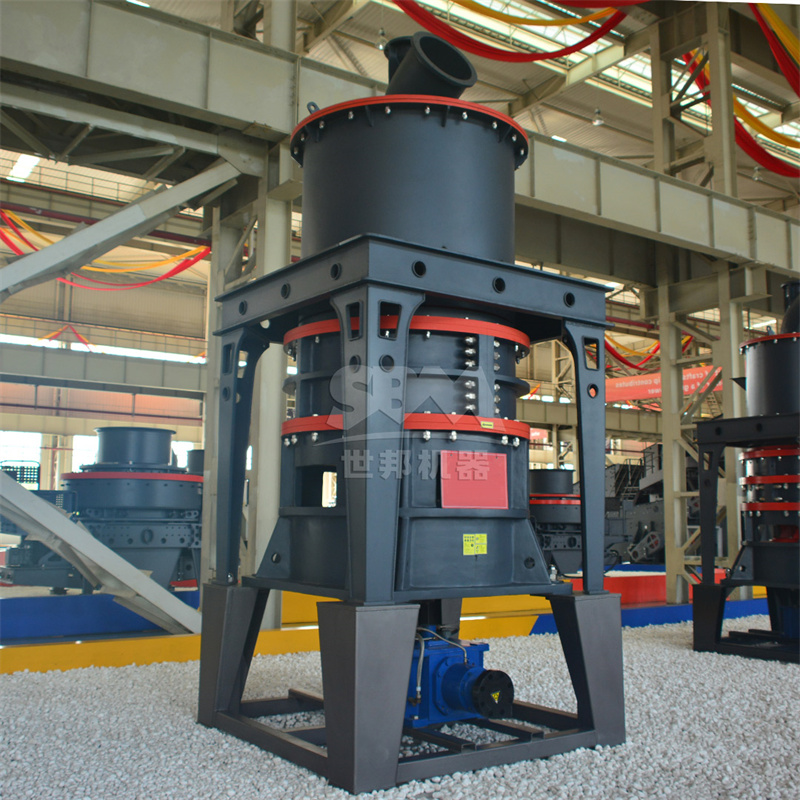
The SCM Series Ultrafine Mill is an excellent choice for producing bluestone powder in the 325–2500 mesh range. With a capacity of 0.5–25 t/h depending on the model, this mill combines high efficiency with precise classification. Its vertical turbine classifier ensures no coarse powder mixing, while the special material rollers and rings extend service life several times over compared to conventional mills. The intelligent control system provides automatic finished product granularity feedback, and the pulse dust collection system exceeds international environmental standards. For bluestone projects requiring ultrafine powder, the SCM800 (0.5–4.5 t/h) and SCM1250 (2.5–14 t/h) are particularly popular choices.
MTW Series European Trapezium Mill: Versatile and Cost-Effective
The MTW Series European Trapezium Mill is a versatile solution for bluestone grinding in the 30–325 mesh range, with capacities from 3 to 45 t/h. Its anti-wear shovel design and curved grinding rollers reduce maintenance costs, while the integral bevel gear drive achieves 98% transmission efficiency. The optimized arc air duct reduces airflow energy loss, and the wear-resistant volute structure improves air selection efficiency. For projects requiring a balance between capacity and fineness, the MTW138Z (6–17 t/h) and MTW175G (9.5–25 t/h) are ideal for medium to large-scale bluestone powder production.
LM Series Vertical Roller Mill: High Capacity and Low Operating Cost
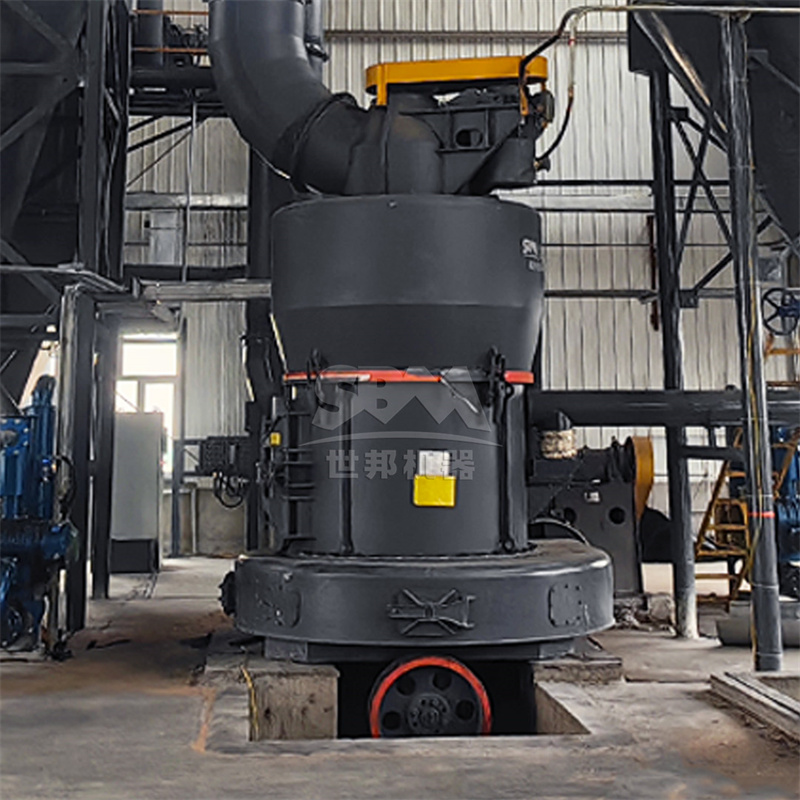
For very large-scale bluestone grinding projects, the LM Series Vertical Roller Mill offers capacities from 3 to 250 t/h with fineness from 30 to 325 mesh (up to 600 mesh for special models). Its integrated design combines crushing, grinding, and selection, reducing floor space by 50% and allowing outdoor installation. The non-contact design between rollers and table increases wear part life by three times, and energy consumption is 30–40% lower than ball mill systems. The LM130K (10–28 t/h) and LM220K (36–105 t/h) are well-suited to bluestone processing when high throughput and low operating costs are priorities.
Complete Plant Design: Integrating Crushing, Grinding, and Classification
A complete bluestone processing plant typically consists of several stages: raw material feeding, primary crushing, secondary crushing, screening, grinding, classification, dust collection, and finished product storage. The key to a successful plant is ensuring that each stage is properly matched in terms of capacity, feed size, and product fineness.
For a typical bluestone aggregate plant producing 0–5 mm, 5–10 mm, and 10–20 mm products, a configuration might include:
- Primary crushing: Jaw crusher (e.g., PE series) for reducing 1,000 mm feed to 150 mm.
- Secondary crushing: Cone crusher for reducing 150 mm to 40 mm.
- Tertiary crushing: VSI crusher for shaping and producing 0–5 mm sand.
- Screening: Multi-deck vibrating screens for size separation.
- Dust collection: Pulse bag filters and water spray systems.
For a bluestone powder plant producing 200 mesh powder at 20 t/h, a configuration might include:
- Primary crushing: Jaw crusher or hammer mill for reducing 300 mm feed to 20 mm.
- Grinding: MTW175G or LM170K mill for producing 200 mesh powder.
- Classification: Integrated dynamic classifier for precise cut points.
- Dust collection: Pulse dust collector with high-efficiency filter bags.
Key Selection Criteria for Bluestone Processing Equipment
When choosing equipment for your bluestone project, consider the following factors:
- Feed size and product fineness: Match the equipment’s maximum feed size and output fineness to your raw material and target product.
- Capacity requirements: Ensure the equipment’s rated capacity exceeds your required production rate by 10–20% to account for variations in feed characteristics.
- Wear part life and maintenance: Bluestone is abrasive; choose equipment with easily replaceable wear parts and long service intervals.
- Energy consumption: Compare specific energy consumption (kWh per tonne of product) across different equipment options.
- Environmental compliance: Verify dust emission and noise levels meet local regulations.
- Automation and control: Intelligent control systems reduce labor costs and improve product consistency.
- Supplier support: Choose a supplier with proven experience in bluestone processing and local service capabilities.
Recommended Equipment for Bluestone Projects
Based on the characteristics of bluestone and the requirements of typical projects, we recommend the following equipment:
For ultrafine powder production (325–2500 mesh): The SCM Series Ultrafine Mill is the ideal choice. Its high-precision classification, durable design, and eco-friendly operation make it suitable for producing high-value bluestone powder for fillers, coatings, and specialty chemicals. The SCM1000 model, with a capacity of 1.0–8.5 t/h and 132 kW main power, offers an excellent balance of capacity and efficiency for medium-scale projects.
For fine powder production (30–325 mesh): The MTW Series European Trapezium Mill provides a cost-effective solution with low maintenance costs and high transmission efficiency. The MTW138Z model, with a capacity of 6–17 t/h and 90 kW main power, is particularly well-suited to bluestone grinding for asphalt filler, concrete admixture, and industrial filler applications.
Both mills can be integrated into a complete plant with feeding, conveying, dust collection, and storage systems to create a turnkey solution.
Conclusion
Selecting the right crusher, grinder, and complete plant for bluestone processing requires a thorough understanding of the material’s properties, your target product specifications, and your production capacity requirements. Primary and secondary crushing stages should prioritize abrasion resistance and reduction ratio, while grinding stages should focus on fineness control, energy efficiency, and wear part life. By carefully matching equipment to your project needs, you can achieve optimal productivity, minimal downtime, and a strong return on investment. For bluestone projects requiring ultrafine powder, the SCM Series Ultrafine Mill offers exceptional performance, while the MTW Series European Trapezium Mill provides a versatile and cost-effective solution for fine powder production. With the right equipment and a well-designed plant layout, your bluestone processing operation can achieve long-term success.