
Introduction: The Dual Challenge of Fly Ash Utilization and Alkaline Soil Rehabilitation
Fly ash, a fine-grained byproduct of coal combustion in thermal power plants, has long been recognized as both an environmental burden and a potential resource. While its disposal poses significant challenges, its unique physicochemical properties—including high specific surface area, pozzolanic reactivity, and the presence of essential plant nutrients—make it a valuable amendment for degraded and alkaline soils. Alkaline soils, characterized by high pH (typically above 8.5), excessive sodium content, poor structure, and low organic matter, severely limit crop productivity across arid and semi-arid regions globally. The application of properly processed fly ash can ameliorate these conditions by improving soil texture, enhancing water retention, supplying micronutrients, and facilitating the leaching of excess sodium. However, the efficacy of fly ash as a soil amendment is critically dependent on its particle size distribution and surface reactivity. Coarse, unprocessed fly ash may be ineffective or even detrimental, whereas finely ground fly ash can dramatically enhance its performance. This is where the selection of appropriate grinding equipment becomes paramount. In this comprehensive guide, we explore the key considerations for choosing the right grinding mill for processing fly ash intended for alkaline soil amendment, while introducing two of our company’s flagship products that excel in this application.
Why Particle Size Matters in Fly Ash-Based Soil Amendment
The effectiveness of fly ash in improving alkaline soil is directly linked to its fineness. Research has consistently shown that finer fly ash particles (typically in the range of 325 to 2500 mesh, or 45 to 5 micrometers) exhibit superior performance due to several mechanisms:
- Increased Specific Surface Area: Finer particles provide more contact points for chemical reactions with soil constituents, enhancing the neutralization of alkalinity and the immobilization of sodium ions.
- Improved Reactivity: The pozzolanic reaction between fly ash, calcium hydroxide, and water produces calcium silicate hydrate (C-S-H) gel, which acts as a binding agent, improving soil aggregation and structural stability. This reaction is highly dependent on particle fineness.
- Better Dispersion and Mixing: Ultrafine fly ash disperses more uniformly throughout the soil profile, ensuring consistent amendment effects and preventing localized zones of high pH or salinity.
- Enhanced Nutrient Availability: Grinding can liberate trace elements such as boron, molybdenum, and zinc from the fly ash matrix, making them more available for plant uptake.
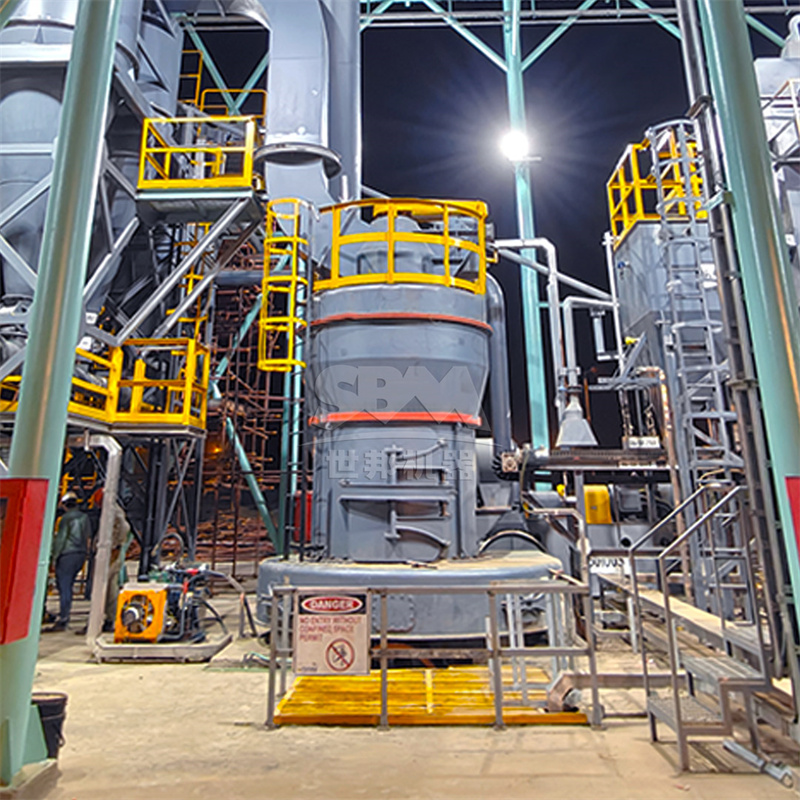
Therefore, the grinding mill selected must be capable of producing a consistent, ultrafine product with a narrow particle size distribution. This is where our SCM Series Ultrafine Mill and LM Series Vertical Roller Mill shine.
Key Criteria for Selecting a Grinding Mill for Fly Ash Processing
When choosing a grinding mill for fly ash destined for soil improvement, several critical factors must be evaluated:
1. Fineness and Particle Size Distribution
The target fineness for alkaline soil amendment is generally between 325 and 2500 mesh. While coarser fractions (100-200 mesh) can be used for bulk soil conditioning, ultrafine fractions are more effective for rapid pH adjustment and enhanced reactivity. The mill’s classification system must be capable of precise cut-points, ensuring no coarse particles contaminate the finished product. Our SCM Series Ultrafine Mill, with its vertical turbine classifier, achieves precise particle size cutting and guarantees uniform fineness.
2. Capacity and Throughput
For large-scale soil remediation projects, the mill’s capacity must match the application rate, which can range from a few tons per hectare to hundreds of tons for industrial-scale rehabilitation. The mill should offer flexible capacity options without compromising fineness. Our MTW Series European Trapezium Mill, for instance, offers capacities from 3 to 45 tons per hour, making it suitable for medium to large-scale operations.
3. Energy Efficiency and Operating Costs
Grinding is an energy-intensive process. The mill should be designed to maximize energy efficiency while minimizing wear part consumption. High-efficiency classifiers, optimized grinding chamber geometry, and durable materials are essential. Our SCM Series Ultrafine Mill boasts 30% lower energy consumption compared to jet mills, and its special material rollers and rings extend service life several times over.
4. Environmental Compliance and Dust Control
Fly ash is a fine, powdery material that can easily become airborne, posing health and environmental risks. The grinding system must be equipped with effective dust collection systems. Our mills feature pulse dust collection with efficiency exceeding international standards, ensuring a clean and safe working environment.
5. System Integration and Automation
Modern grinding plants benefit from intelligent control systems that automatically adjust parameters to maintain consistent product quality. The SCM Series Ultrafine Mill features intelligent control with automatic finished product granularity feedback, reducing manual intervention and ensuring stable operation.
Product Recommendations from Our Portfolio
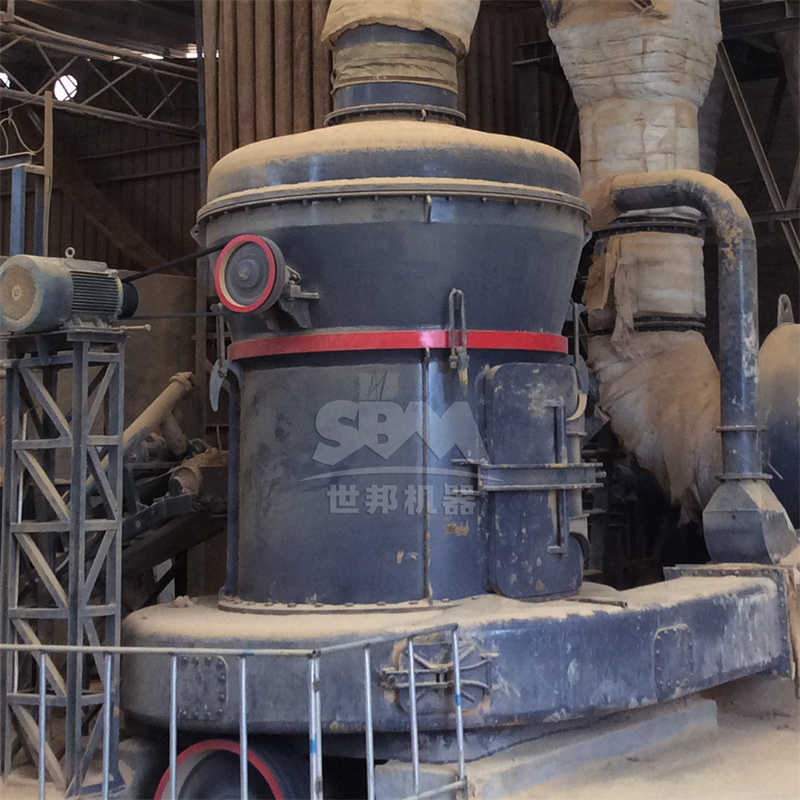
Based on the criteria above, we recommend two of our most advanced grinding mills for fly ash processing in soil amendment applications:
SCM Series Ultrafine Mill: Precision Grinding for Maximum Reactivity
The SCM Series Ultrafine Mill is specifically engineered for producing ultrafine powders in the 325-2500 mesh range. Its working principle is both elegant and efficient: the main motor drives three layers of grinding rings to rotate, materials are dispersed into the grinding path by centrifugal force, crushed by roller pressure, and ground layer by layer. The vertical turbine classifier ensures precise particle size cutting with no coarse powder mixing. For fly ash processing, this means a consistent, highly reactive product that maximizes soil improvement benefits.
Key advantages for soil amendment:
- Ultrafine output enhances pozzolanic reactivity and sodium leaching
- Intelligent control maintains consistent fineness, critical for predictable soil response
- Durable design reduces maintenance downtime in continuous operations
- Eco-friendly dust collection protects workers and the environment
With models ranging from SCM800 (0.5-4.5 t/h) to SCM1680 (5-25 t/h), there is a configuration suitable for both pilot-scale trials and full-scale production.
LM Series Vertical Roller Mill: High-Capacity Solution for Large-Scale Projects
For projects requiring high throughput, the LM Series Vertical Roller Mill offers an integrated design that combines crushing, grinding, and selection in one compact unit. Its capacity range of 3 to 250 tons per hour makes it ideal for large-scale soil remediation initiatives. The LM Series is particularly noted for its low operating cost: non-contact design between rollers and table reduces wear, energy consumption is 30-40% lower than ball mill systems, and the expert-level auto-control system enables remote operation.
Key advantages for soil amendment:
- Massive capacity for industrial-scale fly ash processing
- Integrated design reduces floor space by 50% and infrastructure costs by 40%
- Fully sealed negative pressure operation eliminates dust leakage
- Hot air circulation energy-saving system further reduces operational costs
Case Study: Fly Ash Grinding for Alkaline Soil Amendment in Arid Regions
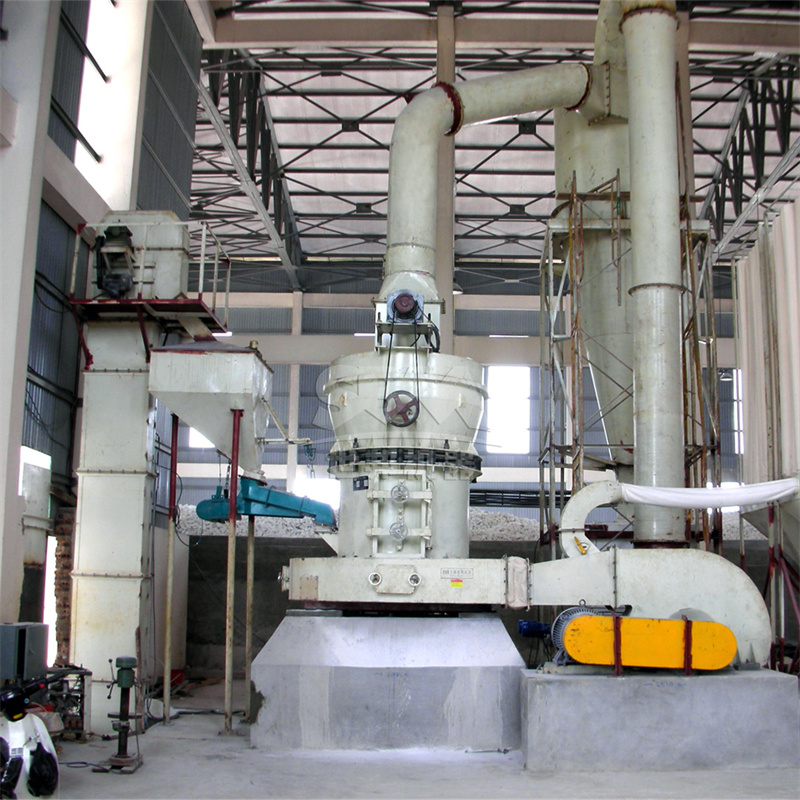
In a recent project in a semi-arid region, fly ash from a local power plant was processed using an SCM Series Ultrafine Mill to a fineness of 800 mesh (approximately 18 microns). The ultrafine fly ash was applied to alkaline soil at a rate of 20 tons per hectare, combined with organic compost and gypsum. Within one growing season, soil pH decreased from 9.2 to 8.1, sodium adsorption ratio (SAR) dropped by 35%, and crop yield of wheat increased by 42% compared to untreated control plots. The ultrafine particle size was critical to the rapid and uniform soil improvement observed.
Conclusion: The Right Mill Makes All the Difference
Fly ash is not merely a waste product—it is a valuable resource for rehabilitating alkaline soils and enhancing crop productivity. However, its benefits can only be fully realized when the material is processed to the appropriate fineness using reliable, efficient, and environmentally compliant grinding equipment. Our SCM Series Ultrafine Mill and LM Series Vertical Roller Mill represent the state of the art in fly ash grinding for soil amendment. Whether you require the precision of ultrafine grinding or the capacity of a high-throughput vertical mill, we have the solution to meet your project’s needs. By investing in the right grinding technology, you can transform fly ash from a disposal challenge into a powerful tool for sustainable agriculture and land restoration.
Frequently Asked Questions (FAQ)
Q1: What is the optimal fineness for fly ash used in alkaline soil amendment?
A1: Research suggests that fineness in the range of 325 to 2500 mesh (45 to 5 microns) provides the best balance of reactivity, handling, and cost. Ultrafine fractions (below 800 mesh) are more effective for rapid pH reduction and sodium leaching, while coarser fractions can be used for bulk structural improvement.
Q2: Can your mills handle fly ash with high moisture content?
A2: Yes. Our LM Series Vertical Roller Mill can process materials with moisture content up to 15% due to its integrated drying function using hot air. The SCM Series Ultrafine Mill is designed for dry feed, and we recommend pre-drying if moisture exceeds 5%.
Q3: How do I determine the right mill capacity for my project?
A3: Capacity depends on the scale of soil remediation, application rate, and project duration. As a rule of thumb, a project treating 1,000 hectares at 20 tons/ha requires 20,000 tons of fly ash. If the project spans one year (300 working days), a mill with a capacity of 3-4 t/h would suffice. For larger projects, our LM Series with capacities up to 250 t/h is recommended.
Q4: What about wear parts and maintenance?
A4: Our mills are designed for minimal maintenance. The SCM Series uses special material rollers and rings that last several times longer than standard components. The LM Series features a modular grinding roller assembly quick-change system that reduces downtime. Regular maintenance typically involves inspection every 500-1000 hours.
Q5: Do you provide turnkey solutions for fly ash processing plants?
A5: Absolutely. We offer complete solutions from feasibility studies and process design to equipment manufacturing, installation, commissioning, and operator training. Our engineering team can tailor the grinding system to your specific fly ash characteristics and soil amendment requirements.