
Introduction: The Rising Importance of Illite in Animal Feed
Illite, a phyllosilicate mineral belonging to the mica group, has gained significant attention in the animal feed industry as a functional additive. Its unique layered structure, high cation exchange capacity, and excellent adsorption properties make it valuable for improving feed quality, promoting animal health, and enhancing nutrient absorption. As a natural clay mineral, illite is increasingly used as a mycotoxin binder, pellet binder, and digestive aid in poultry, swine, and ruminant feed formulations.
The effectiveness of illite additives depends heavily on their particle size distribution, specific surface area, and purity. To achieve the desired fineness and functionality, feed manufacturers must carefully select appropriate milling equipment that can process illite efficiently while maintaining consistent product quality. This article explores the key considerations for choosing the right milling system for illite additive production and presents our company’s advanced solutions for this specialized application.

Understanding Illite’s Properties and Processing Requirements
Illite possesses a 2:1 layer structure similar to montmorillonite, but with potassium ions firmly fixed between layers, creating a non-expanding clay mineral. This structure provides excellent thermal stability and mechanical strength, making illite suitable for various industrial applications including feed additives. The mineral typically contains silicon, aluminum, potassium, and minor amounts of iron and magnesium.
For feed additive applications, illite must be processed to specific fineness levels to maximize its functional properties. The optimal particle size for mycotoxin adsorption typically ranges from 45 to 150 microns, while finer grades (down to 5-10 microns) may be required for specialized applications requiring maximum surface area. The milling process must preserve the mineral’s structural integrity while achieving the desired particle size distribution without introducing contamination.
Key processing considerations include:
- Particle Size Control: Precise classification to ensure consistent product quality and optimal performance in feed formulations
- Contamination Prevention: Avoiding metal wear particles from grinding equipment that could compromise feed safety
- Moisture Management: Handling illite’s natural moisture content while preventing caking and ensuring smooth material flow
- Energy Efficiency: Reducing operational costs while maintaining high production capacity
- Dust Control: Protecting worker health and minimizing material loss through effective containment systems
Key Factors in Selecting Illite Milling Equipment
1. Target Fineness and Particle Size Distribution
The required fineness of illite powder directly determines which type of mill is most suitable. Coarse grinding (0-3mm) for feed pellet binders can be achieved with hammer mills, while fine grinding (45-150 microns) for mycotoxin binding requires more sophisticated equipment. Ultrafine grinding (5-45 microns) for premium applications demands specialized mills capable of precise particle size control.
2. Production Capacity Requirements
Feed additive manufacturers operate at various scales, from small specialized operations to large integrated feed plants. The milling system must match production targets without excessive energy consumption or operational complexity. Capacity requirements typically range from 0.5 tons per hour for specialty products to over 25 tons per hour for large-scale operations.
3. Energy Efficiency and Operating Costs
Grinding is one of the most energy-intensive operations in mineral processing. The selected mill should minimize specific energy consumption (kWh per ton of product) while maintaining consistent output quality. Advanced designs incorporating high-efficiency classifiers, optimized grinding chamber geometry, and intelligent control systems can significantly reduce operating costs.
4. Equipment Wear and Maintenance
Illite’s hardness (2.5-3 on Mohs scale) is relatively low, but abrasive impurities in the ore can accelerate wear on grinding surfaces. Equipment with wear-resistant materials, modular designs for quick component replacement, and accessible maintenance points ensures minimal downtime and extended service life.
5. Environmental Compliance and Dust Control
Modern feed additive production facilities must comply with strict environmental regulations regarding dust emissions and noise levels. Mills equipped with high-efficiency pulse dust collectors, negative pressure operation, and soundproofing features help meet these requirements while protecting worker health.
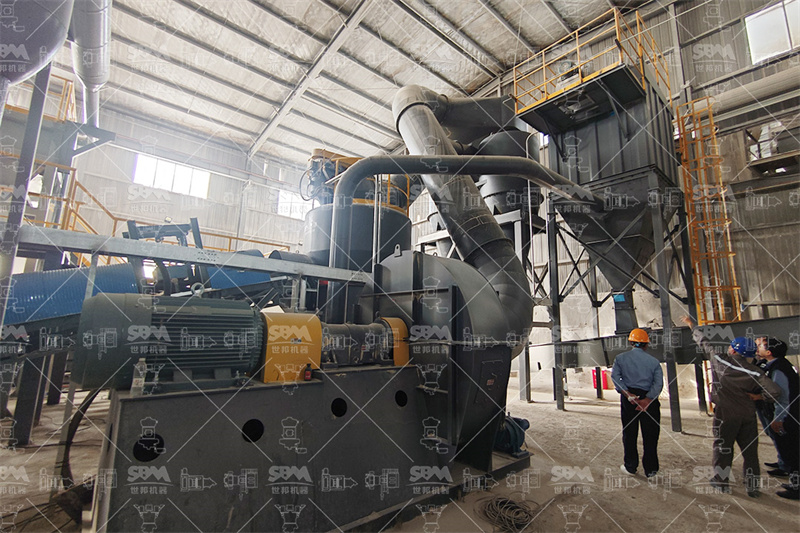
Recommended Milling Solutions for Illite Feed Additives
SCM Series Ultrafine Mill: Precision Grinding for Premium Illite Additives
For manufacturers producing high-grade illite additives requiring ultrafine particle sizes (325-2500 mesh), the SCM Series Ultrafine Mill represents the optimal solution. This advanced grinding system delivers exceptional performance for illite processing with several key advantages:
Superior Grinding Efficiency: The SCM Series achieves capacity rates twice that of conventional jet mills while consuming 30% less energy. For illite processing, this translates to higher throughput and reduced production costs per ton. The intelligent control system with automatic finished product granularity feedback ensures consistent output quality without constant operator intervention.
Precise Particle Size Control: The vertical turbine classifier provides exact particle size cutting, eliminating coarse powder mixing and ensuring uniform finished products. This precision is critical for illite additives, where particle size directly affects adsorption capacity and performance in animal feed. Manufacturers can confidently produce grades ranging from 325 to 2500 mesh to meet diverse customer requirements.
Durable Construction for Long Service Life: Special material rollers and rings extend service life several times over compared to standard components. The shaftless screw grinding chamber ensures stable operation even when processing challenging materials. For illite processors, this durability means reduced maintenance costs and consistent production schedules.
Environmental Compliance: The pulse dust collection system exceeds international standards, capturing fine particles that would otherwise escape into the workplace. Soundproof room design ensures noise levels remain within acceptable limits, creating a safer and more comfortable working environment.
Technical Specifications:
- Input Size: ≤20mm
- Output Fineness: 325-2500 mesh
- Capacity: 0.5-25 ton/h (depending on model)
- Available Models: SCM800, SCM900, SCM1000, SCM1250, SCM1680
The SCM Series is particularly recommended for manufacturers targeting the premium feed additive market, where ultrafine illite commands higher prices due to enhanced functional properties. The ability to produce consistent, high-quality powder with minimal contamination makes this mill an excellent choice for this application.
MTW Series European Trapezium Mill: Versatile Grinding for Standard Illite Grades
For manufacturers requiring medium-fine grinding (30-325 mesh) with high capacity, the MTW Series European Trapezium Mill offers an excellent balance of performance, efficiency, and cost-effectiveness. This proven design incorporates several innovative features ideal for illite processing:
Advanced Wear Protection: The anti-wear shovel design with combined shovel blades reduces maintenance costs while the curved design extends grinding roller life. For illite processing, where abrasive impurities may be present, this wear resistance ensures consistent performance over extended production runs.
Optimized Airflow Design: The optimized arc air duct reduces airflow energy loss and improves transmission efficiency. High-strength guard plates protect the air duct working surface, ensuring reliable operation even with challenging materials. This design contributes to lower energy consumption per ton of finished product.
Efficient Power Transmission: The integral bevel gear drive achieves transmission efficiency up to 98%, saving space and reducing installation costs. This efficiency translates directly to lower operating expenses for illite processors.
Wear-Resistant Volute Structure: The non-resistance flow design improves air selection efficiency while maintenance costs are reduced by 30%. This feature is particularly valuable for continuous production operations where downtime is costly.
Technical Specifications:
- Input Size: ≤50mm
- Output Fineness: 30-325 mesh (down to 0.038mm)
- Capacity: 3-45 ton/h (depending on model)
- Available Models: MTW110, MTW110Z, MTW138Z, MTW175G, MTW215G, MRN158, MRN198, MRN218
The MTW Series is recommended for manufacturers producing standard-grade illite additives for general feed applications. Its combination of high capacity, reliable operation, and reasonable operating costs makes it an ideal choice for large-scale production facilities.
Comparing Milling Technologies for Illite Processing
When selecting between the SCM Series and MTW Series for illite additive production, consider the following comparison:
| Factor | SCM Series | MTW Series |
|---|---|---|
| Fineness Range | 325-2500 mesh | 30-325 mesh |
| Capacity Range | 0.5-25 t/h | 3-45 t/h |
| Best For | Premium ultrafine additives | Standard grades, high volume |
| Energy Efficiency | Excellent (30% lower than jet mills) | Very good (98% transmission efficiency) |
| Particle Size Control | Precise vertical turbine classifier | Advanced classification system |
| Maintenance | Extended life components | Reduced maintenance costs (30% lower) |
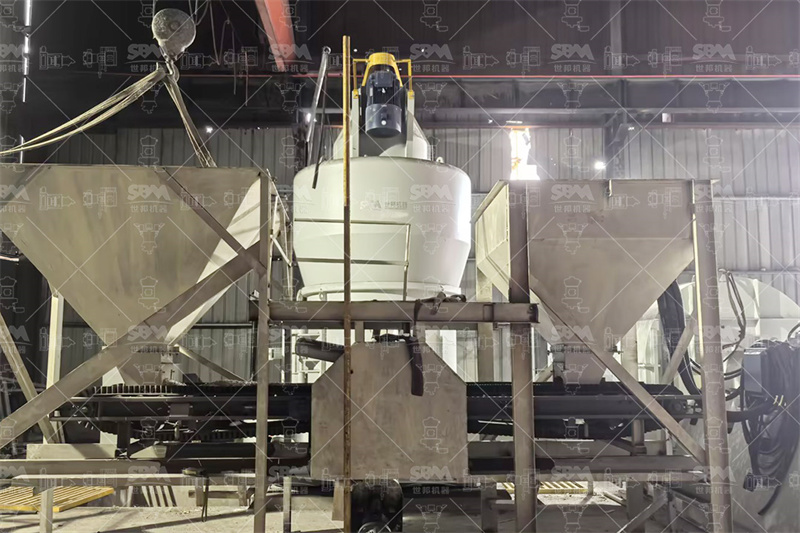
Installation and Operational Considerations
Successful illite milling operations require careful attention to several factors beyond equipment selection:
Material Preparation: Proper crushing and screening of raw illite before grinding ensures consistent feed size and protects mill components from oversized material. A jaw crusher or hammer mill may be required upstream of the main grinding system.
Moisture Control: Illite’s natural moisture content should be managed to prevent caking and ensure smooth flow through the grinding system. Hot air systems may be integrated for simultaneous drying and grinding when necessary.
Classification Optimization: Regular adjustment and maintenance of classification systems ensures consistent product fineness. Automated control systems can maintain optimal settings with minimal operator intervention.
Dust Collection: Comprehensive dust collection at all transfer points protects worker health and minimizes product loss. The pulse dust collection systems integrated into our mills exceed international standards for emission control.
Quality Testing: Regular testing of finished product for particle size distribution, purity, and functional properties ensures consistent quality that meets customer specifications.
Conclusion: Choosing the Right Solution for Your Illite Processing Needs
The selection of milling equipment for illite feed additive production depends on your specific product requirements, production scale, and business objectives. For manufacturers targeting the premium ultrafine market, the SCM Series Ultrafine Mill offers unmatched precision and efficiency. For those requiring high-volume production of standard grades, the MTW Series European Trapezium Mill provides reliable performance and excellent value.
Both systems incorporate advanced technologies for wear resistance, energy efficiency, and environmental compliance that are essential for successful illite processing. By carefully evaluating your requirements against the capabilities of each system, you can select the milling solution that optimizes your production economics while delivering the product quality your customers demand.
Our engineering team is available to discuss your specific illite processing requirements and recommend the optimal configuration for your application. With extensive experience in mineral processing and feed additive production, we can help you achieve your production goals efficiently and profitably.