
Introduction: Why Kaolin Additives Matter in Glass Fiber Production
In the rapidly evolving world of composite materials, glass fiber reinforced plastics (GFRP) have become indispensable across industries such as aerospace, automotive, construction, and electronics. Behind every high-performance glass fiber product lies a carefully engineered blend of raw materials — and among the most critical is kaolin, a versatile aluminosilicate mineral that functions as a functional additive, extender, and property enhancer.
Kaolin additives used in glass fiber manufacturing must meet stringent specifications: controlled particle size distribution, consistent chemistry, low impurity levels, and predictable thermal behavior. Achieving these specifications requires not only high-quality raw kaolin but also advanced grinding and classification equipment capable of delivering ultrafine, uniform powders at industrial scale.
This complete guide explores the key requirements for producing kaolin additives for glass fiber, examines the equipment technologies available, and provides manufacturers with actionable insights for selecting the optimal grinding solution.
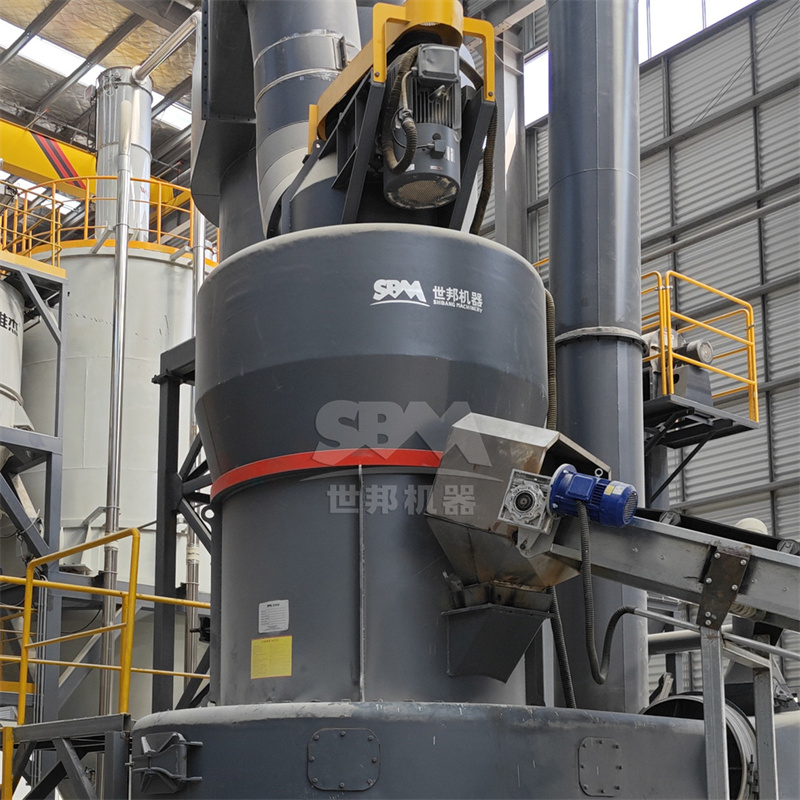
Figure 1: Industrial-scale kaolin processing facility for glass fiber additive production
Understanding Kaolin’s Role in Glass Fiber Manufacturing
Kaolin (Al₂Si₂O₅(OH)₄) is a hydrated aluminosilicate clay mineral that contributes several essential functions in glass fiber formulations:
- Thermal Stability Enhancement: Kaolin improves the thermal resistance of glass fiber composites, reducing deformation at elevated temperatures.
- Mechanical Reinforcement: Properly sized kaolin particles fill micro-voids within the fiber matrix, improving tensile strength and modulus.
- Electrical Insulation: Calcined kaolin provides excellent dielectric properties, making it valuable for electronic-grade glass fiber.
- Cost Optimization: As a functional extender, kaolin reduces the required volume of more expensive raw materials without sacrificing performance.
- Surface Chemistry Control: Kaolin influences sizing adhesion and fiber-matrix bonding characteristics.
To fulfill these roles effectively, kaolin additives typically require processing to a fineness range of 325 to 2500 mesh (approximately 45μm down to 5μm), with tight control over the top cut to eliminate coarse particles that could create structural defects in the final glass fiber product.
Key Equipment Requirements for Kaolin Additive Production
Selecting the right grinding equipment for kaolin additive production involves evaluating several critical factors:
1. Fineness and Particle Size Distribution
The ideal kaolin additive for glass fiber should have a narrow particle size distribution with a controlled maximum particle size. Equipment must deliver consistent output fineness with minimal variation.
2. Capacity and Scalability
Manufacturers need equipment that can scale from pilot production to full industrial output — often ranging from 0.5 tons per hour to 25+ tons per hour — without compromising product quality.
3. Energy Efficiency
Grinding is an energy-intensive process. Equipment that reduces energy consumption per ton of finished product directly improves operational profitability.
4. Contamination Control
Iron and other metallic contamination can degrade the electrical and optical properties of glass fiber. Wear-resistant materials and sealed systems are essential.
5. Environmental Compliance
Dust emissions and noise levels must comply with increasingly strict environmental regulations worldwide.
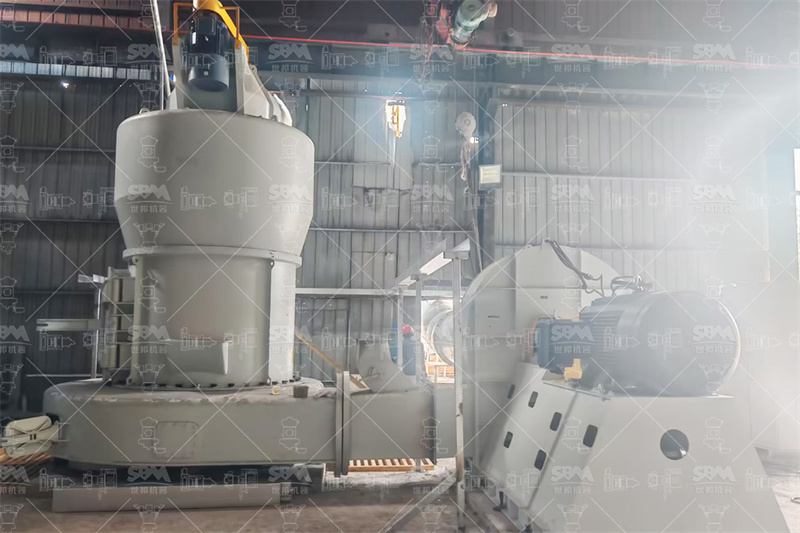
Figure 2: High-precision classifier and grinding roller assembly in an ultrafine mill
Recommended Equipment: SCM Series Ultrafine Mill
For manufacturers producing high-quality kaolin additives for glass fiber, the SCM Series Ultrafine Mill represents the industry benchmark for ultrafine grinding performance. This equipment is specifically engineered to deliver the precision, consistency, and efficiency that kaolin processing demands.
Core Parameters
- Input Size: ≤20mm
- Output Fineness: 325–2500 mesh (45–5μm)
- Capacity: 0.5–25 ton/h (depending on model)
Technical Advantages
High Efficiency & Energy Saving
- Capacity is 2x that of jet mills, with 30% lower energy consumption.
- Intelligent control system with automatic finished product granularity feedback ensures consistent output.
High-Precision Classification
- Vertical turbine classifier achieves precise particle size cutting at the desired mesh target.
- No coarse powder mixing, ensuring uniform finished products — critical for glass fiber additive specifications.
Durable Design
- Special material rollers and rings extend service life several times over compared to conventional wear parts.
- Shaftless screw grinding chamber ensures stable operation with minimal vibration.
Eco-friendly & Low Noise
- Pulse dust collection efficiency exceeds international standards, maintaining clean working environments.
- Soundproof room design ensures noise levels well within regulatory limits.
Available Models
| Model | Capacity (t/h) | Main Power (kW) | Feed Size (mm) | Fineness (mesh) |
|---|---|---|---|---|
| SCM800 | 0.5–4.5 | 75 | 0–20 | 325–2500 |
| SCM900 | 0.8–6.5 | 90 | 0–20 | 325–2500 |
| SCM1000 | 1.0–8.5 | 132 | 0–20 | 325–2500 |
| SCM1250 | 2.5–14 | 185 | 0–20 | 325–2500 |
| SCM1680 | 5.0–25 | 315 | 0–20 | 325–2500 |
The SCM Series is particularly well-suited for kaolin processing because its vertical turbine classifier can be precisely adjusted to achieve the narrow particle size distribution required for glass fiber additives. The intelligent feedback system continuously monitors output fineness, automatically adjusting parameters to maintain specification — a critical advantage when producing consistent, high-value kaolin additives.
Alternative Solution: LUM Ultrafine Vertical Roller Mill
For manufacturers seeking a vertically integrated grinding solution with additional operational benefits, the LUM Ultrafine Vertical Roller Mill offers an excellent alternative or complement to the SCM Series.
Core Parameters
- Feed Size: 0–20mm
- Output Fineness: 325–2500 mesh
Technical Advantages
- Efficient Grinding: Unique roller and liner curves improve grinding efficiency and reduce specific energy consumption.
- Precise Classifying: Multi-rotor classification technology ensures no coarse particles escape to the finished product.
- Smart Control: PLC automation system provides stable, unattended operation with real-time parameter monitoring.
- Environmental Compliance: Negative pressure operation prevents dust leakage, maintaining a clean production environment.
Available Models
| Model | Power (kW) | Capacity (t/h) | Fineness (μm) |
|---|---|---|---|
| LUM1525 | 220–250 | 1.6–11.5 | 5–30 |
| LUM1632 | 280–315 | 2–13.5 | 5–30 |
| LUM1836 | 355–400 | 2.3–15 | 5–30 |
The LUM series is ideal for manufacturers who prefer a vertical mill configuration with integrated grinding and classification in a single compact unit. Its ability to produce consistent ultrafine kaolin at high capacity makes it a strong candidate for large-scale glass fiber additive production.
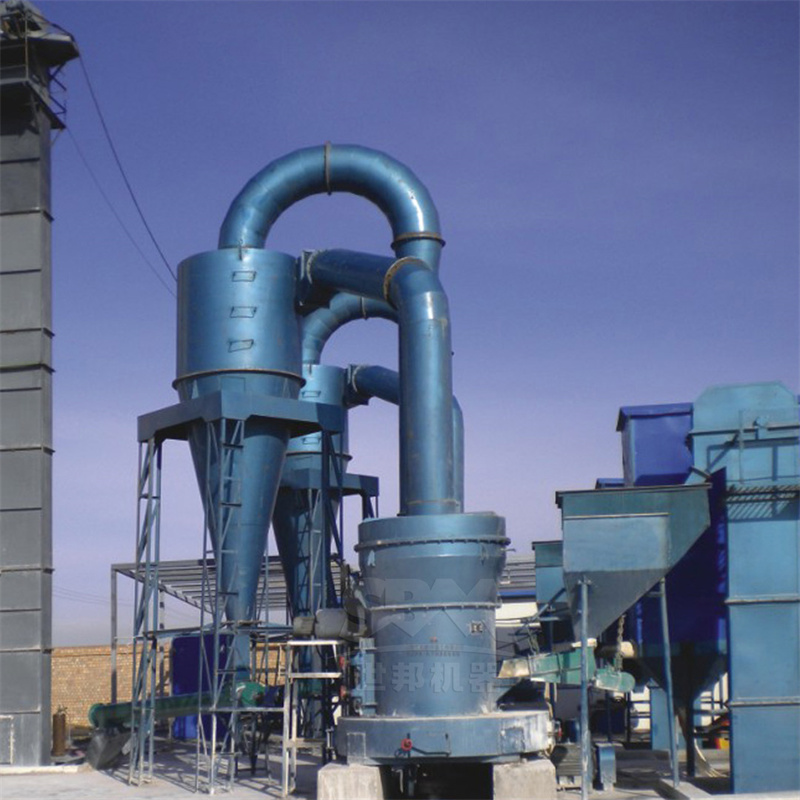
Figure 3: LUM Ultrafine Vertical Roller Mill during kaolin processing
Comparing Grinding Technologies for Kaolin Additives
When selecting equipment for kaolin additive production, manufacturers should consider the following comparison:
| Factor | SCM Ultrafine Mill | LUM Vertical Roller Mill | Jet Mill | Ball Mill |
|---|---|---|---|---|
| Fineness Range | 325–2500 mesh | 325–2500 mesh | Up to 5000 mesh | Down to 200 mesh |
| Capacity | 0.5–25 t/h | 1.6–15 t/h | Low | High |
| Energy Consumption | Low | Low | Very High | High |
| Contamination Risk | Low | Low | Very Low | Medium-High |
| Footprint | Compact | Very Compact | Large | Very Large |
Best Practices for Kaolin Additive Production
To maximize product quality and operational efficiency, manufacturers producing kaolin additives for glass fiber should follow these best practices:
1. Raw Material Preparation
Ensure kaolin feedstock is properly dried and pre-crushed to ≤20mm before feeding into the mill. Moisture content should be controlled to prevent clogging and ensure consistent grinding performance.
2. Classification Optimization
Regularly calibrate the classifier to maintain the target particle size distribution. For glass fiber additives, the key specification is often the d97 (97% passing size), which should be tightly controlled to prevent coarse particle defects.
3. Wear Part Management
Implement a preventive maintenance schedule for grinding rollers and rings. Wear parts should be inspected regularly and replaced before they affect product quality or throughput.
4. Quality Control
Install inline particle size analyzers to continuously monitor output fineness. The SCM Series’ automatic granularity feedback system provides this capability natively, reducing the need for manual sampling and testing.
5. Environmental Management
Ensure dust collection systems are properly maintained and meet local emission standards. Pulse dust collectors should be inspected regularly for filter integrity and cleaning efficiency.
Conclusion: Choosing the Right Partner for Kaolin Additive Production
The production of high-quality kaolin additives for glass fiber requires a careful balance of equipment capability, operational efficiency, and product consistency. The SCM Series Ultrafine Mill and LUM Ultrafine Vertical Roller Mill both offer manufacturers proven solutions for achieving the ultrafine, uniform particle size distributions that glass fiber applications demand.
With fineness capabilities extending to 2500 mesh, energy-efficient designs that reduce operating costs by up to 30%, and intelligent control systems that ensure consistent product quality, these mills represent the most advanced grinding technology available for kaolin processing today.
For manufacturers looking to establish or expand their kaolin additive production capabilities, investing in the right grinding equipment is not just a capital decision — it is a strategic decision that directly impacts product quality, customer satisfaction, and long-term competitiveness in the glass fiber supply chain.
For more information on selecting the optimal grinding solution for your kaolin additive production line, contact our technical team for a customized consultation and equipment recommendation.