
Introduction: The Critical Role of Equipment Selection in Bituminous Coal Processing
Bituminous coal, also known as soft coal, is the most abundant and widely used type of coal worldwide. With its relatively high volatile matter content, moderate moisture levels, and favorable combustion characteristics, bituminous coal is a cornerstone fuel for power generation, cement production, steel manufacturing, and various industrial heating applications. However, raw bituminous coal extracted from mines rarely meets the stringent specifications required for direct end-use. It must undergo a series of processing steps — crushing, drying, and grinding — to achieve the desired particle size distribution, moisture content, and fineness.
Selecting the right combination of crushers, dryers, and grinding mills is one of the most consequential decisions a coal plant manager or project engineer will make. The wrong equipment can lead to inefficiencies, excessive energy consumption, frequent downtime, and ultimately, significant financial losses. This comprehensive guide walks you through the key considerations for choosing the optimal equipment for your bituminous coal processing plant, covering everything from primary crushing to ultrafine pulverization.
Understanding Bituminous Coal Characteristics and Their Impact on Equipment Selection
Before diving into specific equipment types, it is essential to understand the properties of bituminous coal that directly influence equipment selection:
- Moisture Content: Raw bituminous coal typically contains 5–15% surface moisture. High moisture levels cause material to stick, clog, and bridge in chutes, crushers, and mills. Drying may be necessary before or during grinding.
- Hardness (HGI): The Hardgrove Grindability Index (HGI) for bituminous coal typically ranges from 40 to 100. Lower HGI values indicate harder coal that requires more grinding energy.
- Volatile Matter: Bituminous coal has volatile matter content between 15% and 45%. High volatile matter increases the risk of spontaneous combustion and dust explosions, requiring special safety measures in crushers, dryers, and mills.
- Abrasiveness: Coal with high ash and silica content is more abrasive and accelerates wear on grinding surfaces.
- Required Fineness: Different end-use applications demand different fineness levels. Pulverized coal injection (PCI) for blast furnaces typically requires 200 mesh (74 μm) passing 70–80%, while cement kiln fuel may require 200 mesh passing 85–90%.
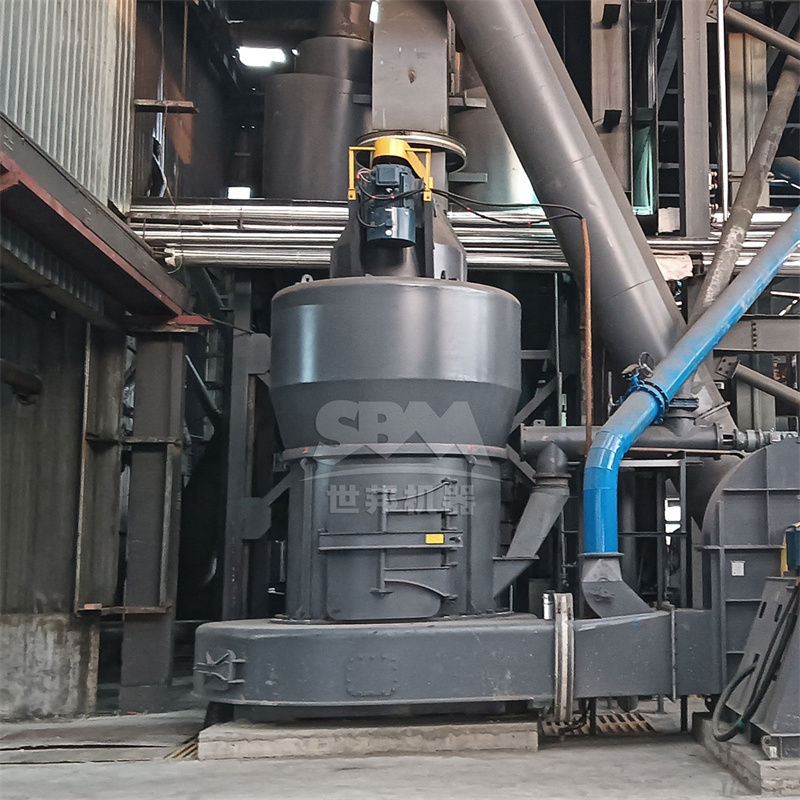
Crushers: The First Stage of Size Reduction
Crushers reduce run-of-mine (ROM) bituminous coal from as large as 300–500 mm down to below 25–50 mm, preparing it for subsequent grinding or drying. The choice of crusher depends on feed size, required product size, capacity, and coal characteristics.
Hammer Mills: Versatile Primary and Secondary Crushers
Hammer mills are among the most widely used crushers in coal processing. They operate on the principle of impact: high-speed rotating hammers strike the material, shattering it against the breaker plates and grate bars. Qualified particles pass through the bottom screen, while oversized material is re-crushed.
Key Advantages of Hammer Mills for Bituminous Coal:
- High reduction ratio (up to 300:1 in some configurations)
- Compact structure with a small footprint and low investment cost
- Wear-resistant high-manganese steel liners for extended service life
- Simple operation and easy maintenance
- Effective handling of coal with moderate moisture content
Typical Specifications:
- Feed Size: 0–40 mm
- Output Size: 0–3 mm
- Capacity Range: 8–70 t/h depending on model
- Models: PC4008-75 (8–15 t/h, 75 kW), PC4012-90 (15–40 t/h, 90 kW), PC4015-132 (40–70 t/h, 132 kW)
For plants requiring an initial reduction stage before fine grinding, a hammer mill is an excellent choice. When your coal plant needs a reliable primary crusher that balances capacity, output fineness, and operational simplicity, our hammer mill series delivers consistent performance with minimal maintenance requirements.
Dryers: Managing Moisture for Optimal Grinding Efficiency
Moisture control is crucial in bituminous coal processing. Excessive moisture causes balling and agglomeration in grinding mills, reduces classifier efficiency, and increases the risk of spontaneous combustion in storage. While some modern grinding mills (such as vertical roller mills) integrate drying into the grinding process using hot gas, dedicated dryers may still be required for high-moisture coals or when using ball mills or other grinding technologies.
Types of Coal Dryers
1. Rotary Dryers: The most common type for coal processing. A large rotating cylinder through which hot gases pass, lifting and cascading the coal to maximize heat transfer. Rotary dryers can handle high throughputs (up to 200 t/h) and reduce moisture from 15–20% to below 5%.
2. Fluidized Bed Dryers: Coal particles are suspended in an upward-flowing stream of hot air, creating a fluidized bed that provides excellent heat transfer and uniform drying. These are highly efficient but require precise control of air velocity and temperature.
3. Flash Dryers: Fine coal particles are entrained in a high-velocity hot gas stream and dried almost instantaneously. Ideal for fine coal fractions and often integrated with grinding circuits.
Key Considerations for Dryer Selection:
- Initial and final moisture content required
- Throughput capacity and available thermal energy source
- Risk of coal dust explosion (requires explosion venting, inert gas systems, and temperature monitoring)
- Integration with downstream grinding equipment
- Energy efficiency and heat recovery potential
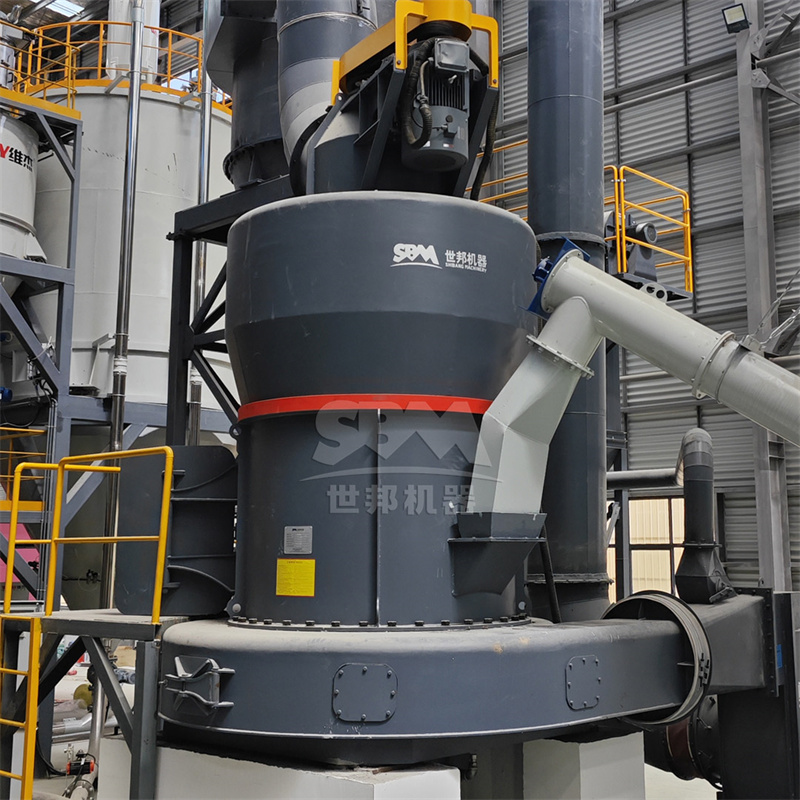
Grinding Mills: The Heart of Bituminous Coal Pulverization
Grinding is the most energy-intensive step in coal processing and has the greatest impact on final product quality and operational costs. The choice of grinding mill affects fineness, capacity, energy consumption, maintenance requirements, and system complexity.
Vertical Roller Mills: The Industry Standard for Coal Grinding
Vertical roller mills (VRMs) have become the dominant technology for bituminous coal grinding in the cement and power industries. They integrate grinding, drying, and classification into a single compact unit, offering significant advantages over traditional ball mills.
Our LM Series Vertical Roller Mill represents the state of the art in coal grinding technology. The LM Vertical Coal Mill Series (LM80M to LM280M) is specifically designed for pulverized coal preparation, with capacity ranging from 3 to 90 t/h and fineness adjustable from 5% to 20% residue on 90 μm (approximately 200 mesh).
Outstanding Features of the LM Series for Bituminous Coal:
- Integrated Design: Crushing, grinding, drying, and classification are combined in one system, reducing floor space by 50% and allowing outdoor installation that cuts infrastructure costs by 40%.
- Low Operating Cost: The non-contact design between grinding rollers and the grinding table means wear parts last three times longer than those in ball mill systems. Energy consumption is 30–40% lower than equivalent ball mill circuits.
- Intelligent Control: An expert-level automatic control system supports both remote and local operation, with real-time monitoring of all critical parameters to minimize manual intervention.
- Environmental Compliance: Fully sealed negative pressure operation ensures dust emissions are well below regulatory limits. Operating noise is also significantly reduced.
- Safety Features: For high-volatile bituminous coal, the LM coal mill incorporates inert gas systems, temperature monitoring, and explosion-proof designs to mitigate fire and explosion risks.
How the LM Series Works:
The main motor drives the grinding table via a heavy-duty reducer. Raw coal enters through the central feed port and spreads evenly across the table surface under centrifugal force. Hydraulically loaded grinding rollers apply pressure to crush the coal bed. Hot air enters from the periphery, drying the coal as it is lifted toward the dynamic classifier. Fine particles passing the classifier are collected by the bag filter or electrostatic precipitator, while coarse particles fall back onto the grinding table for further reduction.
Model Specifications for Coal (LM Coal Mill Series):
- LM80M: 3–10 t/h, 55–75 kW
- LM110M: 5–18 t/h, 110–160 kW
- LM140M: 8–28 t/h, 200–280 kW
- LM170M: 12–45 t/h, 315–450 kW
- LM220M: 20–65 t/h, 560–710 kW
- LM280M: 30–90 t/h, 800–900 kW
Note: Actual capacities depend on coal grindability, moisture, and required fineness.
MTW Series European Trapezium Mill: Precision Grinding for Diverse Coal Applications
For coal processing operations requiring a wider range of product fineness — from 30 mesh down to 325 mesh (0.038 mm) — the MTW Series European Trapezium Mill offers exceptional flexibility and performance. This mill is particularly well-suited for coal beneficiation plants, activated carbon production, and industrial coal powder preparation where precise fineness control is paramount.
Technical Highlights of the MTW Series:
- Anti-wear Shovel Design: Combined shovel blades reduce maintenance costs, while the curved design extends grinding roller life.
- Optimized Arc Air Duct: Reduces airflow energy loss and improves transmission efficiency. High-strength guard plates protect the air duct working surface.
- Integral Bevel Gear Drive: Transmission efficiency up to 98%, saving space and reducing installation costs.
- Wear-resistant Volute Structure: Non-resistance flow design improves air selection efficiency and reduces maintenance costs by 30%.
Model Specifications:
- MTW110: 3–9 t/h, 55 kW main motor
- MTW138Z: 6–17 t/h, 90 kW main motor
- MTW175G: 9.5–25 t/h, 160 kW main motor
- MTW215G: 15–45 t/h, 280 kW main motor
The MTW Series is an excellent choice when your coal plant requires medium-fine grinding with the flexibility to adjust product fineness across a broad range. Its robust construction and advanced wear protection make it ideal for processing bituminous coal with varying ash and abrasive content.
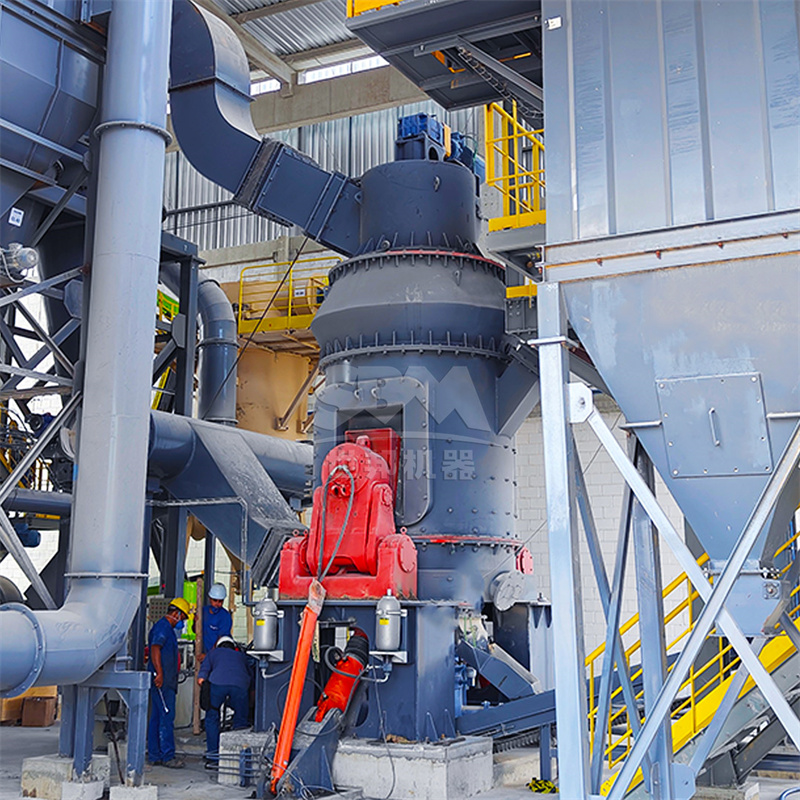
SCM Series Ultrafine Mill: When Ultrafine Coal Powder Is Required
For specialized applications such as activated carbon production, coal-based carbon materials, or ultrafine pulverized coal for advanced combustion systems, the SCM Series Ultrafine Mill delivers outstanding performance. With output fineness ranging from 325 to 2500 mesh (45–5 μm) and capacity from 0.5 to 25 t/h, this mill achieves precise particle size distribution that meets the most demanding specifications.
Key Features:
- Capacity is twice that of jet mills, with 30% lower energy consumption
- Intelligent control with automatic finished product granularity feedback
- Vertical turbine classifier for precise particle size cutting — no coarse powder mixing
- Special material rollers and rings extend service life several times over
- Pulse dust collection efficiency exceeds international standards
- Soundproof room design ensures low noise levels
Ball Mills: Traditional Reliability for Large-Scale Coal Grinding
While vertical roller mills have largely replaced ball mills in new coal grinding installations, ball mills remain in service in many existing plants and are still selected for certain applications requiring very fine grinding or where the coal is particularly hard and abrasive. Our Ball Mill series offers capacities from 0.65 to 450 t/h with output fineness from 0.074 to 0.8 mm. Key advantages include wide application (dry/wet modes), high crushing ratio (up to 300:1), and proven reliability with reduced downtime.
Putting It All Together: Designing the Optimal Coal Processing Circuit
A well-designed bituminous coal processing circuit typically consists of the following stages:
- Primary Crushing: A hammer mill or jaw crusher reduces ROM coal to below 25–50 mm.
- Secondary Crushing (Optional): A hammer mill or impact crusher further reduces coal to below 3–10 mm, depending on the grinding mill’s feed size requirement.
- Drying (If Required): A rotary dryer or integrated mill drying system reduces surface moisture to below 2–5%.
- Grinding and Classification: A vertical roller mill, trapezium mill, or ball mill pulverizes the coal to the required fineness, with an integrated or separate classifier ensuring precise product quality.
- Product Collection: Bag filters, cyclones, or electrostatic precipitators collect the finished coal powder.
- Storage and Transport: Finished coal powder is stored in silos equipped with inert gas blanketing and temperature monitoring for safety.
Key Selection Criteria Summary
| Consideration | Hammer Mill | LM Vertical Mill | MTW Trapezium Mill | Ball Mill |
|---|---|---|---|---|
| Feed Size | 0–40 mm | ≤50 mm | ≤50 mm | ≤25 mm |
| Product Fineness | 0–3 mm | 30–325 mesh | 30–325 mesh | 0.074–0.8 mm |
| Capacity | 8–70 t/h | 3–90 t/h | 3–45 t/h | 0.65–450 t/h |
| Energy Efficiency | High | Very High | High | Moderate |
| Footprint | Small | Compact | Moderate | Large |
| Maintenance | Low | Low | Low–Moderate | Moderate–High |
| Drying Integration | No | Yes | Limited | No |
Conclusion: Partnering for Success in Bituminous Coal Processing
Choosing the right crusher, dryer, and grinding mill for your bituminous coal plant is a multifaceted decision that requires careful consideration of coal characteristics, product requirements, capacity targets, energy costs, and environmental regulations. The equipment must not only meet today’s production needs but also provide the flexibility and reliability to adapt to future changes in feed quality and product specifications.
Our company offers a comprehensive portfolio of coal processing equipment — from hammer mills and rotary dryers to LM vertical roller mills, MTW trapezium mills, SCM ultrafine mills, and ball mills — all designed with the latest technology to deliver superior performance, energy efficiency, and environmental compliance. Whether you are building a new coal processing facility or upgrading an existing plant, our experienced engineering team can help you design the optimal circuit configuration tailored to your specific requirements.
Contact us today to discuss your bituminous coal processing project and discover how our advanced equipment solutions can maximize your plant’s productivity and profitability.