
Introduction: The Art and Science of Craft Plaster Processing
Craft plaster, including gypsum, lime plaster, and specialty decorative blends, has been a cornerstone of interior and exterior finishing for centuries. In recent years, the resurgence of interest in artisanal plasterwork—from Venetian plaster to sculptural reliefs—has created a growing demand for small to medium-scale processing workshops that can produce high-quality, consistent raw material powders. Whether you are setting up a new workshop or expanding an existing production line, choosing the right grinding mill is arguably the most critical decision you will make.
The wrong mill can leave you with inconsistent particle size, excessive energy costs, high maintenance downtime, or a product that simply doesn’t meet the finesse your customers expect. This article provides a comprehensive guide to selecting the ideal grinding equipment for craft plaster raw material processing, covering key considerations, equipment types, and real-world recommendations from our product portfolio.
Understanding Craft Plaster Raw Materials
Before diving into mill selection, it’s essential to understand the materials you’ll be processing. Craft plasters are typically based on:
- Gypsum (Calcium Sulfate Dihydrate): Used for fine decorative plaster, molds, and casts. Requires gentle grinding to preserve crystal structure.
- Lime (Calcium Oxide/Hydroxide): Used in traditional plaster and render. Needs controlled fineness for proper carbonation.
- Clay and Kaolin: Additives for plasticity and workability.
- Marble and Dolomite: Used as fillers and aggregates in high-end plasters.
- Specialty Minerals: Such as mica, silica, and pigments for color and texture.
Each material has different hardness, moisture content, and desired final fineness. For craft plaster, the typical output fineness ranges from 45 to 2500 mesh (roughly 300 to 5 microns), depending on the application. For example, base coat plasters may require 30-80 mesh, while fine finish plasters and Venetian plaster demand 325-1250 mesh or even finer.
Key Factors in Choosing a Grinding Mill
1. Required Output Fineness
The single most important parameter is the final particle size. Craft plaster for fine artistic work often requires ultrafine grinding (below 45 microns). If your workshop produces only coarse base coats, a hammer mill or ball mill may suffice. However, for high-end decorative plasters, you need a mill capable of consistent ultrafine output.
2. Capacity and Scalability
Workshop scale varies dramatically. A small artisan studio might process 0.5-2 tons per hour, while a semi-industrial workshop may need 5-25 tons per hour. Choose a mill with a capacity range that matches your current needs but offers some room for growth.
3. Material Hardness and Abrasiveness
Gypsum and lime are relatively soft (Mohs 2-3), but marble and dolomite can be harder (Mohs 3-4). Abrasive materials accelerate wear on grinding rollers and rings. Mills with wear-resistant materials and designs that minimize metal-to-metal contact are preferred.
4. Energy Efficiency
Energy costs can account for 30-50% of operating expenses in grinding. Ultrafine grinding especially consumes significant power. Choose a mill with high grinding efficiency and intelligent control to reduce energy per ton.
5. Maintenance and Downtime
In a workshop setting, unexpected downtime can cripple productivity. Look for mills with easy access to grinding elements, long wear life, and readily available spare parts. Lubrication systems that are automatic or require minimal attention are a plus.
6. Dust and Noise Control
Craft plaster processing can generate fine dust, which is a health hazard and environmental concern. Modern mills should be equipped with efficient pulse dust collection and soundproofing. Negative pressure operation prevents dust leakage.
7. Budget and ROI
Initial investment, installation costs, and ongoing operating costs must be balanced. A higher-priced mill with lower energy consumption and longer wear life may offer a better return on investment over 3-5 years.
Types of Grinding Mills Suitable for Craft Plaster
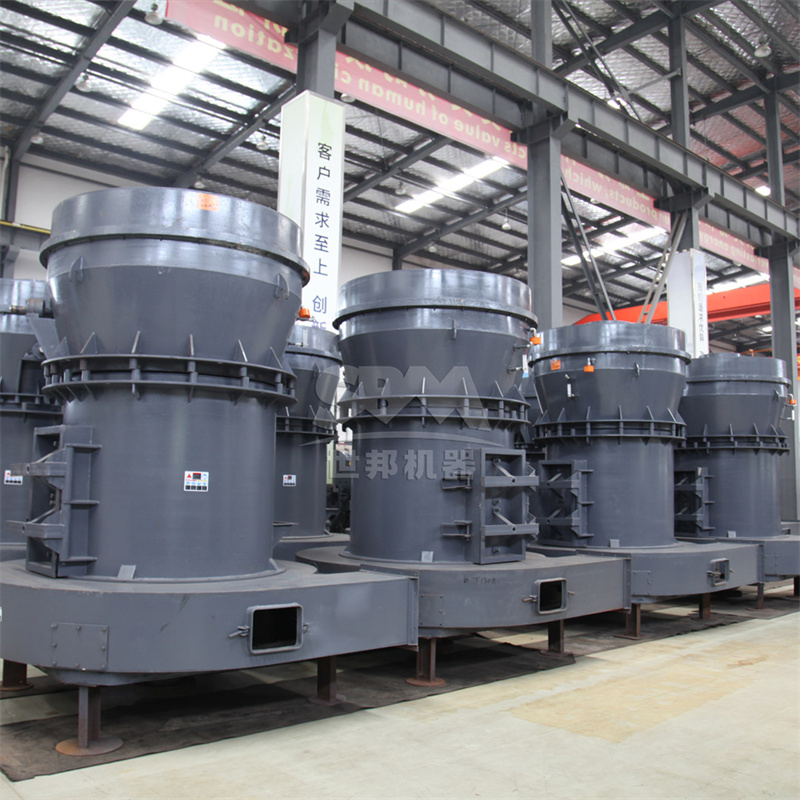
Several mill types are commonly used in plaster processing. Here’s a comparative overview:
Hammer Mill
Best for: Coarse crushing (0-3mm) of raw gypsum, lime, or marble before fine grinding.
Pros: High capacity, compact, low investment.
Cons: Cannot produce fine powder directly; often used as a pre-crusher.
Ball Mill
Best for: Medium to fine grinding (0.074-0.8mm) with high capacity.
Pros: Wide application, high crushing ratio, reliable.
Cons: High energy consumption, large footprint, noise.
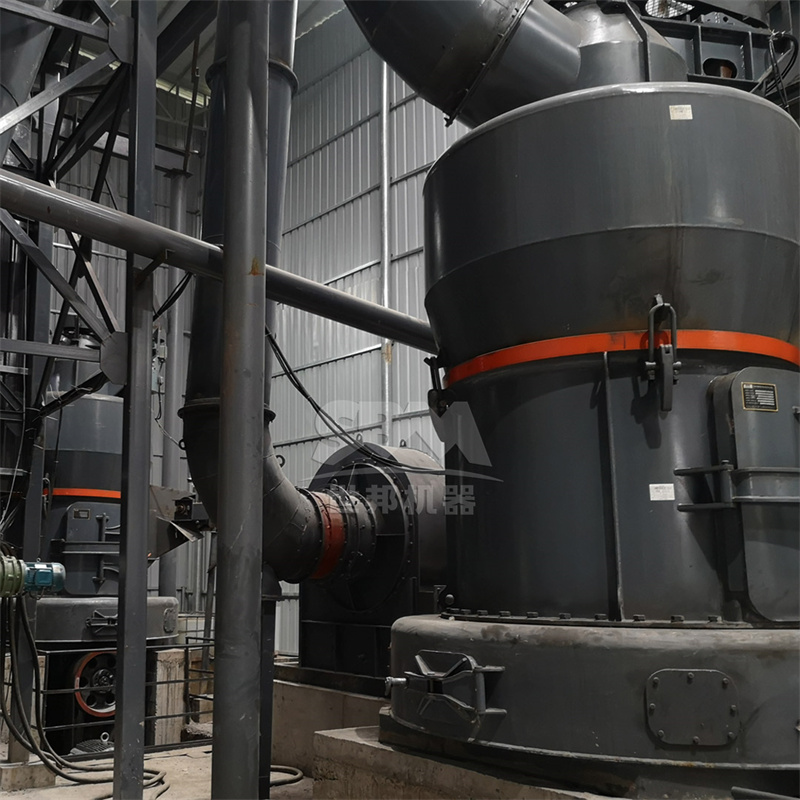
MTM Medium-speed Trapezium Mill
Best for: General grinding to 45-325 mesh.
Pros: Intelligent pressure regulation, good for abrasive materials.
Cons: Not suitable for ultrafine below 45 microns.
MTW European Trapezium Mill
Best for: Fine grinding to 30-325 mesh (down to 45μm).
Pros: Anti-wear shovel design, integral bevel gear drive, low maintenance.
Cons: Limited ultrafine capability.
LM Vertical Roller Mill
Best for: Large-scale grinding to 30-325 mesh (up to 600 mesh for special models).
Pros: Integrated design, low operating cost, intelligent control.
Cons: Higher initial investment; better for higher capacities.
LUM Ultrafine Vertical Roller Mill
Best for: Ultrafine grinding to 325-2500 mesh.
Pros: Efficient grinding, precise classifying, smart control.
Cons: Premium price, but ideal for high-end plaster.
SCM Series Ultrafine Mill
Best for: Ultrafine grinding to 325-2500 mesh with high efficiency.
Pros: 2x capacity of jet mills, 30% lower energy, intelligent feedback, durable design.
Cons: Requires careful feeding size control (≤20mm).
Recommended Products for Craft Plaster Workshops
Based on our extensive experience in mineral processing and the specific needs of craft plaster production, we recommend two outstanding mills from our portfolio: the SCM Series Ultrafine Mill and the MTW Series European Trapezium Mill. Both are engineered to deliver exceptional performance, reliability, and product quality.
SCM Series Ultrafine Mill: The Ultimate for Fine Decorative Plasters
If your workshop specializes in high-end Venetian plaster, fine finish coats, or artistic plasters requiring particle sizes below 45 microns, the SCM Series Ultrafine Mill is your ideal choice. It produces fineness from 325 to 2500 mesh (45-5μm) with capacities from 0.5 to 25 tons per hour, depending on the model.
Why SCM stands out:
- High Efficiency & Energy Saving: Capacity is twice that of jet mills, with 30% lower energy consumption. The intelligent control system provides automatic finished product granularity feedback, ensuring consistent quality.
- High-Precision Classification: The vertical turbine classifier achieves precise particle size cutting, with no coarse powder mixing. This guarantees uniform finished products—critical for color and texture consistency in decorative plasters.
- Durable Design: Special material rollers and rings extend service life several times over. The shaftless screw grinding chamber ensures stable operation with minimal vibration.
- Eco-friendly & Low Noise: Pulse dust collection efficiency exceeds international standards. The soundproof room design keeps noise levels low, creating a better working environment.
Models range from SCM800 (0.5-4.5 t/h) to SCM1680 (5-25 t/h), with main power from 75kW to 315kW. For a typical craft plaster workshop producing 2-5 tons per hour of 1250 mesh powder, the SCM1000 or SCM1250 would be an excellent fit.
MTW Series European Trapezium Mill: Versatile and Cost-Effective for Medium-Fine Plasters
For workshops that produce a range of plaster products—from base coats to fine finishes—the MTW Series European Trapezium Mill offers outstanding versatility. It grinds to 30-325 mesh (down to 0.038mm) with capacities from 3 to 45 tons per hour.
Key advantages of MTW:
- Anti-wear Shovel Design: Combined shovel blades reduce maintenance costs, while the curved design extends grinding roller life.
- Optimized Arc Air Duct: Reduces airflow energy loss and improves transmission efficiency, with high-strength guard plates protecting the working surface.
- Integral Bevel Gear Drive: Transmission efficiency up to 98%, saving space and reducing installation costs.
- Wear-resistant Volute Structure: Non-resistance flow design improves air selection efficiency, reducing maintenance costs by 30%.
Models such as MTW110Z (3-10 t/h) and MTW138Z (6-17 t/h) are ideal for small to medium workshops. For larger operations, the MTW215G (15-45 t/h) delivers impressive capacity. The MTW mill is particularly effective for processing gypsum and lime, and it can also handle marble and dolomite with ease.
How to Match Mill Selection to Your Workshop’s Needs
To make the right choice, follow this step-by-step approach:
- Define Your Product Range: List the types of craft plaster you produce and their required fineness. If you need below 45 microns, prioritize SCM or LUM. If 45-325 mesh covers your range, MTW or MTM may suffice.
- Estimate Production Capacity: Calculate your daily or weekly output in tons. Add 20-30% for future growth. This determines the model size.
- Assess Material Characteristics: Test the hardness, moisture, and abrasiveness of your raw materials. For high-moisture materials, you may need a drying system before grinding.
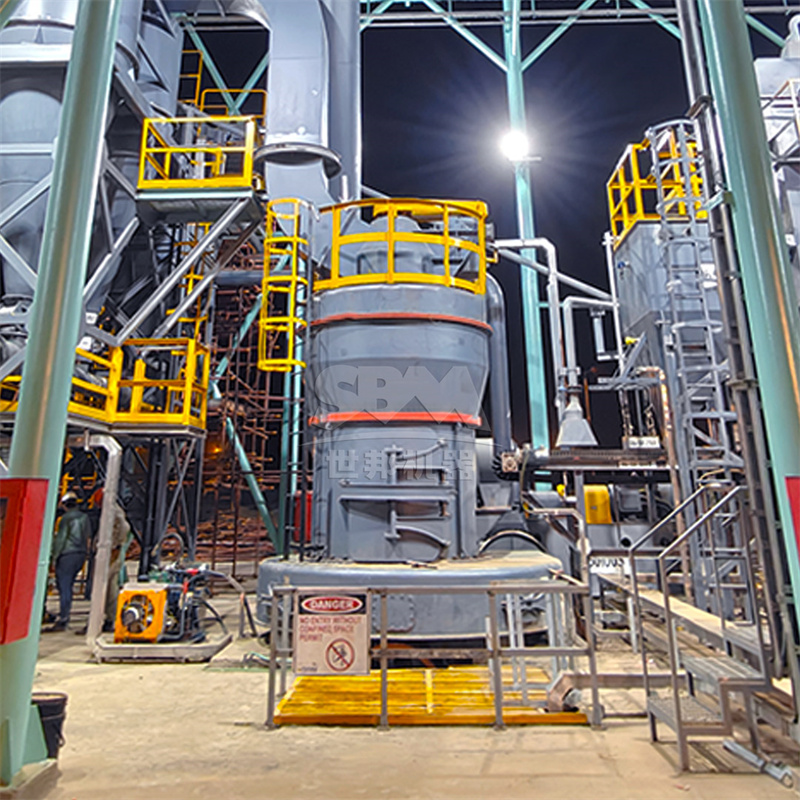
- Evaluate Infrastructure: Check available power supply (voltage, phase), floor space, and ceiling height. Vertical mills like SCM and LM require less floor space but more height.
- Consider Automation: If labor is scarce or you want consistent quality, choose a mill with PLC control and automatic feedback systems.
- Request a Trial: Whenever possible, test your material in the candidate mill. Most reputable suppliers offer laboratory or pilot-scale testing.
Installation and Maintenance Tips
Once you’ve selected your mill, proper installation and maintenance are key to long-term success:
- Foundation: Ensure a solid, level foundation to minimize vibration. Vertical mills may require special foundation designs.
- Dust Collection: Invest in a high-quality pulse dust collector. It protects your workers and the environment, and it recovers valuable fines.
- Lubrication: Follow the manufacturer’s schedule. Automatic lubrication systems (like those in the MTW and LM series) reduce labor and prevent premature wear.
- Wear Parts: Keep a stock of critical wear parts (rollers, rings, shovels) to minimize downtime. Choose original manufacturer parts for best fit and life.
- Training: Ensure operators are trained on startup, shutdown, and emergency procedures. Intelligent control systems can simplify operation but require understanding.
Conclusion: Invest Wisely for Quality and Productivity
Choosing the right grinding mill for your craft plaster workshop is a strategic decision that impacts product quality, operating costs, and customer satisfaction. For ultrafine, high-end plasters, the SCM Series Ultrafine Mill offers unmatched efficiency and precision. For versatile, medium-fine production, the MTW Series European Trapezium Mill provides excellent value and reliability.
We encourage you to evaluate your specific needs, consult with our engineers, and consider a trial run. With the right equipment, your workshop can produce consistent, beautiful craft plaster that meets the highest standards of the trade. Remember, the goal is not just to grind material—it’s to create the foundation for art.
For more information on our full range of mills and to discuss your project, please contact our technical sales team today.