
Introduction: The Role of Quartz in Plastic Masterbatch and Compounds
Quartz stone, with its high hardness, chemical inertness, and thermal stability, has become an increasingly popular functional filler in the plastics industry. When micronized to fine or ultrafine particle sizes, quartz powder serves as an effective additive in filler masterbatch and plastic compounds, improving mechanical strength, dimensional stability, and thermal resistance while reducing production costs. However, the performance of quartz-based additives depends heavily on particle size distribution, purity, and surface morphology—factors that are directly influenced by the choice of grinding equipment.
Selecting the right grinding mill for quartz stone processing is therefore a critical decision for manufacturers of filler masterbatch and plastic compounds. This article examines the technical requirements of quartz grinding for plastic applications and provides a detailed guide to choosing the most suitable mill, with reference to several industry-proven solutions.
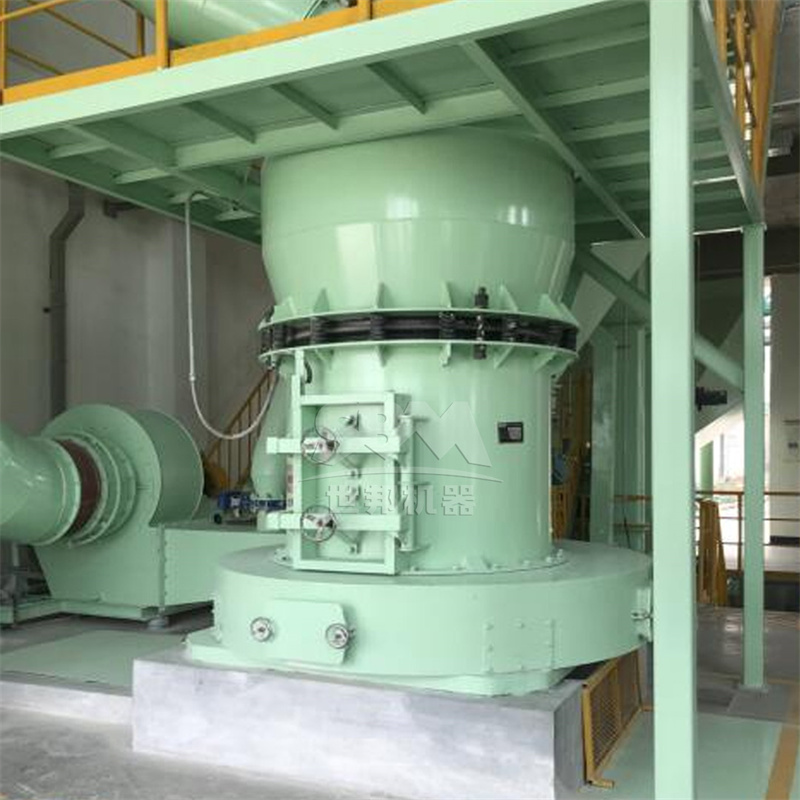
Key Requirements for Quartz Additives in Plastics
Quartz fillers used in plastic masterbatch and compounds must meet specific quality criteria:
- Particle Size: Typically 325 to 2500 mesh (45–5 μm) for fine fillers, and down to 5 μm for ultrafine grades that enhance mechanical properties.
- Particle Size Distribution: Narrow distribution with minimal coarse particles to ensure uniform dispersion and avoid surface defects.
- Purity: Low contamination from grinding media wear, as iron and other impurities can affect color and electrical properties.
- Moisture Content: Low moisture to prevent bubbles and degradation during plastic processing.
- Surface Characteristics: Controlled surface area and morphology for good compatibility with polymer matrices.
These requirements place stringent demands on the grinding mill: it must deliver high fineness, precise classification, minimal contamination, and stable operation at high throughput.
Grinding Mill Technologies for Quartz Processing
Several types of grinding mills are used for quartz stone processing, each with distinct advantages and limitations. The most common include:
1. Ball Mills
Ball mills are traditional workhorses for fine grinding. They can handle large capacities and achieve fineness down to 0.074 mm (200 mesh) or finer in closed-circuit configuration. However, ball mills are energy-intensive, have high wear rates, and are less suitable for producing the ultrafine, narrow-distribution powders required for high-performance plastic additives.
2. Raymond Mills (Pendulum Mills)
Raymond mills, also known as pendulum mills, are widely used for producing 45–325 mesh powders. They are robust and relatively economical. However, conventional models struggle to reach ultrafine sizes below 20 μm with high efficiency, and classification precision may be insufficient for demanding plastic applications.
3. Hammer Mills
Hammer mills are used for coarse crushing (0–3 mm) and are typically employed as pre-grinding equipment before fine grinding. They are not suitable for producing the fine powders needed for masterbatch.
4. Vertical Roller Mills
Vertical roller mills (VRMs) have gained popularity for their high efficiency and ability to grind and classify in one unit. They can produce fine powders with relatively low energy consumption. However, for ultrafine quartz below 10 μm, specialized designs are needed.
5. Ultrafine Mills (Jet Mills, Stirred Media Mills, and Specialized Roller Mills)
For ultrafine quartz (d50 < 5 μm) with narrow distribution, jet mills and stirred media mills are often used. Jet mills offer contamination-free grinding but have high energy consumption and limited capacity. Stirred media mills can achieve very fine sizes but require careful media management to avoid contamination.
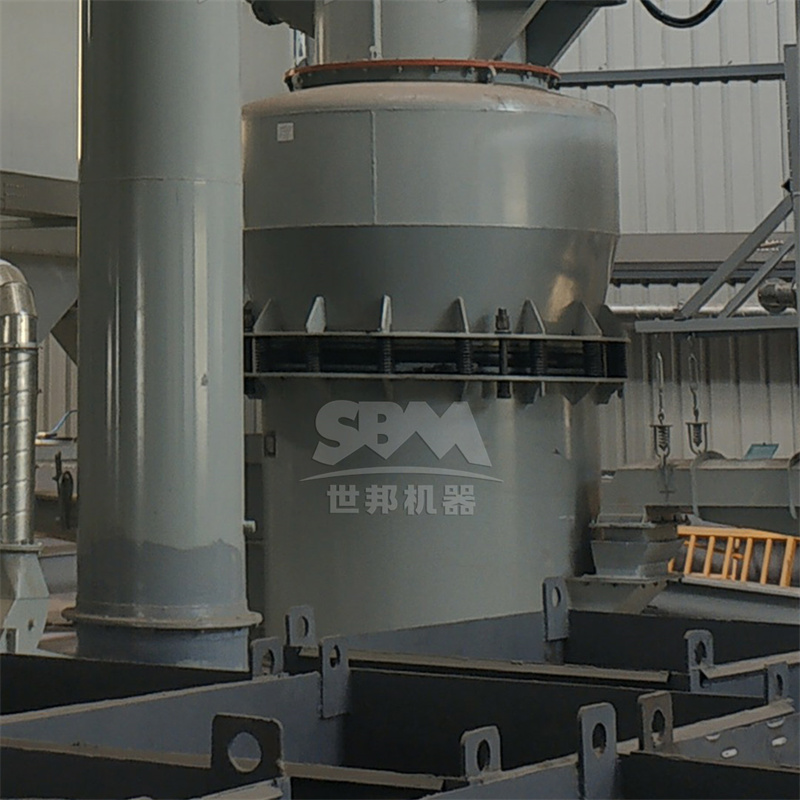
Recently, advanced roller mills with high-precision classifiers have emerged as a compelling alternative, combining the capacity of roller mills with the fineness of jet mills. One such solution is the SCM Series Ultrafine Mill, which is specifically engineered for producing 325–2500 mesh powders with high efficiency.
How to Choose the Right Grinding Mill: A Step-by-Step Guide
Selecting the optimal grinding mill for quartz filler masterbatch requires a systematic evaluation of several factors:
Step 1: Define the Target Particle Size and Distribution
Determine the required fineness (e.g., 800 mesh, 1250 mesh, or 2500 mesh) and the acceptable particle size distribution. For plastic compounds, a narrow distribution with a top-cut (D97) is often specified. The mill’s classifier must be capable of precise cut points.
Step 2: Assess Capacity Requirements
Production scale dictates the mill’s capacity. Small-scale masterbatch producers may need 0.5–5 t/h, while large compound manufacturers may require 10–25 t/h or more. The mill should be sized to meet current demand with room for expansion.
Step 3: Evaluate Energy Efficiency
Grinding is energy-intensive. The mill’s specific energy consumption (kWh per ton of product) is a major cost factor. Ultrafine grinding typically consumes more energy, but advanced designs can reduce consumption by 30% or more compared to traditional mills.
Step 4: Consider Contamination and Wear
Quartz is highly abrasive. Grinding media and liners must be made of wear-resistant materials to minimize contamination and maintenance. Mills with special material rollers and rings, such as those in the SCM Series, can extend service life several times over.
Step 5: Check Classification Precision
Poor classification leads to coarse particles in the product, which can cause agglomerates and defects in plastic parts. A high-precision classifier, like the vertical turbine classifier in the SCM Series, ensures no coarse powder mixing and uniform finished products.
Step 6: Evaluate Environmental and Safety Features
Dust emission and noise are regulated in many regions. Mills with pulse dust collection and soundproof enclosures are preferred. The SCM Series, for example, features pulse dust collection exceeding international standards and soundproof room design for low noise.
Step 7: Consider Maintenance and Operation
Easy maintenance reduces downtime. Features like shaftless screw grinding chambers, external lubrication systems, and quick-change roller assemblies can significantly improve operational efficiency.
Step 8: Review Total Cost of Ownership
Beyond purchase price, consider installation, energy, wear parts, maintenance, and downtime. A higher initial investment in a reliable, efficient mill often pays off through lower operating costs.
Recommended Equipment: SCM Series Ultrafine Mill
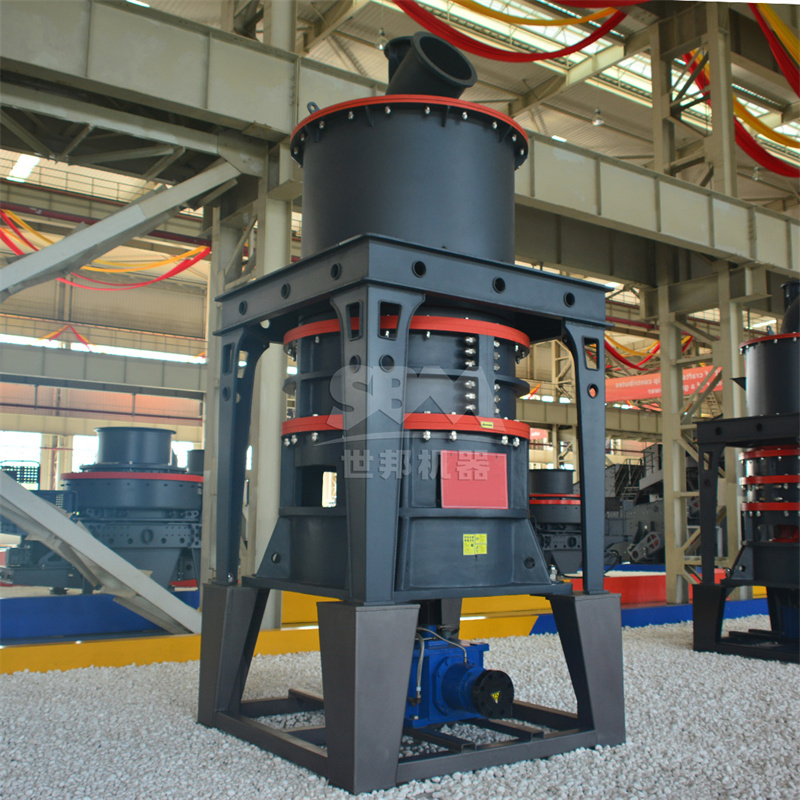
For manufacturers of quartz filler masterbatch seeking ultrafine powders (325–2500 mesh) with high capacity and energy efficiency, the SCM Series Ultrafine Mill is an excellent choice. Its key advantages include:
- High Efficiency & Energy Saving: Capacity is twice that of jet mills, with 30% lower energy consumption. Intelligent control with automatic finished product granularity feedback ensures consistent quality.
- High-Precision Classification: The vertical turbine classifier achieves precise particle size cutting, eliminating coarse powder mixing.
- Durable Design: Special material rollers and rings extend service life several times over. The shaftless screw grinding chamber ensures stable operation.
- Eco-friendly & Low Noise: Pulse dust collection efficiency exceeds international standards, and the soundproof room design ensures low noise levels.
The SCM Series is available in models from SCM800 (0.5–4.5 t/h) to SCM1680 (5–25 t/h), with main power from 75 kW to 315 kW. This range allows producers to scale production from pilot to full-scale manufacturing.
Recommended Equipment: MTW Series European Trapezium Mill
For producers requiring coarser fillers (30–325 mesh) with high capacity and low operating costs, the MTW Series European Trapezium Mill is a robust solution. Its notable features include:
- Anti-wear Shovel Design: Combined shovel blades reduce maintenance costs, and the curved design extends grinding roller life.
- Optimized Arc Air Duct: Reduces airflow energy loss and improves transmission efficiency. High-strength guard plates protect the air duct working surface.
- Integral Bevel Gear Drive: Transmission efficiency up to 98%, saving space and reducing installation costs.
- Wear-resistant Volute Structure: Non-resistance flow design improves air selection efficiency, reducing maintenance costs by 30%.
The MTW Series offers models from MTW110 (3–9 t/h) to MTW215G (15–45 t/h), with fineness adjustable from 10 to 325 mesh. This mill is ideal for producing quartz fillers for applications where ultrafine sizes are not critical, such as in certain PVC compounds and masterbatch formulations.
Case Studies: Applying the Right Mill for Quartz Masterbatch
In practice, many producers combine mills for different stages. For example, a hammer mill may be used for initial crushing to 0–3 mm, followed by an MTW mill for grinding to 200–325 mesh, and finally an SCM ultrafine mill for producing 1250–2500 mesh grades. This staged approach optimizes energy use and product quality.
Another approach for large-scale production of ultrafine quartz is to use a LUM Ultrafine Vertical Roller Mill, which can produce 325–2500 mesh powders with capacities up to 15 t/h. However, for the finest grades with the narrowest distribution, the SCM Series often provides superior classification precision.
When selecting equipment, it is essential to conduct pilot-scale tests with the actual quartz feed to confirm capacity, fineness, and wear rates. Suppliers like those offering the SCM and MTW Series can provide testing and application support to ensure optimal configuration.
Conclusion: Matching Mill Technology to Product Requirements
Choosing the right grinding mill for quartz stone additive production is a strategic decision that impacts product quality, production cost, and competitiveness. For filler masterbatch and plastic compounds, the ideal mill must deliver precise particle size control, high capacity, energy efficiency, and minimal contamination.
Ultrafine mills like the SCM Series are best suited for high-value, ultrafine quartz fillers, while trapezium mills like the MTW Series offer an economical solution for medium-fine grades. By carefully evaluating fineness requirements, capacity needs, and total cost of ownership, manufacturers can select the equipment that best aligns with their business goals.
As the plastics industry continues to demand higher performance and sustainability, advanced grinding technologies will play a pivotal role in enabling the next generation of quartz-reinforced masterbatch and compounds.