
Introduction: The Critical Role of Limestone Filler in Sealant Production
In the competitive world of sealant manufacturing, the quality and consistency of your limestone filler directly impact the performance, durability, and cost-effectiveness of your final product. Whether you are producing silicone sealants, polyurethane sealants, acrylic sealants, or hybrid formulations, the particle size distribution, purity, and surface characteristics of your limestone filler play a pivotal role in determining the rheological properties, tensile strength, elongation, and adhesion of your sealants.
Choosing the right grinding mill for your sealant production line is not merely a purchasing decision—it is a strategic investment that affects your operational efficiency, product quality, energy costs, and long-term profitability. With numerous grinding technologies available on the market, each with distinct advantages and limitations, understanding how to match the right equipment to your specific production requirements is essential.
This comprehensive guide will walk you through the key considerations for selecting grinding equipment for limestone filler processing in sealant production, while introducing you to industry-leading solutions from our company that have been proven in demanding applications worldwide.
Understanding Limestone Filler Requirements for Sealants
Particle Size Distribution: The Foundation of Quality
Sealant formulations typically require limestone fillers with specific particle size distributions. The most common fineness ranges for sealant applications include:
- Coarse fillers (40-100 mesh): Used in certain construction sealants where bulk filling is required
- Medium fillers (200-400 mesh): The workhorse range for most general-purpose sealants
- Fine fillers (600-1250 mesh): For high-performance sealants requiring smooth application and superior mechanical properties
- Ultrafine fillers (1250-2500 mesh): For specialized transparent or high-clarity sealant formulations
The particle size distribution directly affects the sealant’s:
- Rheological behavior and extrudability
- Surface finish and appearance
- Mechanical strength and elasticity
- Weathering resistance and durability
- Cost per unit volume
Purity and Whiteness Requirements
For white and light-colored sealants, limestone filler must meet strict whiteness specifications, typically requiring brightness levels above 94%. Iron content must be minimized to prevent discoloration. Additionally, the filler should be free from contaminants that could interfere with the curing chemistry of the sealant system.
Moisture Content Considerations
Moisture content in limestone filler can cause premature curing in moisture-cure sealant systems. The grinding process should either incorporate drying capability or work with pre-dried feed material to ensure consistent product quality.
Key Factors in Selecting a Grinding Mill for Sealant Filler Production
1. Production Capacity Requirements
Your required output determines the scale of equipment needed. Small-batch sealant manufacturers may require 0.5-5 tons per hour, while large-scale operations may need 20-50 tons per hour or more. Understanding your current and projected production volumes is the first step in equipment selection.
2. Target Fineness and Particle Size Distribution
Different sealant formulations demand different filler fineness levels. Your grinding equipment must be capable of consistently achieving your target particle size while maintaining a tight distribution curve. Equipment that produces excessive fines or coarse particles will compromise sealant quality.
3. Energy Efficiency and Operating Costs
Grinding is an energy-intensive process. The specific energy consumption (kWh per ton of product) varies significantly between different mill types. Over the equipment’s lifetime, energy costs often exceed the initial capital investment, making efficiency a critical consideration.
4. Product Quality and Consistency
Consistency is paramount in sealant production. Your grinding equipment must deliver uniform particle size distribution batch after batch. Advanced classification systems and automated controls are essential for maintaining quality standards.
5. Contamination Prevention
Sealant chemistry is sensitive to contamination. The grinding system should minimize metal wear and prevent foreign material introduction. Wear-resistant materials and sealed grinding chambers are essential features.
6. Environmental Compliance
Modern sealant production facilities must meet stringent environmental regulations. Dust collection, noise control, and emissions standards all influence equipment selection.
7. Maintenance and Uptime
Production interruptions are costly. Choose equipment with proven reliability records, accessible maintenance points, and readily available spare parts.
Comparing Grinding Mill Technologies for Limestone Filler Processing
Ball Mills: Traditional but Energy-Intensive
Ball mills have been the workhorse of mineral grinding for decades. They offer wide application range and can handle various materials. However, their energy efficiency is relatively low, and achieving fine particle sizes requires long grinding times. For sealant filler production, ball mills are typically used for coarse to medium-fine grinding (up to 400 mesh). While reliable, they are increasingly being replaced by more efficient technologies.
Raymond Mills (Pendulum Mills): Versatile Medium-Fine Grinding
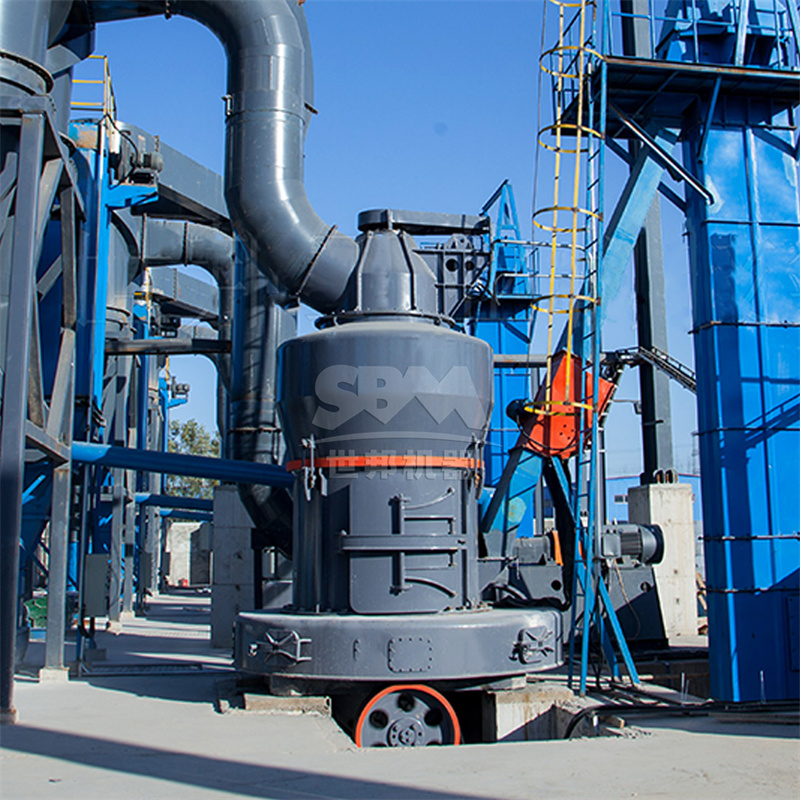
Pendulum mills, also known as Raymond mills, offer improved efficiency over ball mills for medium-fine grinding applications. They are suitable for producing fillers in the 80-325 mesh range. Their advantages include lower energy consumption, compact footprint, and relatively simple operation. However, achieving ultrafine particle sizes below 10 microns becomes challenging.
Hammer Mills: Coarse Grinding Solutions
For pre-grinding or coarse filler production (0-3mm), hammer mills provide high capacity at low investment cost. They are often used as the first stage in a multi-stage grinding circuit.
Recommended Solutions: Our Advanced Grinding Equipment
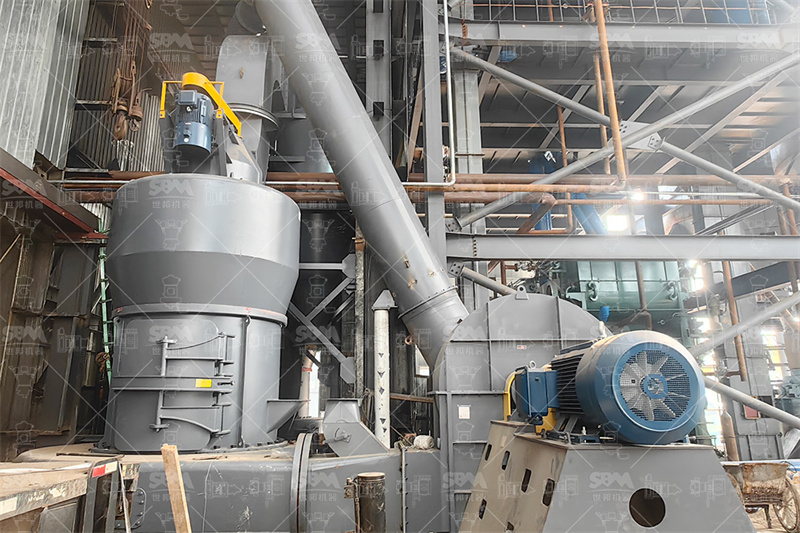
After decades of research and development, our company offers a comprehensive range of grinding mills specifically optimized for limestone filler production in sealant manufacturing. Here we highlight two exceptional solutions that address the most demanding requirements.
SCM Series Ultrafine Mill: Precision Grinding for High-Performance Sealants
The SCM Series Ultrafine Mill represents the pinnacle of fine grinding technology for sealant filler production. This mill is specifically designed for manufacturers requiring ultrafine limestone fillers with precise particle size control.
Outstanding Technical Advantages:
High Efficiency & Energy Saving: The SCM Series delivers twice the capacity of comparable jet mills while consuming 30% less energy. This dramatic efficiency improvement translates directly to reduced operating costs and improved competitiveness. The intelligent control system features automatic finished product granularity feedback, ensuring consistent output quality without constant operator intervention.
High-Precision Classification: At the heart of the SCM mill is a vertical turbine classifier that achieves precise particle size cutting. This advanced classification technology ensures no coarse powder mixing, delivering uniform finished products with tight particle size distribution—essential for maintaining consistent sealant properties.
Durable Design: Special material rollers and rings extend service life several times over conventional designs. The shaftless screw grinding chamber ensures stable operation even under continuous heavy-duty use, minimizing downtime and maintenance costs.
Eco-friendly & Low Noise: The pulse dust collection system exceeds international standards, ensuring a clean working environment. Soundproof room design keeps noise levels within acceptable limits, meeting modern workplace requirements.
Working Principle: The main motor drives three layers of grinding rings to rotate. Materials are dispersed into the grinding path by centrifugal force, crushed by roller pressure, and ground layer by layer. The powder collection is completed by a cyclone collector and pulse dust removal system.
Available Models:
- SCM800: Capacity 0.5-4.5t/h | Main Power 75kW | Fineness 325-2500 mesh
- SCM900: Capacity 0.8-6.5t/h | Main Power 90kW | Fineness 325-2500 mesh
- SCM1000: Capacity 1.0-8.5t/h | Main Power 132kW | Fineness 325-2500 mesh
- SCM1250: Capacity 2.5-14t/h | Main Power 185kW | Fineness 325-2500 mesh
- SCM1680: Capacity 5.0-25t/h | Main Power 315kW | Fineness 325-2500 mesh
The SCM Series is ideal for sealant manufacturers producing high-performance products that demand ultrafine fillers with exceptional consistency. Whether you need 1250 mesh for premium architectural sealants or 2500 mesh for specialized transparent formulations, the SCM Series delivers.
LM Series Vertical Roller Mill: High-Capacity Solution for Large-Scale Production
For sealant manufacturers requiring high-volume production with excellent energy efficiency, the LM Series Vertical Roller Mill offers an unmatched combination of capacity, efficiency, and reliability.
Outstanding Technical Advantages:
Integrated Design: The LM Series integrates crushing, grinding, and selection into a single compact unit. Floor space is reduced by 50% compared to traditional grinding systems, and outdoor installation is possible, reducing infrastructure costs by 40%. This integration simplifies your production line layout and reduces civil construction requirements.
Low Operating Cost: The non-contact design between rollers and table dramatically reduces wear. Wear part life is increased by three times compared to conventional mills. Energy consumption is 30-40% lower than ball mill systems, delivering substantial savings over the equipment’s lifetime.
Intelligent Control: The expert-level auto-control system supports both remote and local operation switching. Real-time monitoring of all critical parameters reduces manual intervention and ensures consistent product quality.
Environmental Compliance: Fully sealed negative pressure operation ensures minimal dust emission. Operating noise is significantly reduced compared to conventional grinding equipment.
Working Principle: The main motor drives the grinding table via a reducer. Materials enter through the central feed port and spread evenly via centrifugal force. Grinding rollers apply pressure to crush the material layer; qualified fines are carried by hot air to the classifier, while coarse powder returns to the table for re-grinding.
Available Models for Limestone Processing:
- LM130K: Table Φ1300mm | Capacity 10-28t/h | Fineness 170-40μm | Power 200kW
- LM150K: Table Φ1500mm | Capacity 13-38t/h | Fineness 170-40μm | Power 280kW
- LM170K: Table Φ1700mm | Capacity 18-48t/h | Fineness 170-40μm | Power 400kW
- LM190K: Table Φ1900mm | Capacity 23-68t/h | Fineness 170-40μm | Power 500kW
- LM220K: Table Φ2200mm | Capacity 36-105t/h | Fineness 170-45μm | Power 800kW
- LM280K: Table Φ2800mm | Capacity 50-170t/h | Fineness 170-45μm | Power 1250kW
For high-capacity sealant filler production requiring 200-400 mesh material, the LM Series delivers exceptional throughput with minimal energy consumption. Its modular grinding roller assembly quick-change system and dynamic classifier multi-stage adjustment technology ensure maximum uptime and product flexibility.
Additional Grinding Solutions for Specific Requirements
MTW Series European Trapezium Mill
For manufacturers requiring medium-fine grinding (30-325 mesh) with moderate capacity (3-45 t/h), the MTW Series offers an excellent balance of performance and value. Its anti-wear shovel design and optimized arc air duct reduce maintenance costs while improving efficiency. The integral bevel gear drive achieves 98% transmission efficiency.
LUM Ultrafine Vertical Roller Mill
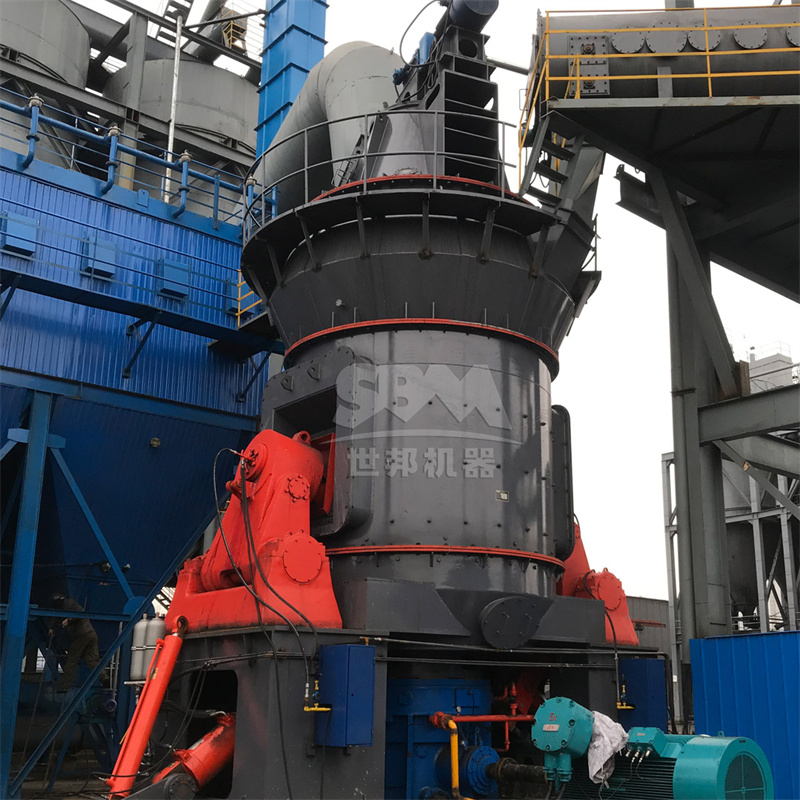
When the finest possible particle sizes are required (down to 5μm), the LUM Series delivers. Its unique roller and liner curves improve grinding efficiency, while multi-rotor classification technology ensures no coarse particles in the finished product. PLC automation ensures stable, consistent operation.
MRN Pendulum Mill
The MRN Series features thin oil lubrication for maintenance-free operation and an efficient collector design that reduces resistance. Available in capacities up to 83 TPH, it’s suitable for large-scale production of 30-325 mesh fillers.
Integration Considerations for Your Sealant Production Line
Material Handling and Feeding
Your grinding mill must integrate seamlessly with upstream material handling systems. Consider feed size requirements, moisture content, and feed rate consistency. Automatic feeding systems with variable frequency drives ensure optimal mill loading.
Product Collection and Transport
The ground limestone filler must be efficiently collected and transported to storage or directly to the sealant mixing line. Pneumatic conveying systems, screw conveyors, or bucket elevators may be appropriate depending on layout and capacity.
Dust Collection and Environmental Control
Integrated dust collection is essential. Pulse jet bag filters or cartridge collectors should be sized appropriately for your mill’s airflow requirements. Consider whether your facility requires indoor or outdoor installation.
Quality Control Integration
On-line particle size analysis and automatic feedback control can ensure consistent product quality. Sampling points should be designed for easy access and representative sampling.
Making the Final Decision
Selecting the right grinding mill for your sealant limestone filler production involves balancing multiple factors:
- Technical Requirements: Required fineness, capacity, and product quality specifications
- Economic Factors: Capital investment, operating costs, and expected return on investment
- Operational Considerations: Maintenance requirements, spare parts availability, and technical support
- Future Growth: Scalability and flexibility to accommodate future product development
We recommend conducting pilot-scale testing with your actual limestone material to verify equipment performance before making a final decision. Our technical team can provide comprehensive testing services and customized recommendations based on your specific requirements.
Conclusion: Partnering for Success
The grinding mill you choose for your sealant limestone filler production will influence your product quality, production efficiency, and profitability for years to come. By understanding your requirements and selecting equipment from a proven, experienced manufacturer, you can ensure your investment delivers maximum value.
Our SCM Series Ultrafine Mill and LM Series Vertical Roller Mill represent the state of the art in limestone grinding technology for the sealant industry. With thousands of installations worldwide and decades of application experience, we have the expertise to help you optimize your sealant filler production.
Contact our technical team today to discuss your specific requirements and discover how our advanced grinding solutions can transform your sealant production line.