
Introduction
Marble powder is a versatile industrial mineral widely used in coatings, plastics, rubber, papermaking, construction, and even pharmaceuticals. Among the various fineness specifications, 400 mesh (approximately 38 microns) marble powder is one of the most in-demand products. It offers an excellent balance between whiteness, opacity, and cost, making it ideal for high-grade fillers and functional additives. However, producing 400 mesh marble powder efficiently and economically requires the right grinding equipment. With so many mill types on the market—ultrafine mills, trapezium mills, vertical roller mills, ball mills, and hammer mills—how do you choose the best one for your project? This article provides a professional guide based on our company’s extensive product portfolio, helping you make an informed decision.
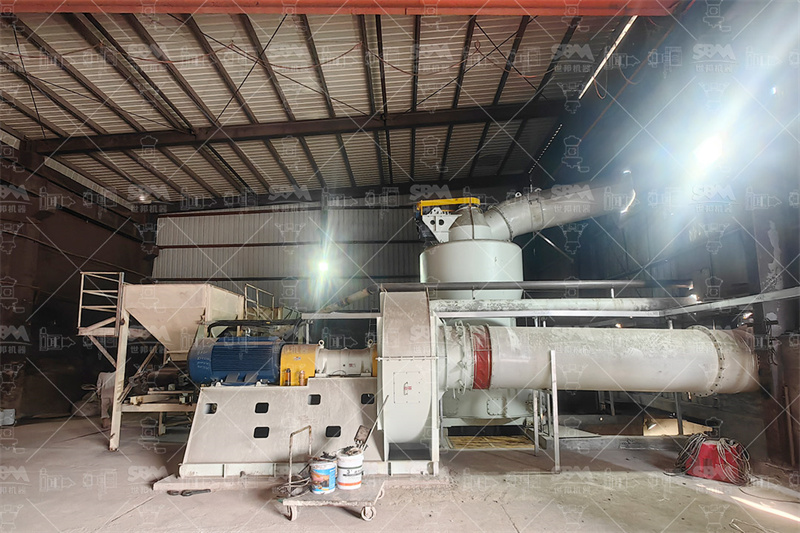
Understanding 400 Mesh Marble Powder
Mesh size refers to the number of openings per linear inch in a sieve. A 400 mesh screen has 400 openings per inch, corresponding to a particle size of about 38 micrometers (0.038 mm). Marble powder at this fineness is often used as a functional filler in paints, where it improves brightness, reduces titanium dioxide consumption, and enhances weather resistance. In plastics, it increases stiffness and thermal conductivity while lowering shrinkage. For paper, it improves opacity and printability. Because of these diverse applications, the production process must deliver consistent particle size distribution, high whiteness, and minimal contamination.
To achieve 400 mesh economically, you need a grinding mill that combines high capacity, low energy consumption, and reliable classification. Below, we analyze the key selection criteria and introduce our recommended equipment.
Key Factors in Choosing a Grinding Mill for 400 Mesh Marble Powder
1. Capacity Requirements
Your required output per hour or per day dictates the mill size and type. Small-scale operations (0.5–5 t/h) can use ultrafine mills or medium-speed trapezium mills, while large-scale production (10–50 t/h) often favors vertical roller mills or ball mills. It is essential to match the mill’s rated capacity to your actual production needs, considering potential future expansion.
2. Fineness and Particle Size Distribution
400 mesh is a relatively coarse specification compared to ultrafine powders (e.g., 1250 mesh). However, you still need precise control to avoid oversize particles that can cause defects in end products. A dynamic classifier or turbine classifier is crucial for sharp top-size cutting. Mills with advanced classification systems ensure that no coarse particles bypass the separator.
3. Energy Efficiency
Grinding is an energy-intensive process. The difference in power consumption between mill types can be substantial. For example, vertical roller mills and ultrafine mills with optimized grinding curves can reduce energy consumption by 30–40% compared to traditional ball mills. Over the life of the project, this translates into significant cost savings.
4. Wear Parts and Maintenance
Marble is a moderately hard mineral (Mohs hardness 3–4), but abrasive impurities can accelerate wear. Mills with wear-resistant materials (e.g., special alloy rollers and rings) and easy maintenance features (e.g., hydraulic roller exchange) will minimize downtime and operating costs. Consider the cost and frequency of replacing liners, rollers, and classifier blades.
5. Environmental Compliance
Dust emissions and noise are major concerns in mineral processing. Modern mills should be equipped with pulse dust collectors, negative pressure operation, and soundproof enclosures to meet strict environmental regulations. Look for systems that exceed international standards for dust collection efficiency.
6. Investment and Operating Costs
While capital cost is important, total cost of ownership (TCO) includes installation, energy, maintenance, and spare parts. A slightly higher initial investment in a high-efficiency mill can pay back quickly through lower power bills and reduced maintenance.
Recommended Equipment from Our Portfolio
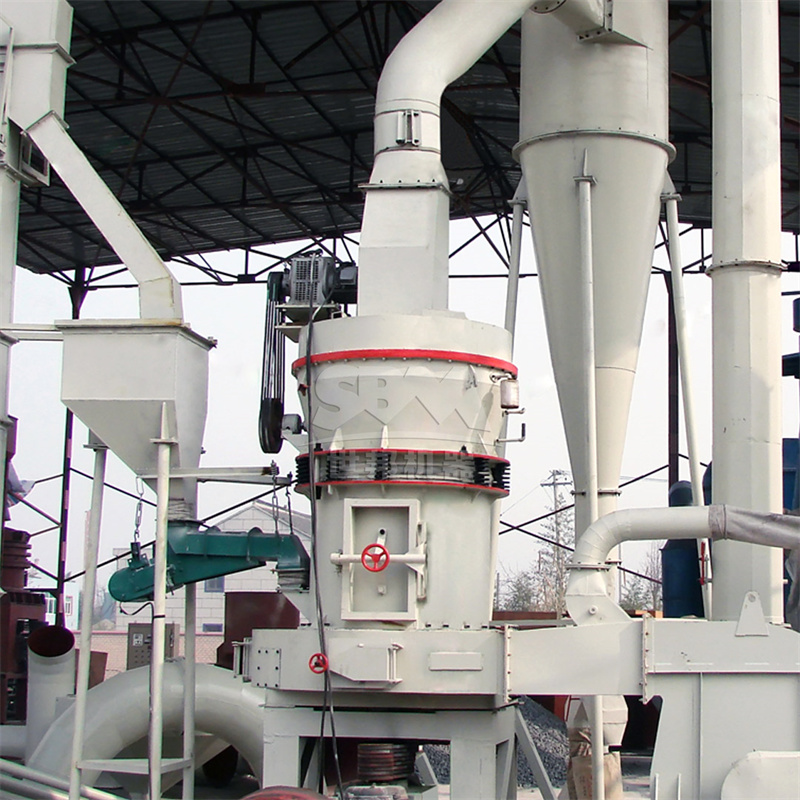
Based on the above criteria, we recommend two standout products for 400 mesh marble powder production: the SCM Series Ultrafine Mill and the MTW Series European Trapezium Mill. Both are engineered to deliver high efficiency, precise classification, and reliable operation.
SCM Series Ultrafine Mill (45-5μm)
The SCM Series Ultrafine Mill is a flagship product designed for producing fine and ultrafine powders. With an output fineness range of 325–2500 mesh, it can easily produce 400 mesh marble powder at capacities from 0.5 to 25 t/h depending on the model. Its technical advantages make it an excellent choice:
- High Efficiency & Energy Saving: Capacity is twice that of a jet mill, with 30% lower energy consumption. The intelligent control system provides automatic finished product granularity feedback, ensuring stable quality.
- High-Precision Classification: The vertical turbine classifier achieves precise particle size cutting, eliminating coarse powder mixing. This guarantees uniform finished products, critical for high-value applications.
- Durable Design: Special material rollers and rings extend service life several times over. The shaftless screw grinding chamber ensures stable operation with minimal vibration.
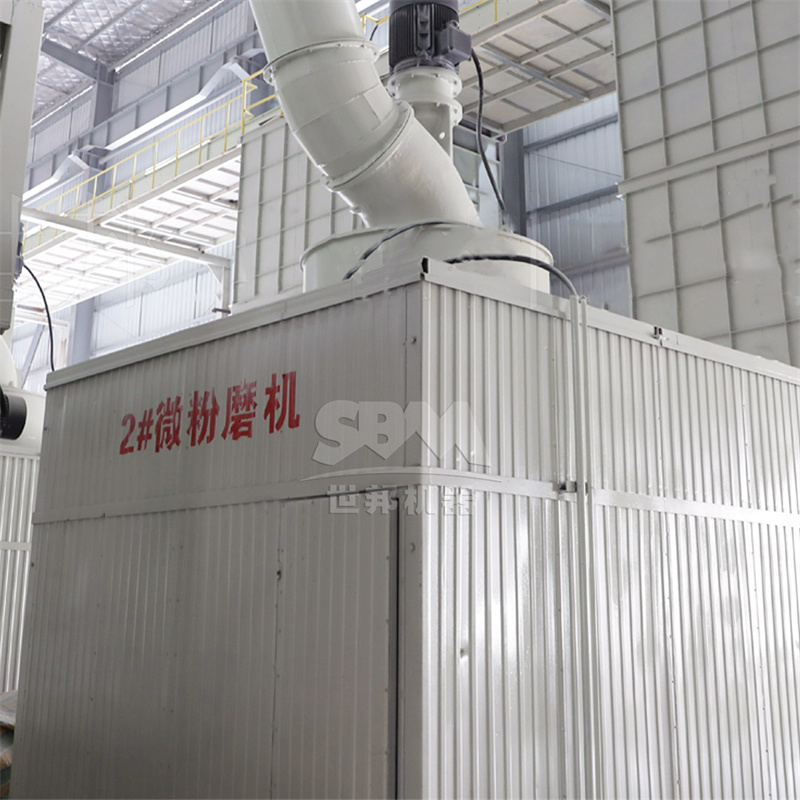
- Eco-friendly & Low Noise: Pulse dust collection efficiency exceeds international standards, and the soundproof room design keeps noise levels low.
The SCM mill operates on a unique principle: the main motor drives three layers of grinding rings to rotate. Materials are dispersed into the grinding path by centrifugal force, crushed by roller pressure, and ground layer by layer. Finally, powder collection is completed by a cyclone collector and a pulse dust removal system. This results in high grinding efficiency and consistent product quality.
For 400 mesh production, models such as SCM800 (0.5–4.5 t/h), SCM900 (0.8–6.5 t/h), and SCM1000 (1.0–8.5 t/h) are ideal for small to medium-scale projects. For larger capacities, SCM1250 (2.5–14 t/h) and SCM1680 (5.0–25 t/h) offer exceptional throughput.
MTW Series European Trapezium Mill (600-45μm)
The MTW Series European Trapezium Mill is another excellent option for 400 mesh marble powder. With an output fineness range of 30–325 mesh (down to 0.038 mm), it precisely covers the 400 mesh requirement. Capacities range from 3 to 45 t/h, making it suitable for medium to large-scale operations.
Key technical advantages include:
- Anti-wear Shovel Design: Combined shovel blades reduce maintenance costs, while the curved design extends grinding roller life.
- Optimized Arc Air Duct: Reduces airflow energy loss and improves transmission efficiency. High-strength guard plates protect the air duct working surface.
- Integral Bevel Gear Drive: Transmission efficiency up to 98%, saving space and reducing installation costs.
- Wear-resistant Volute Structure: Non-resistance flow design improves air selection efficiency and reduces maintenance costs by 30%.
The MTW mill works by driving the grinding rollers to revolve around the central axis while self-rotating to generate centrifugal force. Shovels throw materials between the ring and rollers to form a material layer, achieving efficient crushing through extrusion. The classification system precisely controls the finished product size, ensuring that the 400 mesh powder meets strict specifications.
Popular models for 400 mesh marble powder include MTW110 (3–9 t/h), MTW138Z (6–17 t/h), and MTW175G (9.5–25 t/h). For very large projects, MTW215G offers a capacity of 15–45 t/h.
Comparative Analysis: SCM vs. MTW for 400 Mesh Marble
Both mills are capable of producing 400 mesh marble powder, but they have different strengths. The SCM Ultrafine Mill is more suitable for projects requiring finer powders (up to 2500 mesh) and where energy efficiency and precise classification are paramount. Its ability to produce multiple grades with a single mill makes it flexible for diversified product lines. On the other hand, the MTW European Trapezium Mill excels in medium to large-scale production with lower capital cost per ton of capacity. It is robust, easy to maintain, and particularly effective for coarse to medium-fine grinding. If your project is dedicated to 400 mesh and you need high throughput, the MTW mill is a cost-effective choice. If you also plan to produce ultrafine grades (e.g., 800, 1250 mesh) in the future, the SCM mill offers greater versatility.
Other Grinding Options to Consider
While SCM and MTW are our top recommendations, other mills in our portfolio may also be suitable depending on specific project conditions:
- LM Series Vertical Roller Mill: Ideal for very large-scale production (up to 250 t/h). It features integrated crushing, grinding, and classification, and consumes 30–40% less energy than ball mills. However, for 400 mesh, its fineness range (30–325 mesh) is adequate, but it is generally more cost-effective for higher capacities.
- Ball Mill: Traditional and reliable, ball mills can produce 400 mesh powder but are less energy-efficient and have a larger footprint. They are better suited for combined grinding and blending operations.
- LUM Ultrafine Vertical Roller Mill: Another excellent choice for ultrafine powders (325–2500 mesh) with capacities up to 15 t/h. It offers precise classifying and smart control.
For most 400 mesh marble projects, however, the SCM and MTW mills provide the best balance of performance, efficiency, and cost.
Case Study: 400 Mesh Marble Powder Plant in Asia
A recent project in Asia installed an MTW138Z mill to produce 400 mesh marble powder for the paint industry. The plant achieved a capacity of 10 t/h with a fineness of 400 mesh (passing rate 98%). Energy consumption was reduced by 25% compared to the old ball mill, and maintenance costs dropped by 30% due to the wear-resistant components. The pulse dust collector ensured emissions were well below local limits. This case demonstrates the real-world benefits of choosing the right mill.
Conclusion
Selecting the right grinding mill for 400 mesh marble powder production is a critical decision that impacts profitability, product quality, and environmental compliance. The SCM Series Ultrafine Mill and MTW Series European Trapezium Mill from our company represent the state of the art in grinding technology. They offer high efficiency, precise classification, durable construction, and eco-friendly operation. By carefully evaluating your capacity needs, fineness requirements, and budget, you can choose the model that best fits your project. For personalized advice, please consult our technical team—we are committed to helping you achieve optimal results in marble powder production.