
Introduction to 325 Mesh Grade I Fly Ash Processing
Fly ash, a byproduct of coal combustion in thermal power plants, has become one of the most valuable supplementary cementitious materials in the construction industry. When processed to 325 mesh (approximately 45 microns), Grade I fly ash delivers exceptional performance in concrete applications, including improved workability, enhanced durability, and reduced water demand. However, achieving consistent 325 mesh Grade I fly ash requires careful selection of grinding equipment that can deliver precise particle size distribution, high capacity, and reliable operation.
Selecting the right grinding mill for your fly ash processing project involves evaluating multiple factors: feed material characteristics, required fineness, production capacity, energy consumption, and long-term operational costs. This comprehensive guide examines the key considerations for choosing grinding equipment specifically for 325 mesh Grade I fly ash production.
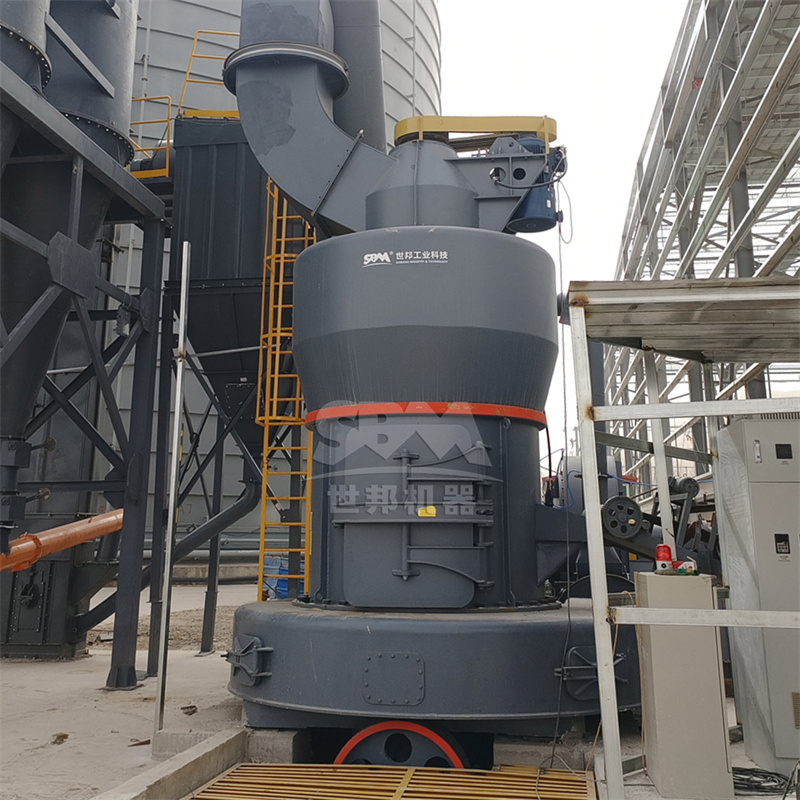
Understanding 325 Mesh Grade I Fly Ash Requirements
Before selecting grinding equipment, it is essential to understand the specifications that define Grade I fly ash according to international standards such as ASTM C618 and EN 450. Grade I fly ash typically requires:
- Fineness: Not more than 12% retained on a 45μm (325 mesh) sieve
- Loss on Ignition (LOI): Typically less than 5%
- Moisture Content: Generally below 1%
- Uniformity: Consistent particle size distribution for predictable concrete performance
Achieving these specifications demands grinding equipment capable of precise particle size control, minimal contamination, and efficient classification. The choice between different mill types significantly impacts product quality, energy costs, and overall project economics.
Key Factors in Grinding Mill Selection
1. Fineness and Particle Size Distribution
The ability to consistently achieve 325 mesh fineness while maintaining a narrow particle size distribution is critical. Different mill types offer varying capabilities:
- Ultrafine mills can achieve fineness well beyond 325 mesh, providing flexibility for future product upgrades
- Vertical roller mills offer excellent classification efficiency with multi-stage adjustment
- Trapezium mills provide reliable performance for standard 325 mesh requirements
2. Production Capacity
Your project’s required throughput determines the mill size and configuration. Small-scale operations may require 3-10 tons per hour, while large fly ash processing facilities demand capacities exceeding 50 tons per hour. Matching capacity to your specific requirements avoids both underutilization and production bottlenecks.
3. Energy Efficiency
Grinding is an energy-intensive process, and fly ash processing is no exception. The specific energy consumption (kWh per ton of product) varies significantly among mill types:
- Ball mills typically consume 30-50 kWh/t for 325 mesh fly ash
- Vertical roller mills can reduce energy consumption by 30-40% compared to ball mills
- Ultrafine mills with advanced classification systems optimize energy use per ton produced
4. Wear and Maintenance
Fly ash is abrasive, causing wear on grinding components. Equipment with durable wear parts and easy maintenance access reduces downtime and operating costs. Consider mills featuring:
- High-chrome or ceramic wear surfaces
- Quick-change roller assemblies
- External lubrication systems
- Modular component design for simplified maintenance
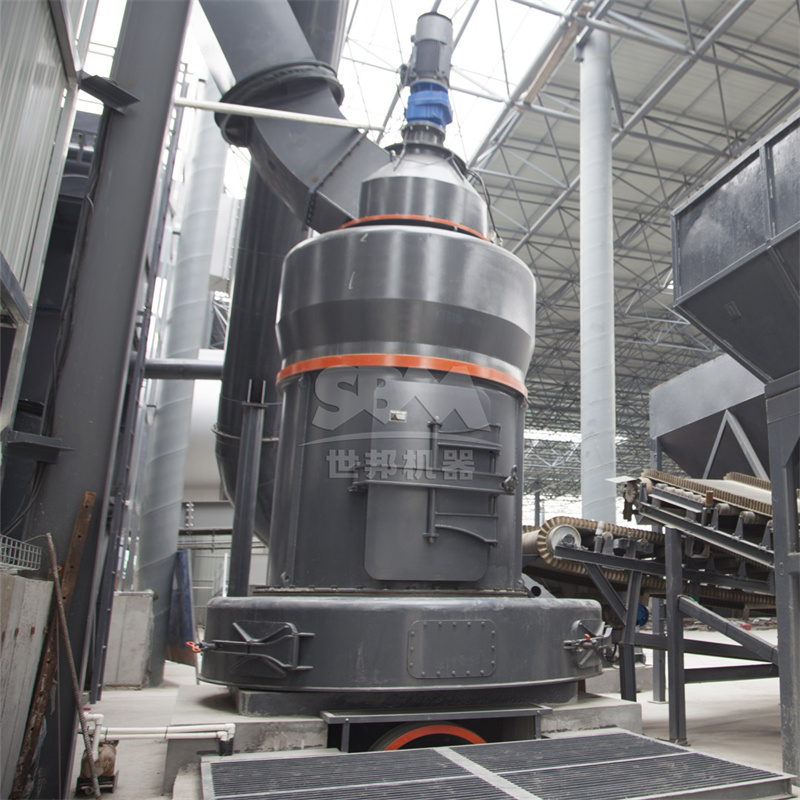
Recommended Equipment for 325 Mesh Grade I Fly Ash
SCM Series Ultrafine Mill: Precision Grinding for Premium Fly Ash
For projects demanding the highest quality 325 mesh Grade I fly ash with potential for product diversification, the SCM Series Ultrafine Mill represents an excellent choice. This equipment delivers output fineness ranging from 325 to 2500 mesh, providing exceptional flexibility for fly ash processors.
Key advantages for fly ash processing:
- High-Precision Classification: The vertical turbine classifier achieves precise particle size cutting, ensuring no coarse powder mixing and uniform finished products—essential for meeting Grade I specifications consistently.
- Energy Efficiency: Capacity is twice that of jet mills with 30% lower energy consumption, significantly reducing operating costs for high-volume fly ash production.
- Durable Design: Special material rollers and rings extend service life several times over, while the shaftless screw grinding chamber ensures stable operation even with abrasive fly ash.
- Intelligent Control: Automatic finished product granularity feedback enables real-time adjustment to maintain consistent 325 mesh output.
- Environmental Compliance: Pulse dust collection efficiency exceeds international standards, and soundproof room design ensures noise levels remain within acceptable limits.
Available models for fly ash processing:
- SCM800: 0.5-4.5 t/h capacity, 75kW main power—ideal for small to medium operations
- SCM900: 0.8-6.5 t/h capacity, 90kW main power
- SCM1000: 1.0-8.5 t/h capacity, 132kW main power
- SCM1250: 2.5-14 t/h capacity, 185kW main power—suitable for medium to large projects
- SCM1680: 5.0-25 t/h capacity, 315kW main power—for high-capacity industrial production
LM Series Vertical Roller Mill: High-Capacity Solution for Large-Scale Fly Ash Processing
For large-scale fly ash processing projects requiring capacities exceeding 25 tons per hour, the LM Series Vertical Roller Mill offers superior performance and efficiency. This equipment represents the most advanced grinding technology for high-volume mineral processing.
Key advantages for fly ash processing:
- Integrated Design: System integrates crushing, grinding, and selection functions, reducing floor space by 50% compared to traditional configurations. Outdoor installation is possible, reducing infrastructure costs by 40%.
- Low Operating Cost: Non-contact design between rollers and table increases wear part life by 3x. Energy consumption is 30-40% lower than ball mill systems—a significant advantage for continuous fly ash production.
- Intelligent Control: Expert-level auto-control system supports remote/local switching with real-time parameter monitoring, reducing manual intervention requirements.
- Environmental Compliance: Fully sealed negative pressure operation ensures dust emissions remain within stringent environmental standards.
- Versatile Fineness: Standard models achieve 30-325 mesh, with special models capable of up to 600 mesh for ultra-fine applications.
Recommended models for 325 mesh fly ash:
- LM130K: 10-28 t/h capacity, 200kW main power
- LM150K: 13-38 t/h capacity, 280kW main power
- LM170K: 18-48 t/h capacity, 400kW main power
- LM190K: 23-68 t/h capacity, 500kW main power
- LM220K: 36-105 t/h capacity, 800kW main power—for the largest fly ash processing operations
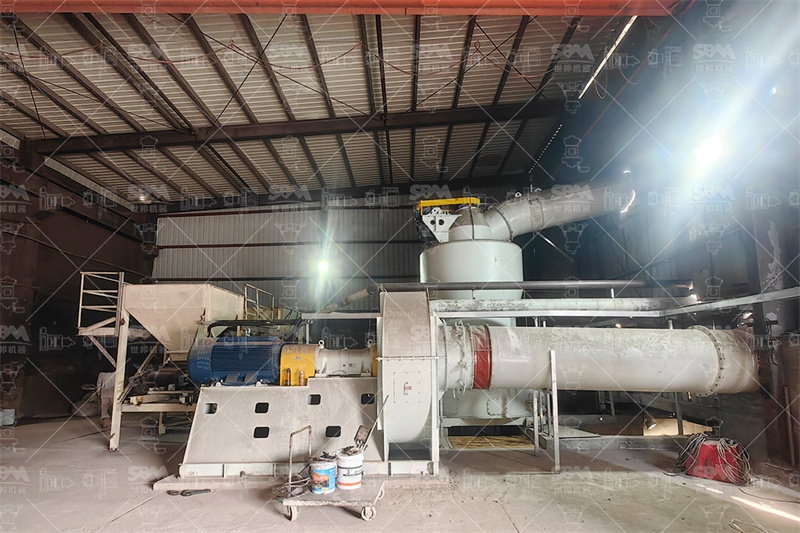
Alternative Equipment Options
Depending on your specific project requirements, other equipment options may be suitable:
MTW Series European Trapezium Mill
For projects requiring 30-325 mesh output with capacities of 3-45 t/h, the MTW Series offers reliable performance with patented technologies including internal suction oil lubrication and advanced pulse dust removal. Models such as MTW138Z (6-17 t/h) and MTW175G (9.5-25 t/h) are well-suited for medium-scale fly ash processing.
LUM Ultrafine Vertical Roller Mill
For premium Grade I fly ash requiring fineness up to 2500 mesh, the LUM Series provides exceptional grinding efficiency with PLC automation and negative pressure operation. Models LUM1525 through LUM1836 offer capacities from 1.6 to 15 t/h.
Project Planning Considerations
When planning your 325 mesh Grade I fly ash processing project, consider the following:
- Feed Material Analysis: Conduct thorough testing of your fly ash source to determine moisture content, LOI, and grindability.
- Capacity Requirements: Match mill capacity to your market demand, accounting for seasonal variations and future growth.
- Product Specifications: Verify that selected equipment can consistently meet Grade I requirements, including fineness and particle size distribution.
- System Integration: Consider the complete system including feeding, grinding, classification, dust collection, and product storage.
- Operational Costs: Evaluate total cost of ownership including energy, wear parts, maintenance labor, and downtime.
- Environmental Compliance: Ensure equipment meets local emissions and noise regulations.
Conclusion
Selecting the right grinding mill for 325 mesh Grade I fly ash processing requires careful consideration of fineness requirements, production capacity, energy efficiency, and long-term operational costs. The SCM Series Ultrafine Mill offers precision and flexibility for premium product applications, while the LM Series Vertical Roller Mill delivers unmatched capacity and efficiency for large-scale operations. Both options represent industry-leading technology engineered to meet the demanding requirements of modern fly ash processing.
For projects with moderate capacity requirements and standard fineness specifications, the MTW Series European Trapezium Mill provides a reliable, cost-effective solution. Whichever equipment you choose, partnering with an experienced manufacturer ensures proper system design, installation support, and ongoing service to maximize your project’s success.
Contact our engineering team to discuss your specific fly ash processing requirements and receive a customized equipment recommendation for your project.