
Introduction to Metallurgical Grade Attapulgite and Its Applications
Attapulgite, also known as palygorskite, is a naturally occurring hydrated magnesium aluminum silicate clay mineral with a unique chain-layered crystal structure. This distinctive morphology endows attapulgite with exceptional colloidal, adsorptive, and thermal properties, making it indispensable in a wide range of industrial applications. Among these, metallurgical grade attapulgite powder occupies a critical position in the refractory and foundry industries, where its high-temperature stability, binding capability, and surface activity are highly valued.
In refractory applications, metallurgical grade attapulgite powder is used as a binder and plasticizer in monolithic refractories, gunning mixes, and castables. Its fibrous structure reinforces the matrix, improves green strength, and enhances thermal shock resistance. In foundry applications, attapulgite serves as a sand binder in green sand molds, providing excellent moldability, permeability, and collapsibility, which are essential for producing high-quality castings with minimal defects.
To fully exploit the potential of metallurgical grade attapulgite, it is imperative to select appropriate processing equipment that can deliver the required particle size distribution, surface characteristics, and purity. This article provides a comprehensive guide to choosing the right grinding mill for refractory and foundry applications, with a focus on our company’s advanced solutions.
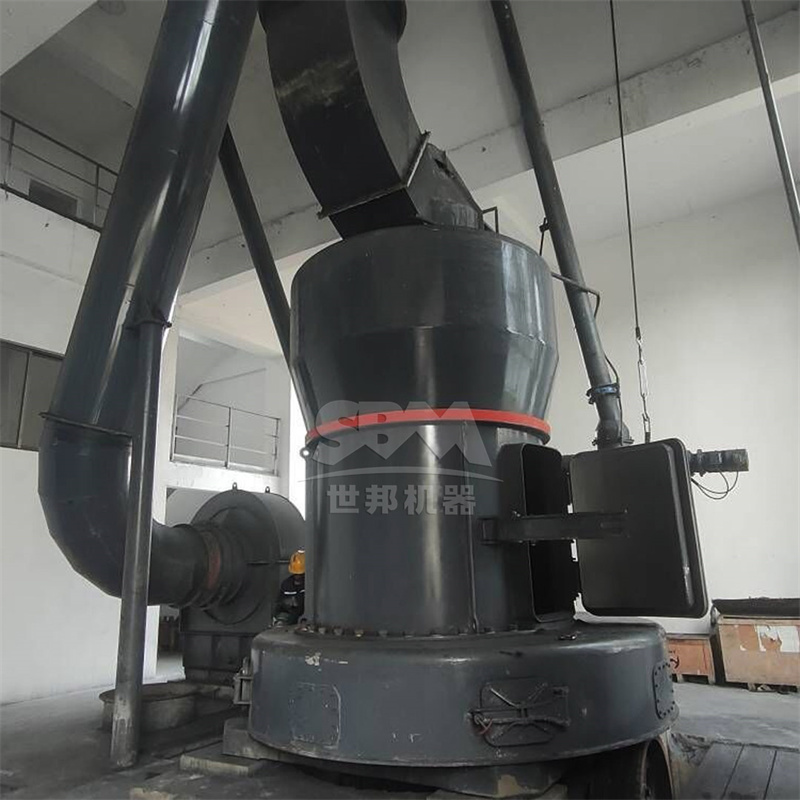
Key Considerations for Selecting a Grinding Mill for Attapulgite
When selecting a grinding mill for metallurgical grade attapulgite, several critical factors must be evaluated to ensure optimal performance and cost-effectiveness:
- Target Fineness: Different refractory and foundry applications require specific particle sizes. For instance, refractory castables often demand fine powders in the range of 200 to 325 mesh, while foundry sand binders may require coarser grades. Ultrafine powders (e.g., 800–2500 mesh) are increasingly used in advanced refractory formulations to improve packing density and reactivity.
- Capacity Requirements: Production scale dictates the necessary throughput. Small-scale operations may suffice with capacities of a few tons per hour, while large industrial plants require capacities exceeding 30 tons per hour.
- Material Characteristics: Attapulgite’s fibrous nature, moisture content, and hardness influence the choice of grinding mechanism. It is moderately soft (Mohs hardness 2–3) but can be abrasive when contaminated with quartz or other hard minerals. Moisture content must be controlled to prevent clogging and ensure efficient grinding.
- Energy Efficiency: Grinding is an energy-intensive process. Selecting a mill with low specific energy consumption is crucial for reducing operational costs and environmental impact.
- Product Quality: Uniform particle size distribution, minimal contamination, and preservation of the fibrous structure are essential for maintaining the performance of metallurgical grade attapulgite. Over-grinding can destroy the fibrous morphology, reducing its binding efficiency.
- Environmental Compliance: Dust emissions and noise levels must comply with stringent regulations. Equipment with integrated dust collection and soundproofing is preferred.
- Maintenance and Wear: Attapulgite can cause wear on grinding elements. Mills with durable, easily replaceable wear parts reduce downtime and maintenance costs.
Given these considerations, the choice of grinding mill technology is pivotal. Among the various options, pendulum mills, vertical roller mills, and ultrafine mills each offer distinct advantages for attapulgite processing. Below, we analyze two of our flagship products that are particularly well-suited for metallurgical grade attapulgite powder production.
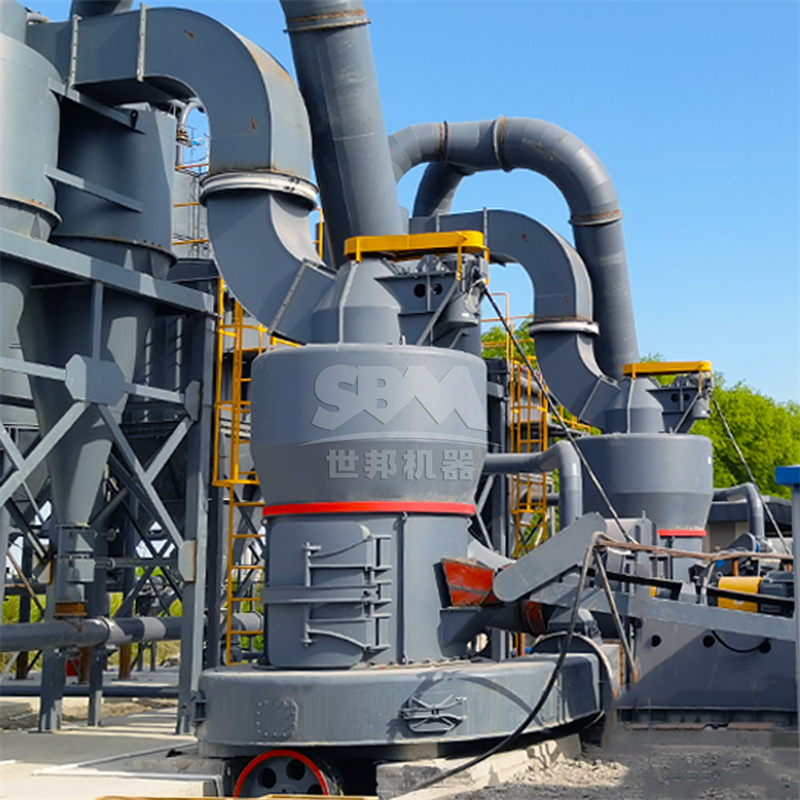
Recommended Product 1: MRN Pendulum Mill – Efficient and Reliable for Medium to Large-Scale Production
For refractory and foundry applications requiring medium to large-scale production of metallurgical grade attapulgite powder, the MRN Pendulum Mill (also known as the MRN Series) is an outstanding choice. This mill combines advanced engineering with robust construction to deliver consistent performance and low operating costs.
Core Parameters:
- Feed Size: 0–50 mm
- Fineness: 30–325 mesh (adjustable)
- Capacity: 2.7–83 TPH (depending on model)
Technical Advantages:
- Thin Oil Lubrication: The MRN Pendulum Mill features a first-in-class thin oil lubrication system that ensures maintenance-free operation for extended periods. This is particularly beneficial for attapulgite grinding, as it reduces the risk of bearing failure due to dust ingress.
- Efficient Collector: The square pipe design of the collector reduces airflow resistance, leading to lower energy consumption and higher collection efficiency. This ensures that fine attapulgite particles are effectively recovered, minimizing waste.
- Pulse Dust Collector: An automatic pulse dust collector guarantees eco-friendly operation with dust emission concentrations well below national standards. This is crucial for maintaining a clean workplace and complying with environmental regulations.
- Scientific Configuration: The combination of a new high-efficiency classifier and an isolated cyclone reduces energy consumption while ensuring precise particle size control. This preserves the fibrous structure of attapulgite, which is vital for its binding performance in foundry sands and refractories.
Model Specifications:
- MB5X98: 3–4 rollers, power 82.5–92.5 kW, capacity 2.7–6.5 t/h. Ideal for small to medium-scale operations.
- MB5X298: 4–6 rollers, power 1247–1407 kW, capacity 48–83 t/h. Suited for large-scale industrial production.
The MRN Pendulum Mill is particularly effective for grinding attapulgite to fineness levels between 100 and 325 mesh, which are commonly required for refractory binders and foundry sand additives. Its robust design and low maintenance requirements make it a reliable workhorse for continuous production.
Recommended Product 2: SCM Series Ultrafine Mill – Precision Grinding for Advanced Applications
For applications demanding ultrafine metallurgical grade attapulgite powder, such as advanced refractory castables or high-performance foundry coatings, the SCM Series Ultrafine Mill is the ideal solution. This mill is engineered to produce powders with exceptional fineness and uniformity, while preserving the desirable properties of attapulgite.
Core Parameters:
- Input Size: ≤20 mm
- Output Fineness: 325–2500 mesh
- Capacity: 0.5–25 t/h (depending on model)
Technical Advantages:
- High Efficiency & Energy Saving: The SCM mill boasts a capacity twice that of jet mills, with 30% lower energy consumption. Its intelligent control system with automatic finished product granularity feedback ensures consistent quality while minimizing energy waste.
- High-Precision Classification: A vertical turbine classifier achieves precise particle size cutting, eliminating coarse powder mixing and ensuring a uniform finished product. This is essential for maintaining the rheological properties of refractory mixes and the permeability of foundry sands.
- Durable Design: Special material rollers and rings extend service life several times over, while the shaftless screw grinding chamber ensures stable operation. This durability is crucial when processing abrasive attapulgite ores.
- Eco-friendly & Low Noise: The pulse dust collection system exceeds international standards, and the soundproof room design keeps noise levels well below regulatory limits. This creates a safer and more pleasant working environment.
Working Principle: The main motor drives three layers of grinding rings to rotate. Materials are dispersed into the grinding path by centrifugal force, crushed by roller pressure, and ground layer by layer. Finally, powder collection is completed by a cyclone collector and a pulse dust removal system.
Model Specifications:
- SCM800: Capacity 0.5–4.5 t/h, main power 75 kW, fineness 325–2500 mesh.
- SCM900: Capacity 0.8–6.5 t/h, main power 90 kW, fineness 325–2500 mesh.
- SCM1000: Capacity 1.0–8.5 t/h, main power 132 kW, fineness 325–2500 mesh.
- SCM1250: Capacity 2.5–14 t/h, main power 185 kW, fineness 325–2500 mesh.
- SCM1680: Capacity 5.0–25 t/h, main power 315 kW, fineness 325–2500 mesh.
The SCM Series Ultrafine Mill is particularly advantageous for producing ultrafine attapulgite powders used in advanced refractory formulations, where a high degree of fineness enhances sintering and reaction kinetics. Its ability to maintain the fibrous structure while achieving sub-micron particle sizes makes it a valuable asset for high-tech applications.
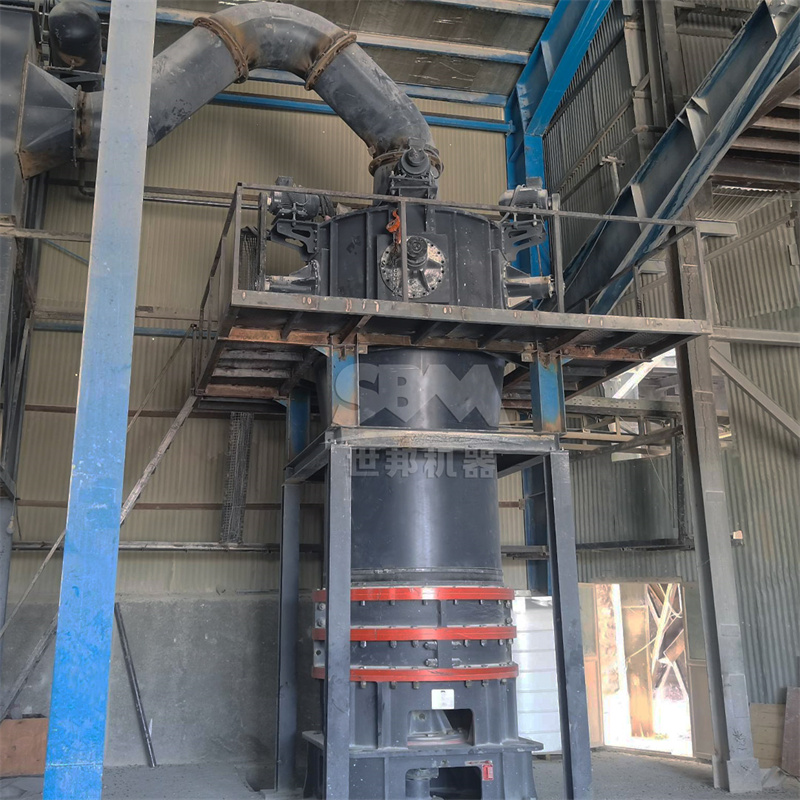
Comparative Analysis: MRN Pendulum Mill vs. SCM Ultrafine Mill
Both the MRN Pendulum Mill and the SCM Series Ultrafine Mill are excellent choices for metallurgical grade attapulgite processing, but they cater to different needs. The MRN Pendulum Mill is ideal for medium to large-scale production of powders in the 30–325 mesh range. Its robust construction and high capacity make it suitable for continuous operation in refractory and foundry plants. On the other hand, the SCM Ultrafine Mill excels in producing ultrafine powders (325–2500 mesh) with high precision, making it the preferred choice for advanced applications requiring superior fineness and uniformity.
When selecting between these two mills, consider the following:
- If your target fineness is coarser than 325 mesh and you require high throughput: The MRN Pendulum Mill is more cost-effective and easier to maintain.
- If your application demands ultrafine powder (finer than 325 mesh) for specialized refractories or foundry coatings: The SCM Ultrafine Mill offers the precision and efficiency needed.
- If you need to process both coarse and fine grades: You may consider installing both mills in a staged grinding circuit, using the MRN for pre-grinding and the SCM for fine grinding.
Additional Equipment for a Complete Attapulgite Processing Line
To establish a complete metallurgical grade attapulgite powder production line, auxiliary equipment is essential. Our company offers a full range of complementary machinery:
- Hammer Mill (0–3 mm): For primary crushing of raw attapulgite ore. Available models include PC4008-75 (8–15 t/h), PC4012-90 (15–40 t/h), and PC4015-132 (40–70 t/h).
- LM Series Vertical Roller Mill: For large-scale grinding with capacities up to 250 t/h. The LM series integrates crushing, grinding, and classification, reducing floor space by 50%.
- LUM Ultrafine Vertical Roller Mill: For ultrafine grinding down to 5–30 μm, with models LUM1525, LUM1632, and LUM1836.
- MTW European Trapezium Mill: For fine grinding with capacities up to 45 t/h and fineness down to 325 mesh.
- Ball Mill: For wet or dry grinding, with capacities up to 450 t/h and fineness adjustable from 0.074 to 0.8 mm.
By integrating these machines, you can build a customized production line that meets your specific requirements for metallurgical grade attapulgite powder.
Conclusion
Choosing the right grinding mill for metallurgical grade attapulgite powder production is a critical decision that impacts product quality, operational efficiency, and profitability. For refractory and foundry applications, the MRN Pendulum Mill and SCM Series Ultrafine Mill from our company represent state-of-the-art solutions that deliver exceptional performance, energy efficiency, and environmental compliance.
We invite you to consult with our technical experts to determine the optimal configuration for your attapulgite processing needs. With our comprehensive range of mills and auxiliary equipment, we are committed to providing you with a tailored solution that maximizes your return on investment.
For more information, please contact our sales team or visit our website to explore our full product lineup. Let us help you unlock the full potential of metallurgical grade attapulgite for your refractory and foundry applications.