
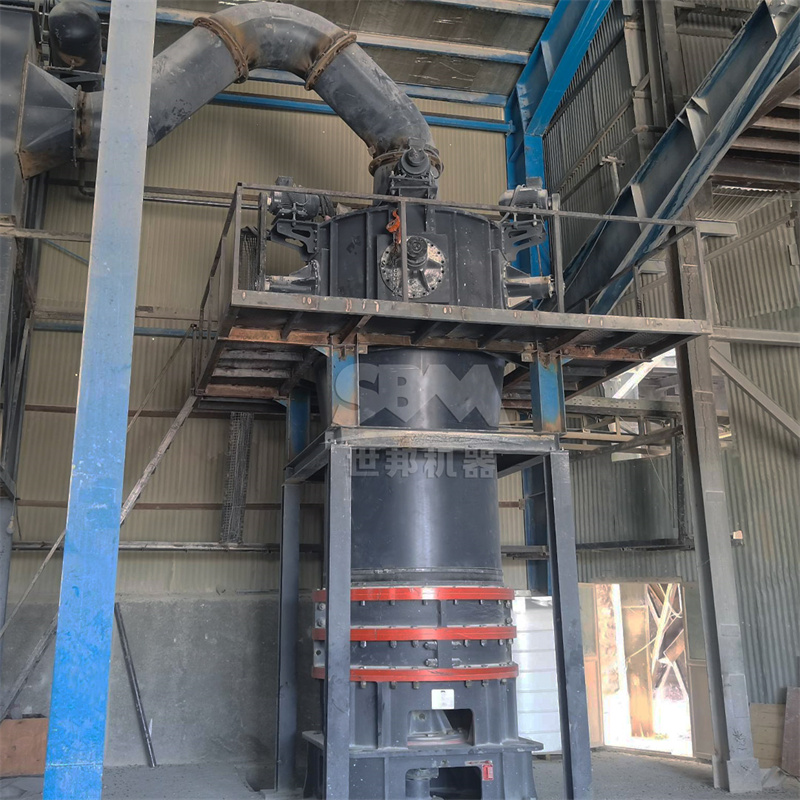
Introduction: The Critical Role of Grinding in Flue Gas Desulfurization
In the modern industrial landscape, environmental compliance is not just a regulatory requirement—it is a cornerstone of sustainable operations. Coal-fired power plants, steel mills, cement kilns, and waste incineration facilities all rely on flue gas desulfurization (FGD) systems to reduce sulfur dioxide (SO₂) emissions. At the heart of these systems lies the desulfurization agent, typically limestone (calcium carbonate) or lime (calcium oxide), which reacts with SO₂ to form stable calcium sulfite or sulfate compounds.
The efficiency of any FGD process depends heavily on the particle size distribution of the desulfurization agent. Finer particles provide greater surface area for chemical reaction, leading to higher desulfurization efficiency and lower reagent consumption. Conversely, oversized particles pass through the system unreacted, wasting material and potentially causing operational issues such as nozzle clogging or incomplete reaction. Therefore, selecting the right grinding mill for your desulfurization agent production line is a decision that directly impacts both your environmental performance and your bottom line.
This article provides a comprehensive guide to choosing the optimal grinding equipment for limestone and lime processing in flue gas treatment applications. We will examine key selection criteria, explore different mill technologies, and highlight how the right equipment can transform your desulfurization operations.
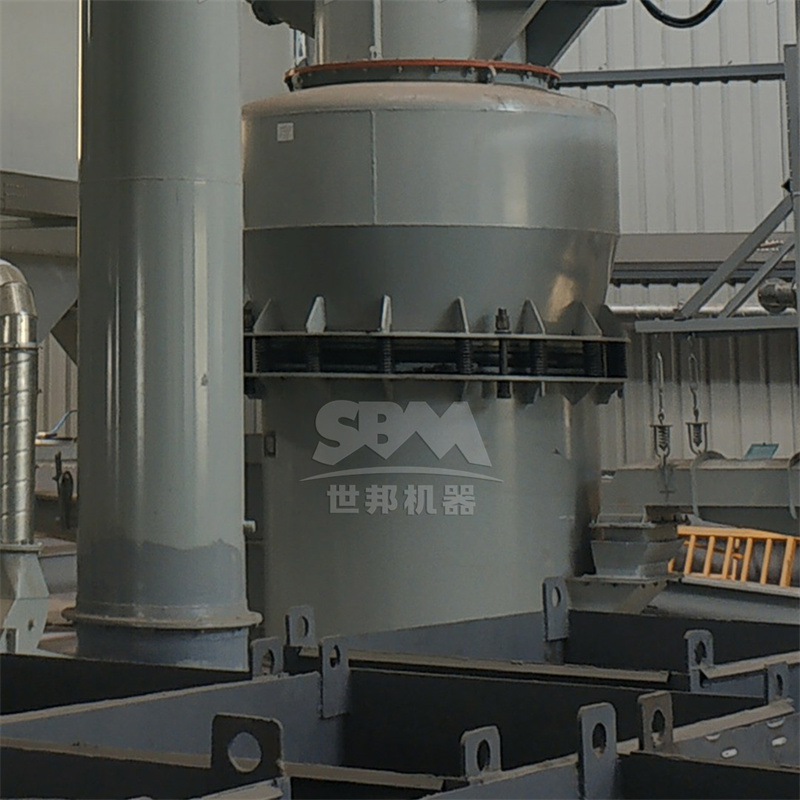
Understanding Your Desulfurization Agent Requirements
Before evaluating mill options, you must clearly define your production requirements. The following parameters are essential:
1. Target Fineness
For limestone-based wet FGD systems, the typical requirement is 90% passing 250 mesh (approximately 58 microns) or finer. Some advanced systems require 95% passing 325 mesh (44 microns). For dry sorbent injection (DSI) systems, even finer grinding—often 95% passing 400 mesh or higher—may be necessary to achieve adequate reaction rates in the short residence time available.
Your specific fineness target will determine which mill technologies are viable. Ball mills can achieve fine grinds but are energy-intensive. Vertical roller mills and trapezium mills offer more efficient fine grinding. Ultrafine mills are reserved for the most demanding applications.
2. Production Capacity
Desulfurization agent consumption varies widely based on boiler size, coal sulfur content, and emission limits. A small industrial boiler might require 2-5 tons per hour of ground limestone, while a large utility boiler could need 30-50 tons per hour or more. Your mill selection must match your peak demand while providing some operational flexibility.
3. Material Characteristics
Limestone hardness (typically 3-4 on the Mohs scale) varies by deposit. Some limestones are relatively soft and easy to grind, while others contain hard inclusions that accelerate wear. Moisture content is another critical factor—wet limestone can cause clogging in some mill types, while dry material may generate excessive dust. The presence of abrasive minerals such as silica will influence wear part selection and maintenance intervals.
4. System Integration
Will your grinding mill operate as a standalone production unit or as part of an integrated FGD system? In many modern plants, the mill is directly coupled to the reagent preparation system, requiring seamless control integration and consistent output. Space constraints, available utilities, and automation requirements all play a role in mill selection.
Evaluating Grinding Mill Technologies for Desulfurization Agents
Several types of grinding mills are commonly used in desulfurization agent production. Each has distinct advantages and limitations.
Ball Mills: Traditional but Energy-Intensive
Ball mills have been the workhorse of mineral grinding for over a century. They are robust, reliable, and capable of producing fine products. However, their energy consumption is high—typically 30-40% more than modern vertical mills for equivalent fineness. Ball mills also require significant floor space and generate considerable noise and vibration. For large-scale desulfurization projects where capital cost is prioritized over operating cost, ball mills remain a viable option, but they are increasingly being replaced by more efficient technologies.
Vertical Roller Mills: The Modern Standard
Vertical roller mills (VRMs) have revolutionized cement and mineral grinding over the past three decades. In a VRM, the grinding table rotates while rollers press material against the table surface. The material bed grinding principle dramatically reduces energy consumption compared to ball mills. VRMs also offer integrated drying, classification, and material transport, simplifying plant design.
For desulfurization agent production, VRMs excel at producing consistent fineness with low specific power consumption. They handle high moisture materials well and have a compact footprint. However, VRMs require careful operation to maintain stable grinding bed conditions, and they are less suited to very fine grinding below 325 mesh.
Our company’s LM Series Vertical Roller Mill is an excellent choice for medium-to-large desulfurization agent production lines. With capacities ranging from 3 to 250 tons per hour and fineness adjustable from 30 to 325 mesh (with special models reaching 600 mesh), the LM series offers the flexibility and efficiency that modern FGD systems demand.
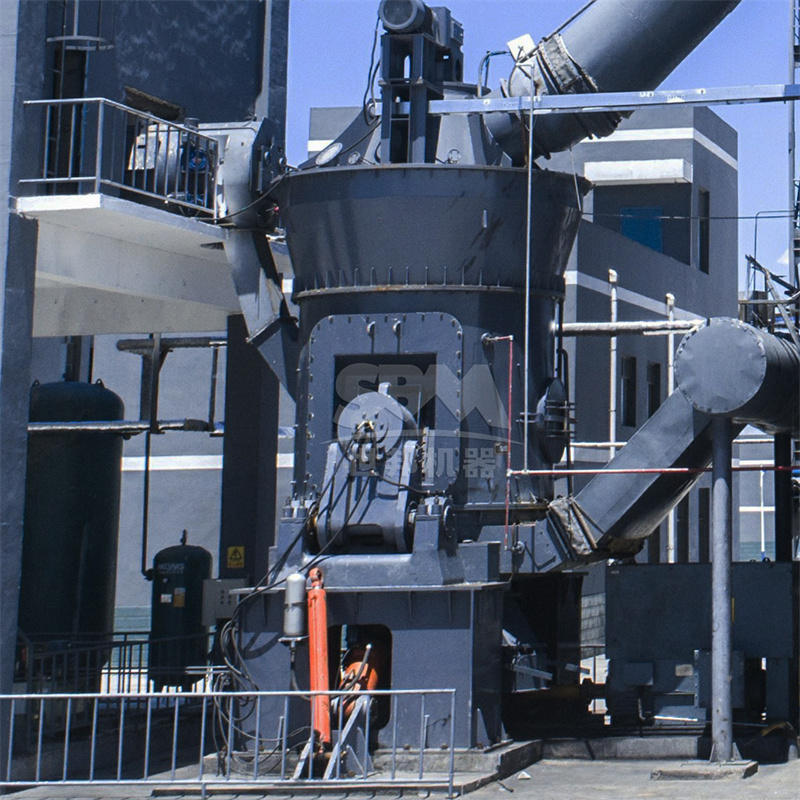
Trapezium Mills: Versatile and Efficient
Trapezium mills, such as the MTW and MTM series, represent an evolution of the traditional Raymond mill. They feature curved grinding rollers and rings that create a more effective grinding zone, improving efficiency and reducing wear. The MTW series European trapezium mill is particularly well-suited to desulfurization agent production, with capacities up to 45 tons per hour and fineness adjustable from 30 to 325 mesh.
The MTW series incorporates several patented technologies, including an integral bevel gear drive with 98% transmission efficiency, wear-resistant volute structures, and optimized arc air ducts. These features reduce maintenance costs by up to 30% compared to conventional mills while maintaining consistent product quality.
Ultrafine Mills: For the Most Demanding Applications
When desulfurization requirements call for extremely fine grinding—325 mesh to 2500 mesh—ultrafine mills are the answer. The SCM Series Ultrafine Mill from our company is engineered for precision and efficiency in this range. With capacities from 0.5 to 25 tons per hour, it can serve both small specialty applications and large-scale production.
The SCM series features a vertical turbine classifier that achieves precise particle size cutting with no coarse powder mixing. This ensures uniform finished products, which is critical for consistent desulfurization performance. The mill’s intelligent control system provides automatic finished product granularity feedback, allowing operators to maintain optimal fineness without constant manual adjustment. Energy consumption is 30% lower than jet mills, and the soundproof room design keeps noise levels well within regulatory limits.
Key Selection Criteria for Desulfurization Grinding Mills
With an understanding of available technologies, let us examine the specific criteria that should guide your selection process.
Grinding Efficiency and Energy Consumption
Energy is typically the largest operating cost in desulfurization agent production. The specific energy consumption (kWh per ton of product) varies significantly by mill type. Ball mills typically consume 25-35 kWh/t for fine grinding, while vertical roller mills can achieve the same fineness at 15-22 kWh/t. Ultrafine mills are in a different category, with energy consumption depending on the target fineness—but modern designs like the SCM series minimize waste through efficient classification and material handling.
When evaluating mills, request specific power consumption data at your target fineness and capacity. Be wary of generalized claims; actual performance depends on material characteristics and operating conditions.
Product Fineness and Particle Size Distribution
Desulfurization efficiency is not just about average particle size—the entire particle size distribution matters. A product with 90% passing 250 mesh but a significant coarse fraction may perform worse than a product with 85% passing 250 mesh but a tighter distribution. Mills with high-precision classifiers, such as the SCM series with its vertical turbine classifier, produce narrower distributions and more consistent products.
Consider also the shape of the particles. Some grinding methods produce more angular particles, which may affect slurry rheology in wet FGD systems. Roller mills generally produce more cubical particles than ball mills, which can be advantageous in certain applications.
Wear and Maintenance
Desulfurization agent production is a continuous, demanding application. Mill wear parts—rollers, rings, liners—must withstand constant abrasion. The cost of replacement parts and the downtime required for maintenance can significantly impact total operating costs.
Look for mills with wear-resistant materials and designs that minimize maintenance requirements. The MTW series, for example, features combined shovel blades with curved designs that extend grinding roller life. The LM series uses non-contact design between rollers and table, increasing wear part life by up to three times compared to conventional designs. The SCM series employs special material rollers and rings that extend service life several times over.
Also consider the ease of maintenance. Can wear parts be replaced quickly? Are special tools required? Does the mill design allow access to critical components without extensive disassembly? These factors affect both planned and unplanned downtime.
Environmental Performance
Modern desulfurization agent production facilities must meet strict environmental standards for dust emissions and noise. Grinding mills are inherently dusty and noisy, so effective containment and control measures are essential.
All mills from our company incorporate advanced pulse dust collection systems that exceed international standards. The SCM series includes a soundproof room design that keeps noise levels well within regulatory limits. The LM series operates under fully sealed negative pressure, preventing dust leakage. When evaluating mills, verify that the proposed dust collection and noise control measures meet your local regulations and your corporate environmental goals.
Automation and Control
Modern grinding mills increasingly incorporate advanced control systems that optimize performance and reduce operator intervention. Intelligent pressure regulation, automatic fineness feedback, and remote monitoring capabilities are becoming standard features.
The SCM series offers intelligent control with automatic finished product granularity feedback. The LM series features an expert-level auto-control system supporting remote/local switching and real-time parameter monitoring. These capabilities not only improve product consistency but also reduce labor costs and enable predictive maintenance.
Matching Mill Technology to Your Application
With the selection criteria in mind, let us consider how different mill types match specific desulfurization applications.
Large Utility Boilers (Wet FGD)
For large power plants with wet FGD systems, the typical requirement is 20-50 tons per hour of limestone ground to 90% passing 250 mesh. Vertical roller mills such as the LM series are ideal for this application, offering high capacity, low energy consumption, and reliable operation. The LM series models from LM130K to LM280K cover this capacity range with main motor power from 200 kW to 1250 kW.
Industrial Boilers and Smaller Plants
For industrial boilers and smaller power plants, capacities of 5-20 tons per hour are common. The MTW series European trapezium mill is well-suited to this range, with models from MTW110 to MTW215G covering capacities from 3 to 45 tons per hour. The MTW series offers excellent efficiency and product quality at a competitive capital cost.
Dry Sorbent Injection Systems
Dry sorbent injection systems require finer grinding, typically 95% passing 325 mesh or finer. The SCM series ultrafine mill is the preferred choice for this application, with models from SCM800 to SCM1680 covering capacities from 0.5 to 25 tons per hour. The SCM series achieves the precise fineness required for effective DSI performance.
Specialty and Small-Scale Applications
For laboratory-scale testing, pilot plants, or small specialty production, the MTM series medium-speed trapezium mill offers capacities from 3 to 22 tons per hour with fineness from 45 to 325 mesh. The MTM series is also suitable for smaller industrial applications where space and capital cost are constrained.
Conclusion: Investing in the Right Grinding Solution
Selecting the right grinding mill for your desulfurization agent production line is a decision that will affect your operations for decades. The mill must not only meet your current capacity and fineness requirements but also provide the efficiency, reliability, and environmental performance needed for long-term success.
Our company offers a comprehensive range of grinding mills suitable for every desulfurization application. From the high-capacity LM series vertical roller mills to the precision SCM series ultrafine mills, we have the technology and expertise to help you achieve your environmental and operational goals.
We invite you to contact our engineering team to discuss your specific requirements. With decades of experience in mineral processing and environmental applications, we can help you select the optimal grinding solution for your flue gas treatment line. Together, we can build a cleaner, more efficient future.