
Activated carbon is one of the most versatile adsorbent materials in modern industry, widely used for decolorization, purification, and removal of impurities in food processing, pharmaceuticals, water treatment, and chemical manufacturing. The decolorization efficiency of activated carbon depends heavily on its particle size distribution, surface area, and pore structure. To achieve optimal performance, activated carbon must be ground to a precise fineness using specialized processing equipment. Selecting the right grinding mill is therefore a critical decision that directly impacts product quality, operational costs, and production efficiency.
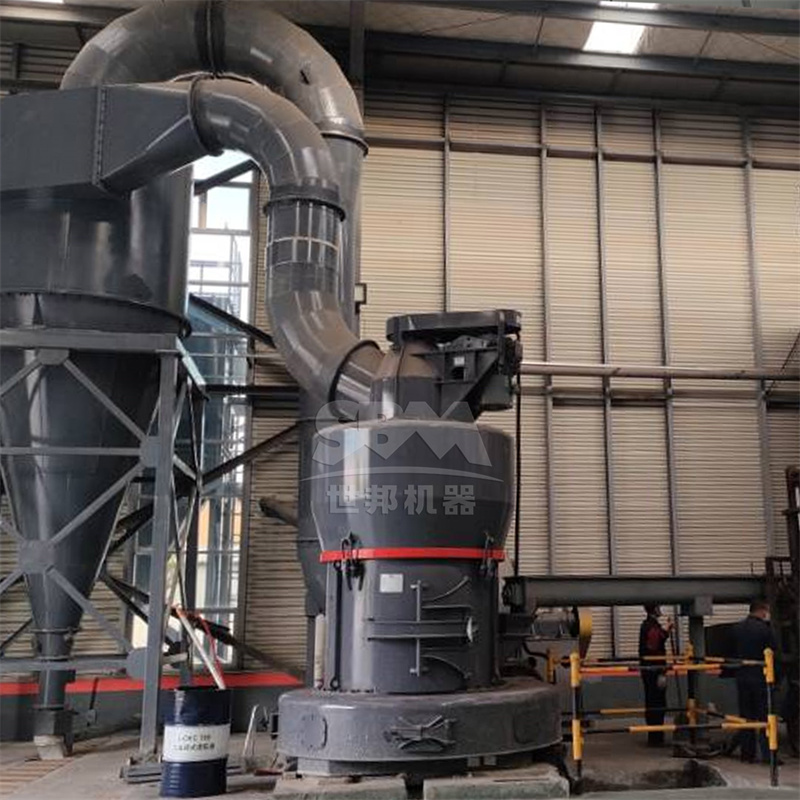
Why Particle Size Matters in Activated Carbon Decolorization
The decolorization capability of activated carbon is primarily governed by its adsorption kinetics and surface area. Finer particles provide a larger specific surface area, which translates to more active adsorption sites and faster color removal. However, excessively fine powders can create filtration difficulties, dust hazards, and material loss. The optimal fineness for decolorization applications typically ranges between 200 and 325 mesh (approximately 45 to 74 microns), though certain high-purity applications may require ultrafine grinding down to 1250 mesh or finer.
Different decolorization scenarios demand different particle size specifications:
- Food and beverage industry: Generally requires 200-325 mesh for efficient color removal from sugar solutions, edible oils, and juices.
- Pharmaceutical applications: Often demands 325-1250 mesh to ensure complete decolorization of drug intermediates and API solutions.
- Water treatment: Typically uses coarser grades (100-200 mesh) where filtration is a primary concern.
- Chemical purification: May require ultrafine grades (1250-2500 mesh) for maximum adsorption efficiency.
Understanding these requirements is the foundation for selecting appropriate grinding equipment. The mill must not only achieve the target fineness but also maintain consistent particle size distribution, minimize contamination, and operate economically at the required production scale.
Key Factors in Selecting a Grinding Mill for Activated Carbon
1. Target Fineness and Particle Size Distribution
The required output fineness is the primary determinant of mill type. Coarse grinding (below 200 mesh) can be achieved with hammer mills or ball mills, while fine and ultrafine grinding (325-2500 mesh) demands more sophisticated equipment such as ultrafine mills or vertical roller mills. Particle size distribution narrowness is equally important—a uniform product ensures consistent decolorization performance and avoids the presence of coarse particles that could reduce adsorption efficiency.
2. Production Capacity Requirements
Activated carbon processing scales vary dramatically, from small-batch pharmaceutical operations producing a few hundred kilograms per hour to large-scale industrial facilities processing tens of tons per hour. The mill selection must match the required throughput without compromising fineness or product quality. Over-specifying capacity leads to unnecessary capital expenditure, while under-specifying results in production bottlenecks.
3. Material Characteristics
Activated carbon is relatively soft compared to minerals like quartz or corundum, with a Mohs hardness typically between 1 and 3. However, it is highly abrasive due to its porous structure and can be dusty during processing. The mill’s wear parts must be designed to handle this abrasive nature, and the system should incorporate effective dust collection to prevent material loss and maintain a safe working environment.
4. Energy Efficiency and Operating Costs
Grinding is an energy-intensive process, and activated carbon production facilities often operate continuously. The energy consumption per ton of finished product is a critical economic factor. Modern grinding mills with optimized grinding mechanisms, high-efficiency classifiers, and intelligent control systems can significantly reduce power consumption compared to traditional equipment.
5. Contamination Control
For pharmaceutical and food-grade activated carbon, contamination from wear parts is unacceptable. The mill’s grinding chamber and wear components should be made from materials that do not introduce harmful substances into the final product. Stainless steel construction or ceramic-lined options may be necessary for high-purity applications.
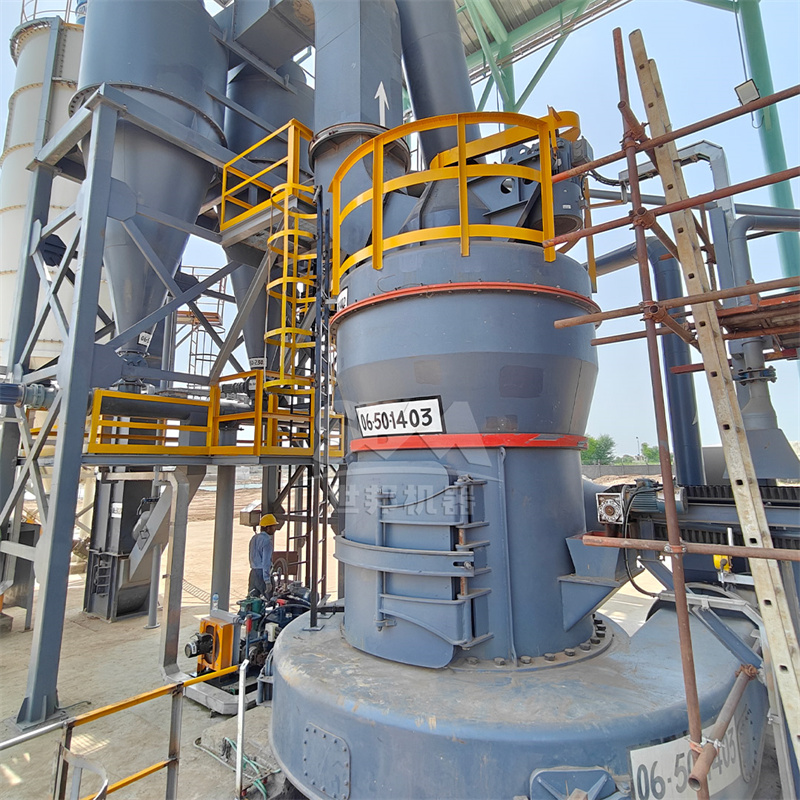
Recommended Equipment: SCM Series Ultrafine Mill
For activated carbon decolorization applications requiring fine to ultrafine grinding, the SCM Series Ultrafine Mill stands out as an exceptional choice. This mill is specifically engineered to produce 325-2500 mesh powders with remarkable efficiency and precision.
The SCM Series features a vertical turbine classifier that achieves precise particle size cutting, ensuring no coarse powder mixing and delivering uniform finished products—a critical requirement for consistent decolorization performance. Its capacity is twice that of conventional jet mills while consuming 30% less energy, making it a highly cost-effective solution for large-scale activated carbon processing.
The mill’s special material rollers and rings extend service life several times over compared to standard wear parts, reducing maintenance costs and downtime. The shaftless screw grinding chamber ensures stable operation even under continuous heavy-duty use. Additionally, the SCM Series incorporates pulse dust collection with efficiency exceeding international standards, and its soundproof room design maintains noise levels at a minimum, creating a safer and more comfortable working environment.
Key specifications of the SCM Series:
- Input size: ≤20mm
- Output fineness: 325-2500 mesh
- Capacity: 0.5-25 ton/h depending on model
- Available models: SCM800, SCM900, SCM1000, SCM1250, SCM1680
For a mid-sized activated carbon decolorization operation, the SCM1000 model offers an excellent balance of capacity (1.0-8.5 t/h) and fineness capability, making it suitable for producing high-quality decolorizing carbon for food and pharmaceutical applications.
Recommended Equipment: MTW Series European Trapezium Mill
For applications requiring somewhat coarser grinding or higher capacity at moderate fineness, the MTW Series European Trapezium Mill is an outstanding option. This mill produces 30-325 mesh powders with capacities ranging from 3 to 45 tons per hour, making it ideal for large-scale activated carbon production where the target fineness is in the 200-325 mesh range.
The MTW Series incorporates several innovative design features that enhance its suitability for activated carbon processing. Its anti-wear shovel design uses combined shovel blades that reduce maintenance costs, while the curved design extends grinding roller life—important considerations when processing abrasive carbon materials. The optimized arc air duct reduces airflow energy loss and improves transmission efficiency, contributing to lower overall power consumption.
The integral bevel gear drive achieves transmission efficiency of up to 98%, saving space and reducing installation costs. The wear-resistant volute structure features a non-resistance flow design that improves air selection efficiency and reduces maintenance costs by 30%. With models ranging from MTW110 to MTW215G, there is a configuration suitable for virtually any production scale.
Key specifications of the MTW Series:
- Input size: ≤50mm
- Output fineness: 30-325 mesh (down to 0.038mm)
- Capacity: 3-45 ton/h depending on model
- Available models: MTW110, MTW110Z, MTW138Z, MTW175G, MTW215G, MRN158, MRN198, MRN218
For a typical activated carbon decolorization plant producing 10-20 tons per hour at 200-325 mesh, the MTW138Z or MTW175G would be ideal choices, offering robust performance and reliable operation.
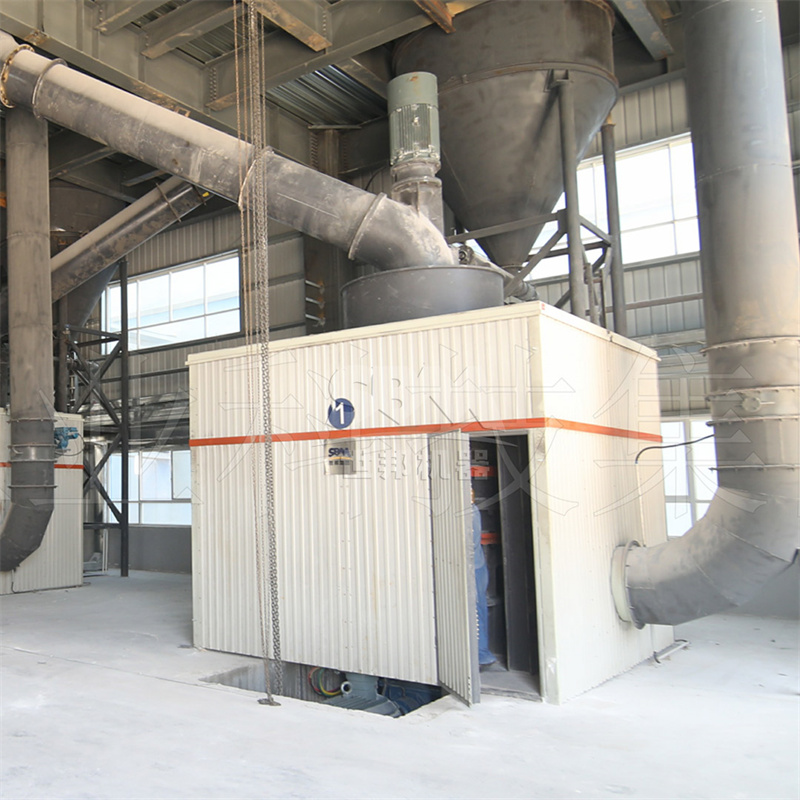
Comparing Grinding Technologies for Activated Carbon
Ball Mills
Ball mills have traditionally been used for activated carbon grinding, offering wide application ranges and high crushing ratios (up to 300:1). They can operate in both dry and wet modes and handle large capacities. However, ball mills are energy-intensive, noisy, and produce a relatively broad particle size distribution. For decolorization applications requiring precise fineness control, ball mills may not be the most efficient choice.
Hammer Mills
Hammer mills are suitable for coarse grinding (0-3mm) and can serve as pre-grinding equipment in a multi-stage system. They offer high capacity and crushing ratio with a compact structure and low investment cost. However, they cannot achieve the fine fineness required for most decolorization applications and are typically used only for preliminary size reduction.
Vertical Roller Mills (LM Series)
The LM Series Vertical Roller Mill offers integrated crushing, grinding, and classification in a single unit, with capacities up to 250 tons per hour. Its energy consumption is 30-40% lower than ball mill systems, and wear part life is increased by three times due to the non-contact design between rollers and table. For large-scale activated carbon production requiring 200-325 mesh fineness, the LM Series is a strong contender. However, for ultrafine decolorization grades below 325 mesh, the SCM Series or LUM Series may be more appropriate.
LUM Ultrafine Vertical Roller Mill
The LUM Series is specifically designed for ultrafine grinding in the 325-2500 mesh range. Its unique roller and liner curves improve grinding efficiency, while the multi-rotor classifier ensures no coarse particles in the finished product. The PLC automation system provides stable operation and easy control. For activated carbon decolorization requiring the finest grades, the LUM Series is an excellent option, particularly for smaller-scale specialized production.
Practical Selection Guidelines
To simplify the selection process, consider the following decision framework:
- Determine your target fineness: If you need 325-2500 mesh, focus on ultrafine mills (SCM, LUM). If 30-325 mesh suffices, consider MTW or LM series mills.
- Assess your capacity needs: For 0.5-25 t/h, the SCM Series is ideal. For 3-45 t/h, the MTW Series excels. For capacities above 45 t/h, the LM Series offers the highest throughput.
- Evaluate your budget: Hammer mills and ball mills have lower initial costs but may incur higher operating expenses. Ultrafine mills require higher capital investment but deliver superior product quality and energy efficiency.
- Consider your application requirements: Pharmaceutical and food-grade applications demand the highest purity and consistency, favoring the SCM or LUM Series. Industrial-grade decolorization may be adequately served by the MTW Series.
- Plan for growth: Choose a mill with some built-in capacity margin to accommodate future production increases without requiring immediate equipment replacement.
Conclusion
Selecting the right grinding mill for activated carbon decolorization is a multi-faceted decision that balances fineness requirements, production capacity, energy efficiency, maintenance costs, and product quality. The SCM Series Ultrafine Mill and MTW Series European Trapezium Mill represent two of the most capable and cost-effective solutions available today, each suited to different segments of the activated carbon processing spectrum.
For ultrafine decolorization grades requiring 325-2500 mesh with high consistency, the SCM Series is the clear choice, offering twice the capacity of jet mills at 30% lower energy consumption. For medium-fine grinding at higher throughputs, the MTW Series delivers exceptional reliability and efficiency with its advanced anti-wear and energy-saving designs.
We encourage you to consult with our technical team to conduct material testing and determine the optimal mill configuration for your specific activated carbon decolorization application. With the right equipment, you can achieve superior product quality, lower operating costs, and a competitive advantage in your market.