
Introduction
Talc is a versatile mineral with a wide range of industrial applications, from plastics and ceramics to cosmetics and pharmaceuticals. Its unique properties—softness, lubricity, chemical inertness, and whiteness—make it indispensable in many manufacturing processes. However, to unlock the full potential of talc, it must be processed into fine powders of specific particle sizes. Choosing the right milling and grinding equipment is therefore critical to achieving product quality, operational efficiency, and cost-effectiveness. With numerous options available, from ultrafine mills to vertical roller mills, this article guides you through the key considerations and highlights two exceptional solutions: the SCM Series Ultrafine Mill and the MTW Series European Trapezium Mill.
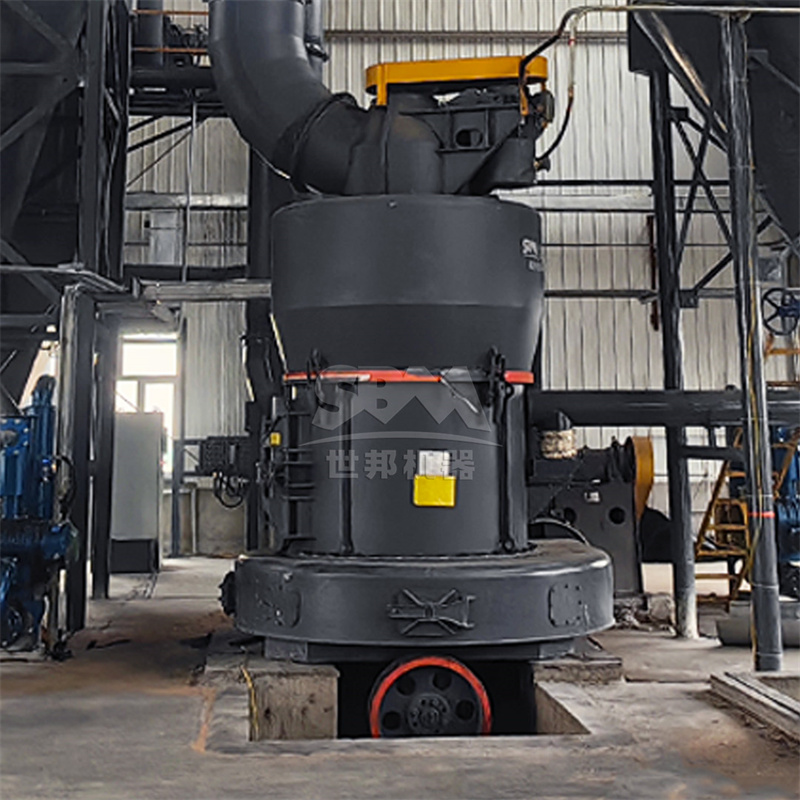
Understanding Talc and Its Processing Requirements
Talc (Mg3Si4O10(OH)2) is the softest mineral on the Mohs scale, with a rating of 1. Its natural softness and platy structure make it relatively easy to grind, but achieving consistent fineness and high purity requires specialized equipment. Talc powders are typically classified by mesh size: coarse grades (e.g., 200-325 mesh), fine grades (e.g., 325-1250 mesh), and ultrafine grades (e.g., 1250-2500 mesh or finer). Each application demands specific particle size distributions—for instance, cosmetics require ultrafine, contaminant-free talc, while plastics and paints often use fine to medium grades.
Key challenges in talc processing include avoiding contamination (especially from iron), controlling particle size precisely, and managing energy consumption. Since talc is soft, it can be prone to over-grinding, which wastes energy and can alter particle shape. Therefore, the ideal milling solution should offer efficient classification, minimal wear, and the ability to adjust fineness easily.
Key Factors in Selecting Talc Milling Equipment
When choosing a milling and grinding solution for talc powder production, consider the following factors:
- Target Fineness: Determine the required mesh size or micron range. Ultrafine applications (e.g., 1250-2500 mesh) demand high-precision classifiers and specialized mills.
- Capacity: Match the mill’s throughput to your production scale, from small batches to continuous large-scale operations.
- Energy Efficiency: Talc grinding can be energy-intensive; choose equipment with optimized grinding mechanisms and advanced control systems.
- Contamination Prevention: Ensure the equipment is designed to minimize wear and prevent iron contamination, which is critical for high-purity talc.
- Maintenance and Wear Parts: Consider the longevity of wear parts and ease of maintenance to reduce downtime and operating costs.
- Environmental Compliance: Dust collection and noise reduction are essential for a safe and eco-friendly workplace.
- Cost: Evaluate the total cost of ownership, including installation, energy, maintenance, and spare parts.
With these factors in mind, let’s explore two proven solutions from our portfolio that excel in talc processing.
SCM Series Ultrafine Mill: Precision and Efficiency for Ultrafine Talc
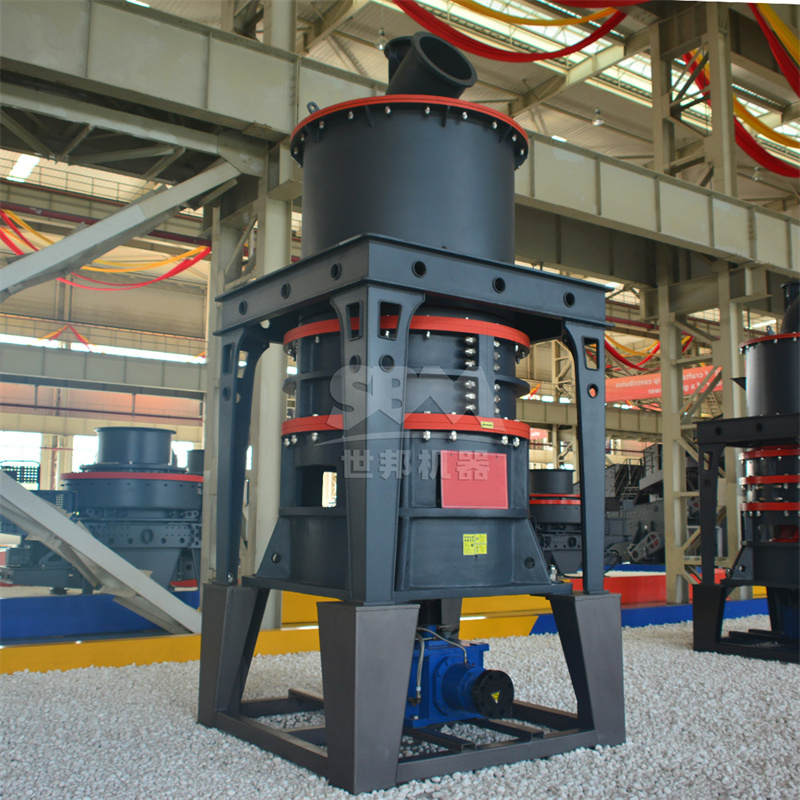
For producers aiming at the ultrafine talc market, the SCM Series Ultrafine Mill is a game-changer. Designed for output fineness ranging from 325 to 2500 mesh (45-5μm), this mill delivers exceptional performance with capacities from 0.5 to 25 tons per hour, depending on the model.
Technical Advantages:
- High Efficiency & Energy Saving: The SCM mill boasts a capacity twice that of jet mills while consuming 30% less energy. Its intelligent control system provides automatic feedback on finished product granularity, ensuring consistent quality without constant operator intervention.
- High-Precision Classification: The vertical turbine classifier achieves precise particle size cutting, eliminating coarse powder mixing and guaranteeing uniform finished products—a must for demanding applications like cosmetics and high-end plastics.
- Durable Design: Special material rollers and rings extend service life several times over, reducing maintenance costs. The shaftless screw grinding chamber ensures stable operation and minimizes wear.
- Eco-friendly & Low Noise: The pulse dust collection system exceeds international standards, and the soundproof room design keeps noise levels low, creating a cleaner and quieter working environment.
The SCM mill operates on a unique principle: the main motor drives three layers of grinding rings to rotate. Materials are dispersed into the grinding path by centrifugal force, crushed by roller pressure, and ground layer by layer. The powder collection is completed by a cyclone collector and a pulse dust removal system.
Available models include SCM800 (0.5-4.5t/h), SCM900 (0.8-6.5t/h), SCM1000 (1.0-8.5t/h), SCM1250 (2.5-14t/h), and SCM1680 (5.0-25t/h), all accepting feed sizes up to 20mm. For talc processors targeting ultrafine grades, the SCM Series is an ideal choice.
MTW Series European Trapezium Mill: Versatility and Reliability for Fine Talc
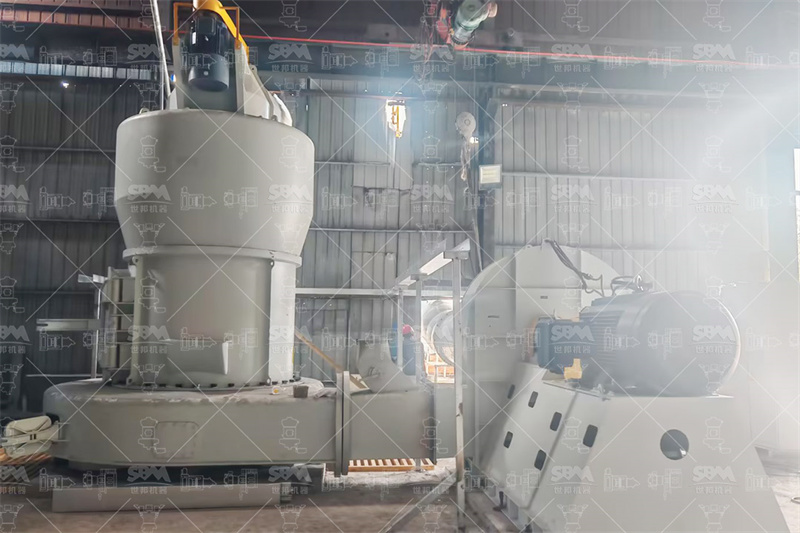
For fine talc production (30-325 mesh), the MTW Series European Trapezium Mill offers a versatile and reliable solution. With capacities from 3 to 45 tons per hour and feed sizes up to 50mm, this mill is well-suited for medium to large-scale operations.
Technical Advantages:
- Anti-wear Shovel Design: Combined shovel blades with a curved design reduce maintenance costs and extend grinding roller life, ensuring long-term reliability.
- Optimized Arc Air Duct: The arc-shaped air duct reduces airflow energy loss and improves transmission efficiency, while high-strength guard plates protect the working surface.
- Integral Bevel Gear Drive: Transmission efficiency reaches up to 98%, saving space and reducing installation costs.
- Wear-resistant Volute Structure: The non-resistance flow design improves air selection efficiency and reduces maintenance costs by 30%.
The MTW mill operates with the main motor driving grinding rollers that revolve around the central axis while self-rotating to generate centrifugal force. Shovels throw materials between the ring and rollers to form a material layer, achieving efficient crushing through extrusion. The classification system precisely controls the finished product size.
Models range from MTW110 (3-9t/h) to MTW215G (15-45t/h), with various configurations to match specific needs. Patented technologies include an internal suction oil lubrication system and internationally advanced pulse dust removal technology. With its robust design and efficient operation, the MTW Series is a dependable workhorse for talc powder production.
Comparing the Options: Which Mill Suits Your Talc Production?
The choice between the SCM Series and the MTW Series depends on your target fineness and production scale.
- SCM Series: Best for ultrafine talc (325-2500 mesh) with high precision and energy efficiency. Ideal for cosmetic, pharmaceutical, and specialty applications where particle size uniformity is critical.
- MTW Series: Best for fine to medium talc (30-325 mesh) with high capacity and versatility. Suitable for plastics, ceramics, paints, and paper industries where larger volumes are needed.
Both mills offer eco-friendly features and durable designs, but the SCM’s advanced classification and energy savings give it an edge for ultrafine grinding, while the MTW’s robust construction and high throughput make it a cost-effective choice for fine grinding. For producers requiring both fine and ultrafine talc, a combination of both mills can provide a complete processing solution.
Conclusion
Selecting the right milling and grinding equipment for talc powder production is a strategic decision that impacts product quality, operational efficiency, and profitability. The SCM Series Ultrafine Mill and MTW Series European Trapezium Mill represent two of the most advanced and reliable solutions available today. By understanding your fineness requirements, capacity needs, and operational constraints, you can choose the equipment that best aligns with your goals. With our proven technology and commitment to innovation, we are ready to help you optimize your talc processing line and achieve superior results.