
Introduction: The Critical Role of Quartz in Electrical Insulation
In the rapidly evolving world of electrical engineering and electronics manufacturing, the demand for high-performance insulation materials has never been greater. Among the myriad of materials available, quartz stone—and specifically high-purity quartz powder—stands out as a premier choice for electrical component insulation. Its exceptional dielectric properties, thermal stability, and chemical inertness make it indispensable in the production of circuit boards, high-voltage insulators, semiconductor encapsulants, and switchgear components.
However, transforming raw quartz stone into a finely tuned insulation material requires a sophisticated suite of processing equipment. From crushing and grinding to precise classification, the machinery used dictates the final quality of the quartz powder. This comprehensive guide explores the quartz stone processing equipment landscape, detailing the technologies that enable the production of premium electrical-grade quartz insulation materials. We will delve into the core machinery, technical advantages, and how selecting the right equipment can significantly enhance product consistency and manufacturing efficiency.
The Foundation: Crushing and Pre-Grinding Equipment
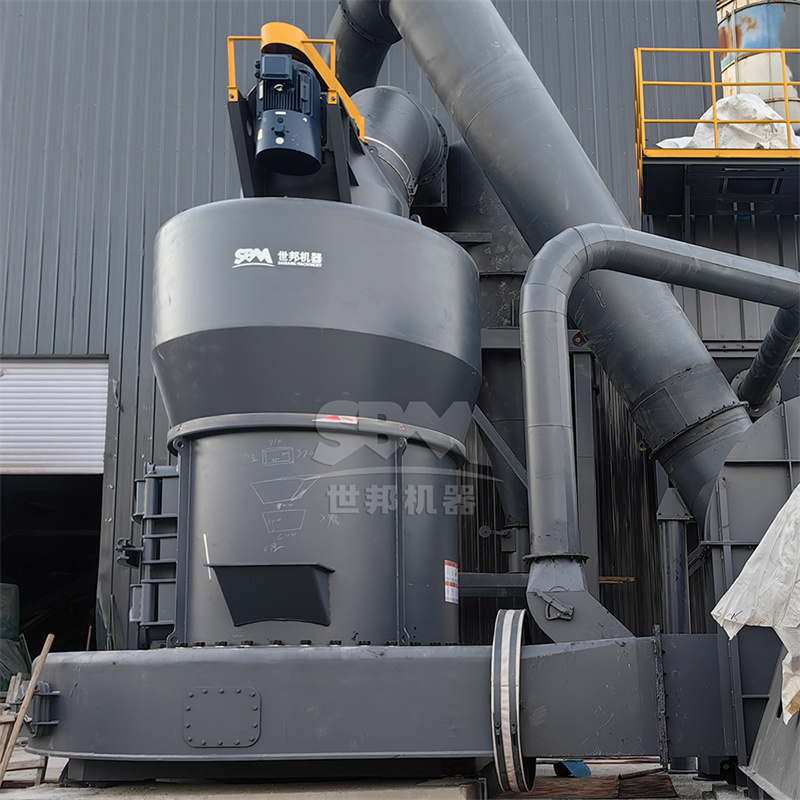
The journey of quartz stone begins with raw extraction and crushing. For electrical insulation applications, the purity and particle size distribution of the final quartz powder are paramount. The initial crushing stage sets the stage for efficient downstream processing. Hammer mills are frequently employed for primary crushing, reducing large quartz chunks to a manageable size of 0-3mm. Equipment such as the PC Series Hammer Mill offers high capacity and a high crushing ratio, ensuring stable operation and a compact structure that minimizes investment costs. The wear-resistant liners, often made from high manganese steel, guarantee a long service life even when dealing with the abrasive nature of quartz.
Following primary crushing, pre-grinding may be necessary for large-scale operations. Vertical pre-grinding roller mills, like the LM-Y Series, offer an integrated solution for crushing and grinding. Their bed grinding principle consumes 30-50% less power compared to traditional methods, making them an energy-efficient choice for preparing quartz material for the final ultrafine grinding stage. For electrical insulation, where contamination is strictly controlled, the easy maintenance and hydraulic system of these mills ensure minimal downtime and consistent product quality.
Core Grinding Technologies for Ultrafine Quartz Powder
To achieve the dielectric strength and thermal conductivity required for electrical insulation, quartz must be ground to ultrafine particle sizes, often ranging from 325 to 2500 mesh. This is where the core grinding equipment comes into play. The selection of the right mill is a balance between fineness, capacity, and energy consumption.
SCM Series Ultrafine Mill: Precision for High-End Insulation
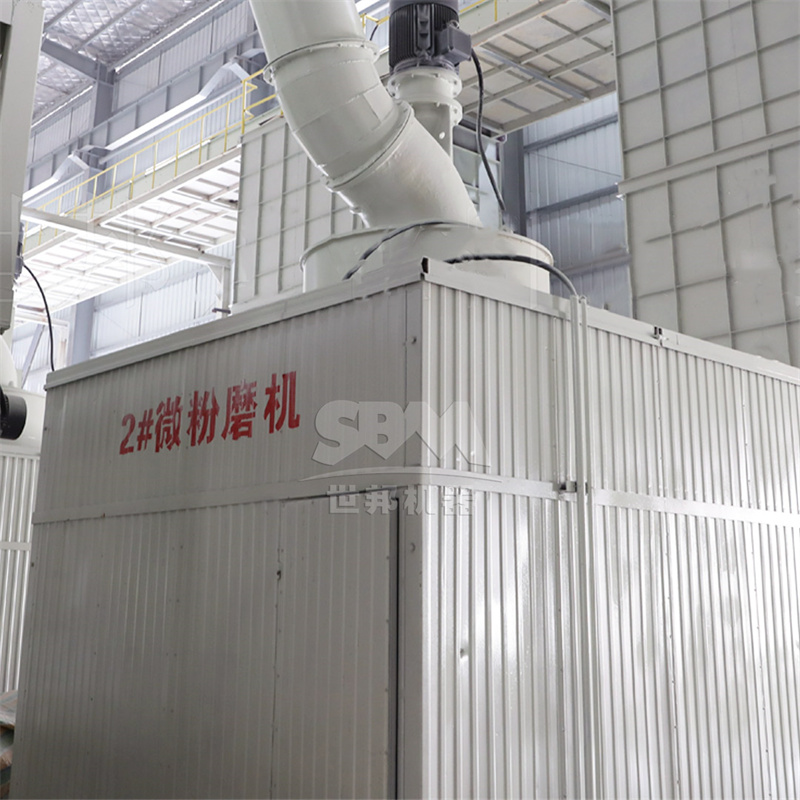
For manufacturers targeting the high-end electrical insulation market, the SCM Series Ultrafine Mill is a game-changer. This equipment is specifically designed to produce powders in the 45-5μm range (325-2500 mesh), making it ideal for advanced ceramic insulators and high-frequency circuit board substrates. The technical advantages of the SCM Series are compelling: its capacity is double that of a jet mill while consuming 30% less energy. The intelligent control system provides automatic feedback on finished product granularity, ensuring batch-to-batch consistency—a critical factor for electrical component manufacturing.
The high-precision vertical turbine classifier achieves precise particle size cutting, eliminating coarse powder mixing and ensuring a uniform finished product. This uniformity is essential for maintaining consistent dielectric properties across the insulation material. Furthermore, the durable design, featuring special material rollers and rings, extends service life several times over. The shaftless screw grinding chamber ensures stable operation, while the eco-friendly pulse dust collection system exceeds international standards, creating a clean working environment.
MTW Series European Trapezium Mill: Versatility and Efficiency
For operations requiring a broader range of fineness (30-325 mesh) and higher capacity, the MTW Series European Trapezium Mill is an excellent choice. Its anti-wear shovel design and curved grinding rollers reduce maintenance costs and extend service life, which is crucial when processing abrasive quartz. The optimized arc air duct reduces airflow energy loss, improving transmission efficiency. The integral bevel gear drive offers a transmission efficiency of up to 98%, saving space and reducing installation costs. For electrical insulation materials, the wear-resistant volute structure and non-resistance flow design improve air selection efficiency, ensuring that the final quartz powder meets stringent purity standards.
Vertical Roller Mills: Integrated Grinding and Classification
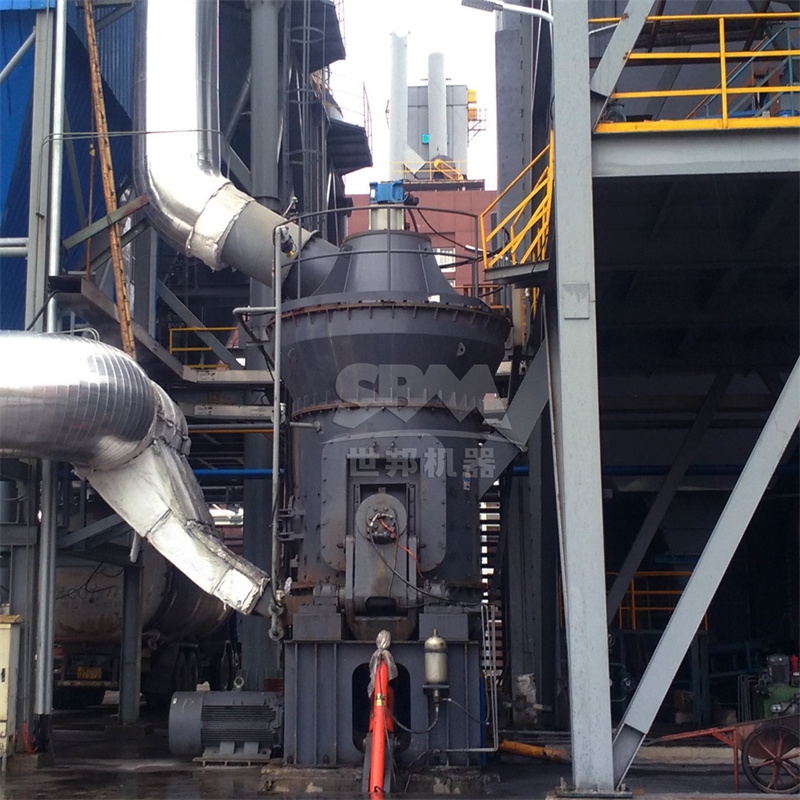
The LM Series Vertical Roller Mill represents a leap forward in integrated grinding technology. By combining crushing, grinding, and classification into a single system, it reduces floor space by 50% and can be installed outdoors, cutting infrastructure costs by 40%. For quartz processing, the non-contact design between rollers and the table increases wear part life by three times. The energy consumption is 30-40% lower than ball mill systems, making it a sustainable choice for large-scale production.
The intelligent control system allows for remote or local switching, with real-time monitoring of parameters to reduce manual intervention. The fully sealed negative pressure operation ensures dust emission is minimized, meeting strict environmental regulations. Models like the LM130K to LM280K offer capacities ranging from 10 to 170 t/h, with fineness adjustable from 170 to 45μm. For specialized electrical insulation applications, the LM130X-GX to LM220X-GX Vertical Fine-powder Mill Series offers 3 rollers and a fineness range of 325-600 mesh, providing a balance between ultrafine grinding and high capacity.
Ball Mills and Pendulum Mills: Traditional Reliability
While vertical mills dominate modern processing, ball mills remain a reliable option for certain applications. The GMQG and GMQY series offer capacities up to 450 t/h and can operate in both dry and wet modes. With a crushing ratio of up to 300:1 and continuously adjustable fineness, ball mills are versatile workhorses. However, for electrical insulation, the potential for contamination from steel ball wear must be carefully managed.
The MRN Pendulum Mill, with its thin oil lubrication and efficient collector, offers a maintenance-friendly alternative. Models like the MB5X98 and MB5X298 provide capacities from 2.7 to 83 t/h and fineness from 30 to 325 mesh. The scientific configuration of the new classifier and isolated cyclone reduces energy consumption, making it a cost-effective solution for medium-scale quartz processing.
Ensuring Quality: Classification and Dust Collection
The final quality of quartz powder for electrical insulation hinges on precise classification and efficient dust collection. The LUM Ultrafine Vertical Roller Mill features multi-rotor technology for precise classifying, ensuring no coarse particles contaminate the final product. Its PLC automation ensures stable running, while the negative pressure operation prevents dust leakage. For the most demanding applications, the SCM Series and LUM Series are the go-to choices, as they consistently deliver the narrow particle size distribution required for high dielectric strength.
Dust collection is not just an environmental necessity but a quality control measure. The pulse dust collection systems integrated into these mills exceed international standards, capturing fine particles that could otherwise alter the insulation properties. This is particularly important when processing quartz, as airborne silica dust poses health risks and equipment wear.
Selecting the Right Equipment for Your Application
When choosing quartz stone processing equipment for electrical component insulation, several factors must be considered. First, the required fineness and particle size distribution will dictate the mill type. For ultrafine powders (325-2500 mesh), the SCM Series or LUM Series are optimal. For medium fineness (30-325 mesh), the MTW or MTM Series offer excellent value. Second, capacity requirements will determine the model size. Third, the level of automation and environmental compliance should align with your production standards.
It is also crucial to consider the wear parts and maintenance schedule. Quartz is highly abrasive, so equipment with durable rollers and rings, such as the SCM Series with its special material rollers and rings, will reduce long-term operating costs. Finally, the supplier’s technical support and ability to customize solutions for specific electrical insulation grades can make a significant difference.
Conclusion: Partnering for Precision and Performance
The production of high-quality quartz stone insulation materials is a complex process that demands robust, precise, and efficient processing equipment. From the initial crushing to the final ultrafine classification, each stage impacts the dielectric and thermal properties of the final product. By investing in advanced equipment like the SCM Series Ultrafine Mill and the LM Series Vertical Roller Mill, manufacturers can achieve the consistency, purity, and fineness required for next-generation electrical components.
As the electronics industry continues to push the boundaries of miniaturization and high-voltage performance, the role of quartz insulation will only grow. Selecting the right processing partner and equipment is a strategic decision that directly influences product reliability and market competitiveness. We invite you to explore our comprehensive range of quartz processing solutions and discover how our engineering expertise can elevate your insulation material production to new heights.