
Introduction
In industries ranging from cement manufacturing to power generation, coal remains a vital fuel source. However, raw coal must be pulverized to a fine powder before it can be efficiently burned in boilers or kilns. The quality of the coal powder—its fineness, uniformity, and moisture content—directly impacts combustion efficiency, emissions, and overall operational cost. Selecting the right milling system is therefore a critical decision. This article provides a professional guide to choosing the appropriate coal powder production equipment, highlighting key technical considerations and introducing two of our advanced milling solutions designed to meet the rigorous demands of coal firing systems.
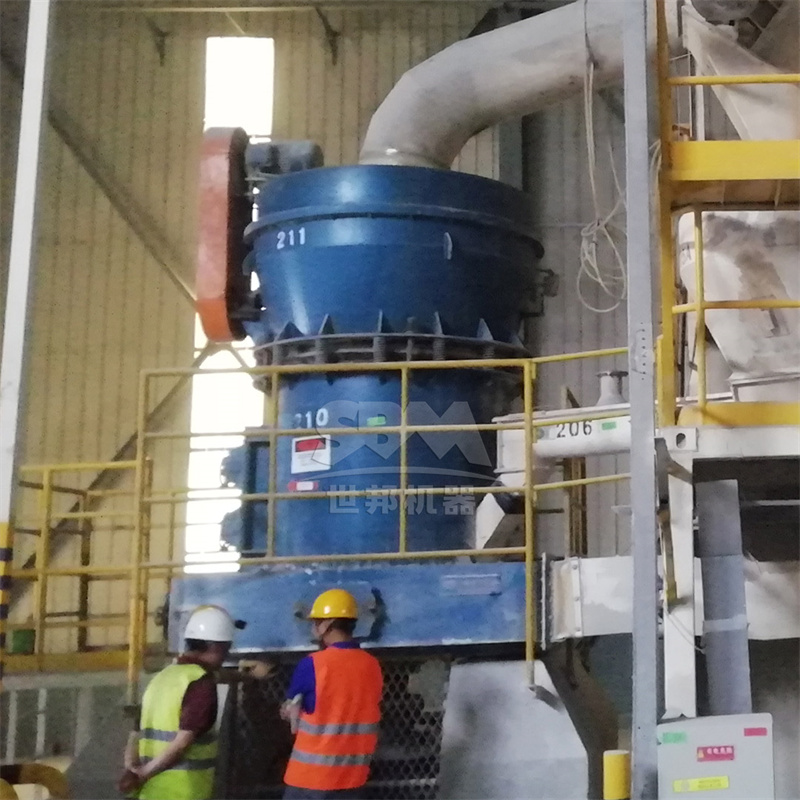
Key Factors in Choosing a Coal Milling System
Before delving into specific equipment, it is essential to understand the parameters that dictate the selection process. A coal milling system must be matched to the boiler or kiln’s requirements and the characteristics of the coal feedstock.
1. Fineness Requirement
Coal fineness is typically expressed in terms of the percentage passing through a 200-mesh sieve (75μm) or by the residue on a 90μm sieve. Different combustion systems demand different fineness levels. For example, pulverized coal boilers often require 70–80% passing 200 mesh, while kiln burners may need even finer grinding for complete combustion. The milling system must consistently achieve the target fineness without over-grinding, which wastes energy.
2. Capacity and Turndown Ratio
The system’s capacity must align with the fuel consumption rate of the boiler or kiln, considering factors like load variations and future expansion. A high turndown ratio (the ability to operate efficiently at partial loads) is advantageous for operations with fluctuating demand.
3. Coal Characteristics
Properties such as grindability (HGI), moisture content, volatility, and ash content influence mill selection. High-moisture coals may require integrated drying, while abrasive coals demand wear-resistant components. Volatile matter affects safety considerations, such as the risk of spontaneous combustion in the mill and downstream equipment.
4. System Integration and Footprint
Space constraints and integration with existing material handling, drying, and combustion systems are practical considerations. Modular designs that reduce civil works and installation time are often preferred.
5. Energy Efficiency and Environmental Compliance
With rising energy costs and stringent environmental regulations, the milling system must be energy-efficient and equipped with reliable dust collection to minimize emissions and ensure workplace safety.
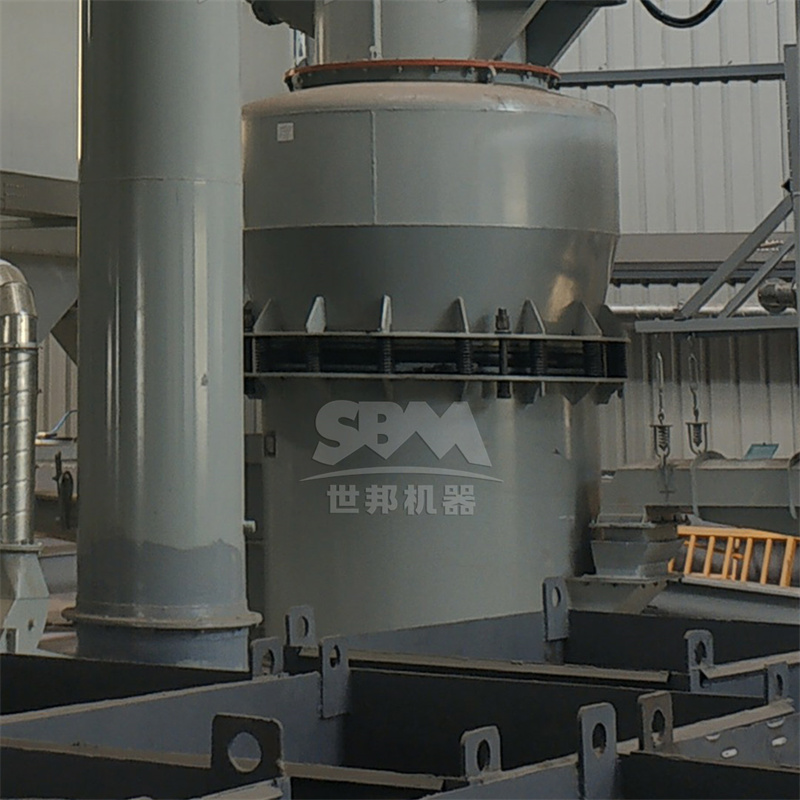
Milling Technologies for Coal Powder Production
Several types of mills are commonly used for coal pulverization, each with distinct advantages and limitations.
Ball Mills
Traditional ball mills are robust and can handle a wide range of coals, but they are bulky, energy-intensive, and offer limited fineness control. They are gradually being replaced in new installations by more efficient technologies.
Vertical Roller Mills
Vertical roller mills (VRMs) have become the industry standard for coal grinding due to their high efficiency, integrated drying and classifying, and compact footprint. They consume 30–40% less energy than ball mills and can achieve fine product sizes with precise classification.
Trapezium Mills
European trapezium mills offer a balance between performance and cost, suitable for medium-capacity applications. They feature optimized airflow and wear-resistant designs.
Ultrafine Mills
For specialized applications requiring very fine coal powder (e.g., certain kiln burners or gasification processes), ultrafine mills can produce particles down to 5μm. However, these are typically used when high reactivity or specific burnout characteristics are needed.
Given the predominance of VRMs and trapezium mills in coal firing, we will focus on two of our flagship products that excel in this domain.
Recommended Solutions from Our Portfolio
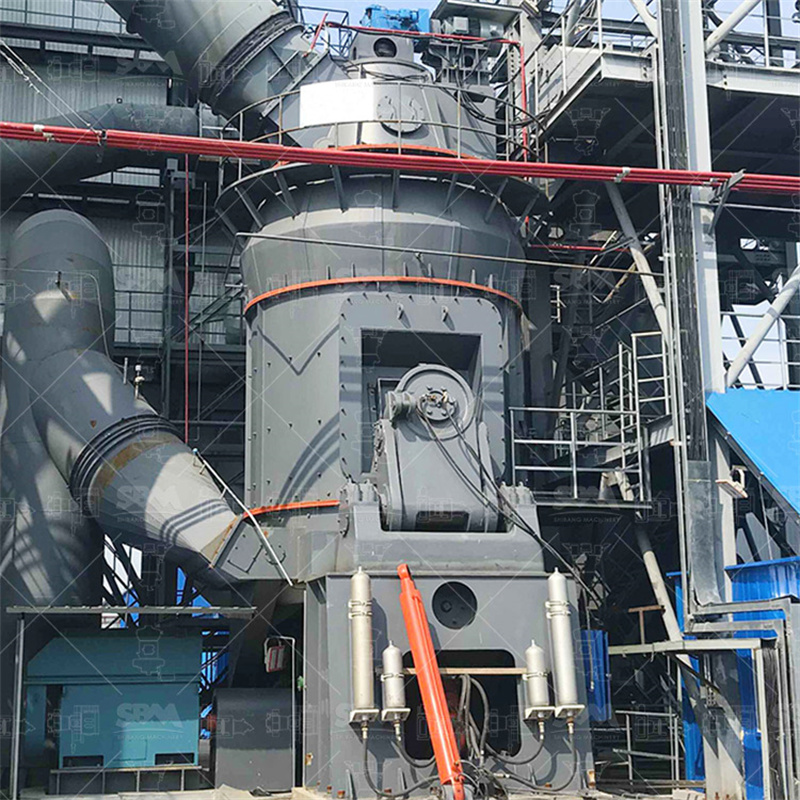
LM Series Vertical Roller Mill – The Ultimate Choice for Large-Scale Coal Grinding
Our LM Series Vertical Roller Mill is specifically engineered for pulverized coal production, with models like LM80M to LM280M dedicated to coal grinding. It embodies the advantages of vertical mill technology:
- Integrated Design: Crushing, grinding, drying, and classification occur in a single unit, reducing floor space by 50% and infrastructure costs by 40%.
- Low Operating Cost: The non-contact grinding principle between rollers and table extends wear part life by up to three times. Energy consumption is 30–40% lower than ball mill systems.
- Intelligent Control: An expert-level auto-control system enables remote/local switching and real-time parameter monitoring, minimizing manual intervention.
- Environmental Compliance: Fully sealed negative pressure operation ensures dust emission is below 10mg/m³, and noise levels are reduced to ≤80dB(A).
With capacities ranging from 3 to 90 t/h and fineness easily adjustable between 5% and 20% residue on 90μm, the LM coal mill series is ideal for large boilers and kilns in cement, power, and metallurgical plants. The modular grinding roller assembly allows quick changes, and the dynamic classifier ensures precise product quality.
MTW Series European Trapezium Mill – Versatile and Cost-Effective for Medium Capacity
For medium-scale coal powder production, the MTW Series European Trapezium Mill offers an excellent balance of performance and investment. While not exclusively a coal mill, its robust design and efficient classification make it suitable for coal grinding when equipped with appropriate explosion-proof features.
- Anti-wear Shovel Design: Combined shovel blades and curved rollers reduce maintenance costs and extend service life.
- Optimized Arc Air Duct: Reduces airflow energy loss and improves transmission efficiency, contributing to lower power consumption.
- Integral Bevel Gear Drive: Transmission efficiency up to 98%, saving space and reducing installation costs.
- Wear-resistant Volute Structure: Non-resistance flow design improves air selection efficiency and reduces maintenance costs by 30%.
The MTW mill can achieve fineness from 30 to 325 mesh (down to 0.038mm) with capacities from 3 to 45 t/h (depending on model). Its patented internal suction oil lubrication system ensures reliable operation, and the pulse dust removal technology meets strict environmental standards. For coal applications, we recommend specifying explosion-proof motors and CO monitoring for safe operation.
Both the LM and MTW series are backed by our patented technologies and global service network, ensuring reliable performance and minimal downtime.
Comparative Selection Guide
To aid in decision-making, consider the following guidelines:
- For capacities above 30 t/h and high efficiency demands: Choose the LM Series Vertical Roller Mill. Its integrated drying and grinding capabilities are particularly beneficial for high-moisture coals.
- For capacities between 5 and 30 t/h with moderate investment: The MTW Series offers a cost-effective solution with easy maintenance and reliable performance.
- For ultrafine coal powder (e.g., below 45μm): Consider our SCM Ultrafine Mill or LUM Ultrafine Vertical Roller Mill, though these are typically used for specialized applications.
It is crucial to consult with our engineers to conduct a thorough assessment of your coal properties, operating conditions, and site constraints. We provide customized solutions including system design, equipment supply, installation, and commissioning.
Conclusion
Selecting the right coal powder production equipment is a strategic investment that affects the entire combustion process. By focusing on fineness control, capacity, coal characteristics, and total cost of ownership, you can optimize your boiler or kiln performance. Our LM Series Vertical Roller Mill and MTW Series European Trapezium Mill represent the forefront of milling technology, offering efficiency, reliability, and environmental compliance. Contact us today to discuss how we can tailor a coal milling system to your specific needs and help you achieve operational excellence.