
Introduction: The Strategic Importance of Cobalt Powder
Cobalt is a critical metal in the modern industrial landscape, indispensable in the production of lithium-ion batteries, superalloys, cemented carbides, and catalysts. As the global push toward electrification and renewable energy accelerates, demand for high-purity, finely controlled cobalt powder continues to soar. Whether you are producing cobalt oxide for battery cathodes, cobalt metal powder for hard-facing alloys, or cobalt salts for chemical applications, the milling stage of your production line is pivotal. It determines not only particle size distribution and morphology but also downstream processing efficiency and final product performance.
Selecting the right milling solution for cobalt processing is not a one-size-fits-all decision. Cobalt ores and intermediates vary in hardness, moisture content, and chemical composition. Moreover, the required fineness can range from coarse granules (hundreds of microns) to ultrafine powders (sub-5 microns). This article provides a comprehensive guide to choosing the appropriate milling equipment for your cobalt powder production line, drawing on our extensive portfolio of proven grinding technologies.
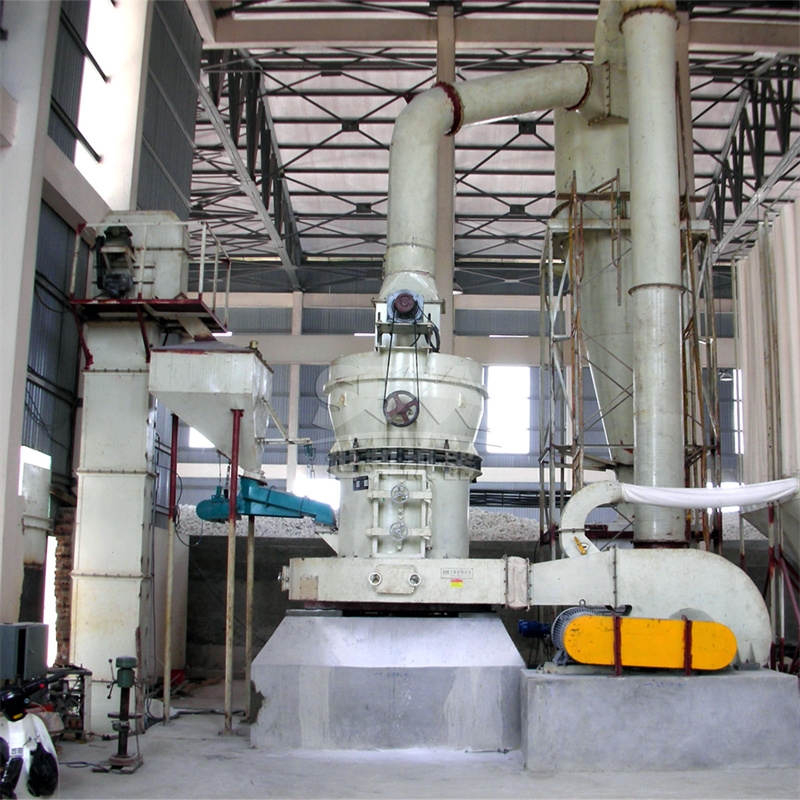
Key Considerations for Cobalt Milling
Before delving into specific equipment, it is essential to understand the unique characteristics of cobalt that influence mill selection:
- Hardness and Abrasiveness: Cobalt is a hard, wear-resistant metal. Its abrasiveness can accelerate wear on grinding media and liners, necessitating robust designs with wear-resistant materials.
- Target Fineness: Battery-grade cobalt powders often require D50 values below 10 microns, while other applications may accept 100–325 mesh. Ultrafine grinding demands high-precision classification.
- Throughput Requirements: Pilot-scale lines may need only a few hundred kilograms per hour, whereas industrial giants require tens of tons per hour. Scalability is crucial.
- Contamination Control: For high-purity applications, iron contamination from grinding equipment must be minimized. The choice of liners and grinding media is critical.
- Energy Efficiency: Milling is energy-intensive. Selecting a mill with low specific energy consumption directly impacts operating costs and carbon footprint.
- Environmental Compliance: Dust emissions and noise levels must be controlled to meet stringent regulations.
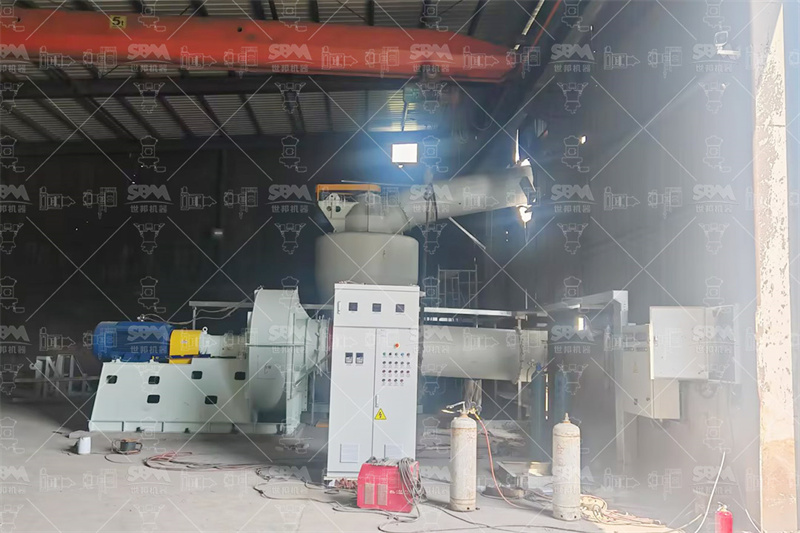
Overview of Milling Technologies for Cobalt Processing
Our company offers a diverse range of milling solutions, each suited to different stages and requirements of cobalt powder production. Below we examine the most relevant options.
1. Coarse to Medium Grinding: Hammer Mills and Ball Mills
For initial size reduction of cobalt ore or recycled cobalt materials, hammer mills provide a cost-effective solution. The PC series hammer mill can reduce materials from up to 40 mm down to 0–3 mm, with capacities ranging from 8 to 70 t/h. Its high manganese steel liners ensure durability against abrasive cobalt feed.
When further grinding to 0.074–0.8 mm is needed, the GMQG series ball mill offers reliable performance with capacities up to 450 t/h. Ball mills are well-established and can handle both dry and wet modes, making them suitable for preparing feed for finer grinding circuits.
2. Fine Grinding: MTW European Trapezium Mill and MTM Medium-speed Mill
For fine grinding to 30–325 mesh (down to 0.038 mm), the MTW series European trapezium mill is an excellent choice. Its anti-wear shovel design and curved grinding rollers reduce maintenance costs, while the integral bevel gear drive ensures transmission efficiency up to 98%. With models from 3 t/h to 45 t/h, the MTW mill can be seamlessly integrated into a cobalt powder line. The MTM series medium-speed trapezium mill is another viable option, featuring intelligent pressure regulation that compensates for roller wear, extending service life by 30%.
3. Ultrafine Grinding: SCM Series Ultrafine Mill and LUM Ultrafine Vertical Mill
When your cobalt powder specification calls for 325–2500 mesh (45–5 μm), ultrafine grinding technologies become essential. The SCM series ultrafine mill stands out with its high efficiency and energy savings—capacity is twice that of jet mills with 30% lower energy consumption. Its vertical turbine classifier ensures precise particle size cutting without coarse powder mixing, critical for battery-grade cobalt. The LUM ultrafine vertical roller mill offers similar fineness ranges with advanced multi-rotor classification and PLC automation, ideal for large-scale production.
4. Large-scale Vertical Grinding: LM Series Vertical Roller Mill
For very high capacities (up to 250 t/h), the LM series vertical roller mill integrates crushing, grinding, and classification into one compact unit, reducing floor space by 50%. Its non-contact roller-table design minimizes wear, and energy consumption is 30–40% lower than ball mill systems. This makes the LM mill a strong candidate for large cobalt refining operations where throughput and energy efficiency are paramount.
Recommended Solutions for Cobalt Powder Production
Based on our extensive experience in metallurgical and chemical milling, we recommend the following two products for cobalt processing lines, depending on your specific fineness and capacity targets.
SCM Series Ultrafine Mill: Precision and Efficiency for High-Grade Cobalt Powder
The SCM series is specifically designed for ultrafine grinding and classification. For cobalt powder production targeting particle sizes below 45 μm, the SCM mill delivers exceptional performance. Its intelligent control system with automatic finished product granularity feedback ensures consistent quality. The shaftless screw grinding chamber and special material rollers extend service life, reducing downtime. With models from SCM800 (0.5–4.5 t/h) to SCM1680 (5–25 t/h), the SCM mill can be scaled to meet your production needs. The pulse dust collection efficiency exceeds international standards, and the soundproof room design ensures noise levels are kept low.
Why choose SCM for cobalt? The vertical turbine classifier prevents oversize particles from contaminating the fine product, which is crucial for battery applications. The high grinding efficiency and low energy consumption translate to lower operating costs per ton.
MTW Series European Trapezium Mill: Versatility and Reliability for Medium-Fine Cobalt Powder
If your cobalt powder specification falls in the 325–600 mesh range, the MTW series offers a robust and versatile solution. Its combined shovel blades reduce maintenance costs, and the optimized arc air duct improves airflow efficiency. The wear-resistant volute structure lowers maintenance costs by 30%. With capacities from 3 t/h to 45 t/h, the MTW mill can be easily integrated into both new and existing production lines. The patented internal suction oil lubrication system ensures reliable operation even in harsh environments.
Why choose MTW for cobalt? The MTW mill provides excellent cost-performance for medium-fine grinding, with a proven track record in mineral processing. Its ability to handle feed sizes up to 50 mm and produce uniform particles makes it a dependable workhorse for cobalt powder production.

Integration and Optimization of Your Cobalt Milling Circuit
Selecting the right mill is only part of the equation. A well-designed cobalt powder production line should incorporate:
- Pre-crushing: A hammer mill or jaw crusher to reduce large lumps before grinding.
- Feeding and conveying: Reliable feeders (e.g., GZ series electromagnetic vibrating feeders) to ensure steady material flow.
- Classification: High-efficiency classifiers integrated with the mill to ensure precise cut points.
- Dust collection: Pulse-jet bag filters to capture fine particles and maintain a clean environment.
- Automation: PLC-based control systems to monitor and adjust parameters in real time, ensuring consistent product quality and reducing labor.
Our engineering team can assist you in designing a complete circuit tailored to your cobalt feedstock and product specifications. From material testing to installation and commissioning, we provide end-to-end support.
Conclusion: Partner with Us for Your Cobalt Milling Success
Cobalt processing demands milling equipment that combines precision, durability, and energy efficiency. Whether you need ultrafine grinding with the SCM series or versatile medium-fine grinding with the MTW series, our portfolio offers reliable solutions to meet your exact requirements. By carefully considering your feed characteristics, target fineness, capacity, and operational constraints, you can select the optimal milling solution that maximizes your return on investment.
Contact our technical sales team today to discuss your cobalt powder production line and receive a customized recommendation. With decades of experience in mineral and chemical processing, we are your trusted partner for advanced milling technology.