
Introduction
Phosphogypsum, a byproduct of phosphoric acid production, poses significant environmental challenges due to its large volume and potential impurities. However, with proper processing, it can be transformed into valuable resources for construction, agriculture, and other industries. The key to successful phosphogypsum recycling lies in selecting the appropriate grinding equipment to achieve the desired particle size, capacity, and energy efficiency. This article explores the characteristics of phosphogypsum, the importance of grinding in the recycling process, and provides a detailed comparison of grinding mills to help you make an informed decision for your project.
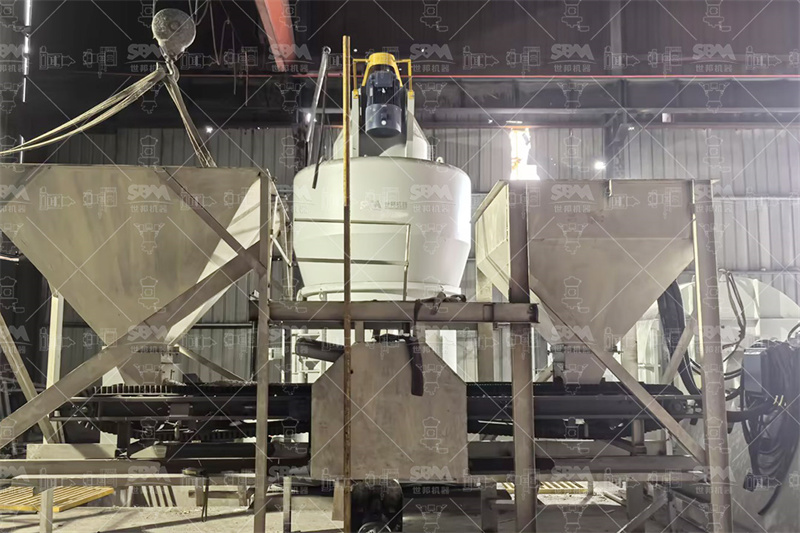
Why Grind Phosphogypsum?
Phosphogypsum typically contains impurities such as phosphorus, fluoride, and organic matter, which can affect its usability. Grinding serves multiple purposes: it increases the surface area for chemical reactions, enables the removal of impurities through washing or thermal treatment, and produces a consistent particle size distribution suitable for end applications like cement retarders, wallboard, or soil amendments. The fineness required varies by application – from coarse (100-200 mesh) for some construction uses to ultrafine (1000+ mesh) for high-value products. Therefore, choosing a mill that offers flexibility in fineness control and high throughput is crucial.
Key Considerations for Mill Selection
When selecting a grinding mill for phosphogypsum, consider the following factors:
- Fineness Requirement: Determine the target particle size range (e.g., 325 mesh for cement, 800 mesh for fillers).
- Capacity: Match the mill’s capacity to your project scale, from small (0.5 t/h) to large (100+ t/h).
- Moisture Content: Phosphogypsum often has high moisture (10-30%). Mills with integrated drying (using hot gas) are beneficial.
- Abrasiveness: Phosphogypsum is moderately abrasive; wear-resistant materials in the mill reduce maintenance costs.
- Energy Efficiency: Grinding is energy-intensive; choosing an efficient mill lowers operating costs.
- Environmental Compliance: Dust control and noise reduction are essential for regulatory compliance.
Recommended Grinding Mills for Phosphogypsum Processing
Based on the specific properties of phosphogypsum and the need for flexible, efficient, and eco-friendly processing, we recommend two of our advanced mills: the SCM Series Ultrafine Mill and the MTW Series European Trapezium Mill. Both are designed to handle a wide range of materials with high efficiency and reliability.
SCM Series Ultrafine Mill: For High-Fineness Applications
The SCM Series Ultrafine Mill is ideal for producing fine and ultrafine phosphogypsum powder (325-2500 mesh). With its high-precision classification and energy-saving design, it ensures uniform product quality and low operating costs.
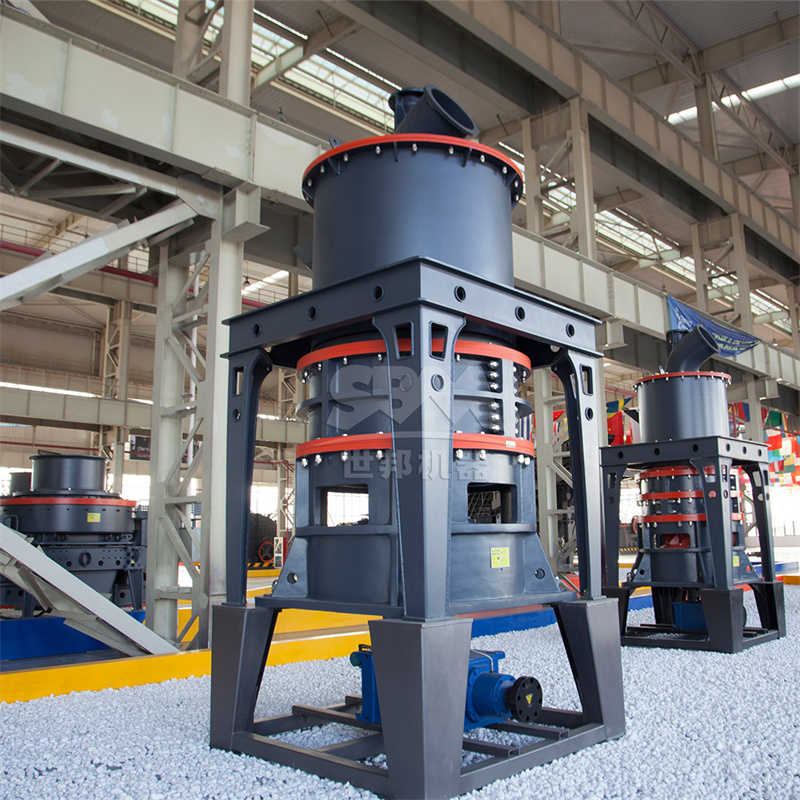
Key Advantages:
- High Efficiency & Energy Saving: Capacity is twice that of jet mills with 30% lower energy consumption. The intelligent control system provides automatic feedback on finished product granularity.
- High-Precision Classification: The vertical turbine classifier achieves precise particle size cutting, preventing coarse powder mixing and ensuring uniform finished products.
- Durable Design: Special material rollers and rings extend service life several times over. The shaftless screw grinding chamber ensures stable operation.
- Eco-friendly & Low Noise: Pulse dust collection efficiency exceeds international standards, and the soundproof room design ensures low noise levels.
Working Principle: The main motor drives three layers of grinding rings to rotate. Materials are dispersed into the grinding path by centrifugal force, crushed by roller pressure, and ground layer by layer. Finally, powder collection is completed by a cyclone collector and a pulse dust removal system.
Models & Specifications: The SCM series offers capacities from 0.5 t/h (SCM800) to 25 t/h (SCM1680), with feed size ≤20mm and fineness adjustable from 325 to 2500 mesh. This makes it suitable for both small and large-scale phosphogypsum recycling projects requiring fine powders.
MTW Series European Trapezium Mill: For Medium to Fine Grinding
The MTW Series European Trapezium Mill is a versatile mill for producing phosphogypsum powder in the 30-325 mesh range, with capacities up to 45 t/h. Its innovative design and wear-resistant components make it a reliable choice for medium-scale operations.
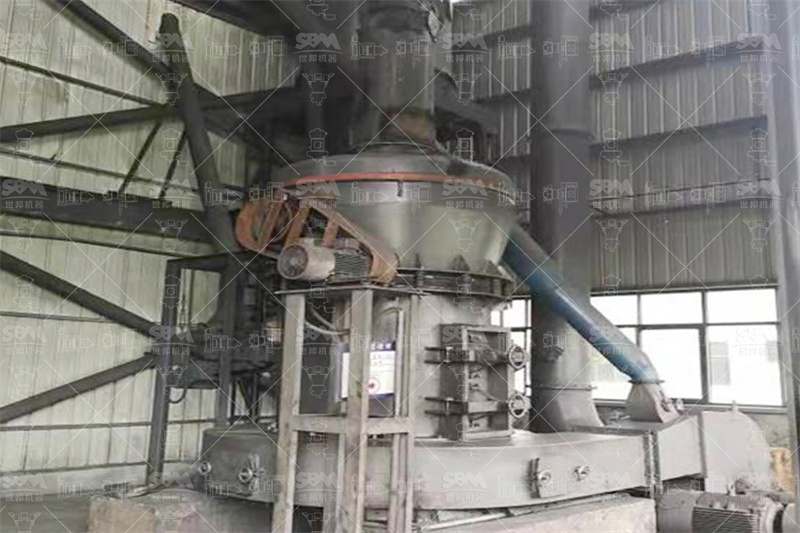
Key Advantages:
- Anti-wear Shovel Design: Combined shovel blades reduce maintenance costs, and the curved design extends grinding roller life.
- Optimized Arc Air Duct: Reduces airflow energy loss and improves transmission efficiency. High-strength guard plates protect the air duct working surface.
- Integral Bevel Gear Drive: Transmission efficiency up to 98%, saving space and reducing installation costs.
- Wear-resistant Volute Structure: Non-resistance flow design improves air selection efficiency, reducing maintenance costs by 30%.
Working Principle: The main motor drives the grinding rollers to revolve around the central axis while self-rotating to generate centrifugal force. Shovels throw materials between the ring and rollers to form a material layer, achieving efficient crushing through extrusion. The classification system precisely controls the finished product size.
Models & Specifications: The MTW series includes models from MTW110 (3-9 t/h) to MTW215G (15-45 t/h), with feed size up to 50mm and fineness from 10 to 325 mesh. The MRN models (e.g., MRN158, MRN198, MRN218) offer additional options for higher capacities. This series is well-suited for phosphogypsum processing where a coarser product is acceptable, such as in cement production or soil conditioning.
Other Mills for Specific Needs
Depending on your project requirements, other mills from our product line may also be considered:
- LM Series Vertical Roller Mill: For large-scale operations (up to 250 t/h) with integrated drying, grinding, and classification. Ideal for high-capacity phosphogypsum recycling.
- LUM Ultrafine Vertical Roller Mill: For ultrafine grinding (325-2500 mesh) with precise classification and smart control.
- MTM Series Medium-speed Trapezium Mill: For medium-fine grinding (45-325 mesh) with intelligent pressure regulation and noise reduction.
- Ball Mill: For traditional grinding with high crushing ratio, suitable for both dry and wet processes.
- Hammer Mill: For coarse crushing (0-3mm) prior to fine grinding.
Each mill has its strengths, and the choice depends on the specific fineness, capacity, and budget of your phosphogypsum recycling project.
Conclusion
Selecting the right grinding mill is critical for the success of your phosphogypsum recycling project. The SCM Series Ultrafine Mill and MTW Series European Trapezium Mill offer advanced features, high efficiency, and environmental compliance, making them excellent choices for a wide range of applications. We encourage you to consult with our engineers to determine the optimal configuration for your specific needs. With the right equipment, phosphogypsum can be transformed from a waste liability into a valuable resource, contributing to sustainable development and circular economy.
For more information on our grinding mills and how they can benefit your phosphogypsum processing, please contact our sales team today.