
Understanding 150 Mesh Attapulgite Powder and Its Applications
Attapulgite, also known as palygorskite, is a crystalline hydrated magnesium aluminum silicate mineral with a unique chain-layer structure. This distinctive molecular architecture gives attapulgite remarkable colloidal, adsorption, and thixotropic properties, making it indispensable across a wide range of industries. When processed to 150 mesh (approximately 100 μm), attapulgite powder finds extensive applications in drilling mud, paints and coatings, pet litter, agriculture carriers, environmental adsorbents, and pharmaceutical excipients.
The 150 mesh specification represents a medium-fine powder grade that balances processing economics with functional performance. Unlike ultrafine powders that demand substantial energy input, 150 mesh attapulgite offers an optimal combination of reactivity, dispersibility, and cost-effectiveness for most industrial applications.
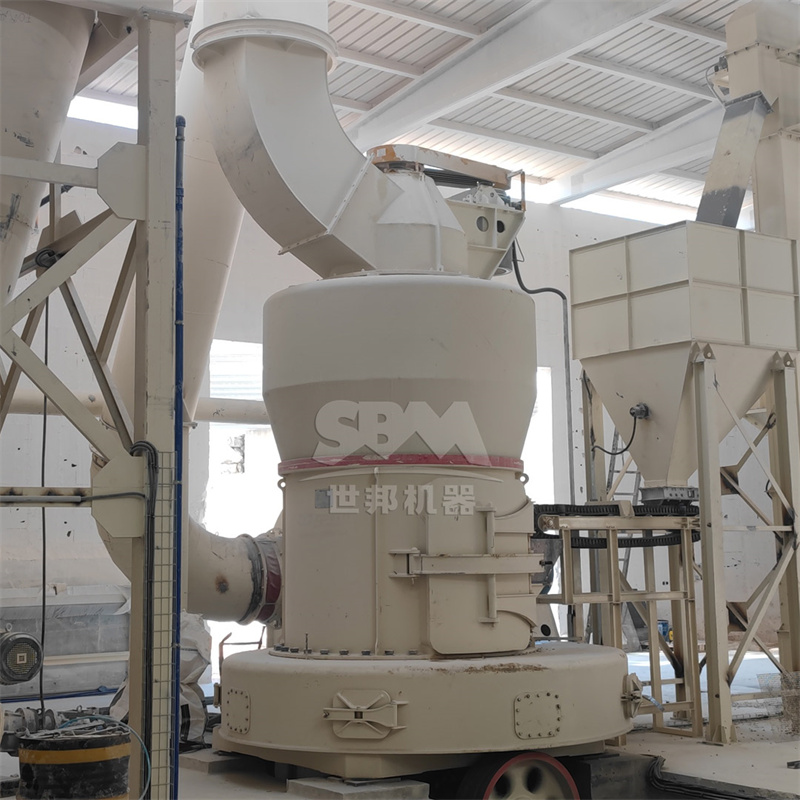
Selecting the appropriate grinding equipment for 150 mesh attapulgite production is a critical decision that directly impacts product quality, operational costs, and long-term profitability. With numerous mill types available on the market, understanding the technical characteristics of each option is essential for making an informed investment.
Key Factors in Grinding Mill Selection for Attapulgite Processing
1. Material Characteristics and Grindability
Attapulgite presents unique challenges for grinding operations. Its fibrous crystal habit means that excessive mechanical force can destroy the beneficial structural properties that make attapulgite valuable. The mineral has a Mohs hardness of 2-2.5, which is relatively soft, but its fibrous nature requires grinding equipment that can achieve particle size reduction through controlled shear and impact forces rather than aggressive compression.
Moisture content is another critical consideration. Raw attapulgite typically contains 10-15% moisture, and while some grinding systems can handle this directly, others require pre-drying. The chosen mill must be compatible with your material’s specific moisture profile.
2. Target Fineness and Particle Size Distribution
For 150 mesh production (approximately 100 μm), the mill must deliver consistent particle size distribution with minimal oversize particles. The classification system integrated into the mill plays a decisive role here. A well-designed classifier ensures that only properly sized particles exit the grinding chamber, while oversized material returns for further processing.
3. Production Capacity Requirements
Capacity requirements vary dramatically based on project scale. Small-scale operations may require 1-5 tons per hour, while large industrial installations might need 20-50 tons per hour or more. The selected mill must match your production targets without excessive energy consumption during partial-load operation.
4. Energy Efficiency and Operating Costs
Grinding is inherently energy-intensive, and the difference between efficient and inefficient systems can be substantial over the equipment lifespan. Modern grinding mills incorporate advanced features such as optimized airflow patterns, high-efficiency classifiers, and intelligent control systems to minimize specific energy consumption per ton of product.
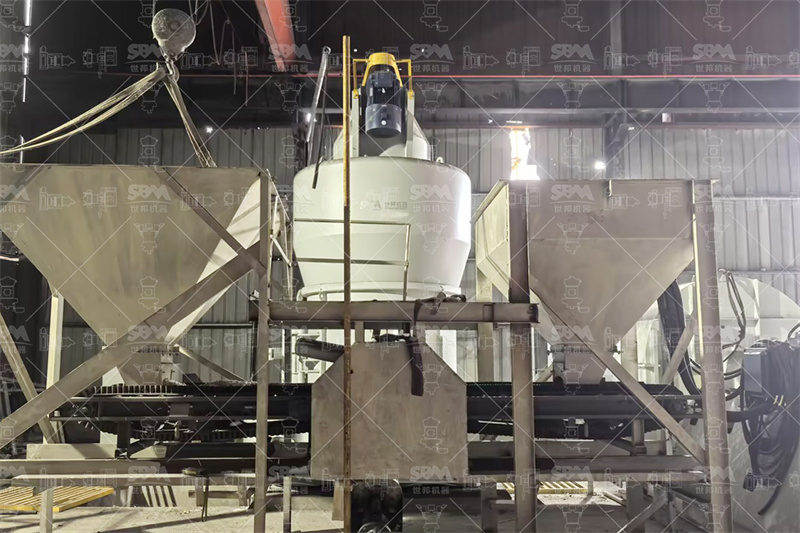
5. Environmental Compliance and Dust Control
Attapulgite processing generates significant dust, necessitating robust dust collection systems. Regulatory requirements for particulate emissions continue to tighten globally, making environmental performance a non-negotiable selection criterion.
Grinding Mill Options for 150 Mesh Attapulgite Production
Raymond Mills and Pendulum Mills
Traditional Raymond mills and modern pendulum mills represent the most common choices for medium-fine mineral grinding. These systems use centrifugal force to press grinding rollers against a rotating ring, achieving particle size reduction through compression and attrition. They are well-suited for 150 mesh production and offer reasonable capacity at moderate investment levels.
Vertical Roller Mills
Vertical roller mills (VRMs) have gained significant market share in mineral processing due to their excellent energy efficiency and compact footprint. The material bed grinding principle reduces wear rates and allows processing of materials with higher moisture content. For attapulgite, VRMs must be carefully configured to avoid over-grinding and preserve the fibrous structure.
Ultrafine Mills
While ultrafine mills are typically associated with sub-10μm grinding, certain models can be configured for coarser production. These mills offer exceptional classification precision and can produce 150 mesh powder with very tight particle size distribution. However, the capital cost and complexity may not be justified for straightforward 150 mesh requirements.
Ball Mills
Ball mills offer versatility and can handle various materials, but they are generally less energy-efficient for fine grinding compared to modern roller mills. For 150 mesh attapulgite, ball mills may be considered for smaller operations or when flexibility to produce multiple products is required.
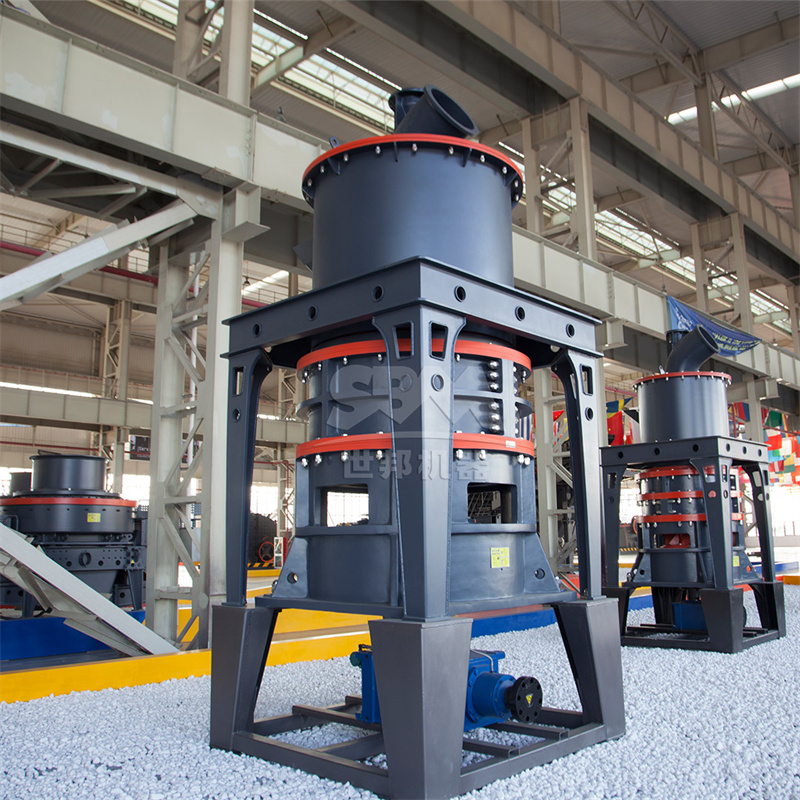
Recommended Equipment: SCM Series Ultrafine Mill
For attapulgite processing to 150 mesh, we strongly recommend the SCM Series Ultrafine Mill. While this mill is capable of producing fineness down to 2500 mesh, its advanced classification system allows precise adjustment to coarser specifications including 150 mesh. The SCM Series offers several compelling advantages for attapulgite processing:
High-Precision Classification: The vertical turbine classifier achieves precise particle size cutting with no coarse powder mixing, ensuring uniform finished products. This is particularly important for attapulgite, where consistent particle size directly affects product performance.
High Efficiency and Energy Saving: Capacity is twice that of jet mills with 30% lower energy consumption. The intelligent control system with automatic finished product granularity feedback ensures stable operation and optimal energy utilization.
Durable Design: Special material rollers and rings extend service life several times over, while the shaftless screw grinding chamber ensures stable operation. This durability translates directly to reduced maintenance costs and higher uptime.
Eco-friendly Operation: Pulse dust collection efficiency exceeds international standards, and the soundproof room design ensures noise levels are minimized.
Available models range from SCM800 (0.5-4.5 t/h) to SCM1680 (5.0-25 t/h), providing options for various production scales. The SCM Series represents an excellent investment for projects requiring flexibility to produce multiple product grades while maintaining efficient 150 mesh production capability.
Alternative Recommendation: MTW Series European Trapezium Mill
For projects with higher capacity requirements and where 150 mesh is the primary or sole product specification, the MTW Series European Trapezium Mill offers an outstanding solution. This mill is specifically designed for medium-fine grinding and delivers exceptional performance in the 30-325 mesh range.
Anti-wear Shovel Design: Combined shovel blades with curved design extend grinding roller life and reduce maintenance costs, directly addressing the abrasive nature of mineral processing.
Optimized Arc Air Duct: Reduces airflow energy loss and improves transmission efficiency, while high-strength guard plates protect the air duct working surface.
Integral Bevel Gear Drive: Transmission efficiency up to 98%, saving space and reducing installation costs compared to belt-driven alternatives.
Wear-resistant Volute Structure: Non-resistance flow design improves air selection efficiency, with maintenance costs reduced by 30%.
The MTW Series offers models from MTW110 (3-9 t/h) to MTW215G (15-45 t/h), with the MTW138Z and MTW175G being particularly well-suited for 150 mesh attapulgite production at medium to large scales. The patented internal suction oil lubrication system and internationally advanced pulse dust removal technology ensure reliable, clean operation.
Making the Final Decision
Choosing between the SCM Series and MTW Series depends on your specific project parameters:
- Choose SCM Series if: You require flexibility to produce multiple product grades, need the highest classification precision, or anticipate future demand for finer products.
- Choose MTW Series if: Your primary focus is 150 mesh production at high capacity, you prioritize lower capital cost per ton of capacity, or you need the simplest possible operation and maintenance regime.
Both mills represent state-of-the-art technology backed by extensive research and development. We recommend conducting pilot-scale testing with your specific attapulgite material to confirm performance expectations before final equipment selection.
Conclusion
Selecting the right grinding mill for 150 mesh attapulgite production requires careful consideration of material characteristics, production requirements, energy efficiency, and environmental compliance. The SCM Series Ultrafine Mill and MTW Series European Trapezium Mill both offer excellent solutions for this application, with each having distinct advantages depending on project specifics.
Investing time in proper equipment selection and working with experienced suppliers who understand attapulgite processing will pay dividends throughout the life of your operation. The right grinding mill will deliver consistent product quality, efficient operation, and reliable performance for years to come.