
Introduction: The Importance of 200 Mesh Coal Powder
In the world of coal processing, 200 mesh (approximately 74 microns) is a critical fineness specification. Whether you are producing pulverized coal for combustion in cement kilns, preparing coal for gasification, or supplying fine coal powder to the metallurgical industry, achieving a consistent 200 mesh product is often the key to operational efficiency and product quality. However, selecting the right grinding mill for your project is not merely a matter of matching a fineness number. It requires a careful evaluation of your raw material characteristics, production capacity, energy costs, environmental regulations, and long-term maintenance strategy.
This article provides a comprehensive guide to choosing the right grinding equipment for 200 mesh coal powder production. We will examine the key factors that influence mill selection, compare different mill technologies, and highlight two exceptional products from our company that are particularly well-suited for this application.
Key Factors in Selecting a Coal Grinding Mill
1. Raw Material Properties
Coal is not a uniform material. Its hardness (usually measured by the Hardgrove Grindability Index, HGI), moisture content, volatile matter, and abrasiveness vary significantly depending on the source. For 200 mesh grinding, you need a mill that can handle your specific coal type without excessive wear or operational instability. High-moisture coal may require additional drying capacity, which some mills integrate more effectively than others.
2. Production Capacity Requirements
Your required output per hour (t/h) will directly determine the size and model of the mill. Small-scale projects (0.5–5 t/h) can use compact ultrafine mills, while large industrial operations (20–100 t/h or more) demand heavy-duty vertical roller mills or ball mills. It is essential to choose a mill with a capacity range that matches your current needs and allows for future expansion.
3. Fineness and Particle Size Distribution
Achieving 200 mesh (75 μm) is a common target, but the particle size distribution (PSD) matters just as much. A narrow PSD ensures better combustion efficiency and product consistency. Mills with high-precision dynamic classifiers, such as vertical roller mills and ultrafine mills, excel at delivering uniform 200 mesh powder with minimal oversize particles.
4. Energy Efficiency and Operating Costs
Grinding is an energy-intensive process. The difference in power consumption between mill types can be substantial—often 30–50%. Vertical roller mills and ultrafine mills generally consume less energy per ton of product compared to traditional ball mills. Additionally, wear part life and maintenance frequency significantly impact total cost of ownership.
5. Environmental Compliance
Coal dust is explosive and harmful to health. Modern grinding systems must be equipped with efficient dust collection (e.g., pulse jet filters) and operate under negative pressure to prevent dust leakage. Noise levels should also be controlled, especially in populated areas.
6. Footprint and Installation Constraints
Space availability can be a limiting factor. Vertical mills and integrated grinding systems require less floor space than ball mill circuits. Some mills can be installed outdoors, reducing civil construction costs.
Comparing Grinding Mill Technologies for 200 Mesh Coal
Several types of mills can produce 200 mesh coal powder, each with distinct advantages and limitations.
Ball Mills
Ball mills are a traditional choice for coal grinding. They can handle large feed sizes and produce consistent fineness. However, they are bulky, noisy, and consume significantly more energy than modern vertical mills. For 200 mesh coal, ball mills are often used in older plants or when very high capacities (over 100 t/h) are required.
Hammer Mills
Hammer mills are typically used for coarse grinding (0–3 mm) and are not suitable for producing 200 mesh powder on their own. They may serve as pre-grinding equipment in a two-stage system.
Medium-Speed Trapezium Mills
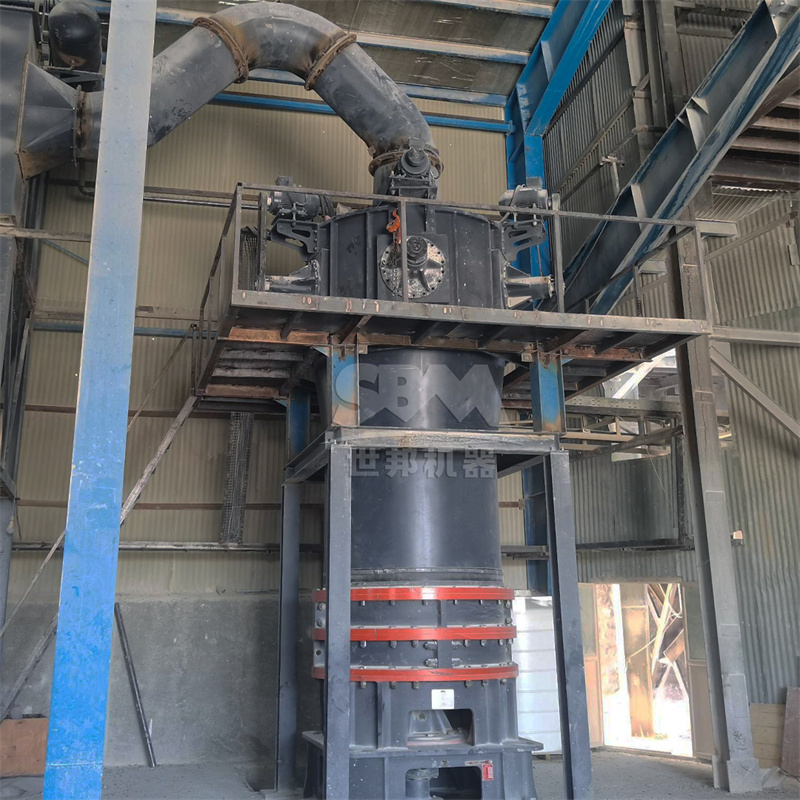
MTM or MTW series mills can reach 200 mesh (or finer) and offer good capacity (up to 45 t/h). They are robust and relatively easy to maintain, but their energy efficiency is moderate compared to vertical roller mills.
Vertical Roller Mills (VRM)
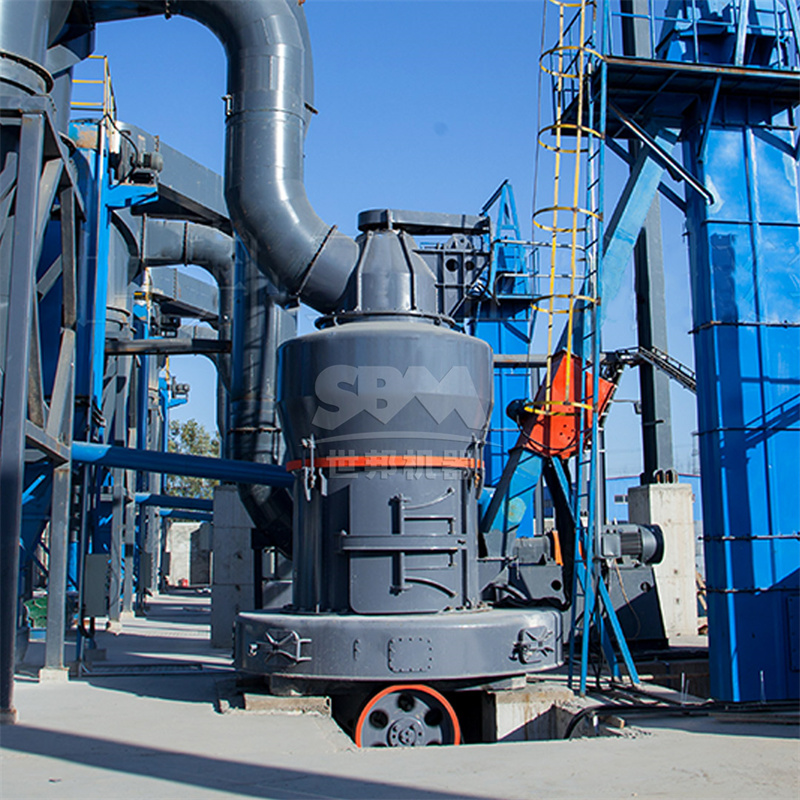
Vertical roller mills, such as the LM series, are among the most efficient and reliable solutions for coal grinding. They integrate crushing, drying, grinding, and classification in a single unit. With dynamic classifiers, they can consistently produce 200 mesh powder with low energy consumption. The LM series coal mills are specifically designed for pulverized coal and can handle capacities from 3 to 90 t/h, with fineness easily adjustable to 200 mesh (≈ 5–20% R90 μm).
Ultrafine Mills
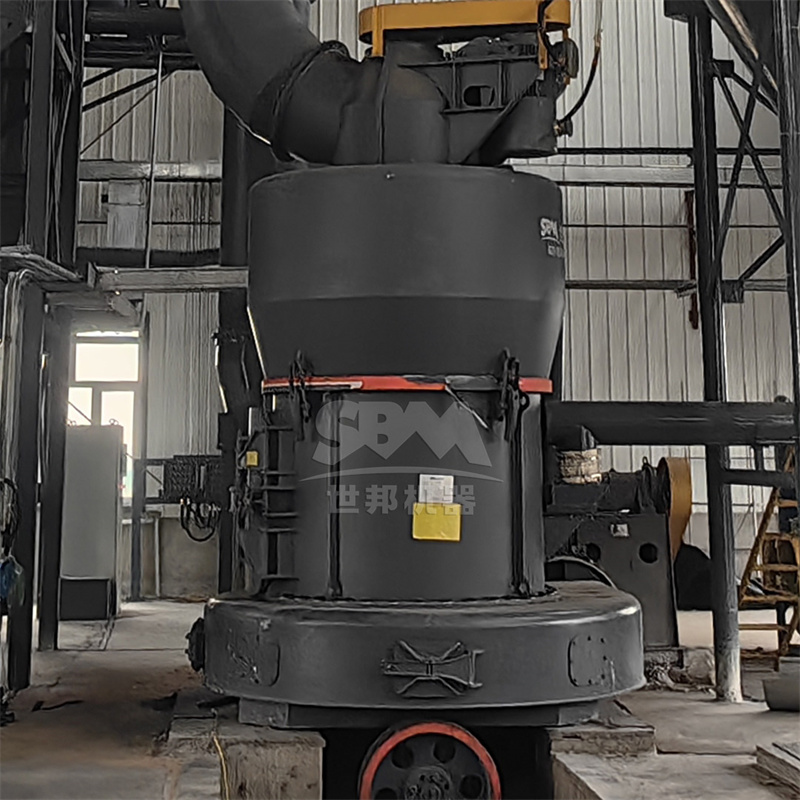
For projects requiring not only 200 mesh but also the capability to produce finer products (down to 2500 mesh), ultrafine mills like the SCM series are ideal. They offer high efficiency, precise classification, and compact design.
Recommended Products for 200 Mesh Coal Powder Production
Based on our extensive experience in coal grinding, we recommend two outstanding products that are particularly well-suited for 200 mesh coal powder production: the LM Series Vertical Roller Mill and the SCM Series Ultrafine Mill.
LM Series Vertical Roller Mill: The Workhorse for Large-Scale Coal Grinding
The LM series vertical roller mill is a globally proven solution for grinding coal to 200 mesh. Its integrated design combines crushing, grinding, drying, and classification, reducing floor space by up to 50% compared to ball mill systems. The mill uses a hydraulic system to apply pressure on the grinding rollers, which crush the coal bed on the rotating table. Hot air enters the mill and simultaneously dries and transports the fine powder to the dynamic classifier. The classifier rejects coarse particles, returning them to the grinding table for further reduction.
Key advantages for 200 mesh coal:
- High efficiency: Energy consumption is 30–40% lower than ball mill systems.
- Precise fineness control: The dynamic classifier can be adjusted externally to achieve exactly 200 mesh with minimal oversize.
- Large capacity: Models range from 3 t/h to 90 t/h (LM80M to LM280M), suitable for both small and large projects.
- Environmental compliance: Fully sealed negative pressure operation ensures dust emission is well below international standards.
- Low maintenance: The modular grinding roller assembly allows quick roller replacement, reducing downtime.
For a typical 200 mesh coal powder project with a capacity of 20–50 t/h, the LM190K or LM220K models are excellent choices. They deliver reliable performance and low operating costs.
SCM Series Ultrafine Mill: Precision and Flexibility for Fine Coal Powder
When your project requires not only 200 mesh but also the flexibility to produce finer grades (e.g., 325 mesh or even 2500 mesh), the SCM series ultrafine mill is the ideal solution. It is designed for high-precision grinding and classification, ensuring a uniform product with no coarse powder contamination.
Key advantages for 200 mesh coal:
- High-precision classification: The vertical turbine classifier achieves precise particle size cutting, so you can confidently produce 200 mesh with a narrow PSD.
- Energy saving: Capacity is twice that of a jet mill at 30% lower energy consumption.
- Intelligent control: Automatic feedback on finished product granularity ensures consistent quality.
- Compact design: The SCM mill occupies a small footprint, making it suitable for projects with limited space.
- Durable: Special material rollers and rings extend service life, and the shaftless screw grinding chamber ensures stable operation.
For small to medium-scale coal powder production (0.5–15 t/h), the SCM800 or SCM1000 model can efficiently produce 200 mesh powder. If you need higher capacity, the SCM1250 or SCM1680 models can deliver up to 25 t/h while maintaining precise fineness.
How to Choose Between LM and SCM for Your Project
The choice between LM and SCM depends on your specific project parameters:
- Capacity: If you need more than 30 t/h, the LM series is more suitable. For capacities below 20 t/h, the SCM series offers excellent precision and energy efficiency.
- Fineness range: If 200 mesh is your final product and you do not need finer grinding, the LM series is highly cost-effective. If you may need to produce 325 mesh or finer in the future, the SCM series provides that flexibility.
- Space and installation: The LM series can be installed outdoors and requires less building infrastructure. The SCM series is more compact but may require a dedicated indoor space.
- Budget: The initial investment for an LM mill is generally higher, but its lower operating costs and higher capacity often justify the cost for large projects. The SCM mill has a lower entry price and is ideal for small to medium operations.
Conclusion
Selecting the right grinding mill for 200 mesh coal powder production is a decision that impacts your project’s profitability, efficiency, and environmental compliance. By carefully evaluating your raw material, capacity needs, fineness requirements, and budget, you can narrow down the options. Our company offers a full range of grinding solutions, from the robust and high-capacity LM Series Vertical Roller Mill to the precise and flexible SCM Series Ultrafine Mill. Both are engineered to deliver reliable performance for 200 mesh coal powder production. Contact our technical team today to discuss your project and receive a customized recommendation.