
Introduction
Gypsum powder is a versatile material widely used in construction, agriculture, and industrial applications. Among the various fineness grades, 200-mesh gypsum powder (approximately 74 microns) is particularly important for producing plasterboards, ceiling tiles, and joint compounds. To achieve this fineness efficiently and economically, selecting the right grinding mill is critical. This article provides a comprehensive guide to choosing the optimal grinding equipment for a 200-mesh gypsum powder production line, comparing different mill technologies and highlighting key factors that influence your decision.
At [Your Company Name], we offer a range of grinding mills suitable for gypsum processing. In this article, we will discuss the characteristics of 200-mesh gypsum powder, the types of mills that can produce it, and recommend specific models from our product portfolio that deliver exceptional performance.
Understanding 200-Mesh Gypsum Powder
Gypsum (calcium sulfate dihydrate) is typically ground to 200 mesh for use in building materials. At this fineness, the powder provides good workability and strength when mixed with water. The grinding process must maintain the crystal structure of gypsum to ensure proper hydration properties. Therefore, mills that generate excessive heat or have inefficient classification may degrade the material quality.
Key requirements for a 200-mesh gypsum grinding mill include:
- Ability to grind to 200 mesh (74 μm) with a consistent particle size distribution.
- High capacity to meet production targets.
- Low energy consumption to reduce operating costs.
- Reliable dust collection to comply with environmental regulations.
- Minimal maintenance and long wear part life.
Types of Grinding Mills for Gypsum
Several types of grinding mills can be used for gypsum processing, each with its own advantages and limitations. The most common options are:
1. Ball Mill
Ball mills are traditional grinding equipment that use steel balls as grinding media. They can grind gypsum to 200 mesh but are known for high energy consumption and low efficiency. Ball mills are suitable for large-scale production but require significant investment in wear parts and maintenance. They are often used in older plants or where very fine grinding is not required.
2. Raymond Mill (Trapezium Mill)
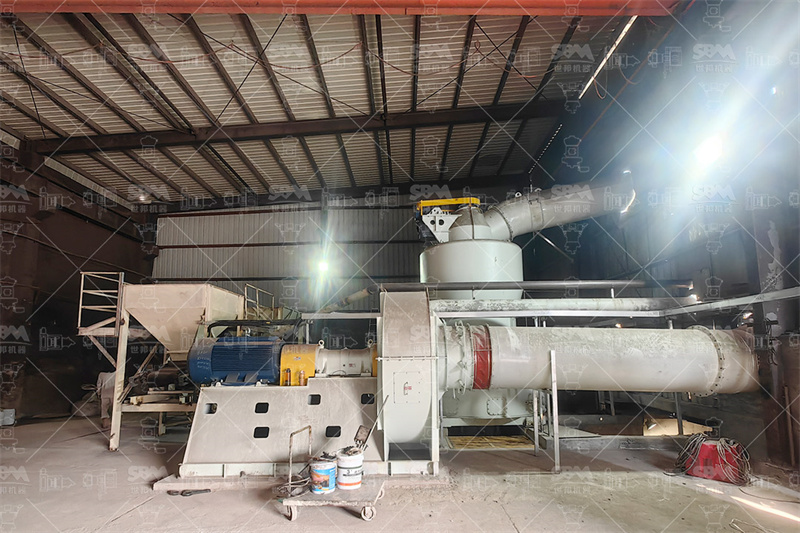
Raymond mills, also known as pendulum mills, are widely used for gypsum grinding. They are more efficient than ball mills and can achieve 200 mesh easily. Modern versions, such as our MTW Series European Trapezium Mill, incorporate advanced features like bevel gear drive and curved air ducts to improve efficiency and reduce maintenance. These mills are ideal for medium to large capacity plants.
3. Vertical Roller Mill
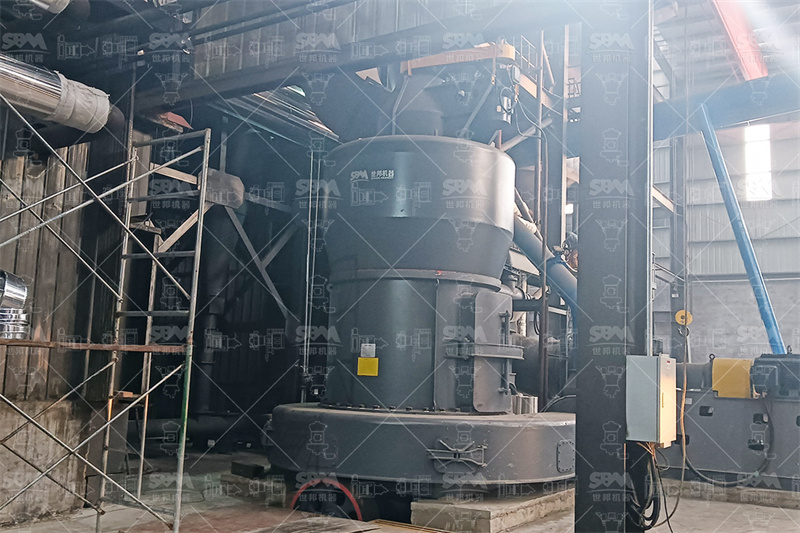
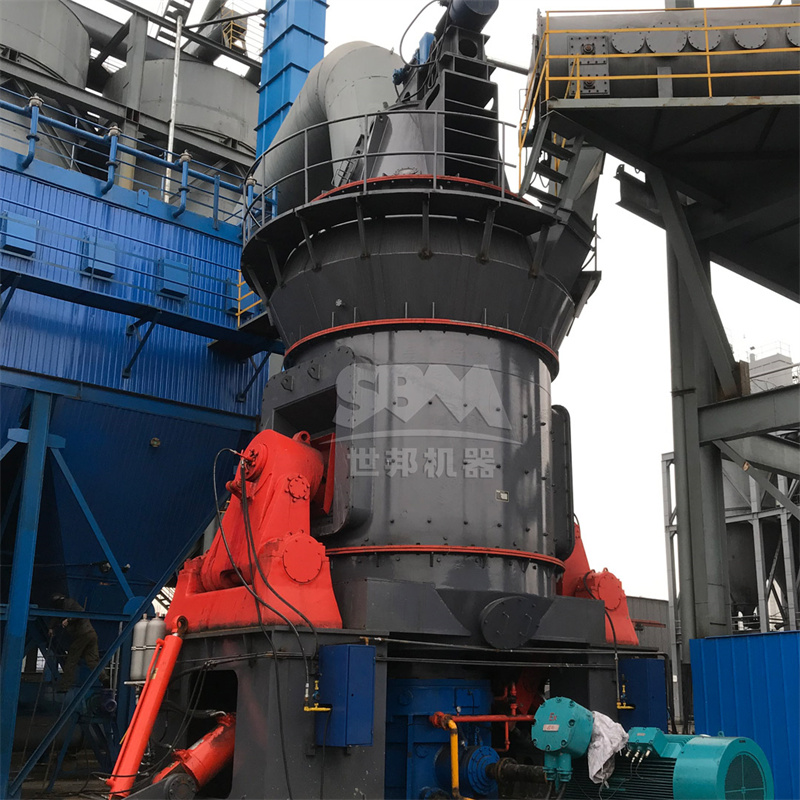
Vertical roller mills (VRMs) are increasingly popular for gypsum grinding due to their high efficiency and compact footprint. They use rollers and a rotating table to grind material, and integrated classifiers ensure precise fineness. Our LM Series Vertical Roller Mill is a prime example, offering capacities up to 250 t/h and fineness up to 325 mesh. VRMs are known for low operating costs and excellent environmental performance.
4. Ultrafine Mill
For ultrafine gypsum powder (e.g., 800-2500 mesh), ultrafine mills like our SCM Series are used. However, for 200-mesh production, ultrafine mills may be overkill and not cost-effective. They are better suited for high-value applications requiring very fine particles.
5. Hammer Mill
Hammer mills are typically used for coarse crushing (0-3 mm) and are not suitable for achieving 200 mesh directly. They are often used as pre-grinding equipment in a complete production line.
Key Factors in Choosing a Grinding Mill
When selecting a grinding mill for 200-mesh gypsum, consider the following factors:
- Capacity Requirement: Determine your desired production rate (t/h). This will dictate the model size and type of mill.
- Fineness Control: Ensure the mill can consistently produce 200 mesh with a narrow particle size distribution. Modern classifiers are essential.
- Energy Efficiency: Grinding is energy-intensive. Choose a mill with low power consumption per ton of product. Vertical roller mills and advanced trapezium mills are more efficient than ball mills.
- Wear Parts and Maintenance: Gypsum is moderately abrasive. Mills with wear-resistant materials (e.g., special alloys for rollers and rings) reduce downtime and maintenance costs.
- Environmental Compliance: Dust emission regulations are stringent. Choose a mill with effective dust collection (e.g., pulse jet bag filters) and noise reduction features.
- Space and Installation: Vertical mills have a smaller footprint and can be installed outdoors, saving civil construction costs.
- Cost: Consider both capital cost and operating cost (energy, maintenance, wear parts).
Recommended Products from Our Portfolio
Based on our extensive experience in gypsum processing, we recommend two models that excel in producing 200-mesh gypsum powder: the MTW Series European Trapezium Mill and the LM Series Vertical Roller Mill.
MTW Series European Trapezium Mill
The MTW Series is a proven solution for gypsum grinding. With output fineness adjustable between 30 and 325 mesh, it easily achieves 200 mesh. Its technical advantages include:
- Anti-wear shovel design: Combined shovel blades reduce maintenance costs and extend roller life.
- Optimized arc air duct: Reduces airflow energy loss and improves transmission efficiency.
- Integral bevel gear drive: Transmission efficiency up to 98%, saving space and installation costs.
- Wear-resistant volute structure: Non-resistance flow design improves air selection efficiency, reducing maintenance costs by 30%.
Models like the MTW138Z offer capacities of 6-17 t/h, ideal for medium-scale gypsum powder plants. The mill is equipped with a pulse dust collector, ensuring a clean working environment.
LM Series Vertical Roller Mill
The LM Series is a high-capacity, energy-efficient option. It can grind gypsum to 200 mesh with ease and offers capacities from 3 to 250 t/h, catering to both small and large plants. Key benefits include:
- Integrated design: Crushing, grinding, and classification in one unit, reducing floor space by 50%.
- Low operating cost: Non-contact design between rollers and table increases wear part life by 3x; energy consumption is 30-40% lower than ball mill systems.
- Intelligent control: Expert-level auto-control system for stable operation and remote monitoring.
- Environmental compliance: Fully sealed negative pressure operation with dust emission well below standards.
For a 200-mesh gypsum plant with a capacity of around 30 t/h, the LM190K (capacity 23-68 t/h, fineness 170-45 μm) is an excellent choice. It ensures consistent product quality and low maintenance.
Conclusion
Choosing the right grinding mill for 200-mesh gypsum powder production is a decision that impacts your plant’s profitability and operational efficiency. While ball mills are traditional, modern technologies like the MTW European Trapezium Mill and LM Vertical Roller Mill offer significant advantages in terms of energy savings, product quality, and environmental performance. We encourage you to evaluate your specific requirements and consider these advanced solutions from our company. Our team of experts is ready to assist you in selecting the optimal equipment and designing a complete production line tailored to your needs.
For more information, please contact us or visit our website to explore our full range of grinding mills.