
Introduction
Activated carbon is a versatile adsorbent used in water purification, air filtration, food processing, and many other industries. The performance of activated carbon heavily depends on its particle size distribution, surface area, and pore structure. Milling is a critical step in activated carbon processing, as it determines the final particle size, uniformity, and integrity of the material. Choosing the right milling system is essential to achieve optimal adsorption efficiency, minimize energy consumption, and ensure consistent product quality. This article provides a comprehensive guide to selecting a milling system for activated carbon applications, highlighting key factors such as fineness requirements, capacity, energy efficiency, and maintenance. We will also introduce two of our advanced milling solutions—the SCM Series Ultrafine Mill and the MTW Series European Trapezium Mill—that are particularly well-suited for activated carbon processing.
Key Considerations for Milling Activated Carbon
Activated carbon is relatively soft but abrasive, and it can be sensitive to heat and contamination. Therefore, the milling system must be designed to handle these characteristics while delivering the desired particle size. The following factors should be carefully evaluated:
1. Particle Size and Fineness Requirements
Activated carbon is available in powder, granular, and extruded forms. Powdered activated carbon (PAC) typically requires fine grinding to 200–325 mesh (75–45 μm) or even finer for specific applications. Ultrafine grinding to 800–2500 mesh (15–5 μm) may be needed for high-performance adsorption in specialized fields. The milling system must be capable of achieving the target fineness with a narrow particle size distribution to ensure uniform adsorption properties.
2. Capacity and Throughput
Production scale varies from small batch operations to large continuous plants. The milling system should match the required capacity without excessive energy consumption or downtime. Scalability and the ability to adjust output without compromising quality are important.
3. Energy Efficiency
Milling is an energy-intensive process. Activated carbon production costs are sensitive to energy consumption. Systems that offer high grinding efficiency and low power consumption per ton are preferred. Advanced classifiers and optimized grinding mechanisms can significantly reduce energy use.
4. Contamination Prevention
Activated carbon must remain free from metallic contamination and other impurities. The milling system should be designed with wear-resistant materials and sealed components to prevent cross-contamination. Additionally, dust collection systems must be efficient to avoid product loss and environmental pollution.
5. Maintenance and Wear Parts
Activated carbon’s abrasive nature causes wear on grinding components. Systems with durable wear parts, easy maintenance access, and long service intervals reduce operating costs and downtime. Quick-change systems for rollers and liners are advantageous.
6. Temperature Control
Some activated carbons can be sensitive to heat, which may alter their pore structure. The milling system should minimize heat generation or include cooling mechanisms to protect the material’s properties.
Types of Milling Systems for Activated Carbon
Several types of mills are used for activated carbon processing, each with distinct advantages and limitations:
1. Ball Mills
Ball mills are widely used for grinding activated carbon due to their simple operation and ability to produce fine powders. However, they are energy-intensive, have low grinding efficiency, and can cause contamination from steel balls. They are better suited for coarse to medium grinding.
2. Hammer Mills
Hammer mills are suitable for coarse crushing (0–3 mm) and are often used in the initial size reduction stage. They are not ideal for fine grinding and may generate excessive fines.
3. Jet Mills
Jet mills use high-velocity air to grind materials, achieving ultrafine particle sizes without contamination. They are efficient for heat-sensitive materials but have high energy consumption and limited capacity.
4. Vertical Roller Mills
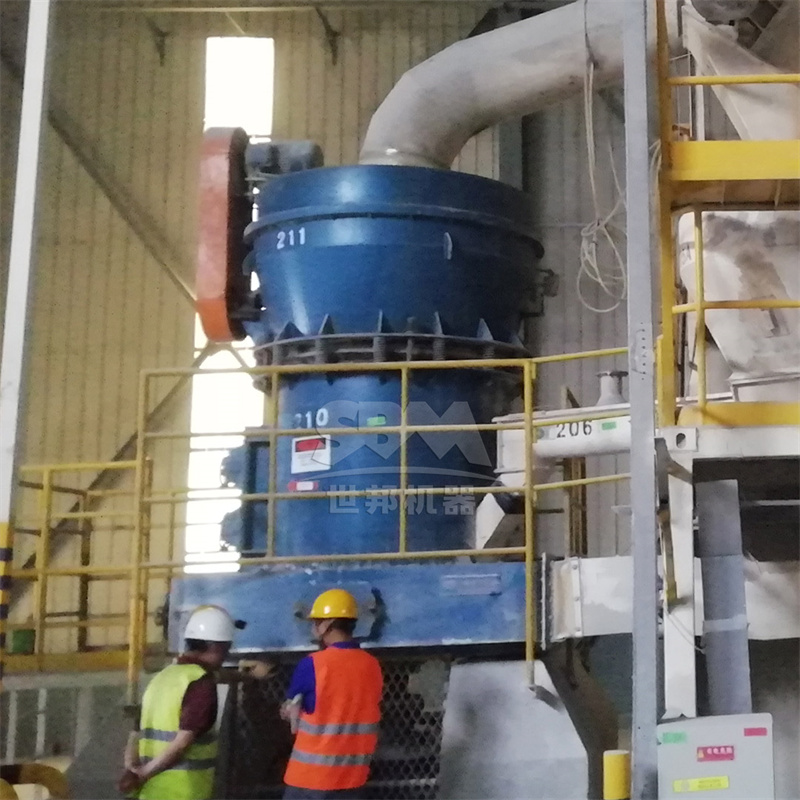
Vertical roller mills (VRMs) are increasingly popular for activated carbon grinding. They offer high grinding efficiency, integrated classification, and low energy consumption. VRMs can handle large capacities and produce a range of fineness levels. The LM Series Vertical Roller Mill from our company is a prime example, with capacities up to 250 t/h and fineness up to 600 mesh.
5. Trapezium Mills
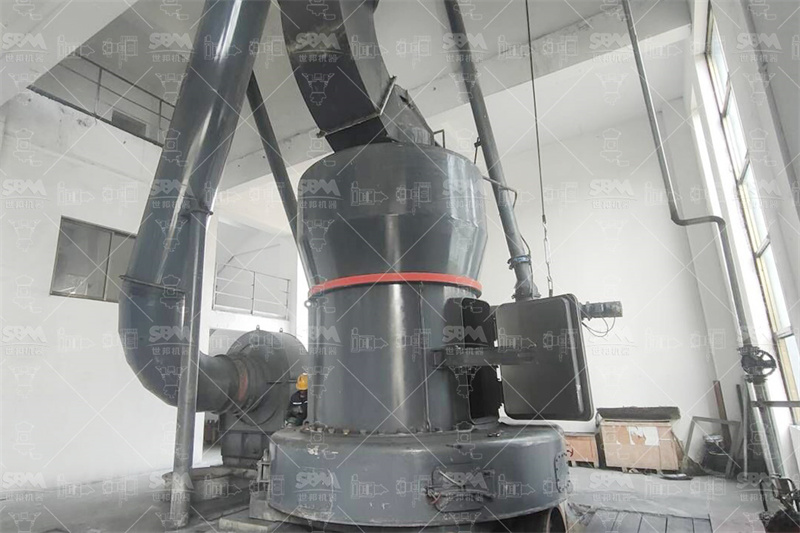
Trapezium mills, such as the MTW Series, are optimized for medium-fine grinding (30–325 mesh). They feature advanced airflow design, wear-resistant components, and high classification efficiency, making them suitable for activated carbon processing where consistent particle size is critical.
6. Ultrafine Mills
Ultrafine mills, like the SCM Series, are designed for fine and ultrafine grinding (325–2500 mesh). They employ high-precision classifiers and specialized grinding mechanisms to achieve narrow particle size distributions, essential for high-grade activated carbon applications.
How to Choose the Right Milling System
Selecting the optimal milling system requires a systematic approach:
Step 1: Define Your Product Specifications
Determine the required particle size distribution, purity, and surface area of the activated carbon. For example, if you need a product with 90% passing 325 mesh, a trapezium mill or ultrafine mill may be suitable. If ultrafine grinding to 1250 mesh is needed, an ultrafine mill is necessary.
Step 2: Assess Your Production Capacity
Calculate the required throughput in tons per hour. Consider future expansion. Match the mill’s capacity to your needs; oversized mills waste energy, while undersized mills limit production.
Step 3: Evaluate Energy Efficiency
Compare the specific energy consumption (kWh/t) of different mills. Ultrafine mills and vertical roller mills generally offer better energy efficiency than ball mills. Look for features like advanced classifiers and variable frequency drives.
Step 4: Consider Material Characteristics
Activated carbon’s abrasiveness and heat sensitivity should guide your choice. Mills with wear-resistant liners and low heat generation are preferable. For heat-sensitive grades, jet mills or mills with cooling systems may be needed.
Step 5: Review Maintenance and Reliability
Check the maintenance requirements, availability of spare parts, and ease of access for wear part replacement. Systems with modular designs and remote monitoring capabilities reduce downtime.
Step 6: Ensure Environmental Compliance
Dust emission regulations are stringent. Choose a mill with efficient dust collection (e.g., pulse jet bag filters) and noise reduction features.
Step 7: Conduct Pilot Testing
Whenever possible, test your activated carbon in a pilot-scale mill to verify performance and product quality before full-scale implementation.
Recommended Milling Systems from Our Company
Our company offers a range of milling systems tailored to activated carbon processing. Two outstanding models are particularly recommended:
SCM Series Ultrafine Mill (45–5 μm)
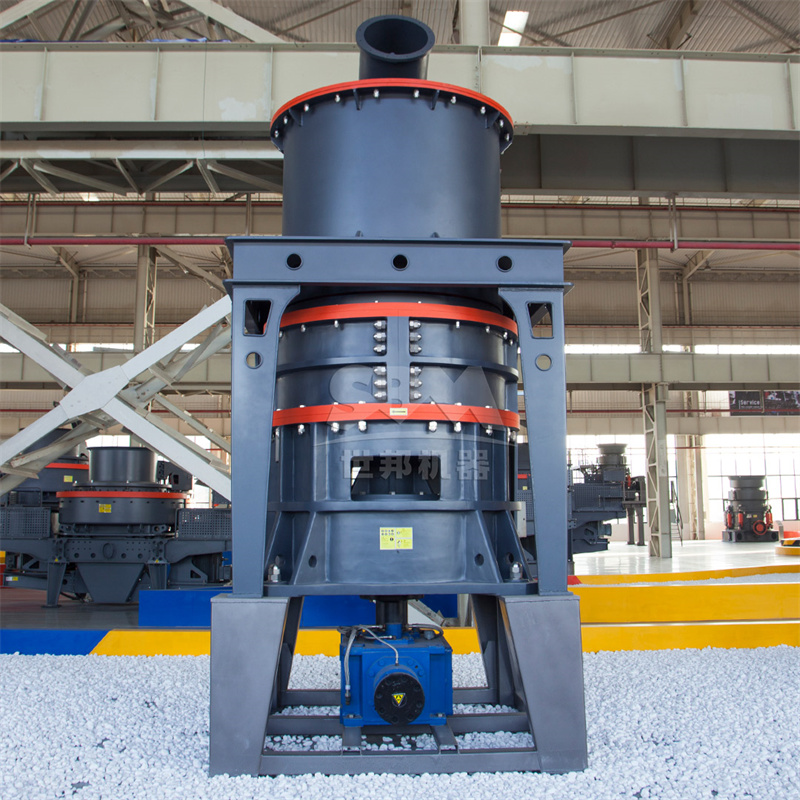
The SCM Series is an ideal choice for producing ultrafine activated carbon. With a fineness range of 325–2500 mesh and capacities from 0.5 to 25 t/h, it delivers high efficiency and precision. Key advantages include:
- High Efficiency & Energy Saving: Capacity is twice that of jet mills with 30% lower energy consumption. Intelligent control with automatic finished product granularity feedback ensures consistent quality.
- High-Precision Classification: Vertical turbine classifier achieves precise particle size cutting, preventing coarse powder mixing.
- Durable Design: Special material rollers and rings extend service life several times over. Shaftless screw grinding chamber ensures stable operation.
- Eco-friendly & Low Noise: Pulse dust collection efficiency exceeds international standards, and soundproof room design ensures low noise levels.
For activated carbon requiring ultrafine grinding, the SCM Series is a reliable and efficient solution.
MTW Series European Trapezium Mill (600–45 μm)
The MTW Series is well-suited for medium-fine grinding of activated carbon. With a fineness range of 30–325 mesh and capacities from 3 to 45 t/h, it offers a balance of performance and cost. Notable features include:
- Anti-wear Shovel Design: Combined shovel blades reduce maintenance costs, and curved design extends grinding roller life.
- Optimized Arc Air Duct: Reduces airflow energy loss and improves transmission efficiency. High-strength guard plates protect the air duct working surface.
- Integral Bevel Gear Drive: Transmission efficiency up to 98%, saving space and reducing installation costs.
- Wear-resistant Volute Structure: Non-resistance flow design improves air selection efficiency and reduces maintenance costs by 30%.
For activated carbon producers seeking a robust and efficient mill for medium-fine powders, the MTW Series is an excellent choice.
Conclusion
Choosing the right milling system for activated carbon processing is a critical decision that impacts product quality, operational costs, and environmental compliance. By considering factors such as fineness requirements, capacity, energy efficiency, maintenance, and material characteristics, you can select a system that meets your specific needs. Our SCM Series Ultrafine Mill and MTW Series European Trapezium Mill are engineered to deliver superior performance for activated carbon grinding, combining advanced technology with reliability and sustainability. For personalized recommendations, please consult our technical team to discuss your application and ensure optimal results.