Introduction
Attapulgite, a naturally occurring magnesium aluminum phyllosilicate, is widely recognized for its exceptional colloidal, rheological, and binding properties. In the animal feed and industrial pellet industries, attapulgite serves as a crucial binder, improving pellet durability, reducing fines, and enhancing nutrient absorption. However, the performance of attapulgite as a binder is highly dependent on its particle size, surface area, and activation level. This is where advanced milling and grinding equipment play a pivotal role.
Selecting the right processing equipment for attapulgite is not just about reducing particle size; it is about achieving uniform distribution, maintaining crystal structure integrity, and optimizing energy consumption. This article provides a comprehensive guide to the key features of advanced attapulgite processing equipment and a selection framework to help you choose the ideal system for high-performance pellet binder production.
When processing attapulgite for binders, the target fineness typically ranges from 45µm to 5µm (325-2500 mesh) for ultra-fine applications, or 600µm to 45µm (30-325 mesh) for standard binder grades. Each particle size range requires a specific milling technology to balance throughput, energy efficiency, and product quality.
Key Features of Advanced Processing Equipment
1. High-Efficiency Grinding Mechanisms
Traditional ball mills are often inefficient for producing ultra-fine attapulgite powders. Modern mills utilize advanced grinding principles, such as layer-by-layer grinding, roller pressure crushing, and vertical grinding bed technology. These mechanisms ensure that attapulgite is ground uniformly without over-grinding, which can degrade its binding properties. Look for equipment that features a combination of centrifugal force and high-pressure roller action to maximize surface area activation.
2. Precision Classification Systems
The quality of a pellet binder depends on a precise particle size distribution (PSD). Advanced equipment integrates high-precision classifiers, such as vertical turbine classifiers or multi-rotor dynamic classifiers. These systems can achieve a sharp cut point, eliminating coarse particles that weaken pellet structure while minimizing ultra-fine dust that can cause handling issues. A classifier with adjustable rotor speed and air flow allows fine-tuning of the finished product.
3. Intelligent Control and Automation
Modern processing lines are equipped with expert-level auto-control systems. These systems monitor parameters like mill load, temperature, classifier speed, and air flow in real-time. For attapulgite processing, intelligent feedback loops can automatically adjust the feed rate and grinding pressure to maintain consistent output fineness, even when raw material moisture or hardness varies. This reduces manual intervention and ensures batch-to-batch consistency, which is critical for binder performance.
4. Durability and Wear Resistance
Attapulgite, while not extremely hard, is abrasive due to its fibrous nature. Processing equipment must feature wear-resistant components such as special alloy rollers and rings, high-manganese steel liners, and volute structures with non-resistance flow design. Mills that use combined shovel blades or horizontal pull-rod roller assemblies offer extended service life and reduced maintenance costs. A durable design directly impacts the total cost of ownership.
5. Environmental Compliance
Modern processing must meet stringent environmental regulations. Advanced equipment operates under negative pressure with fully sealed systems to prevent dust leakage. Pulse dust collection systems with efficiency exceeding international standards ensure clean air discharge. Additionally, soundproof room designs and damping technologies reduce operational noise levels, creating a safer and more comfortable working environment.
Selection Guide for Attapulgite Binder Processing
Choosing the right machine depends on your target fineness, production capacity, and energy budget. Below is a step-by-step guide:
Step 1: Define Your Target Fineness and Capacity
- For Standard Binder (30-325 mesh / 600-45µm): This range is suitable for general feed pellet binding. The MTW Series European Trapezium Mill or LM Series Vertical Roller Mill are ideal. The MTW series offers capacities from 3 to 45 tons per hour with an input size up to 50mm, featuring an anti-wear shovel design and integral bevel gear drive with 98% transmission efficiency. The LM series provides integrated crushing, grinding, and selection in one unit, reducing floor space by 50%.
- For High-Performance / Ultra-Fine Binder (325-2500 mesh / 45-5µm): For advanced binders requiring high surface area and superior reactivity, the SCM Series Ultrafine Mill or the LUM Ultrafine Vertical Roller Mill are the top choices. The SCM series delivers a capacity of 0.5 to 25 tons per hour, with energy consumption 30% lower than jet mills while achieving double the capacity.
Step 2: Evaluate Energy Efficiency
Energy costs are a major factor in mineral processing. For large-scale production of standard binder, the LM Vertical Roller Mill is an excellent choice, offering 30-40% lower energy consumption than traditional ball mill systems. For ultra-fine grinding, the SCM series incorporates intelligent control and automatic feedback to minimize power waste.
Step 3: Consider System Integration and Footprint
If plant space is limited, consider integrated systems like the LM Vertical Roller Mill, which combines crushing, grinding, and classifying in a single unit. This reduces infrastructure costs by up to 40% and allows for outdoor installation.
Recommended Products
Based on the above criteria, we highly recommend two specific models for attapulgite binder processing. These machines represent the pinnacle of efficiency and reliability in the industry.
Recommendation 1: SCM Series Ultrafine Mill (For Ultra-Fine Binder, 45-5µm)
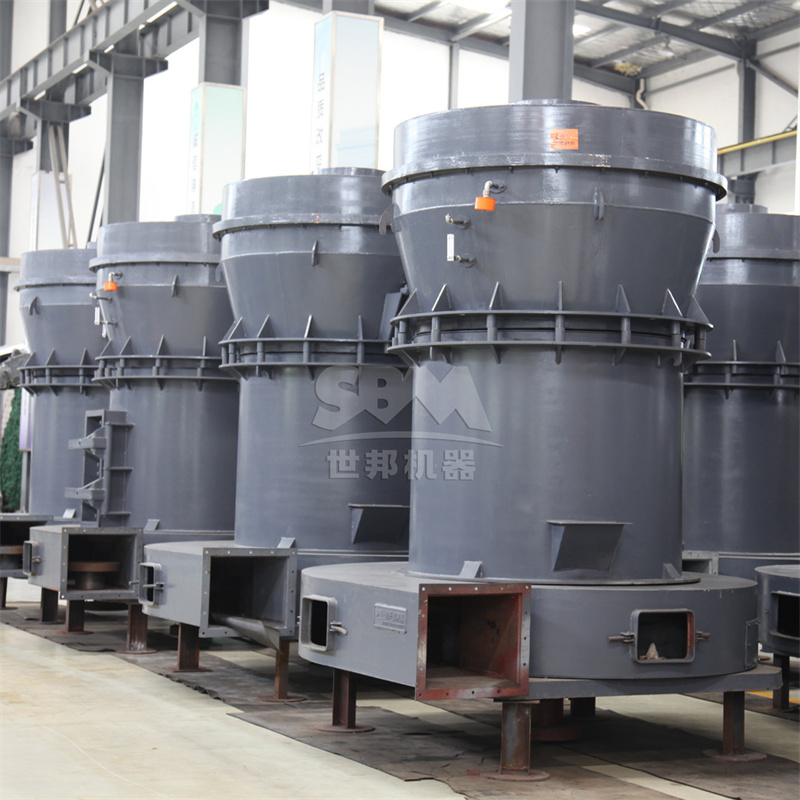
For manufacturers aiming to produce the highest quality attapulgite binders with superior binding strength, the SCM Series Ultrafine Mill is the ideal solution. Its shaftless screw grinding chamber and vertical turbine classifier ensure a uniform product with no coarse powder mixing. The special material rollers and rings extend service life significantly. With models ranging from SCM800 to SCM1680, you can achieve a capacity of 0.5 to 25 tons per hour. This mill is a market leader for superfine powder processing due to its low noise, eco-friendly operation, and high-precision classification.
Recommendation 2: MTW Series European Trapezium Mill (For Standard to Fine Binder, 600-45µm)
For high-capacity production of standard binder grades, the MTW Series is unmatched. Its optimized arc air duct reduces airflow energy loss, and the integral bevel gear drive ensures high transmission efficiency. The anti-wear combined shovel design and wear-resistant volute structure reduce maintenance costs by 30% while maintaining a stable operation. The MTW series, including high-capacity models like the MTW215G (up to 45 t/h), is perfect for continuous industrial production where reliability is paramount.
Working Principles in Brief
Understanding how these machines work helps in making the right selection.
SCM Ultrafine Mill Working Principle
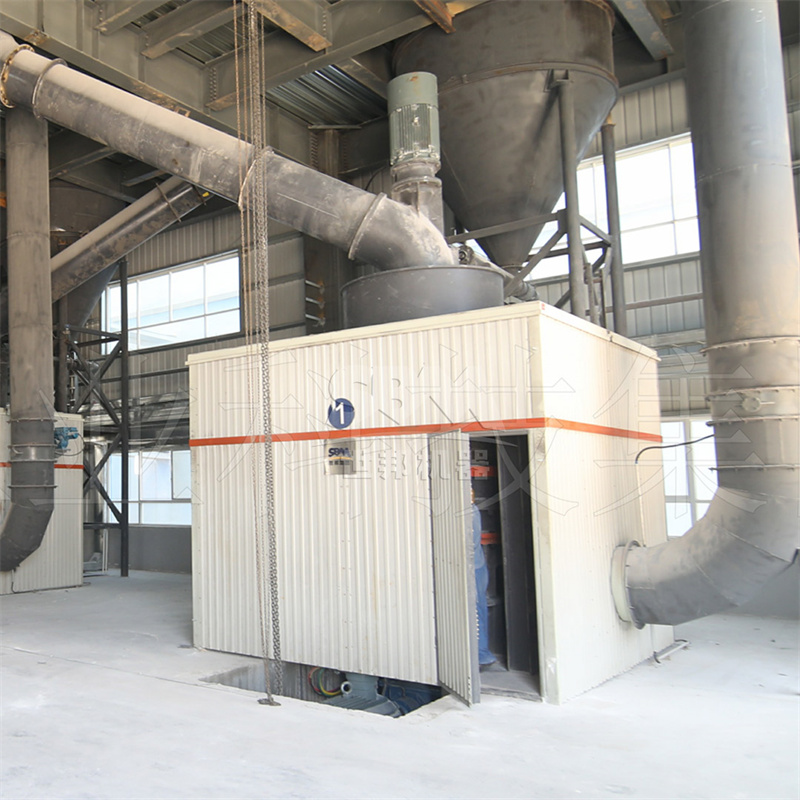
The main motor drives three layers of grinding rings to rotate. Material is dispersed into the grinding path by centrifugal force, crushed by roller pressure, and ground layer by layer. The vertical turbine classifier ensures precise particle size cutting, while the cyclone collector and pulse dust removal system complete the powder collection.
MTW European Trapezium Mill Working Principle
The main motor drives the grinding rollers to revolve around the central axis while self-rotating, generating centrifugal force. Shovels throw the attapulgite material between the ring and rollers to form a material layer. Efficient crushing is achieved through extrusion, and the classification system precisely controls the finished product size.
Conclusion
Optimizing attapulgite processing for high-performance pellet binders requires a strategic investment in the right milling technology. By focusing on precision classification, energy efficiency, durability, and intelligent control, you can produce binders that significantly enhance pellet quality. The SCM Series Ultrafine Mill and MTW Series European Trapezium Mill offer proven solutions for a wide range of production needs, from high-value ultra-fine binders to high-volume standard grades. Selecting these advanced systems will lower your operational costs, improve product consistency, and strengthen your position in the market.