
Introduction
In the agricultural sector, superphosphate fertilizers play a pivotal role in enhancing soil fertility and crop yields. Whether you are producing single superphosphate (SSP) or triple superphosphate (TSP), the grinding stage is critical to ensure optimal particle size distribution, reactivity, and final product quality. Selecting the right grinding mill for your fertilizer production line directly impacts operational efficiency, energy consumption, and overall profitability. This article provides a comprehensive guide to choosing the appropriate grinding equipment for superphosphate processing, highlighting key factors and introducing two high-performance mills from our company that excel in this application.
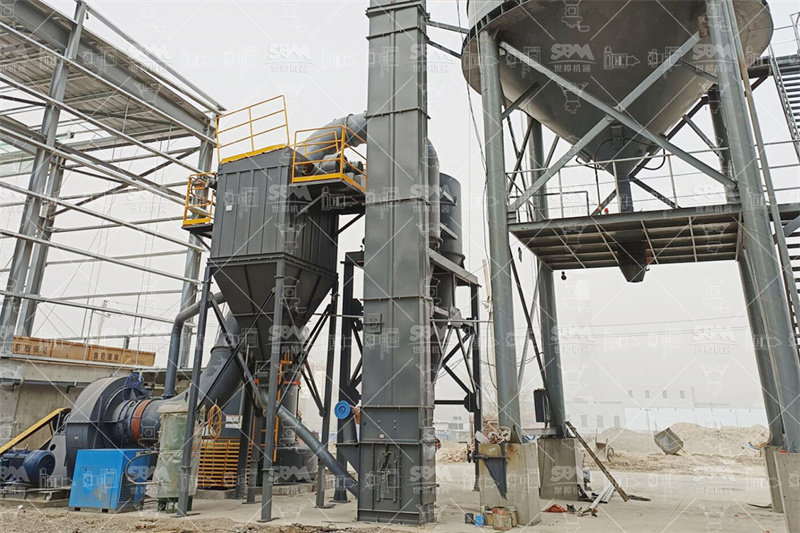
Understanding Superphosphate Processing Requirements
Superphosphate fertilizers are typically produced by reacting phosphate rock with sulfuric acid (for SSP) or phosphoric acid (for TSP). The resulting product often requires grinding to achieve a fine, uniform powder that facilitates easy application and rapid nutrient release. Key characteristics of superphosphate that influence mill selection include:
- Moisture content: Superphosphate can be slightly hygroscopic and may contain residual moisture, requiring a mill that handles moist materials without clogging.
- Abrasiveness: Phosphate rock and acidulated products can be abrasive, demanding wear-resistant grinding elements.
- Target fineness: Most superphosphate products are ground to 80-200 mesh (75-180 μm), but finer grinds may be needed for suspension fertilizers or special blends.
- Capacity: Production scales vary from small farms to large industrial plants, so mill capacity must match your throughput.
Additionally, the grinding system should be environmentally compliant, minimizing dust emissions and noise. Energy efficiency is another crucial factor, as grinding can account for a significant portion of production costs.
Key Factors in Choosing a Grinding Mill
When evaluating grinding mills for superphosphate processing, consider the following criteria:
1. Material Characteristics and Moisture Handling
Superphosphate may have moisture levels up to 3-5%. Mills that can handle moderate moisture without requiring excessive drying are preferable. Vertical roller mills and trapezium mills with integrated drying capabilities (using hot gas) are often suitable.
2. Fineness Requirements
If your product requires fine grinding (e.g., 325 mesh or finer), an ultrafine mill or a high-efficiency classifier system is necessary. For standard agricultural grade (80-200 mesh), a trapezium mill or ball mill may suffice.
3. Capacity and Scalability
Throughput requirements dictate the mill size and type. For small to medium capacities (up to 30 t/h), trapezium mills or ultrafine mills are cost-effective. For large-scale operations (up to 100 t/h or more), vertical roller mills offer higher capacity and lower specific energy consumption.
4. Wear Resistance and Maintenance
Abrasive materials cause wear on grinding rolls, rings, and liners. Mills with wear-resistant materials (e.g., special alloys or ceramic liners) and easy maintenance access reduce downtime and operating costs.
5. Energy Efficiency
Grinding is energy-intensive. Vertical roller mills and advanced trapezium mills are designed to minimize energy consumption through optimized grinding mechanisms and efficient classifiers.
6. Environmental Compliance
Dust collection and noise control are essential. Ensure the mill system includes pulse-jet dust collectors and acoustic enclosures where necessary.
Recommended Mills for Superphosphate Processing
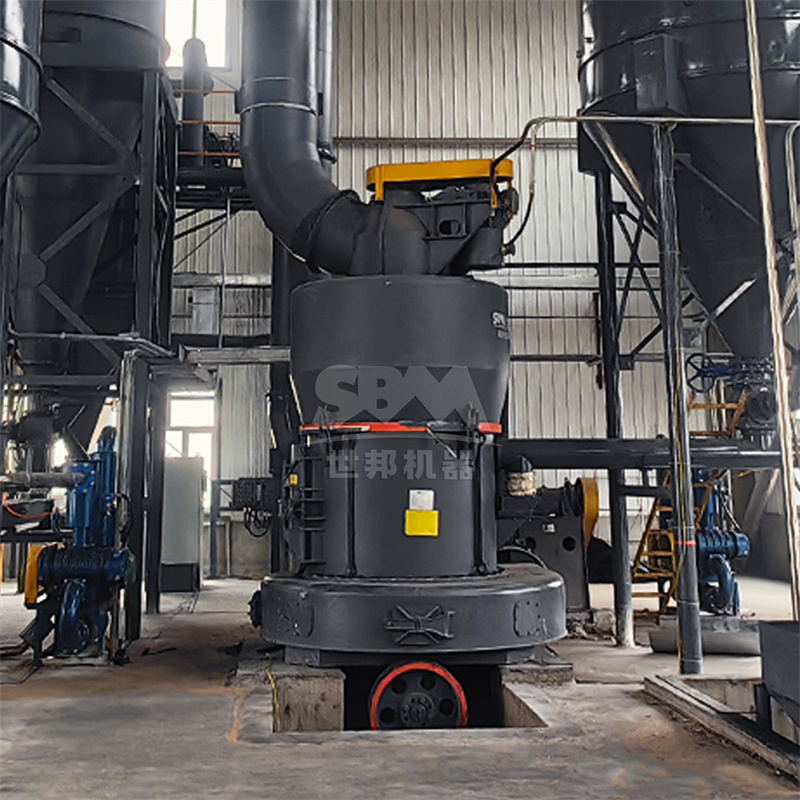
Based on the above factors, we recommend two of our company’s products that are particularly well-suited for superphosphate grinding: the MTW Series European Trapezium Mill and the SCM Series Ultrafine Mill. Both are engineered for high efficiency, durability, and environmental performance.
MTW Series European Trapezium Mill
The MTW Series is an ideal choice for medium to large-scale superphosphate production, offering capacities from 3 to 45 t/h and fineness adjustable from 30 to 325 mesh (down to 0.038mm). Its key advantages include:
- Anti-wear shovel design: Combined shovel blades and curved rollers reduce maintenance costs and extend service life, crucial when handling abrasive superphosphate.
- Optimized arc air duct: Reduces airflow energy loss, improving transmission efficiency and lowering power consumption.
- Integral bevel gear drive: Transmission efficiency up to 98%, saving space and installation costs.
- Wear-resistant volute structure: Non-resistance flow design improves air selection efficiency and reduces maintenance costs by 30%.
With models ranging from MTW110 to MTW215G, you can select the exact capacity to match your production line. The mill’s robust construction and efficient classification ensure a uniform product with minimal oversize particles, enhancing fertilizer efficacy.
SCM Series Ultrafine Mill
For applications requiring finer grinding (325-2500 mesh), the SCM Series Ultrafine Mill is the superior choice. It delivers capacities from 0.5 to 25 t/h and features:
- High efficiency & energy saving: Capacity is twice that of jet mills with 30% lower energy consumption, thanks to intelligent control and automatic granulinity feedback.
- High-precision classification: Vertical turbine classifier ensures precise particle size cutting, preventing coarse powder mixing and guaranteeing uniform finished product.
- Durable design: Special material rollers and rings extend service life several times over; shaftless screw grinding chamber ensures stable operation.
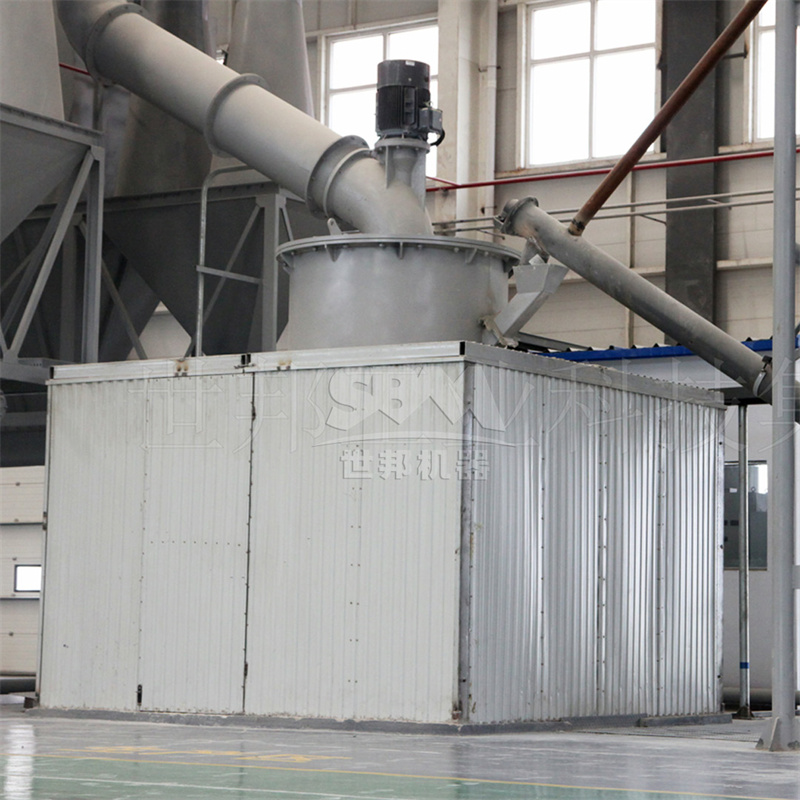
- Eco-friendly & low noise: Pulse dust collection efficiency exceeds international standards; soundproof room design ensures low noise levels.
The SCM mill is particularly suitable for producing fine superphosphate powders for specialized applications, such as foliar fertilizers or high-analysis blends. Its advanced classification system allows you to achieve precise fineness with minimal energy waste.
Comparison and Selection Guidelines
To aid your decision, consider the following:
- For standard agricultural superphosphate (80-200 mesh): The MTW Series offers high capacity, low operating cost, and easy maintenance. Its ability to handle up to 50mm feed size and moderate moisture makes it versatile.
- For fine or ultrafine superphosphate (325 mesh and finer): The SCM Series provides precise classification and high efficiency, ensuring product uniformity. It is ideal for value-added fertilizer products.
- For large-scale production ( >45 t/h): Consider our LM Series Vertical Roller Mill, which can achieve capacities up to 250 t/h and offers integrated drying, grinding, and classifying. However, for most superphosphate lines, the MTW and SCM models strike an optimal balance between performance and investment.
Both MTW and SCM mills are equipped with advanced automation and dust collection systems, ensuring compliance with environmental regulations and reducing operator intervention. Our company provides comprehensive after-sales support, including installation, commissioning, and spare parts supply, to maximize your production uptime.
Conclusion
Choosing the right grinding mill for your superphosphate production line is a strategic decision that affects product quality, operational costs, and environmental footprint. The MTW European Trapezium Mill and SCM Ultrafine Mill from our company represent state-of-the-art solutions that deliver reliability, efficiency, and precision. By aligning your specific requirements with the capabilities of these mills, you can optimize your fertilizer production and gain a competitive edge in the agricultural market. Contact our engineers today to discuss your project and receive a tailored recommendation.