
Introduction
In the competitive world of paper manufacturing, the quest for superior quality, enhanced printability, and cost-effective production is relentless. Among the various functional additives, attapulgite clay has emerged as a highly valuable coating pigment. Its unique acicular (needle-like) crystal structure offers exceptional benefits in rheology control, viscosity modification, and ink receptivity. However, the full potential of attapulgite in paper coatings is intrinsically linked to its particle size distribution, purity, and surface activation – attributes that are directly determined by the processing technology and equipment used. This article delves into the critical role of advanced grinding and classification machinery in unlocking the superior performance of attapulgite clay for the paper industry.
The Unique Value of Attapulgite in Paper Coatings
Attapulgite, also known as palygorskite, is a hydrated magnesium aluminum silicate clay mineral. Its distinctive structure consists of parallel ribbons of 2:1 phyllosilicate units, forming elongated, porous crystals. This morphology grants it several advantages in paper coating formulations:
- Rheology Control: The fibrous particles form a three-dimensional network that provides excellent shear-thinning behavior, preventing settling and ensuring uniform coating application.
- Improved Opacity and Brightness: Fine, well-dispersed attapulgite particles can scatter light effectively, enhancing the optical properties of the coated paper.
- Enhanced Ink Holdout and Print Gloss: The micro-porous structure aids in controlled absorption of printing inks, leading to sharper print definition and higher gloss.
- Synergy with Other Pigments: It acts as an effective spacer and thickener for kaolin and calcium carbonate, optimizing their performance in the coating layer.
To harness these properties, the raw attapulgite must be processed to achieve a specific fineness, preserve its crystal structure, and eliminate impurities.
Core Processing Challenges for Attapulgite Clay
The transformation of raw attapulgite ore into a high-performance coating pigment presents distinct technical challenges:
- Delamination and Fiberization: The goal is to separate the natural crystal bundles into individual acicular particles without excessive breakage, which would destroy the beneficial aspect ratio.
- Ultra-fine Grinding: Achieving a consistent and very fine particle size (often in the range of 2-10 microns or finer) is crucial for smooth coating surfaces and optimal optical performance.
- Precise Classification: Efficient removal of oversize particles and impurities is necessary to ensure a uniform product and prevent defects in the final paper coating.
- Energy Efficiency: Traditional grinding methods can be energy-intensive. Modern equipment must deliver high throughput with lower specific energy consumption.
- Dust Control and Environmental Compliance: Dry processing of fine clay minerals requires integrated, high-efficiency dust collection systems.
The Pivotal Role of Advanced Milling Equipment
Meeting these challenges demands specialized grinding and classification technology. The ideal equipment must apply a combination of compression, shear, and impact forces in a controlled manner to gently liberate the attapulgite fibers while progressively reducing particle size.
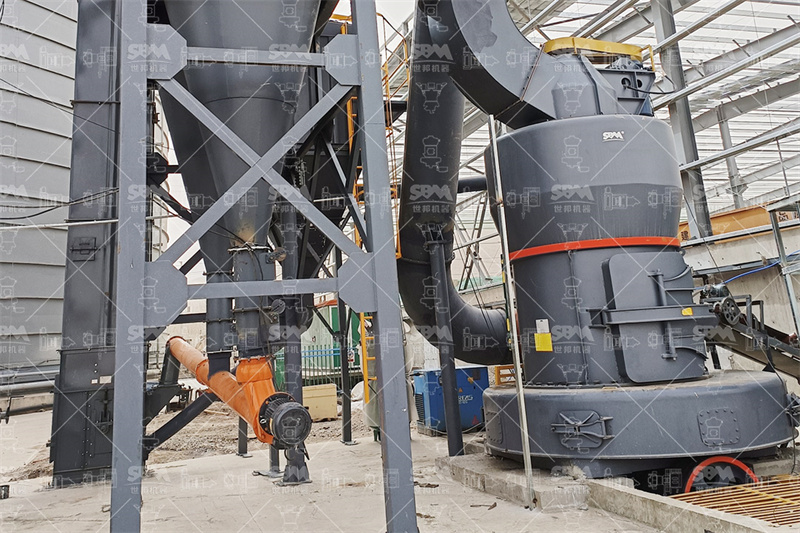
Figure 1: The acicular structure of attapulgite clay, which must be preserved during processing for optimal paper coating performance.
Key Equipment Considerations
For primary and secondary crushing of raw attapulgite ore (≤50mm), robust equipment like the MTW Series European Trapezium Mill is highly effective. Its anti-wear shovel design and optimized arc air duct are built to handle abrasive clay materials efficiently, producing a consistent feed in the 30-325 mesh range for further refinement. The integral bevel gear drive ensures high transmission efficiency and reliability, which is critical for continuous production lines.
However, the true breakthrough for producing premium-grade attapulgite coating pigments lies in achieving ultrafine fineness with narrow particle size distribution. This is where advanced vertical roller mills and ultrafine grinding systems prove indispensable.
Recommended Solution: SCM Series Ultrafine Mill for Premium Attapulgite
For paper mills and pigment producers targeting the high-end coating market, we strongly recommend our flagship SCM Series Ultrafine Mill. This system is engineered to excel in the precise processing of minerals like attapulgite, delivering the fineness, uniformity, and efficiency required for enhanced papermaking performance.
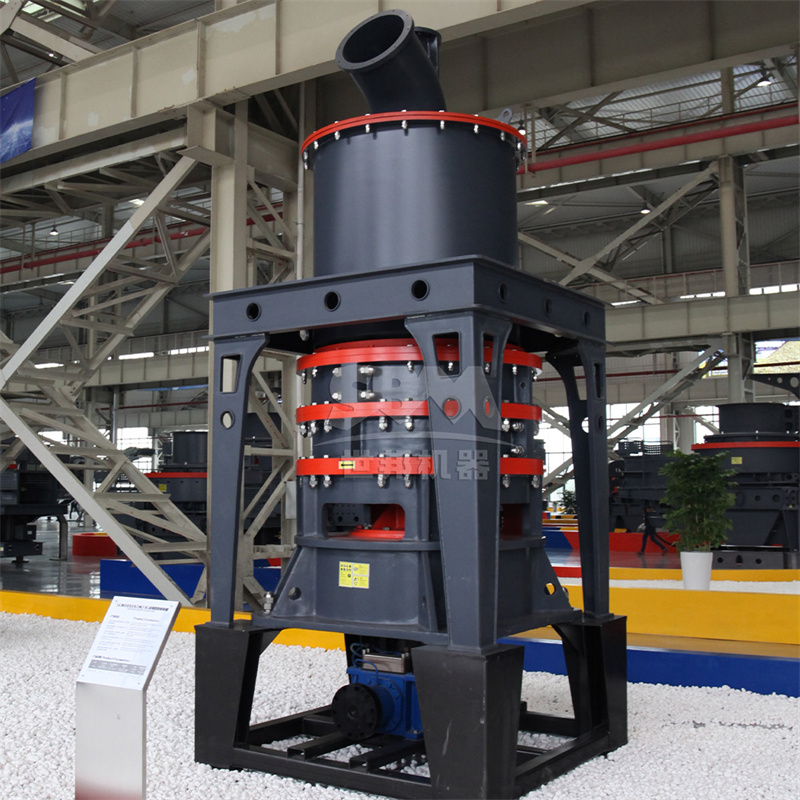
Figure 2: An SCM Series Ultrafine Mill system, ideal for producing finely ground attapulgite coating pigments.
Why the SCM Mill is Ideal for Attapulgite Processing:
- Superior Fineness & Precision: Capable of producing powders from 325 to 2500 mesh (45-5μm), the SCM mill’s vertical turbine classifier provides exceptionally precise particle size cutting. This ensures no coarse powder mixing, resulting in a uniform finished product that delivers consistent coating rheology and surface quality on paper.
- High Efficiency & Energy Savings: With a capacity up to 2 times that of traditional jet mills and approximately 30% lower energy consumption, the SCM mill significantly reduces operational costs. Its intelligent control system with automatic finished product granularity feedback allows for stable, optimized production.
- Gentle Yet Effective Grinding: The multi-layer grinding ring and roller system applies layered grinding pressure. This method is particularly suitable for attapulgite, as it helps in delaminating the crystal bundles through shear and compression with reduced risk of over-crushing the delicate acicular particles compared to high-impact methods.
- Durability and Clean Operation: Constructed with special material rollers and rings that extend service life, the mill ensures long-term, stable operation. Furthermore, its integrated pulse dust collection system exceeds international standards, guaranteeing an eco-friendly production environment with minimal dust emission—a critical factor in mineral processing plants.
By integrating the SCM Ultrafine Mill into your attapulgite processing line, you can consistently produce a coating pigment that offers superior thickening, excellent water retention, and improved printability for paper products.
Integrating Processing into the Paper Coating Line
The finely ground attapulgite from equipment like the SCM mill is then dispersed in water with dispersants to form a stable slurry. This slurry is blended with other pigments (e.g., GCC, kaolin), binders (e.g., latex, starch), and additives to formulate the final coating color. The high-quality attapulgite pigment contributes to a coating with stable viscosity, good runnability on high-speed coaters, and ultimately, a paper surface with excellent print gloss, ink holdout, and uniformity.
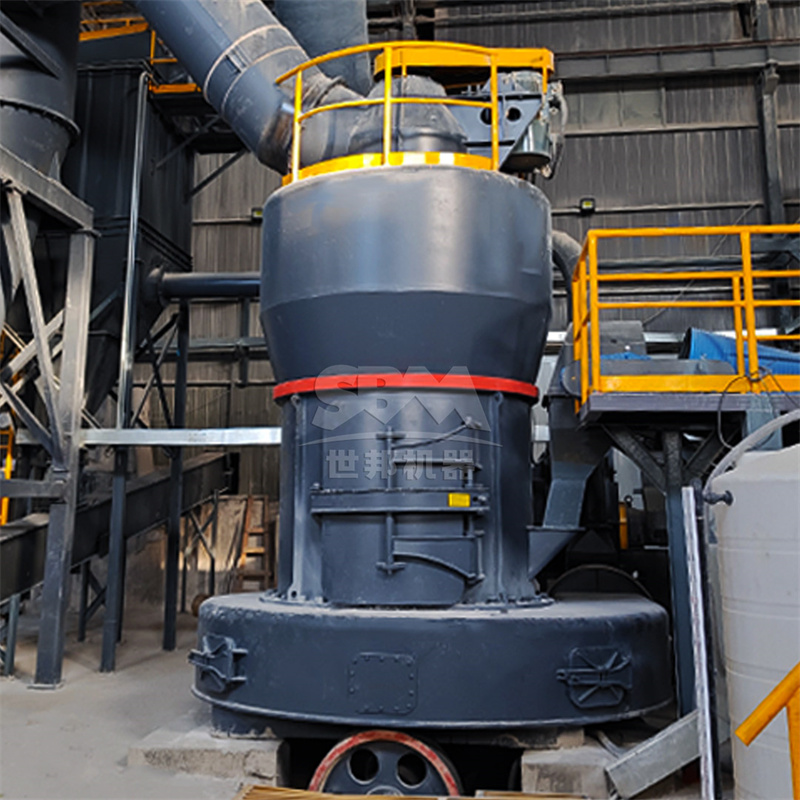
Figure 3: The final application of coating, where high-quality processed attapulgite improves runnability and final sheet properties.
Conclusion
The journey from raw attapulgite clay to a high-performance paper coating pigment is a technological one, where processing equipment is not just a tool but a determinant of final product value. Advanced milling systems, particularly ultrafine grinding mills like the SCM Series, are essential for unlocking the unique structural benefits of attapulgite. By enabling precise particle size control, energy-efficient operation, and environmentally sound production, this key processing equipment empowers paper manufacturers to enhance coating performance, improve end-product quality, and strengthen their competitive edge in the market. Investing in the right grinding technology is, therefore, an investment in the superior performance and sustainability of paper products.