
Introduction: Why Attapulgite Matters in Molecular Sieve Manufacturing
Attapulgite clay, also known as palygorskite, is a unique hydrated magnesium aluminum silicate mineral with a needle-like crystal structure. Its high surface area, excellent adsorption capacity, and thermal stability make it an indispensable raw material in the production of molecular sieves—particularly zeolite-based materials used in petroleum refining, petrochemical processing, and gas separation. However, converting raw attapulgite clay into a high-performance molecular sieve requires a carefully engineered sequence of milling, activation, and classification steps. Choosing the right processing equipment is therefore critical for achieving the desired particle size distribution, porosity, and chemical reactivity.
This buyer’s guide examines the key stages of attapulgite processing for molecular sieve production, highlights the technical requirements at each stage, and introduces two industry-leading milling solutions from our company that are specifically suited to this demanding application.
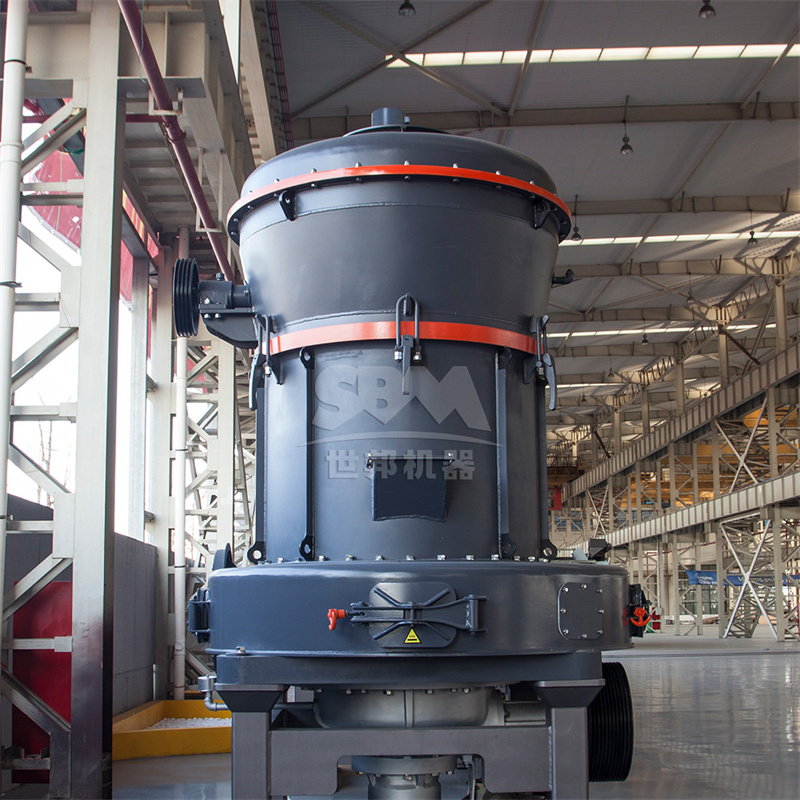
Understanding Attapulgite Activation for Molecular Sieves
Before milling, raw attapulgite clay typically undergoes activation—either thermal or acid treatment—to enhance its adsorption properties and create the microporous structure required for molecular sieving. Thermal activation involves controlled heating to remove zeolitic water and increase surface area, while acid activation with hydrochloric or sulfuric acid leaches out impurities and increases the silica-to-magnesia ratio. The effectiveness of activation depends heavily on the particle size of the clay feed. Coarse particles may not activate uniformly, while over-grinding can destroy the fibrous structure essential for molecular sieve performance.
Therefore, the milling system must deliver a precise, narrow particle size distribution—typically in the range of 5 to 45 microns for downstream activation and extrusion into molecular sieve pellets or beads. This is where advanced ultrafine grinding technology becomes essential.
Key Equipment Requirements for Attapulgite Milling
When selecting a mill for attapulgite processing, buyers should consider the following factors:
- Fineness controllability: Ability to produce consistent particle sizes between 5 and 45 microns, with minimal oversize or fines.
- Thermal sensitivity: The mill should avoid excessive heat generation that could prematurely dehydrate the clay.
- Contamination control: Wear-resistant materials in the grinding chamber to prevent iron or other impurities from entering the product.
- Energy efficiency: Given the high volumes required in molecular sieve plants, energy consumption directly impacts operating costs.
- Integration with activation and classification: The mill should work seamlessly with flash dryers, calciners, and air classifiers.
SCM Series Ultrafine Mill: Precision Grinding for Molecular Sieve Applications
Our SCM Series Ultrafine Mill is an ideal choice for attapulgite clay processing in molecular sieve production. With an output fineness range of 325 to 2500 mesh (approximately 45 to 5 microns), the SCM mill delivers the fine, uniform particles required for consistent activation and high-performance molecular sieves.
The SCM mill features a vertical turbine classifier that achieves precise particle size cutting, eliminating coarse powder mixing and ensuring a uniform finished product. Its high-efficiency design offers twice the capacity of a jet mill while consuming 30% less energy—a significant advantage for continuous molecular sieve manufacturing. The intelligent control system provides automatic feedback on finished product granularity, allowing operators to maintain tight specifications with minimal intervention.
Durability is another key benefit. The SCM mill uses specially engineered rollers and rings that extend service life several times over, reducing maintenance downtime. The shaftless screw grinding chamber ensures stable operation even under heavy loads. For molecular sieve producers who cannot afford contamination, the SCM mill’s wear-resistant components minimize metal ingress.
Environmentally, the SCM Series exceeds international standards for dust collection thanks to its pulse dust removal system, and its soundproof room design keeps noise levels well below regulatory limits. This makes it suitable for installation in urban or semi-urban plant locations.
Available models include the SCM800 (0.5–4.5 t/h), SCM900 (0.8–6.5 t/h), SCM1000 (1.0–8.5 t/h), SCM1250 (2.5–14 t/h), and SCM1680 (5.0–25 t/h), with main power from 75 kW to 315 kW. All models accept feed sizes up to 20 mm, making them compatible with pre-crushed attapulgite clay.
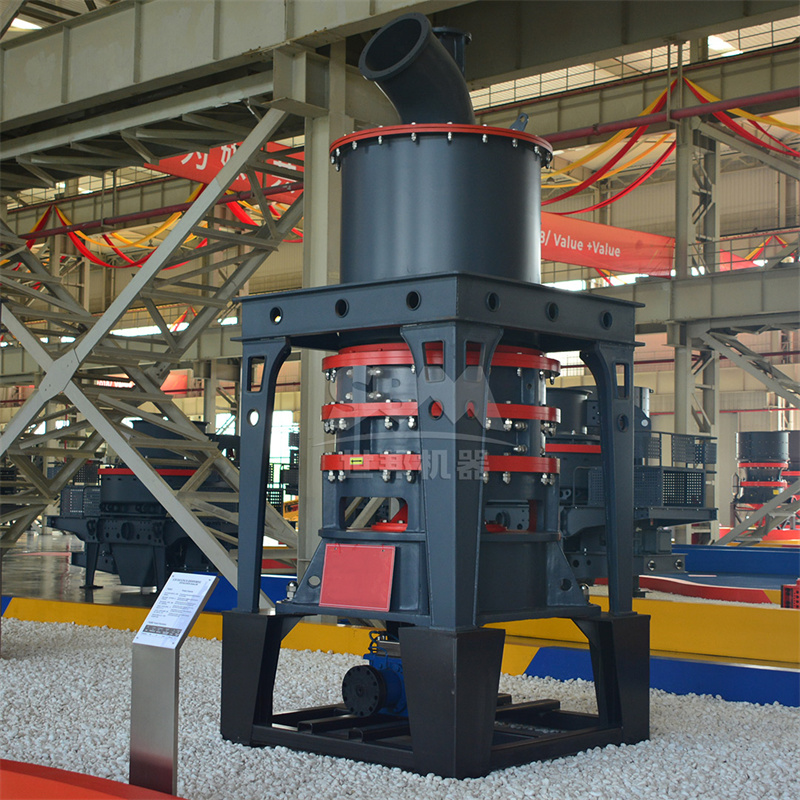
MTW Series European Trapezium Mill: Versatile and Cost-Effective
For molecular sieve producers who require a broader range of particle sizes or who also process other clay minerals, our MTW Series European Trapezium Mill offers exceptional versatility. With an output fineness from 30 to 325 mesh (down to 0.038 mm) and capacities from 3 to 45 t/h, the MTW mill can handle both coarse and fine grinding duties in a single system.
The MTW mill incorporates several patented technologies that reduce maintenance and energy costs. Its anti-wear shovel design combines curved blades that extend grinding roller life, while the optimized arc air duct reduces airflow energy loss, improving transmission efficiency. The integral bevel gear drive achieves 98% transmission efficiency and saves space compared to traditional belt drives. Additionally, the wear-resistant volute structure uses a non-resistance flow design to improve air selection efficiency, cutting maintenance costs by up to 30%.
For attapulgite activation, the MTW mill’s ability to deliver consistent particle sizes between 10 and 325 mesh means it can prepare feed for both acid activation (finer sizes) and thermal activation (coarser sizes). The classifier system precisely controls finished product size, and the mill can be integrated with flash dryers or calciners for continuous processing.
Models include the MTW110 (3–9 t/h), MTW110Z (3–10 t/h), MTW138Z (6–17 t/h), MTW175G (9.5–25 t/h), and MTW215G (15–45 t/h), with main power from 55 kW to 280 kW. Feed sizes up to 50 mm are acceptable, reducing the need for primary crushing.
Integrating Milling with Activation and Classification
In a molecular sieve production line, the mill is only one component. Buyers should consider how the mill integrates with upstream and downstream equipment. For instance, after milling, the attapulgite powder may need to be mixed with binders, extruded, and calcined. In some cases, in-situ activation is preferred, where the mill is coupled with a reactor that introduces acid vapors during grinding. Both the SCM and MTW mills can be configured with gas-tight systems and corrosion-resistant linings for such applications.
Classification is another critical step. While the SCM mill includes an integrated high-precision classifier, the MTW mill can be equipped with external air classifiers for even tighter cut points. Our company also offers dynamic classifiers that can be retrofitted to either mill, ensuring that the final particle size meets the stringent requirements of molecular sieve standards.
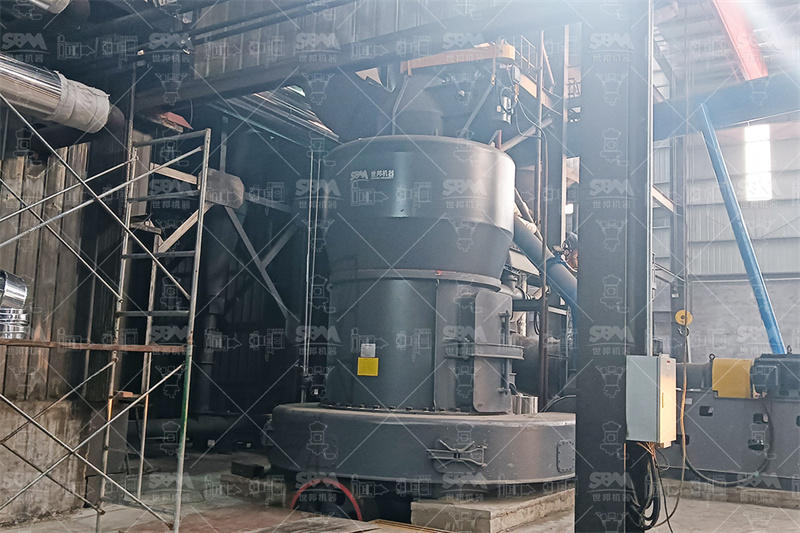
Case Study: Attapulgite Processing for Zeolite Molecular Sieves
A leading molecular sieve manufacturer in Asia recently replaced its aging ball mill circuit with an SCM1250 ultrafine mill. The company produces zeolite 4A and 13X molecular sieves for oxygen concentrators and natural gas drying. The raw attapulgite clay, mined locally, required grinding to a median particle size (D50) of 8 microns with a top cut of 45 microns. The SCM1250 achieved this with a capacity of 4 t/h, while reducing specific energy consumption by 28% compared to the previous jet mill. Additionally, the dust emission was reduced to less than 10 mg/m³, meeting local environmental regulations. The sieves produced from the SCM-ground clay showed a 15% improvement in CO₂ adsorption capacity.
Conclusion: Selecting the Right Mill for Your Molecular Sieve Plant
Attapulgite clay processing for molecular sieve production demands equipment that delivers precision, efficiency, and reliability. Our SCM Series Ultrafine Mill excels in producing fine, uniform particles in the 5–45 micron range, making it ideal for high-performance molecular sieves. The MTW Series European Trapezium Mill offers greater flexibility for producers who need a wider particle size range or who process multiple clay types.
When evaluating mills, consider your target particle size distribution, throughput requirements, energy costs, and maintenance strategy. Both the SCM and MTW series are backed by our global service network and can be customized with wear-resistant materials, explosion-proof motors, and advanced automation. By choosing the right milling and activation system, you can ensure that your molecular sieve products meet the highest standards of quality and performance.
For more information or to request a quotation, please contact our sales team today.