
Introduction to Attapulgite and Its Processing Challenges
Attapulgite, also known as palygorskite, is a unique hydrated magnesium aluminum silicate mineral with a distinctive needle-like or fibrous crystal structure. This morphology gives attapulgite exceptional properties, including high surface area, strong adsorption capacity, excellent colloidal stability, and remarkable thixotropic behavior. These characteristics make it indispensable in a wide range of industries, from drilling fluids, paints, and coatings to pharmaceuticals, cosmetics, agriculture, and environmental remediation.
However, the very properties that make attapulgite valuable also make it challenging to process. Its fibrous nature means that improper grinding can destroy the crystal structure, reducing its adsorption capacity and colloidal properties. Additionally, attapulgite typically has a relatively low hardness (Mohs 2-3) but can be abrasive when associated with quartz or other hard minerals. Therefore, selecting the right grinding mill for your attapulgite powder production line is critical for achieving the desired product quality, production capacity, and operational efficiency.
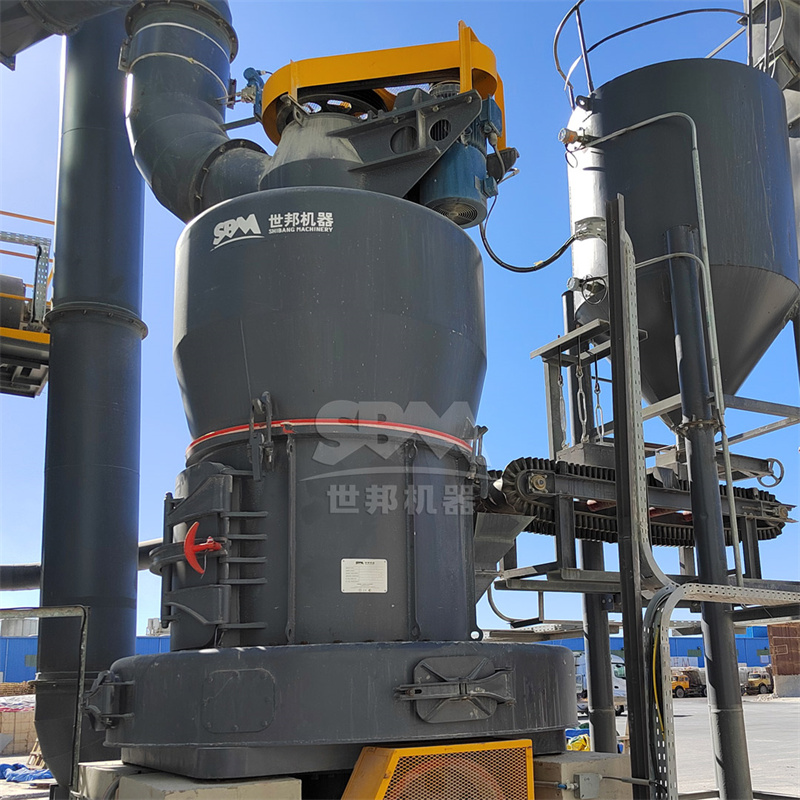
Key Factors in Choosing a Grinding Mill for Attapulgite
Before diving into specific equipment recommendations, it is essential to understand the key factors that influence the choice of a grinding mill for attapulgite processing:
1. Target Fineness and Particle Size Distribution
Attapulgite products are typically required in various fineness levels, from 100 mesh to 1250 mesh or even finer. The intended application dictates the optimal particle size. For example, drilling fluid grade attapulgite may require 200-325 mesh, while pharmaceutical or cosmetic grades may need 1000 mesh or finer. The grinding mill must be capable of achieving the required fineness with a narrow particle size distribution to ensure product consistency.
2. Production Capacity
Whether you are operating a small pilot plant or a large-scale industrial production line, the mill’s capacity must match your throughput requirements. Overestimating or underestimating capacity can lead to inefficiencies and increased operational costs.
3. Preservation of Crystal Structure
Attapulgite’s fibrous structure is sensitive to excessive heat and mechanical force. Grinding equipment that generates high temperatures or applies excessive shear forces can damage the fibers, reducing the material’s performance. Therefore, mills with efficient cooling and gentle grinding action are preferred.
4. Energy Efficiency and Operating Costs
Grinding is an energy-intensive process. The selected mill should offer high energy efficiency to minimize operating costs. Additionally, wear parts consumption, maintenance requirements, and downtime should be considered.
5. Environmental Compliance
Dust emissions and noise pollution are common concerns in mineral processing. Modern grinding mills should be equipped with effective dust collection systems and noise reduction features to meet stringent environmental regulations.
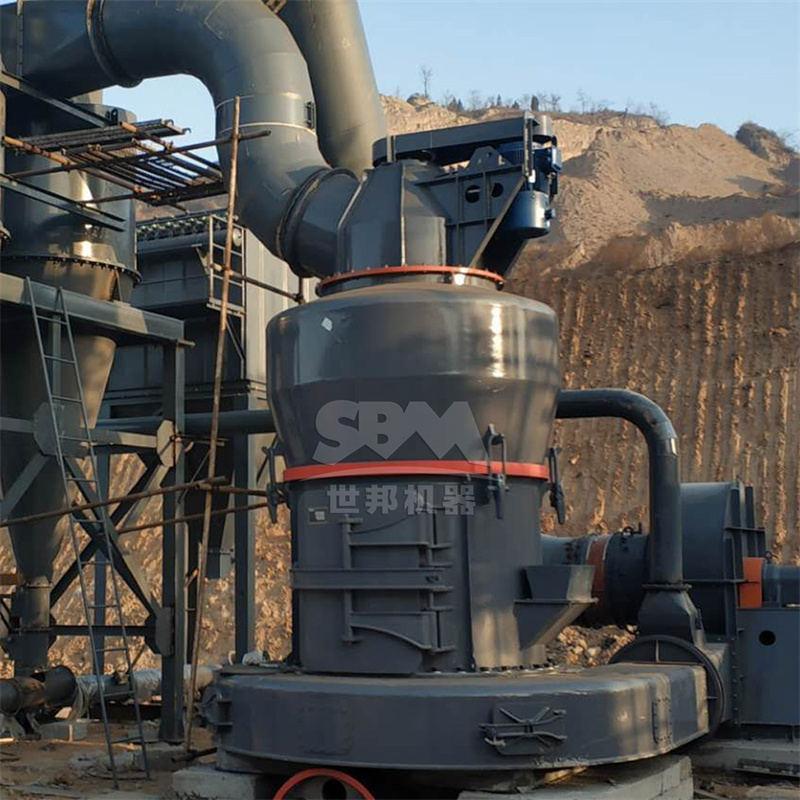
Recommended Grinding Mills for Attapulgite Powder Production
Based on the unique characteristics of attapulgite and the factors outlined above, two grinding mills from our product portfolio stand out as ideal choices: the SCM Series Ultrafine Mill and the MTW Series European Trapezium Mill. Each offers distinct advantages depending on your specific production requirements.
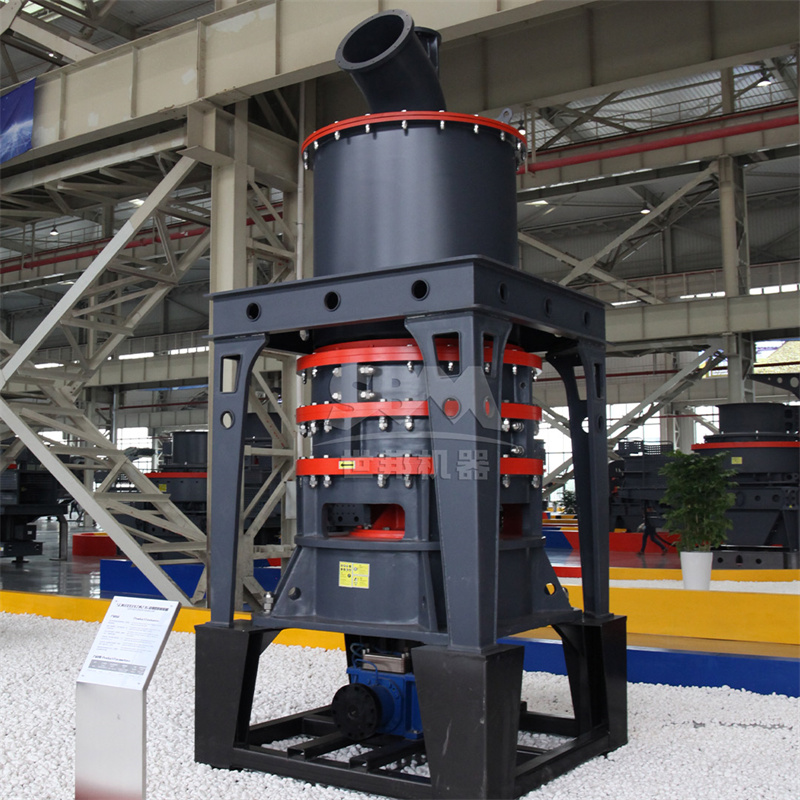
SCM Series Ultrafine Mill: For High-Fineness Attapulgite Powder
When your application demands ultrafine attapulgite powder (325-2500 mesh), the SCM Series Ultrafine Mill is an excellent choice. This mill is designed to produce high-quality ultrafine powders with precise particle size control, making it perfect for high-value applications such as cosmetics, pharmaceuticals, and advanced composites.
Core Parameters:
- Input Size: ≤20mm
- Output Fineness: 325-2500 mesh
- Capacity: 0.5-25 ton/h (depending on model)
Technical Advantages:
- High Efficiency & Energy Saving: The SCM mill offers twice the capacity of jet mills while consuming 30% less energy. Its intelligent control system with automatic finished product granularity feedback ensures consistent quality.
- High-Precision Classification: The vertical turbine classifier achieves precise particle size cutting, eliminating coarse powder mixing and ensuring uniform finished products.
- Durable Design: Special material rollers and rings extend service life several times over, while the shaftless screw grinding chamber ensures stable operation.
- Eco-friendly & Low Noise: Pulse dust collection efficiency exceeds international standards, and the soundproof room design keeps noise levels low.
Working Principle: The main motor drives three layers of grinding rings to rotate. Materials are dispersed into the grinding path by centrifugal force, crushed by roller pressure, and ground layer by layer. Finally, powder collection is completed by a cyclone collector and a pulse dust removal system.
Models & Specifications:
- SCM800: Capacity 0.5-4.5t/h, Main Power 75kW
- SCM900: Capacity 0.8-6.5t/h, Main Power 90kW
- SCM1000: Capacity 1.0-8.5t/h, Main Power 132kW
- SCM1250: Capacity 2.5-14t/h, Main Power 185kW
- SCM1680: Capacity 5.0-25t/h, Main Power 315kW
For attapulgite processing, the SCM mill’s gentle grinding action and efficient classification ensure that the fibrous structure is preserved while achieving the desired fineness. This makes it an ideal choice for producing high-grade attapulgite powders.
MTW Series European Trapezium Mill: For Versatile and Cost-Effective Production
If your production line requires a balance between fineness (up to 325 mesh) and high capacity, the MTW Series European Trapezium Mill is a reliable and cost-effective solution. It is well-suited for producing attapulgite powders for applications such as drilling fluids, paints, and animal feed additives.
Core Parameters:
- Input Size: ≤50mm
- Output Fineness: 30-325 mesh (down to 0.038mm)
- Capacity: 3-45 ton/h (depending on model)
Technical Advantages:
- Anti-wear Shovel Design: Combined shovel blades reduce maintenance costs, and the curved design extends grinding roller life.
- Optimized Arc Air Duct: Reduces airflow energy loss and improves transmission efficiency, with high-strength guard plates protecting the air duct working surface.
- Integral Bevel Gear Drive: Transmission efficiency up to 98%, saving space and reducing installation costs.
- Wear-resistant Volute Structure: Non-resistance flow design improves air selection efficiency, reducing maintenance costs by 30%.
Working Principle: The main motor drives the grinding rollers to revolve around the central axis while self-rotating to generate centrifugal force. Shovels throw materials between the ring and rollers to form a material layer, achieving efficient crushing through extrusion. The classification system precisely controls the finished product size.
Models & Specifications:
- MTW110: Capacity 3-9t/h, Main Power 55kW
- MTW138Z: Capacity 6-17t/h, Main Power 90kW
- MTW175G: Capacity 9.5-25t/h, Main Power 160kW
- MTW215G: Capacity 15-45t/h, Main Power 280kW
- MRN158: Capacity 7-21t/h, Main Power 132kW
- MRN198: Capacity 12-33t/h, Main Power 220kW
- MRN218: Capacity 15-45t/h, Main Power 280kW
The MTW mill’s robust construction and efficient grinding mechanism make it a dependable workhorse for attapulgite processing, especially when large volumes of medium-fineness powder are required.
Integrating the Grinding Mill into Your Attapulgite Production Line
Selecting the right grinding mill is just one aspect of building an efficient attapulgite powder production line. A complete line typically includes crushing, feeding, grinding, classification, dust collection, and packaging stages. Here are some considerations for seamless integration:
1. Pre-crushing and Feeding
Attapulgite ore is usually mined in lumps and must be crushed to a size suitable for the grinding mill (e.g., ≤20mm for SCM, ≤50mm for MTW). A jaw crusher or hammer mill can be used for primary crushing. A reliable feeder ensures a consistent feed rate to the mill, which is crucial for stable operation and product quality.
2. Grinding and Classification
The grinding mill should be equipped with an efficient classifier to achieve the desired particle size distribution. For ultrafine applications, the SCM mill’s integrated vertical turbine classifier provides precise control. For medium-fineness applications, the MTW mill’s classification system is highly effective.
3. Dust Collection and Environmental Control
Attapulgite dust can be hazardous to health and the environment. A pulse dust collector should be installed to capture fine particles from the mill’s exhaust and material handling points. Both SCM and MTW mills can be equipped with advanced dust collection systems that meet or exceed international emission standards.
4. Automation and Control
Modern production lines benefit from intelligent control systems that monitor and adjust parameters in real-time. The SCM mill features automatic finished product granularity feedback, while the MTW mill can be integrated with PLC control for remote monitoring and operation.
Case Study: Attapulgite Processing with SCM Ultrafine Mill
A leading attapulgite producer in Asia recently upgraded its production line to produce 1250 mesh ultrafine powder for the cosmetic industry. After evaluating multiple options, they selected our SCM1250 Ultrafine Mill. The mill not only achieved the required fineness but also preserved the fibrous structure, as confirmed by scanning electron microscopy. The production capacity reached 10 tons per hour, and energy consumption was 30% lower than their previous jet mill. The pulse dust collection system ensured a clean working environment, and the soundproof design reduced noise levels to below 85 dB.
Conclusion
Choosing the right grinding mill for your attapulgite powder production line is a decision that impacts product quality, operational efficiency, and profitability. The SCM Series Ultrafine Mill excels in producing high-fineness powders with precise particle size control, making it ideal for high-value applications. The MTW Series European Trapezium Mill offers a versatile and cost-effective solution for medium-fineness, high-capacity production. By carefully assessing your requirements and integrating the mill into a complete production line with proper pre-crushing, dust collection, and automation, you can achieve optimal results.
For more information on how our grinding mills can enhance your attapulgite processing, please contact our technical team. We are committed to providing tailored solutions to meet your specific needs.