
Introduction: The Growing Demand for Bauxite Powder
Bauxite is the primary ore for aluminum production and is increasingly used in refractory materials, abrasives, cement, chemicals, and proppants. As global demand for aluminum and high-performance materials rises, the need for efficient bauxite powder production equipment has never been greater. However, choosing the right grinding mill is not a one-size-fits-all decision. It depends on your raw material characteristics, target fineness, capacity requirements, energy costs, and environmental regulations. This article provides a comprehensive guide to selecting the optimal grinding mill for your bauxite powder project, with reference to our company’s proven equipment solutions.
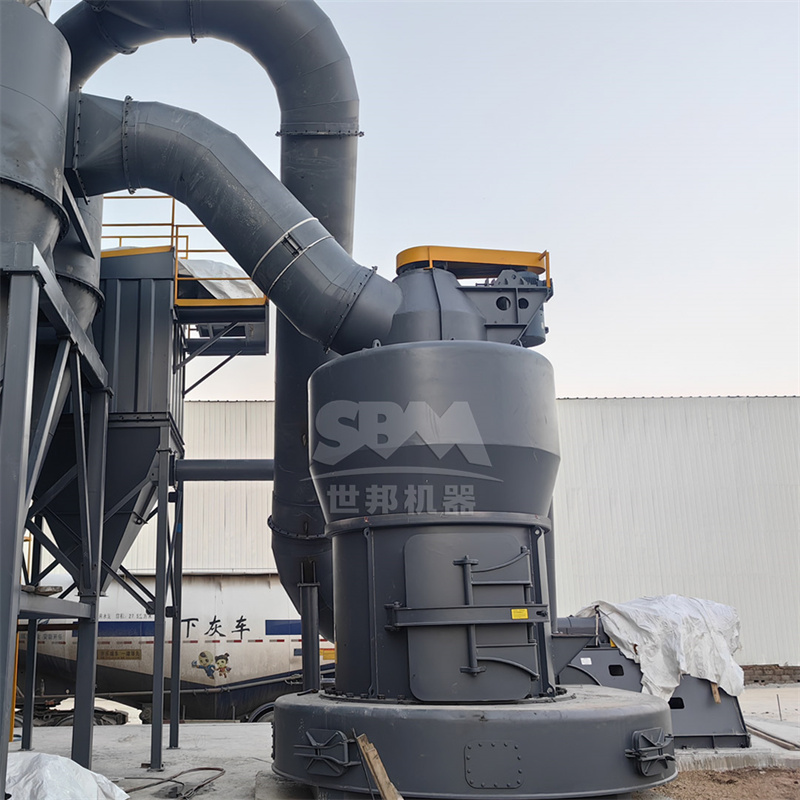
Key Factors in Selecting a Bauxite Grinding Mill
1. Raw Material Properties
Bauxite typically has a Mohs hardness of 2.5–3.5, but its moisture content and silica content can vary significantly. High-moisture bauxite may require drying during grinding. Abrasive impurities such as quartz can accelerate wear on grinding elements. Therefore, the mill’s wear resistance and drying capability are critical.
2. Target Fineness and Product Distribution
Bauxite powder applications demand different fineness levels:
- Refractories: 100–325 mesh (150–45 μm)
- Abrasives: 325–1250 mesh (45–10 μm)
- Proppants: 40–70 mesh (425–212 μm) or finer
- High-performance ceramics: 1250–2500 mesh (10–5 μm)
Your mill must achieve the required particle size distribution with minimal coarse particles. A high-precision classifier is essential.
3. Capacity and Scalability
Projects range from small pilot lines (0.5 t/h) to large industrial operations (45 t/h or more). The mill’s capacity must match your production targets without excessive energy consumption.
4. Energy Efficiency and Operating Costs
Grinding is energy-intensive. Mills that offer higher grinding efficiency, lower power consumption per ton, and longer wear part life will reduce total cost of ownership. For bauxite, vertical roller mills and advanced trapezium mills are often more energy-efficient than ball mills.
5. Environmental Compliance and Noise
Dust emission and noise are regulated in most countries. Choose equipment with integrated pulse dust collection, negative pressure operation, and soundproofing features.
Types of Grinding Mills Suitable for Bauxite
Ball Mills
Ball mills are robust and can handle high capacities (up to 450 t/h), but they are less energy-efficient for fine grinding and produce a wider particle size distribution. They are better suited for coarse grinding (0.074–0.8 mm) or pre-grinding.
Raymond Mills (Pendulum Mills)
Traditional Raymond mills are limited in fineness and capacity. Modern versions like our MRN Pendulum Mill offer improved classification and thin oil lubrication, but they still struggle with ultrafine requirements.
Vertical Roller Mills
Vertical roller mills (VRM) are highly efficient for dry grinding and can handle large capacities (up to 250 t/h). They integrate grinding, drying, and classification. Our LM series is a prime example, with models covering 3–250 t/h and fineness up to 600 mesh.
Ultrafine Mills
For applications requiring 325–2500 mesh, ultrafine mills such as our SCM Series and LUM Series are ideal. They use high-precision classifiers and can produce narrow particle size distributions.
Recommended Equipment from Our Portfolio
SCM Series Ultrafine Mill: Best for Ultrafine Bauxite Powder
If your project demands bauxite powder in the range of 325–2500 mesh (45–5 μm), the SCM Series Ultrafine Mill is an excellent choice. It offers:
- Capacity up to 25 t/h (model SCM1680)
- High efficiency: 2x capacity of jet mills with 30% lower energy consumption
- Precise vertical turbine classifier for uniform product
- Durable rollers and rings, plus shaftless screw grinding chamber
- Eco-friendly pulse dust collection and soundproof design
Models range from SCM800 (0.5–4.5 t/h) to SCM1680 (5–25 t/h). This mill is particularly suited for producing high-value bauxite powders for ceramics, refractories, and abrasives.
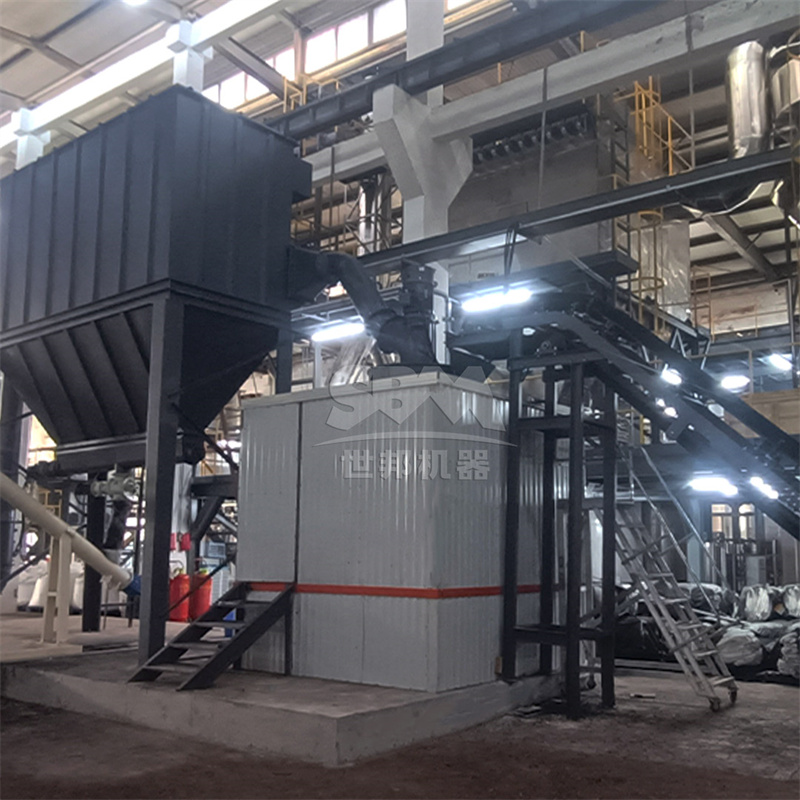
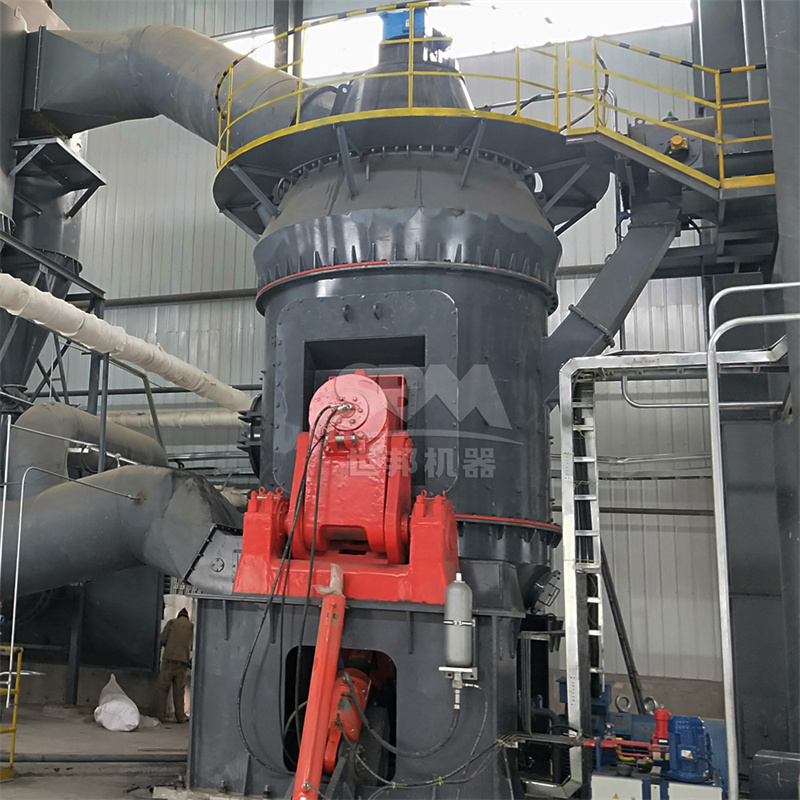
LM Series Vertical Roller Mill: Best for Large-Scale Bauxite Grinding
For high-capacity projects (up to 250 t/h) and fineness between 30–325 mesh, the LM Series Vertical Roller Mill is a proven solution. Its advantages include:
- Integrated crushing, grinding, and classification – footprint reduced by 50%
- Low operating cost: wear part life increased by 3x, energy consumption 30–40% lower than ball mill systems
- Intelligent control with remote monitoring
- Fully sealed negative pressure operation for dust-free production
Models like LM130K (10–28 t/h) to LM280K (50–170 t/h) can handle various bauxite grades. The LM series is ideal for large-scale bauxite processing plants, especially when combined with pre-grinding systems.
Comparison and Selection Guidelines
To summarize, use the following decision matrix:
| Project Requirement | Recommended Mill | Why |
|---|---|---|
| Ultrafine powder (325–2500 mesh), small to medium capacity | SCM Series Ultrafine Mill | High precision, energy efficient, low noise |
| Large capacity (up to 250 t/h), medium fineness (30–325 mesh) | LM Series Vertical Roller Mill | High throughput, low operating cost, integrated drying |
| Coarse grinding (0.074–0.8 mm) or pre-grinding | Ball Mill or LM-Y Pre-grinding Mill | Robust, high capacity, low investment for coarse sizes |
| Medium fineness (45–325 mesh), moderate capacity | MTW European Trapezium Mill | Good balance of capacity and fineness, anti-wear design |
Case Study: Bauxite Grinding in a Refractory Plant
A refractory manufacturer in Asia needed to grind calcined bauxite to 200 mesh (75 μm) at 15 t/h. They initially used a ball mill but faced high energy costs and inconsistent product size. After switching to our MTW138Z European Trapezium Mill, they achieved:
- Capacity: 6–17 t/h (meeting requirement)
- Fineness: 200 mesh with 90% passing
- Energy savings: 25% compared to ball mill
- Maintenance cost reduced by 30% due to wear-resistant shovel design
This demonstrates that selecting the right mill can significantly improve profitability.
Conclusion: Partner with Us for Your Bauxite Powder Project
Choosing the right grinding mill for bauxite powder production requires careful analysis of your specific needs. Whether you need ultrafine grinding with the SCM Series or large-scale processing with the LM Series, our company offers a full range of equipment backed by patented technology and global service. Contact our engineers today to discuss your project and receive a customized solution that maximizes your return on investment.
Remember: the right mill not only meets your fineness and capacity targets but also minimizes energy, maintenance, and environmental costs. With our proven equipment and expertise, you can achieve efficient, sustainable bauxite powder production.