
Introduction: The Critical Role of Bauxite Processing in Aluminum Production
Aluminum is one of the most widely used metals in modern industry, and its production begins with bauxite—a reddish ore rich in aluminum hydroxide minerals. The journey from raw bauxite to primary aluminum involves two major stages: refining bauxite into alumina (aluminum oxide) via the Bayer process, and smelting alumina into aluminum metal through the Hall-Héroult electrolytic process. Each stage demands precisely sized and finely ground materials to achieve optimal reaction kinetics, energy efficiency, and product quality. Consequently, the selection and performance of bauxite processing equipment directly influence the overall efficiency of alumina refineries and aluminum smelters. This article examines the key equipment technologies used in bauxite grinding and powder preparation, and highlights how advanced milling solutions can enhance alumina production and smelter performance.
The Bayer Process and the Need for Fine Bauxite Grinding
In the Bayer process, bauxite is digested in hot sodium hydroxide solution to dissolve aluminum-bearing minerals, forming sodium aluminate liquor. The rate and completeness of this digestion depend heavily on the particle size of the bauxite feed. Coarser particles require longer digestion times and higher temperatures, resulting in increased energy consumption and reduced throughput. Conversely, excessively fine particles can cause handling difficulties and excessive wear. Therefore, achieving a controlled and uniform particle size distribution—typically in the range of 45 to 150 microns—is essential for maximizing alumina recovery while minimizing operational costs.
Beyond digestion, finely ground bauxite also improves the efficiency of downstream operations such as clarification and precipitation. Uniform particles settle more predictably, reducing the load on thickeners and filters. This is why modern alumina refineries invest in high-performance grinding equipment capable of delivering consistent fineness at high capacity.
Key Equipment Categories for Bauxite Processing
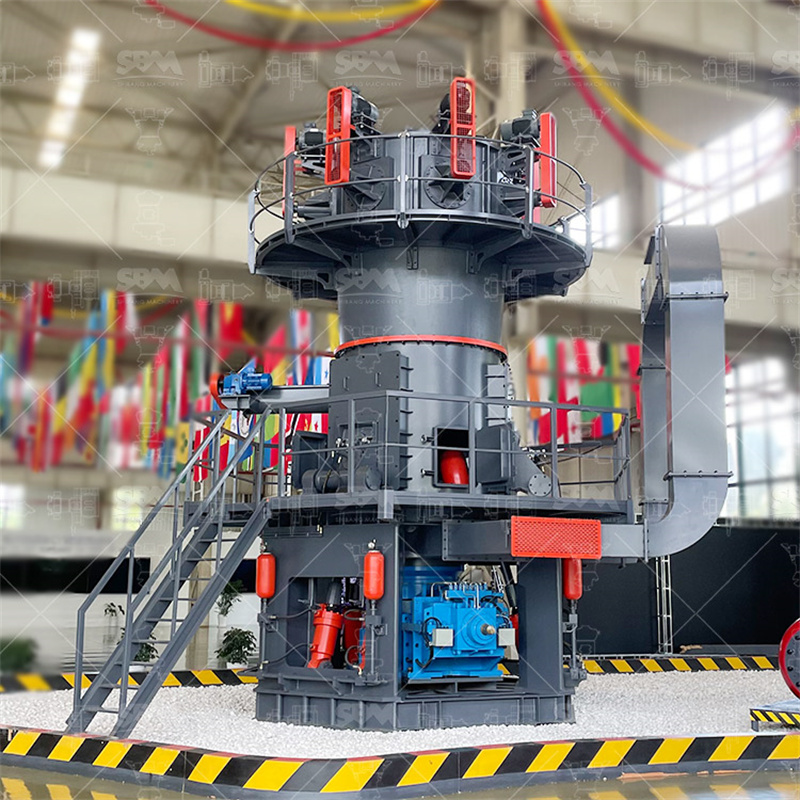
Bauxite processing in alumina refineries typically employs a combination of crushing and grinding equipment. Jaw crushers and hammer mills reduce run-of-mine bauxite to a manageable feed size, while fine grinding mills prepare the material for digestion. Among the most commonly used fine grinding technologies are vertical roller mills, trapezium mills, and ultrafine mills, each offering distinct advantages depending on the required fineness and throughput.
Recommended Solution: LM Series Vertical Roller Mill
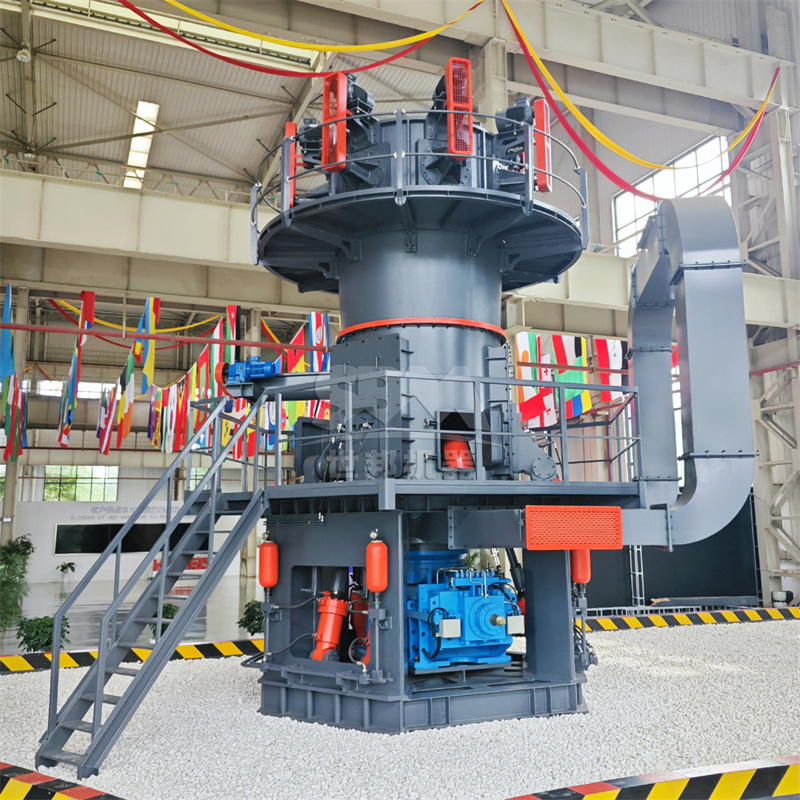
For bauxite grinding in alumina production, the LM Series Vertical Roller Mill represents an excellent choice. This equipment integrates crushing, grinding, and classification into a single compact system, reducing floor space by up to 50% compared with traditional ball mill circuits. Its non-contact design between rollers and grinding table extends wear-part life by up to three times, while energy consumption is 30–40% lower than ball mill systems. The LM Series offers capacities from 3 to 250 tons per hour and output fineness from 30 to 325 mesh, covering the typical requirements of Bayer process digestion feed preparation. With an expert-level automatic control system and fully sealed negative-pressure operation, the LM Vertical Roller Mill ensures stable, environmentally compliant operation—ideal for large-scale alumina refineries seeking to optimize throughput and reduce operating costs.
Recommended Solution: MTW Series European Trapezium Mill
For refineries requiring additional flexibility in fineness control or smaller-scale bauxite processing, the MTW Series European Trapezium Mill is a proven solution. Featuring an optimized arc air duct, integral bevel gear drive with 98% transmission efficiency, and wear-resistant volute structure, the MTW mill delivers reliable performance with reduced maintenance costs. Its output fineness can be adjusted from 30 to 325 mesh, and capacities range from 3 to 45 tons per hour. The anti-wear shovel design and curved grinding roller profile extend service life, making the MTW Series a cost-effective option for medium-capacity alumina production lines or auxiliary grinding circuits.
Impact on Smelter Efficiency
While alumina refining precedes smelting, the quality of alumina directly affects electrolytic cell performance. Uniform alumina particle size and consistent bulk density influence feeding behavior, dissolution rate in the electrolyte, and dust generation within potlines. Fine, well-classified alumina produced by advanced milling equipment helps maintain stable cell operation, reduce anode effects, and lower fluoride emissions. Therefore, investing in precise bauxite grinding equipment upstream translates into measurable gains in smelter efficiency downstream.
Conclusion
Optimizing alumina production begins with selecting the right bauxite processing equipment. Advanced milling solutions such as the LM Series Vertical Roller Mill and MTW Series European Trapezium Mill offer high efficiency, precise classification, and environmental compliance—key attributes for modern alumina refineries and aluminum smelters. By adopting these technologies, producers can achieve higher alumina recovery, lower energy consumption, and improved overall smelter performance.