
Introduction: The Critical Role of Proppant in Modern Energy
The hydraulic fracturing revolution has transformed global energy landscapes, and at the heart of this technology lies the proppant. High-quality oil fracturing proppant, primarily manufactured from bauxite, is essential for keeping induced fractures open to allow hydrocarbons to flow efficiently. Producing proppant that meets stringent standards for crush resistance, sphericity, roundness, and conductivity requires a sophisticated and precise processing chain. This guide delves into the key stages of bauxite processing and the critical equipment needed to achieve the superior quality demanded by the oil and gas industry.
1. From Raw Bauxite to Premium Proppant: The Processing Journey
The transformation of raw bauxite ore into high-strength, spherical proppant involves several meticulously controlled stages:
- Primary Crushing & Sizing: Large bauxite rocks are reduced to a manageable feed size (typically below 50mm) using jaw crushers or gyratory crushers.
- Beneficiation & Washing: Impurities like silica, iron oxides, and clay are removed to increase the alumina (Al2O3) content, which is directly correlated with final proppant strength.
- Intermediate & Fine Grinding: This is a pivotal stage where the beneficiated bauxite is ground to a precise raw meal fineness, preparing it for pelletization and sintering.
- Pelletization (Balling): The finely ground powder is formed into spherical green pellets in a disc pelletizer or drum, using binders to ensure integrity.
- Sintering/Calcination: The green pellets are fired in rotary kilns or shaft furnaces at high temperatures (1400-1700°C) to achieve densification, high crush strength, and thermal stability.
- Final Sizing & Coating: The sintered proppant is precisely screened into specific mesh sizes (e.g., 20/40, 30/50, 40/70) and may receive a resin coating to enhance flowback prevention and conductivity.
2. The Grinding Stage: The Foundation of Quality
The consistency and fineness of the ground bauxite powder before pelletization are non-negotiable for quality. Inconsistent or coarse feed leads to weak, irregular pellets that fail under downhole pressure. The grinding equipment must deliver a tightly controlled particle size distribution (PSD) with high efficiency and reliability.
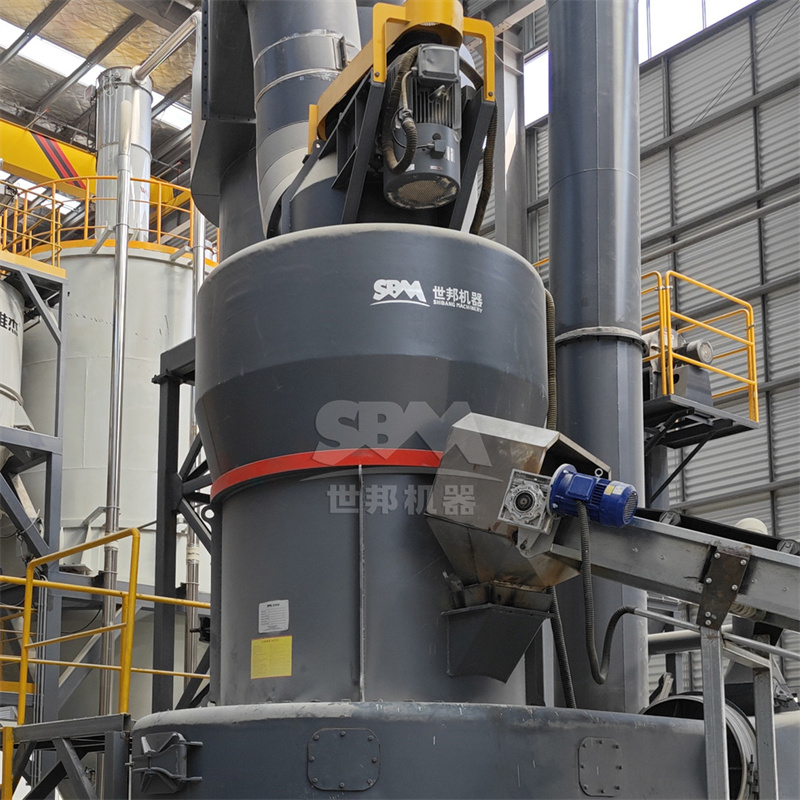
For the intermediate grinding stage, where feed size is reduced from ~50mm to below 1mm, robust and efficient mills are required. The MTW Series European Trapezium Mill is exceptionally well-suited for this task. Its anti-wear shovel design and optimized arc air duct ensure continuous, low-maintenance operation when processing abrasive bauxite. With a capacity range of 3-45 tons per hour and the ability to produce fineness from 30-325 mesh (600-45μm), it provides the perfect balance of throughput and precision for preparing bauxite for the pelletizing circuit.
3. Achieving Ultra-Fine Raw Meal for Premium Pelletization
To produce ultra-high-strength proppant, especially for deep well applications, the raw bauxite meal often needs to be ground to a very fine, uniform powder. This maximizes surface area for reactions during sintering and allows for the formation of perfectly spherical, dense green pellets. This demands advanced fine and ultra-fine grinding technology.
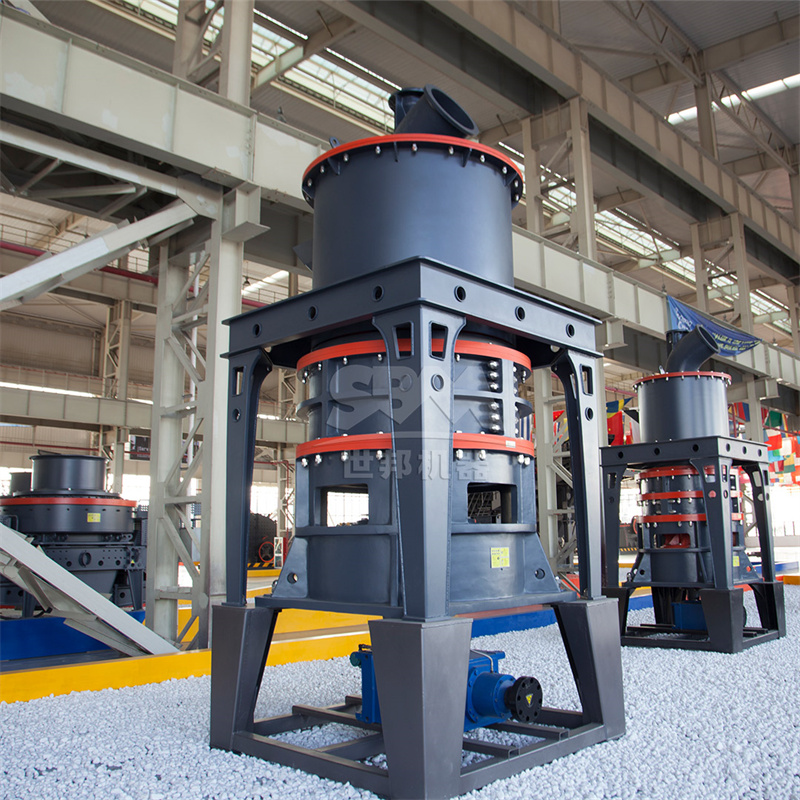
This is where the SCM Series Ultrafine Mill excels. Engineered for high-precision classification and energy efficiency, it is ideal for producing the superfine bauxite powder (325-2500 mesh / 45-5μm) required for top-tier proppant. Its vertical turbine classifier ensures no coarse powder mixes into the final product, guaranteeing a uniform PSD. The durable design, featuring special material rollers and rings, stands up to the abrasive nature of bauxite, while its eco-friendly operation with high-efficiency pulse dust collection aligns with modern plant environmental standards.
4. Key Equipment Selection Criteria for Proppant Production
Selecting the right processing equipment is paramount for profitability and product quality. Key considerations include:
- Abrasion Resistance: Bauxite is highly abrasive. Equipment components like rollers, rings, liners, and shovels must be made from special, hardened materials or feature innovative anti-wear designs to minimize downtime and maintenance costs.
- Precise Particle Size Control: The ability to accurately and consistently hit target fineness ranges is critical. Look for mills with advanced, adjustable classifier systems.
- Energy Efficiency: Grinding is energy-intensive. Equipment with integrated efficient drives, optimized grinding mechanics, and intelligent control systems can significantly reduce operational costs.
- System Integration & Automation: Modern mills with PLC-based control systems allow for stable operation, real-time monitoring, and reduced manual intervention, ensuring consistent product quality.
- Environmental Compliance: Fully sealed negative pressure operation and high-efficiency dust collection systems are essential to meet stringent emission regulations and protect the workforce.
5. Beyond Grinding: The Supporting Cast
A successful proppant plant relies on a fully integrated system:
- Pre-Homogenization & Storage: To ensure consistent feed chemistry to the kiln.
- Pelletizing Equipment: Disc or drum pelletizers must create uniform, spherical green balls of the correct size.
- High-Temperature Kilns: Rotary kilns with precise temperature and atmosphere control are vital for sintering.
- Cooling, Screening, and Coating Lines: For final product conditioning and value addition.
Conclusion: Investing in Precision for Market Leadership
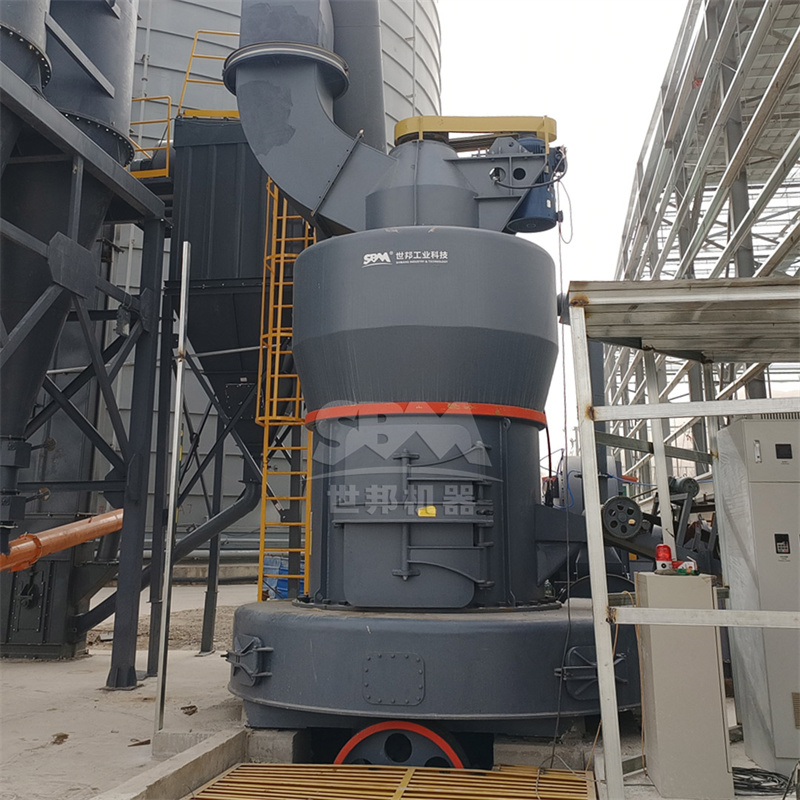
The market for oil fracturing proppant is fiercely competitive and quality-driven. The difference between a premium product and a substandard one often originates in the grinding and preparation stages. By investing in advanced, reliable, and efficient processing equipment like the MTW Series Mill for intermediate grinding and the SCM Series Ultrafine Mill for fine grinding, producers can establish a solid foundation for manufacturing high-strength, spherical bauxite proppant that meets API and customer-specific standards. This commitment to technological excellence in mineral processing not only ensures product superiority but also enhances plant efficiency, reduces lifecycle costs, and secures a strong position in the global energy supply chain.