
Introduction to Bluestone Powder Processing
Bluestone, also known as blue limestone or dolomitic limestone, is a versatile industrial mineral with applications ranging from construction aggregates and cement production to chemical fillers, soil conditioners, and even decorative materials. As demand for finely ground bluestone powder continues to grow across multiple industries, selecting the appropriate grinding mill has become a critical decision that directly impacts productivity, operational costs, and final product quality.
This article provides a comprehensive guide to choosing the right grinding equipment for your bluestone powder production project. We will examine key selection criteria, compare different mill technologies, and highlight specific equipment solutions that can optimize your operations.
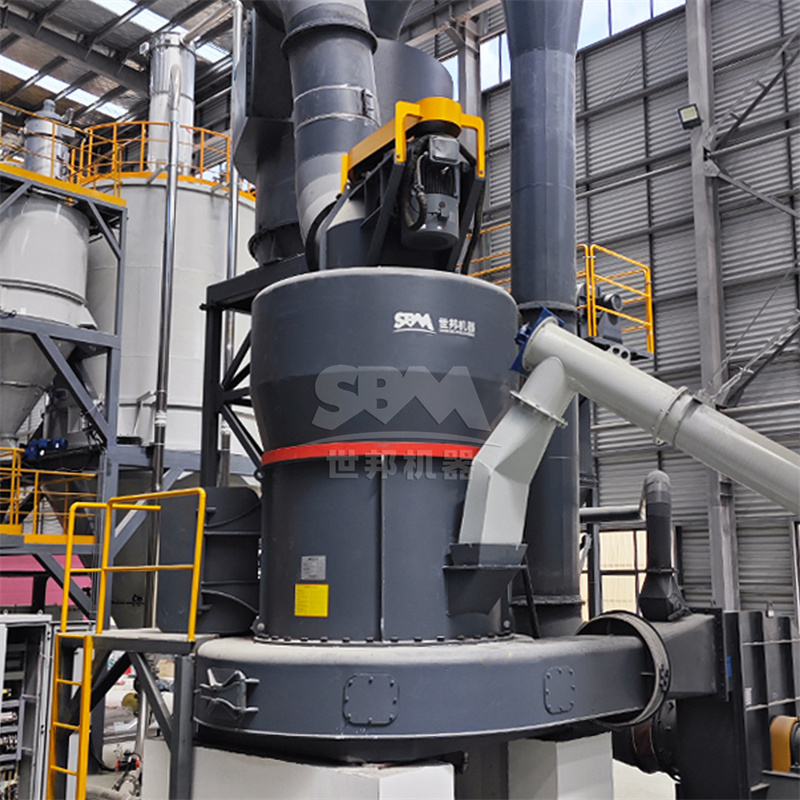
Key Factors in Grinding Mill Selection
Before evaluating specific equipment options, it is essential to understand the fundamental parameters that govern mill selection for bluestone processing.
1. Target Fineness and Particle Size Distribution
The required fineness of your final bluestone powder is perhaps the most important specification. Different applications demand vastly different particle sizes:
- Coarse grinding (0-3mm): Suitable for construction aggregates and road base materials.
- Medium grinding (45-325 mesh): Used in cement production, asphalt fillers, and agricultural applications.
- Fine grinding (325-2500 mesh): Required for chemical fillers, paints, plastics, and specialty applications.
Understanding your target fineness not only determines the type of mill but also affects capacity, energy consumption, and overall system configuration.
2. Production Capacity Requirements
Your required throughput—measured in tons per hour—will determine the model size and whether a single mill or multiple units are needed. Small-scale operations may require 0.5-5 t/h, while large industrial projects can demand 50-250 t/h or more.
3. Material Characteristics
Bluestone properties such as hardness (typically 3-4 on Mohs scale), moisture content, and feed size influence mill selection. Harder materials require more grinding energy and wear-resistant components, while higher moisture content may necessitate drying capabilities or special chamber designs.
4. Energy Efficiency and Operating Costs
Grinding is an energy-intensive process. The difference in power consumption between mill types can be substantial—often 30-50% or more. Evaluating total cost of ownership, including energy, wear parts, and maintenance, is essential for long-term profitability.
5. Environmental and Safety Considerations
Modern grinding operations must comply with strict environmental regulations. Dust emission control, noise levels, and worker safety are non-negotiable requirements that should influence your equipment selection.
Types of Grinding Mills for Bluestone Powder
Several mill technologies are suitable for bluestone processing, each with distinct advantages and optimal application ranges.
Hammer Mills for Coarse Grinding
When your project requires bluestone powder in the 0-3mm range, hammer mills offer an economical and efficient solution. These machines use high-speed rotating hammers to crush material, with qualified particles passing through a bottom screen.
Hammer mills are characterized by high crushing ratios, compact structure, and relatively low investment costs. They work best for softer materials and provide excellent performance in producing coarse powders for construction and agricultural applications. However, they are less suitable for fine grinding below 100 mesh.
Ball Mills for Versatile Grinding
Ball mills have long been the workhorse of the mineral processing industry. Using steel balls as grinding media, they can reduce bluestone to fineness levels between 0.074mm and 0.8mm (approximately 200-20 mesh).
Ball mills offer several advantages: they can handle both dry and wet grinding, accommodate large feed sizes, and achieve high reduction ratios (up to 300:1). They are particularly well-suited for continuous, large-scale operations. However, ball mills are generally less energy-efficient than modern vertical mills, and their fineness range is limited for ultrafine applications.
Raymond Mills and Pendulum Mills
For medium-fine grinding in the 30-325 mesh range, Raymond-style mills and pendulum mills provide an excellent balance of capacity, fineness, and cost-effectiveness. These mills use suspended rollers that press against a rotating ring, with airflow classifying the ground material.
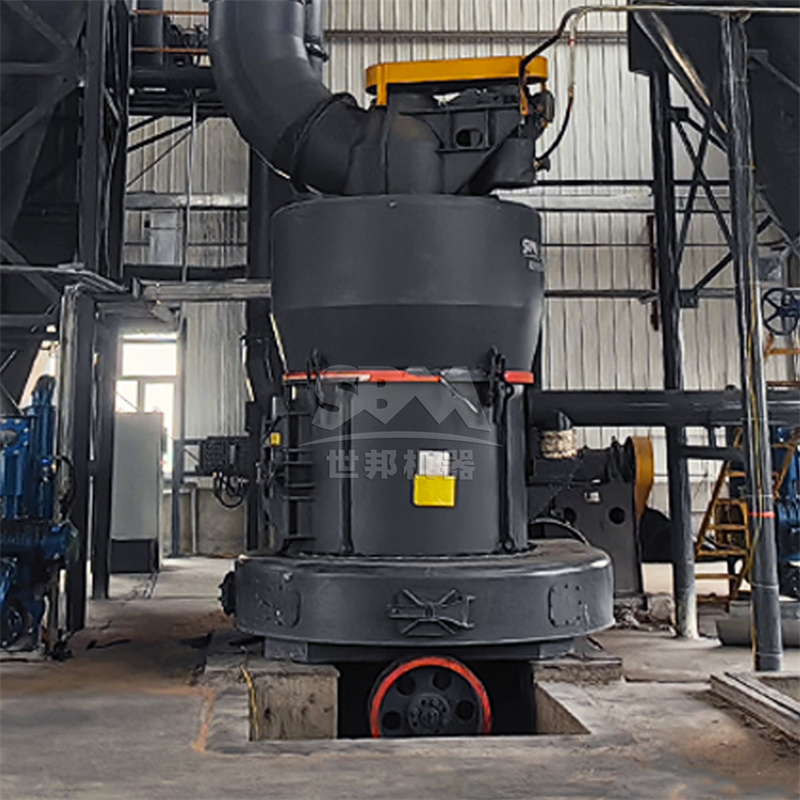
Modern pendulum mills, such as the MRN series, incorporate advanced features like thin oil lubrication systems, high-efficiency collectors, and pulse dust removal. They are capable of capacities from 2.7 to 83 t/h, making them suitable for both medium and large-scale operations. The MRN Pendulum Mill, for example, offers a first-in-class maintenance-free design with an efficient square-pipe collector that reduces resistance and energy consumption.
Vertical Roller Mills for High-Capacity Operations
Vertical roller mills (VRMs) have revolutionized large-scale grinding operations. By integrating crushing, grinding, and classification in a single unit, they reduce floor space by up to 50% and can be installed outdoors, cutting infrastructure costs by 40%.
The LM Series Vertical Roller Mill from our company exemplifies this technology. With capacities ranging from 3 to 250 t/h and fineness capabilities from 30 to 600 mesh, it handles diverse bluestone processing requirements. Key advantages include:
- Low operating cost: Non-contact design between rollers and table extends wear part life by 3x; energy consumption is 30-40% lower than ball mill systems.
- Intelligent control: Expert-level auto-control systems support remote/local switching and real-time parameter monitoring.
- Environmental compliance: Fully sealed negative pressure operation ensures dust emission meets strict standards, while noise levels are minimized.
For bluestone powder production at scale, the LM Series represents a highly efficient and reliable solution.
Ultrafine Mills for Specialty Applications
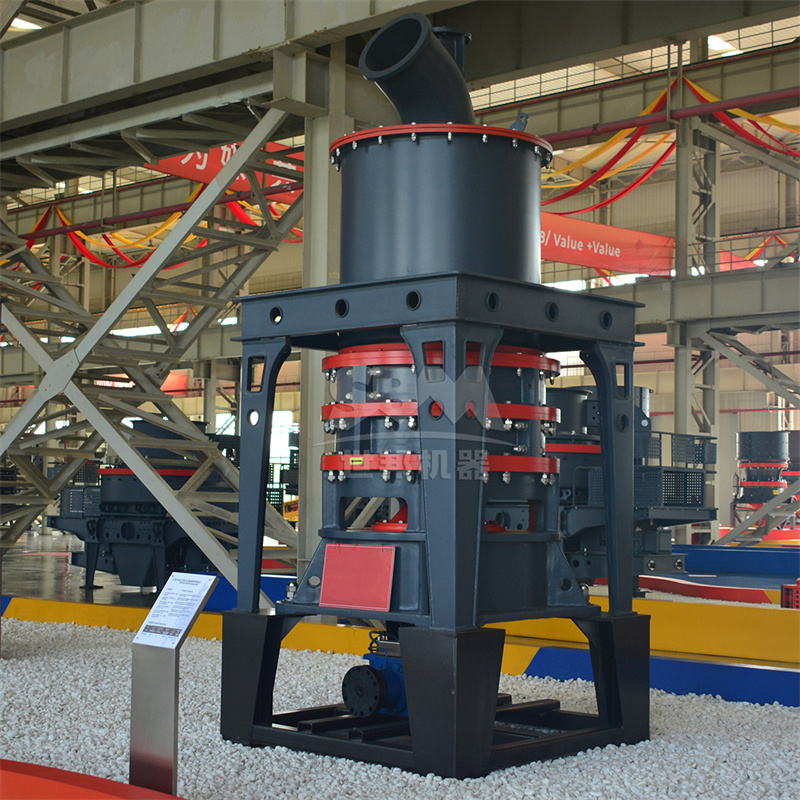
When your project demands ultrafine bluestone powder in the 325-2500 mesh range, specialized equipment is required. The SCM Series Ultrafine Mill is engineered for this exact purpose.
Key technical advantages of the SCM Series include:
- High efficiency and energy saving: Capacity is twice that of jet mills with 30% lower energy consumption.
- High-precision classification: Vertical turbine classifier achieves precise particle size cutting with no coarse powder mixing.
- Durable design: Special material rollers and rings extend service life several times over; shaftless screw grinding chamber ensures stable operation.
- Eco-friendly and low noise: Pulse dust collection efficiency exceeds international standards; soundproof room design minimizes noise.
With models ranging from SCM800 (0.5-4.5 t/h) to SCM1680 (5.0-25 t/h), the SCM Series offers scalable solutions for ultrafine bluestone powder production.
Matching Mill Technology to Your Project Scale
Selecting the right grinding mill also depends on your project scale and specific production goals.
Small-Scale Projects (0.5-10 t/h)
For small to medium-scale bluestone powder production, the SCM Series Ultrafine Mill or MTM Series Medium-speed Trapezium Mill offer excellent flexibility. The SCM800, with its 0.5-4.5 t/h capacity and 325-2500 mesh fineness range, is ideal for specialty powder production. The MTM100, with 3-8 t/h capacity, provides a cost-effective solution for medium-fine grinding.
Medium-Scale Projects (10-50 t/h)
At this scale, the MTW Series European Trapezium Mill and LM Series Vertical Roller Mill become attractive options. The MTW215G delivers 15-45 t/h with fineness up to 325 mesh, while the LM130K offers 10-28 t/h with similar fineness capabilities. Both provide excellent energy efficiency and reliable operation.
Large-Scale Industrial Projects (50-250+ t/h)
For high-capacity bluestone powder production, the LM Series Vertical Roller Mill is the clear choice. The LM280K can process 50-170 t/h, while the LM340Y pre-grinding mill achieves circulation capacities up to 1000 t/h for cement and limestone applications. These mills combine high throughput with low specific energy consumption and minimal maintenance requirements.
Recommendations for Bluestone Powder Production
Based on our extensive experience in mineral processing, we recommend the following equipment for bluestone powder projects:
For Ultrafine Bluestone Powder (325-2500 mesh)
SCM Series Ultrafine Mill – This mill is specifically designed for ultrafine grinding and offers unmatched efficiency in its class. With five models covering 0.5-25 t/h, it can be scaled to match your production requirements. The intelligent control system with automatic finished product granularity feedback ensures consistent quality, while the pulse dust collection system maintains a clean working environment.
For Medium-Fine Bluestone Powder (30-325 mesh)
LM Series Vertical Roller Mill – For projects requiring high capacity and energy efficiency, the LM Series is the optimal choice. Its integrated design reduces infrastructure costs, while the advanced control system minimizes manual intervention. The LM Series can also be configured with drying capabilities if your bluestone feed has elevated moisture content.
Alternatively, for projects with moderate capacity requirements, the MTW Series European Trapezium Mill offers excellent value. Its anti-wear shovel design and optimized arc air duct reduce maintenance costs and energy losses, while the integral bevel gear drive achieves 98% transmission efficiency.
Conclusion
Choosing the right grinding mill for your bluestone powder production project requires careful consideration of fineness requirements, capacity needs, material characteristics, and operational costs. The good news is that modern grinding technology offers solutions for virtually every application and scale.
Whether you need coarse hammer mill output for construction aggregates, versatile ball mill performance for mineral processing, or ultrafine SCM Series powder for specialty chemicals, the key is matching the equipment to your specific requirements. We encourage you to consult with our technical team to conduct a thorough analysis of your project parameters and receive a customized recommendation.
With the right grinding mill, your bluestone powder production operation can achieve optimal efficiency, product quality, and profitability for years to come.