
Introduction to Barite Powder Production
Barite, or barium sulfate (BaSO4), is a critical mineral widely used in the oil and gas drilling industry as a weighting agent in drilling muds, as well as in the production of paints, plastics, rubber, and radiation shielding materials. The quality of the final barite powder, particularly its fineness, purity, and particle size distribution, directly impacts its performance in these demanding applications. For building material grade barite, specifications often require a fineness ranging from 200 mesh to 1250 mesh, with stringent controls on brightness and specific gravity.
Selecting the right production equipment is paramount to achieving these specifications while maintaining operational efficiency and profitability. This guide explores the key machines involved in a modern barite powder production line, offering insights into their working principles, advantages, and how to choose the optimal configuration for your needs.
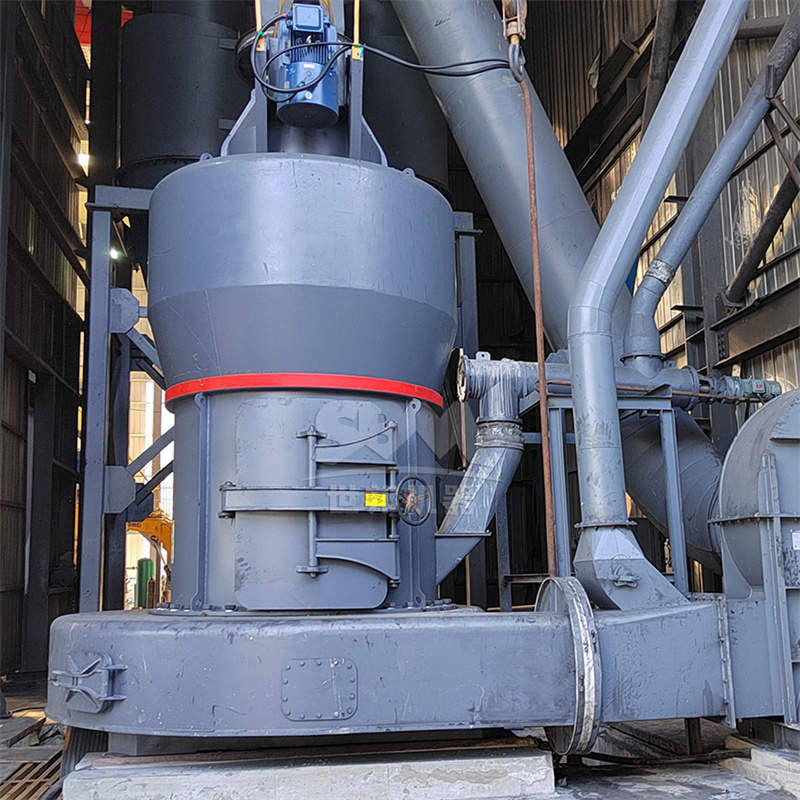
Primary Crushing: Preparing the Feed Material
Before grinding, run-of-mine barite ore, which can be as large as 500mm, must be reduced to a manageable size. A jaw crusher or hammer mill is typically employed for primary crushing. The goal here is to reduce the ore to a size of 20-50mm, which is suitable for the subsequent grinding stage. For softer barite, a hammer crusher can achieve a finer output (0-3mm) in a single pass, but for harder ores, a jaw crusher followed by a cone crusher might be necessary.
The choice of crusher depends on the ore’s hardness and moisture content. While primary crushing is a well-understood process, the efficiency of this stage significantly influences the throughput of the downstream grinding mills. Over-crushing leads to unnecessary energy consumption, while under-crushing can clog or reduce the efficiency of the grinding equipment.
The Heart of the Line: Grinding Mill Selection
The grinding mill is the core of the barite powder production plant. Its selection dictates the capacity, energy efficiency, and final product quality. For building material grade barite with fineness requirements typically between 30 and 325 mesh, several mill types are viable, each offering distinct trade-offs.
1. MTW Series European Trapezium Mill
For medium-fine powder production (30-325 mesh), the MTW series is an industry standard. Its innovative design, including an integral bevel gear drive (98% transmission efficiency) and an anti-wear shovel design, ensures reliable performance and reduced maintenance. The optimized arc air duct minimizes airflow energy loss. With capacities ranging from 3 to 45 tons per hour, the MTW mill is a versatile and robust choice for large-scale operations producing standard building material fillers.
Compared to traditional Raymond mills, the MTW series offers significantly higher output per unit of energy. Its volute structure and non-resistance flow design improve classification efficiency, ensuring a more uniform final product. For operations targeting a 325-mesh barite powder for paint or plastic fillers, the MTW mill provides a proven, cost-effective solution.
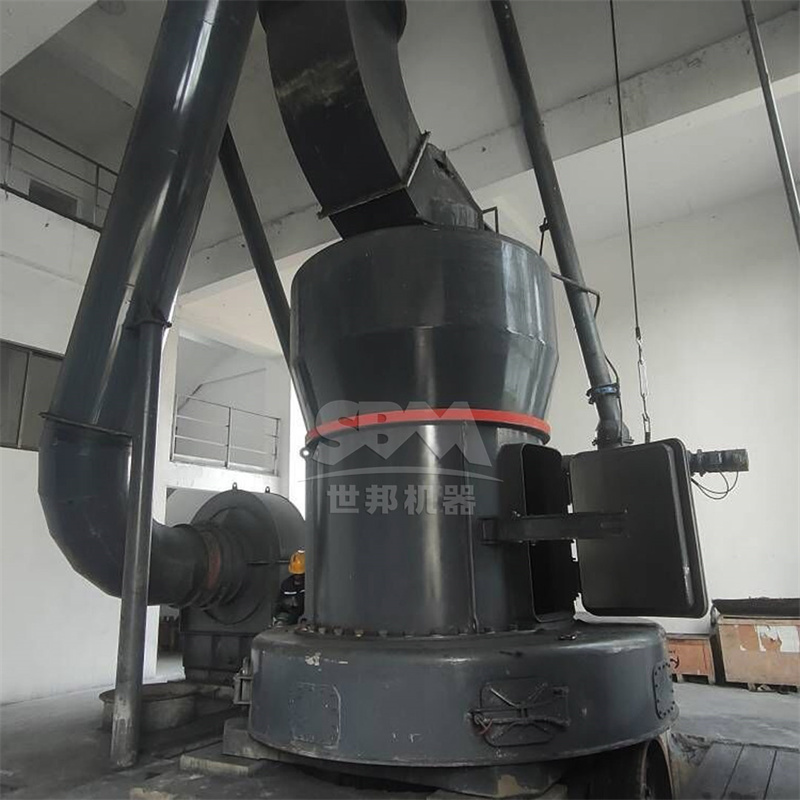
2. LM Series Vertical Roller Mill
When high capacity and energy efficiency are the primary concerns, the LM series Vertical Roller Mill is an excellent choice. This mill integrates crushing, grinding, drying, and classification into a single unit, which reduces the floor space by 50% and infrastructure costs by 40%. Its bed-grinding principle, where materials are crushed between a rotating table and stationary rollers, is inherently more energy-efficient than tumbling mills, consuming 30-40% less energy than a traditional ball mill system.
The LM mill is particularly well-suited for production lines requiring large outputs, from 3 to 250 tons per hour. Its key advantage lies in its low operating cost. The non-contact design between rollers and the table means wear parts last up to three times longer. For barite, the LM series can efficiently produce a product with a fineness of 30-325 mesh, and with special models, up to 600 mesh. It is the go-to solution for high-capacity plants looking to minimize their carbon footprint and per-ton production costs.
3. SCM Series Ultrafine Mill
For customers requiring a higher degree of fineness, typically in the 325-2500 mesh range for premium building materials or specialized coatings, the SCM Ultrafine Mill is essential. Its output fineness is unmatched by traditional mills. Although the input size is limited to ≤20mm, it can directly accept the product of a primary crusher. The SCM mill uses a high-precision vertical turbine classifier to ensure no coarse powder is mixed into the final product, achieving a uniformly fine particle size distribution.
While its capacity (0.5-25 t/h) is lower than the LM or MTW series, it is the definitive solution for high-value, ultra-fine barite powder. This product is used in applications where a smooth finish and high opacity are required, such as in high-end paints, plastics, and rubber. If your business targets the premium segment of the market, the SCM series is the right investment.
Supporting Equipment: Classifiers, Collectors, and Feeders
A complete barite powder plant is more than just a mill. The efficiency of the entire system depends on the synergy between several key components. The classifier, often integrated into the mill (as in the LM and SCM series), controls the final particle size. A separate classifier can be added to an open-circuit mill to improve precision.
Pulse dust collectors are vital for both meeting environmental regulations and recovering the finished product. Modern systems achieve collection efficiencies exceeding international standards, ensuring that no fine powder is lost to the atmosphere. The feeding system must be consistent and reliable to ensure a steady material flow to the mill. Companies like Zenith provide comprehensive turnkey solutions, ensuring all components are correctly matched.
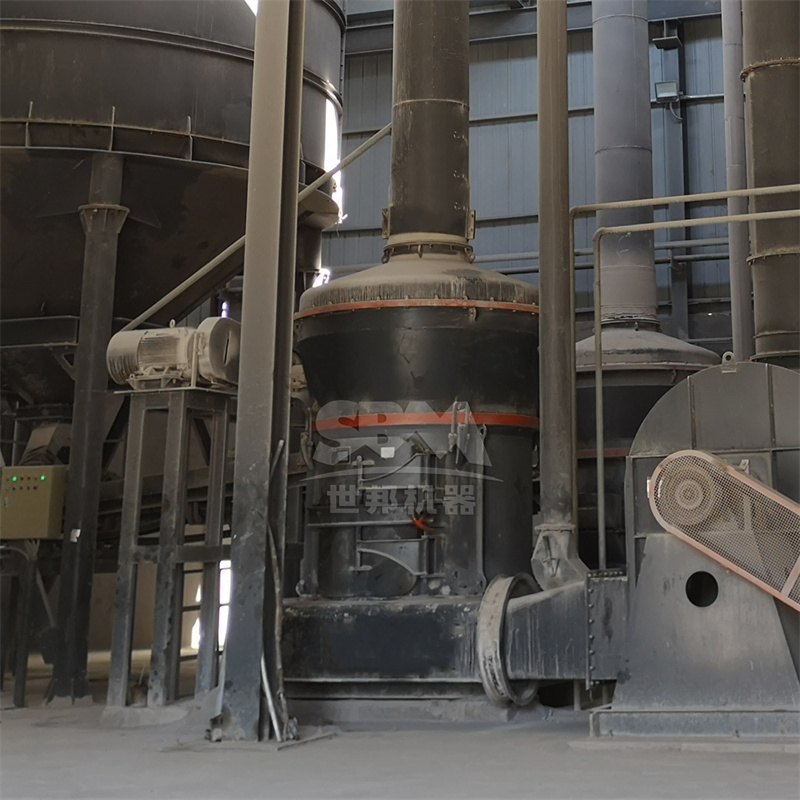
Selection Guide: Matching the Machine to the Application
Choosing the right equipment involves a careful analysis of your target market and raw material characteristics.
- For general building materials (e.g., cement filler, mortar): A fineness of 200-325 mesh is common. The MTW Series European Trapezium Mill provides the best balance of high capacity (up to 45 t/h) and low maintenance. Its robust design handles feed sizes up to 50mm, reducing the load on the primary crusher. For example, our MTW215G model offers a capacity of 15-45 t/h with a main power of 280kW, making it an excellent choice for a medium-to-large scale producer.
- For high-volume, low-cost producers: If you are aiming for mass production of standard-grade powder, the LM Series Vertical Roller Mill is the most economical. Its energy savings of 30-40% compared to ball mills can lead to substantial annual cost reductions. The LM170K model, with a table diameter of 1700mm, can produce 18-48 t/h at a fineness of 170-40μm, offering an unbeatable cost-per-ton advantage in its class.
- For specialty products (e.g., high-brightness paint fillers): Fineness is the key driver. The SCM Series Ultrafine Mill is the only choice when you need to go down to 2500 mesh. The SCM1250 model provides a capacity of 2.5-14 t/h with a fineness range of 325-2500 mesh, allowing you to switch between different product grades to meet varied customer demands.
Recommended Product: MTW215G
For most producers of building material grade barite, the Zenith MTW215G European Trapezium Mill stands out as the most versatile and productive solution. It strikes an optimal balance between investment cost, operational efficiency, and product quality. With a feed size of up to 50mm and a capacity of 15-45 t/h, it is powerful enough to serve as the primary grinding unit for a large-scale plant. Its fineness range of 10-325 mesh covers the vast majority of building material applications. The integral bevel gear drive ensures long-term, trouble-free operation, minimizing downtime and maintenance expenses. We highly recommend considering the MTW215G for its proven track record of reliability and its excellent return on investment.
Conclusion
Producing high-quality building material grade barite powder requires a deep understanding of the machinery involved. From the primary crusher to the final pulse collector, each piece of equipment plays a critical role in the production chain. By carefully evaluating your target capacity, required fineness, and energy costs, you can select the right mill—whether it is the efficient MTW trapezium mill, the high-capacity LM vertical mill, or the ultra-fine SCM series—to power a successful and profitable operation. Investing in high-quality, well-matched equipment ensures not only a consistent product but also a competitive edge in the market.