
Introduction
In the cement industry, clinker grinding is one of the most energy-intensive stages of production. The choice of grinding mill directly influences product quality, energy consumption, maintenance costs, and overall plant profitability. With a wide array of milling technologies available—from vertical roller mills and trapezium mills to ultrafine mills and ball mills—selecting the optimal equipment for your specific production line requires a careful analysis of material characteristics, target fineness, capacity requirements, and environmental regulations.
This article provides a comprehensive guide to choosing the right grinding mill for building material grade cement clinker processing. We will examine key selection criteria, compare popular mill types, and highlight two exceptional products from our portfolio that excel in clinker grinding applications: the LM Series Vertical Roller Mill and the MTW Series European Trapezium Mill.
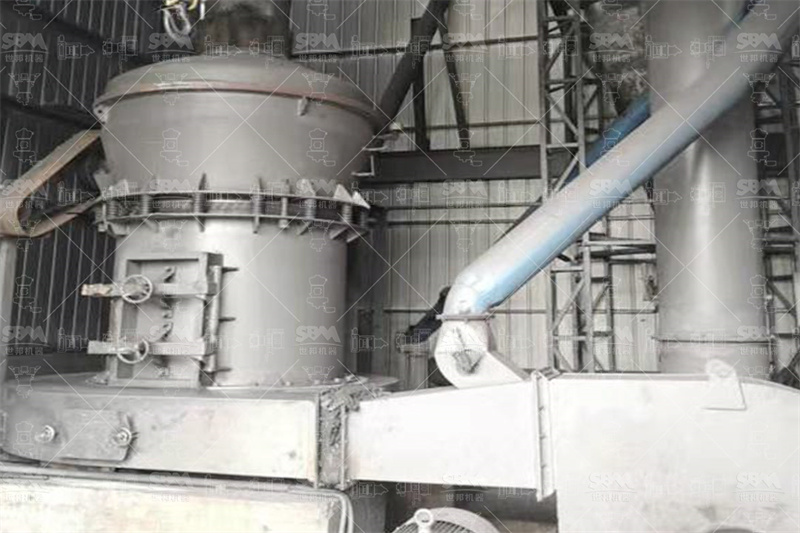
Key Factors in Selecting a Grinding Mill for Cement Clinker
1. Material Properties
Cement clinker is an abrasive, hard material with a Bond Work Index typically ranging from 13 to 18 kWh/t. Moisture content, feed size, and grindability significantly affect mill performance. For clinker with high moisture or large feed size, pre-grinding equipment such as the LM-Y Vertical Pre-grinding Roller Mill may be beneficial before fine grinding.
2. Target Fineness and Particle Size Distribution
Cement quality depends on the specific surface area (Blaine fineness) and particle size distribution. Ordinary Portland cement typically requires 300–400 m²/kg, while high-performance cements may need 500 m²/kg or more. Mills capable of precise classification and uniform product fineness—such as our SCM Ultrafine Mill (up to 2500 mesh) or LUM Ultrafine Vertical Roller Mill—are ideal for specialty cements.
3. Production Capacity
Throughput requirements vary from small-scale plants (10–50 t/h) to large integrated lines (200–450 t/h). The selected mill must match the kiln output and future expansion plans. For very high capacities, the LM Series Vertical Roller Mill can reach up to 250 t/h, while the Ball Mill series extends to 450 t/h.
4. Energy Efficiency and Operating Costs
Grinding accounts for 50–70% of total electrical energy in cement production. Vertical roller mills and trapezium mills consume 30–40% less energy than traditional ball mills. Our LM Vertical Roller Mill features a non-contact roller-table design that reduces wear and energy consumption, and the MTW European Trapezium Mill offers transmission efficiency up to 98% with its integral bevel gear drive.
5. Environmental Compliance and Noise
Dust emissions and noise levels are strictly regulated. Modern mills must incorporate pulse dust collectors, negative pressure operation, and soundproofing. The LM Series achieves fully sealed negative pressure operation with dust emission below 20 mg/m³, while the MTW Series includes multi-stage dust collection exceeding national standards.
6. Maintenance and Wear Life
Clinker’s abrasive nature demands wear-resistant materials. Rollers and liners made from high-chrome alloys or ceramic composites extend service intervals. Our LM Series uses modular grinding roller assemblies for quick changes, and the MTW Series features anti-wear shovel blades and curved rollers that reduce maintenance costs by up to 30%.
Comparison of Grinding Mill Technologies for Cement Clinker
Vertical Roller Mills (VRM)
VRMs dominate modern cement grinding due to their high efficiency, compact footprint, and ability to handle high moisture. The LM Series Vertical Roller Mill integrates crushing, grinding, and classification, reducing floor space by 50% and allowing outdoor installation. With capacities from 3 to 250 t/h and fineness up to 600 mesh, it is suitable for both raw meal and clinker grinding.
European Trapezium Mills
Trapezium mills offer a balance between capacity and fineness control. The MTW Series European Trapezium Mill is engineered for 30–325 mesh (down to 0.038 mm) with capacities up to 45 t/h. Its optimized arc air duct and wear-resistant volute structure improve airflow and classification efficiency, making it a reliable choice for medium-scale clinker grinding lines.
Ball Mills
Ball mills remain common in older plants or for very high capacities. They are robust and can handle large feed sizes, but consume more energy and have a larger footprint. Our Ball Mill series (0.074–0.8 mm output) offers capacities up to 450 t/h with high crushing ratio (300:1) and reliable operation.
Ultrafine Mills
For specialty cements or blended cements requiring high fineness, ultrafine mills like the SCM Series Ultrafine Mill (325–2500 mesh) and LUM Ultrafine Vertical Roller Mill provide precise classification and high efficiency. The SCM Series features a vertical turbine classifier for exact particle size cutting, ensuring no coarse powder mixing.
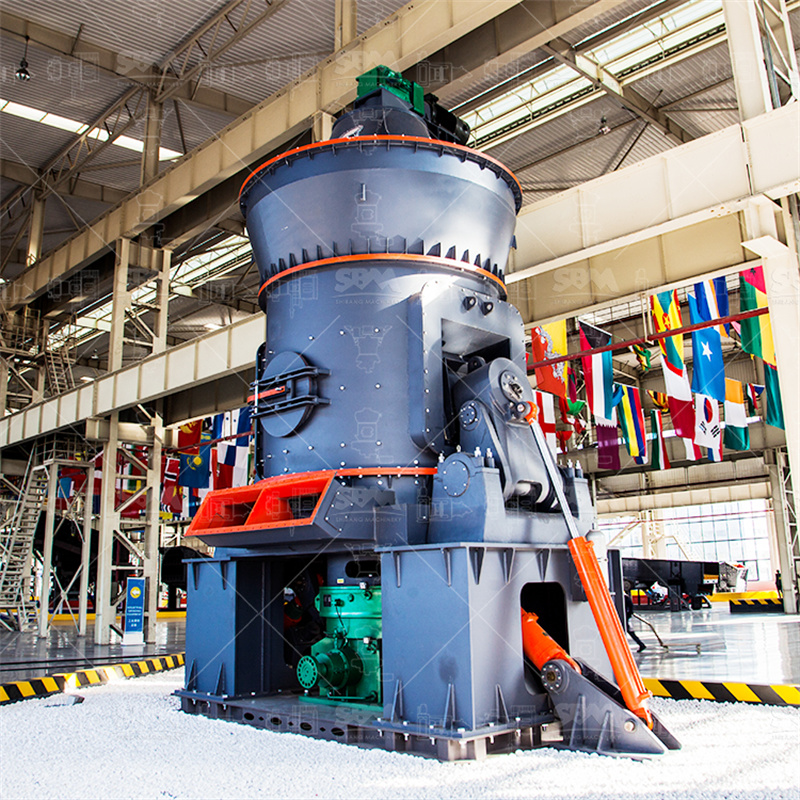
Recommended Products for Cement Clinker Processing
LM Series Vertical Roller Mill: The Ultimate Solution for Large-Scale Clinker Grinding
The LM Series Vertical Roller Mill is our flagship product for cement clinker processing. It combines grinding, drying, and classifying in one unit, making it ideal for high-capacity production lines. Key advantages include:
- Integrated Design: Reduces floor space by 50% and infrastructure costs by 40% compared to ball mill systems.
- Low Operating Cost: Non-contact roller-table design increases wear part life by 3x; energy consumption is 30–40% lower than ball mills.
- Intelligent Control: Expert-level auto-control system with remote monitoring reduces manual intervention.
- Environmental Compliance: Fully sealed negative pressure operation; dust emission <20 mg/m³; noise <85 dB.
With models from LM130K to LM280K, capacities range from 10 t/h to 170 t/h for mineral mills, and up to 250 t/h for special configurations. For pre-grinding, the LM-Y Vertical Pre-grinding Roller Mill (LM150Y to LM340Y) can process up to 1000 t/h circulation capacity, preparing clinker for final grinding.
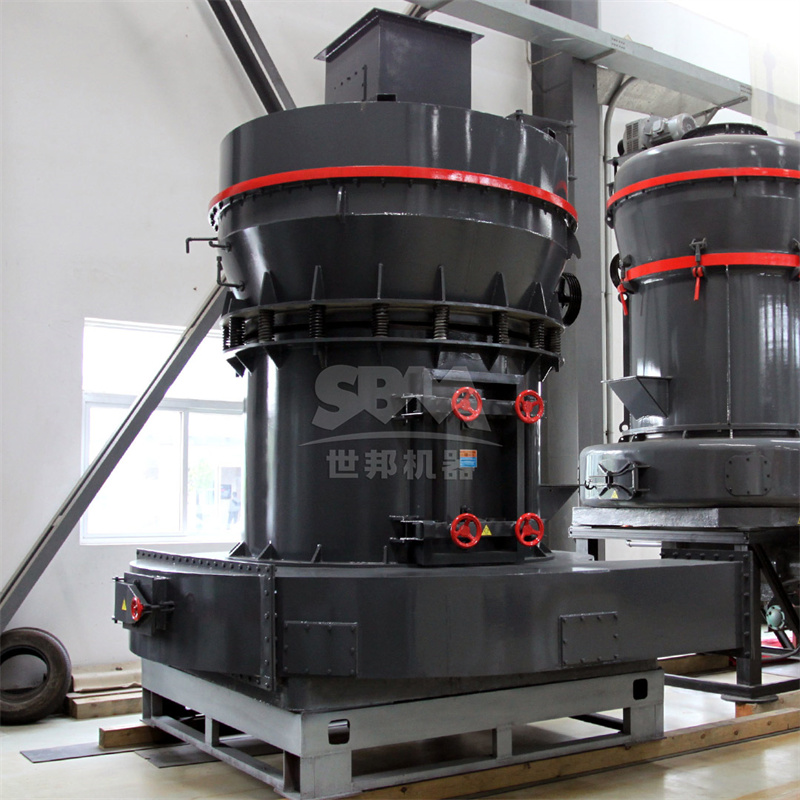
MTW Series European Trapezium Mill: Precision and Efficiency for Medium-Scale Lines
The MTW Series European Trapezium Mill is an excellent choice for cement clinker grinding where precise fineness and moderate capacity are required. Its technical highlights include:
- Anti-wear Shovel Design: Combined shovel blades and curved rollers reduce maintenance costs and extend life.
- Optimized Arc Air Duct: Reduces airflow energy loss and improves transmission efficiency.
- Integral Bevel Gear Drive: Transmission efficiency up to 98%, saving space and installation costs.
- Wear-resistant Volute Structure: Non-resistance flow design improves air selection efficiency; maintenance costs reduced by 30%.
With models from MTW110 to MTW215G, capacities range from 3 t/h to 45 t/h, and fineness from 10 to 325 mesh. It is particularly suitable for grinding clinker to 300–400 m²/kg Blaine fineness with high uniformity.
How to Choose: A Step-by-Step Guide
- Define Your Requirements: Determine desired fineness (Blaine or mesh), capacity (t/h), and feed size. For high capacities (>100 t/h) and fine grinding, LM Vertical Roller Mill is optimal. For medium capacities (20–50 t/h) and precise classification, MTW Trapezium Mill excels.
- Assess Your Budget: Vertical roller mills have higher initial cost but lower operating expenses. Trapezium mills offer a good balance between capital and operating costs. Ball mills are cheaper upfront but cost more to operate.
- Consider Plant Layout: LM Series requires less floor space and can be installed outdoors. MTW Series has a smaller footprint than ball mills but needs a covered structure.
- Evaluate Environmental Regulations: Both LM and MTW Series meet stringent emission standards. If noise is a concern, LM’s soundproof design is beneficial.
- Plan for Maintenance: LM’s modular roller assembly allows quick changes; MTW’s anti-wear components reduce downtime. Consider local service support—our global network ensures rapid response.
Conclusion
Choosing the right grinding mill for cement clinker processing is a strategic decision that impacts productivity, quality, and profitability. The LM Series Vertical Roller Mill and MTW Series European Trapezium Mill represent the best-in-class solutions for different scales and fineness requirements. By carefully evaluating your material properties, capacity needs, and budget, you can select the equipment that ensures optimal performance and long-term returns.
For more information or a customized consultation, please contact our engineering team. We are dedicated to providing you with the most efficient and reliable grinding solutions for your cement production line.