
Introduction to Calcite Powder Processing
Calcite, a naturally occurring calcium carbonate mineral, is one of the most widely used industrial minerals in modern manufacturing. Its applications span across industries including paints and coatings, plastics, paper, rubber, pharmaceuticals, food processing, and construction materials. As global demand for high-quality calcium carbonate powder continues to rise, selecting the appropriate grinding equipment for your calcite powder production line has become a critical business decision that directly impacts product quality, operational efficiency, and long-term profitability.
The calcite processing industry requires equipment that can deliver consistent particle size distribution, high throughput capacity, and reliable performance over extended operational periods. Whether you are establishing a new calcium carbonate plant or upgrading existing facilities, understanding the technical characteristics and applications of different grinding mill types is essential for making an informed investment decision.
Understanding Calcite Powder Specifications and Market Requirements
Before selecting grinding equipment, it is crucial to understand the diverse specifications required by different end-use applications. Calcite powder is typically categorized based on its fineness, measured in mesh or micrometers (μm).
Coarse Powder (30-200 mesh)
Used primarily in construction applications, animal feed supplements, and some industrial fillers where fine particle size is not critical.
Medium Powder (200-400 mesh)
Applicable in plastics, rubber, and paint industries as functional fillers. This range offers a balance between performance and cost-effectiveness.
Fine Powder (400-1250 mesh)
Required for high-quality paints, paper coatings, and pharmaceutical applications where whiteness, purity, and particle uniformity are essential.
Ultrafine Powder (1250-2500 mesh)
Essential for specialized applications including high-performance coatings, advanced plastics, and premium paper products. This grade commands significantly higher market prices but demands sophisticated processing equipment.
Key Factors in Grinding Mill Selection
1. Target Product Fineness
The required output fineness is the primary determining factor in equipment selection. Different mill types have distinct operating ranges, and choosing equipment outside its optimal range results in reduced efficiency and higher operating costs.
2. Production Capacity Requirements
Your plant’s required throughput capacity significantly influences equipment selection. Small to medium operations may find certain mill types more economical, while large-scale production demands equipment with higher capacity ratings.
3. Energy Efficiency
Grinding operations are energy-intensive, often accounting for 40-60% of total production costs. Selecting energy-efficient equipment can result in substantial long-term savings.
4. Finished Product Quality
Particle size distribution, particle shape, and contamination levels all affect product quality and market value. Equipment with advanced classification systems typically delivers superior product consistency.
5. Maintenance and Operational Costs
Consider wear part life, maintenance frequency, and ease of maintenance access. Equipment designed for reduced downtime and extended wear part life offers better total cost of ownership.
6. Environmental Compliance
Modern grinding operations must meet stringent environmental standards. Equipment with integrated dust collection and noise reduction features helps ensure regulatory compliance.
Recommended Equipment for Calcite Powder Production
SCM Series Ultrafine Mill for High-Value Applications
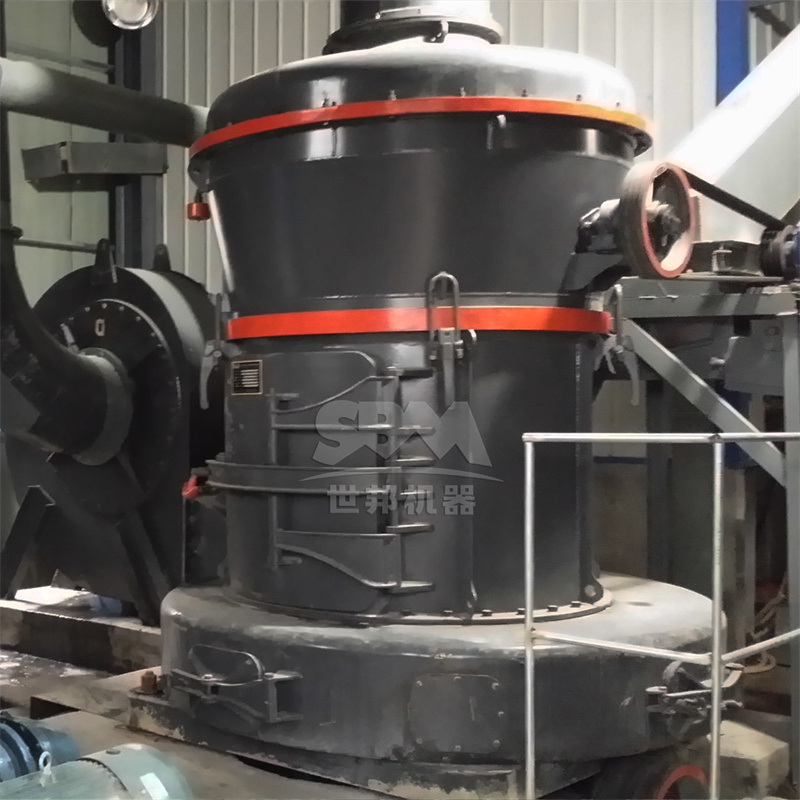
For manufacturers targeting the premium ultrafine calcium carbonate market, the SCM Series Ultrafine Mill represents an exceptional choice. This equipment is specifically engineered to produce powder in the 325-2500 mesh range with outstanding efficiency.
The SCM Series features a vertical turbine classifier that achieves precise particle size cutting, ensuring no coarse powder mixing and uniform finished products. This precision is critical for applications requiring consistent particle size distribution.
With models ranging from SCM800 (0.5-4.5 t/h) to SCM1680 (5.0-25 t/h), this series offers flexibility for various production scales. The intelligent control system with automatic finished product granularity feedback ensures stable operation and consistent quality.
Energy efficiency is a standout feature: the SCM Series delivers twice the capacity of jet mills while consuming 30% less energy. The special material rollers and rings extend service life several times over compared to conventional designs, significantly reducing maintenance costs.
MTW Series European Trapezium Mill for Versatile Production
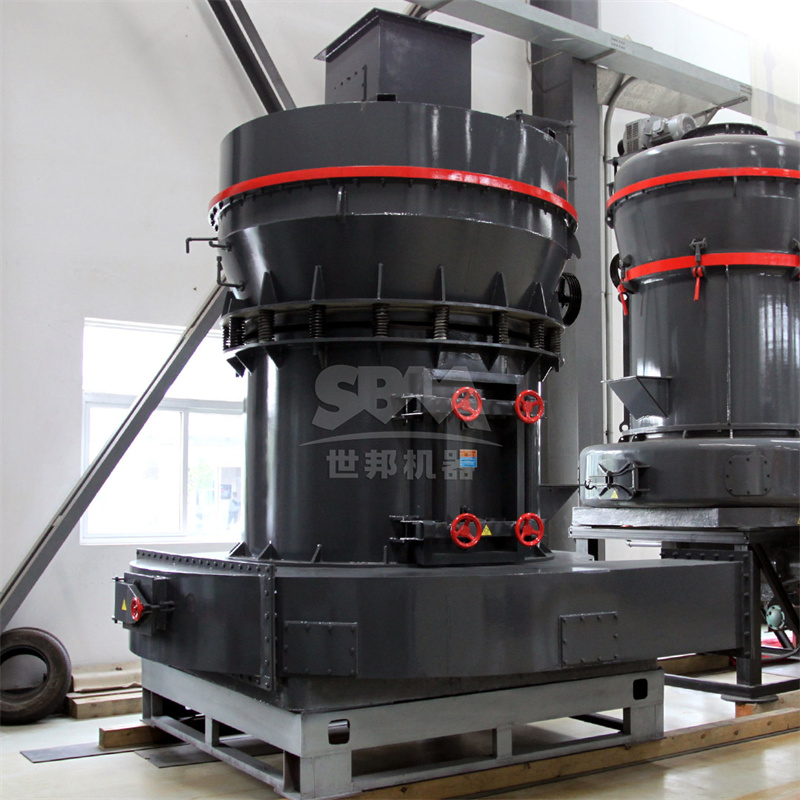
For operations requiring flexibility across a broader fineness range, the MTW Series European Trapezium Mill offers excellent versatility. This equipment handles input sizes up to 50mm and produces output from 30-325 mesh, making it suitable for various calcium carbonate products.
The MTW Series incorporates several innovative design features. The anti-wear shovel design with combined blades reduces maintenance costs while the curved design extends grinding roller life. The optimized arc air duct reduces airflow energy loss and improves transmission efficiency.
With the integral bevel gear drive achieving transmission efficiency up to 98%, and wear-resistant volute structure reducing maintenance costs by 30%, the MTW Series delivers reliable performance with low operating costs. Models range from MTW110 (3-9 t/h) to MTW215G (15-45 t/h), accommodating various production requirements.
Additional Equipment Considerations
LM Series Vertical Roller Mill for Large-Scale Operations
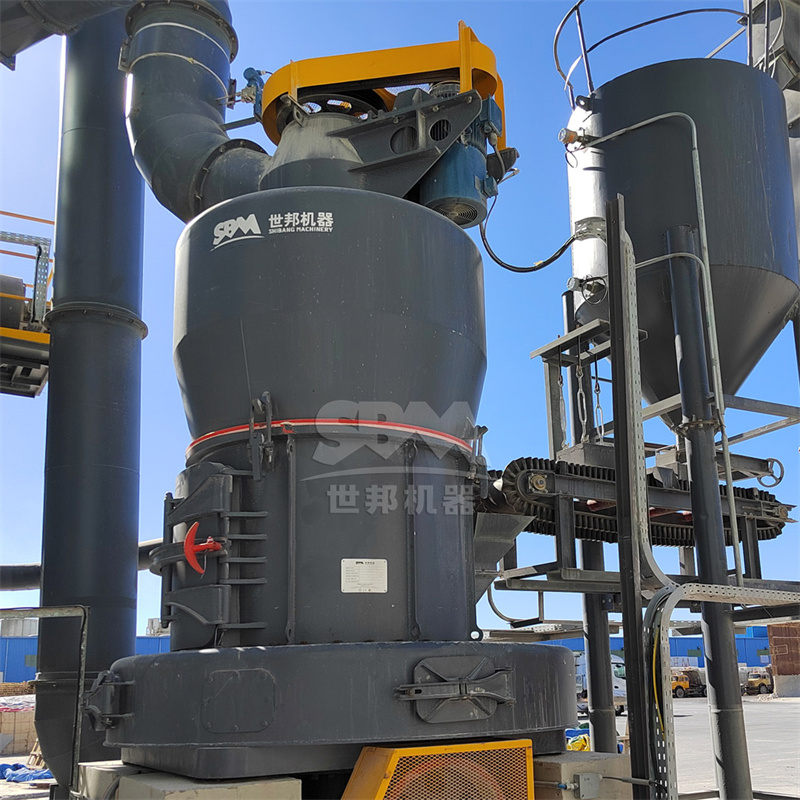
For very large-scale calcium carbonate production, the LM Series Vertical Roller Mill offers capacities from 3-250 t/h. Its integrated design combines crushing, grinding, and selection functions, reducing floor space by 50% and infrastructure costs by 40%. The non-contact design between rollers and table increases wear part life by three times while reducing energy consumption by 30-40% compared to ball mill systems.
LUM Ultrafine Vertical Roller Mill
The LUM Series represents the cutting edge in ultrafine grinding technology, producing powder in the 325-2500 mesh range with capacities up to 15 t/h. Its unique roller and liner curves improve grinding efficiency, while the multi-rotor classification system ensures no coarse particles in the finished product.
Complete System Integration
A complete calcite powder production line typically includes:
- Jaw crusher or hammer mill for primary crushing
- Bucket elevator for material transport
- Grinding mill (selected based on requirements)
- Classifier for precise particle size control
- Cyclone collector and pulse dust removal system
- Packaging equipment for finished product
Conclusion
Selecting the right grinding mill for your calcium carbonate plant requires careful consideration of your target product specifications, production capacity requirements, and operational constraints. The SCM Series Ultrafine Mill and MTW Series European Trapezium Mill from our company represent excellent choices for different segments of the calcite powder market.
For ultrafine, high-value applications, the SCM Series delivers unmatched efficiency and product quality. For versatile production across a broader fineness range, the MTW Series offers reliable performance with low operating costs. By matching your specific requirements with the appropriate equipment, you can establish a competitive calcium carbonate production operation that delivers consistent quality and profitability for years to come.
Contact our technical team today to discuss your specific calcite processing requirements and receive a customized equipment recommendation for your project.