
Introduction: The Critical Role of Milling in Cement Production
In the cement industry, grinding is one of the most energy-intensive and cost-critical stages of production. Whether you are processing raw materials, clinker, coal, or additives, the choice of mill directly impacts product quality, energy consumption, operational costs, and environmental compliance. With a wide range of milling technologies available—from ball mills to vertical roller mills and ultrafine grinding systems—selecting the right equipment for your cement plant is a strategic decision that requires a thorough understanding of your production targets, material characteristics, and long-term operational goals.
This guide provides a comprehensive overview of the main types of cement processing mills, their technical advantages, and key selection criteria. It also highlights specific equipment from our company that is engineered to meet the demanding requirements of modern cement plants.
Understanding Your Milling Requirements
Before selecting a mill, it is essential to define your process requirements. Key parameters include:
- Feed material characteristics: Hardness, moisture content, abrasiveness, and particle size distribution.
- Target product fineness: Whether you need coarse grinding (e.g., 0.8 mm) or ultrafine grinding (down to 5 μm).
- Production capacity: From small-scale plants (a few tons per hour) to large-scale operations (hundreds of tons per hour).
- Energy efficiency and environmental regulations: Lower power consumption, reduced noise, and dust emission control.
- Installation constraints: Available floor space, indoor vs. outdoor installation, and infrastructure costs.
By clearly defining these parameters, you can narrow down the most suitable milling technology and avoid costly over- or under-specification.
Main Types of Cement Processing Mills
1. Ball Mills: Proven Reliability for Coarse to Fine Grinding
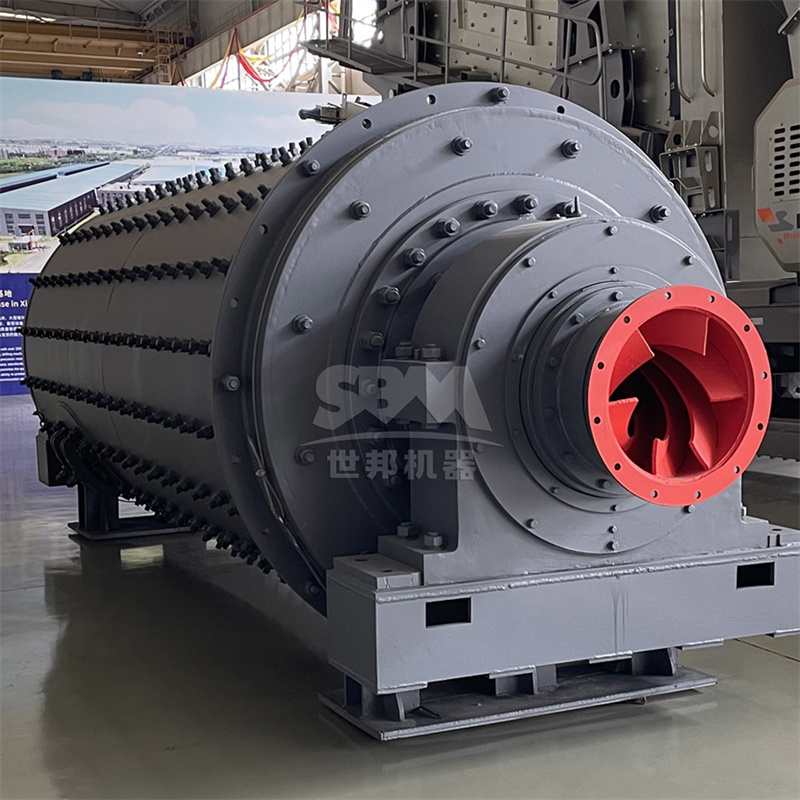
Ball mills are the traditional workhorses of the cement industry. They are robust, reliable, and capable of handling a wide range of materials. With a crushing ratio up to 300:1 and continuously adjustable fineness (0.074–0.8 mm), ball mills remain a popular choice for raw meal and clinker grinding. However, their energy consumption is relatively high compared to more modern vertical mills.
Our company offers a comprehensive range of ball mills, including models such as GMQG1530 (12–2.8 t/h) and GMQY3685 (400–45 t/h). These mills feature high-chrome or manganese steel grinding media, wave or step liners, and can be configured for either dry or wet grinding. While ball mills are versatile, they are best suited for applications where simplicity, high availability, and low initial investment are prioritized over energy efficiency.
2. Vertical Roller Mills: The Energy-Efficient Choice for Large-Scale Production
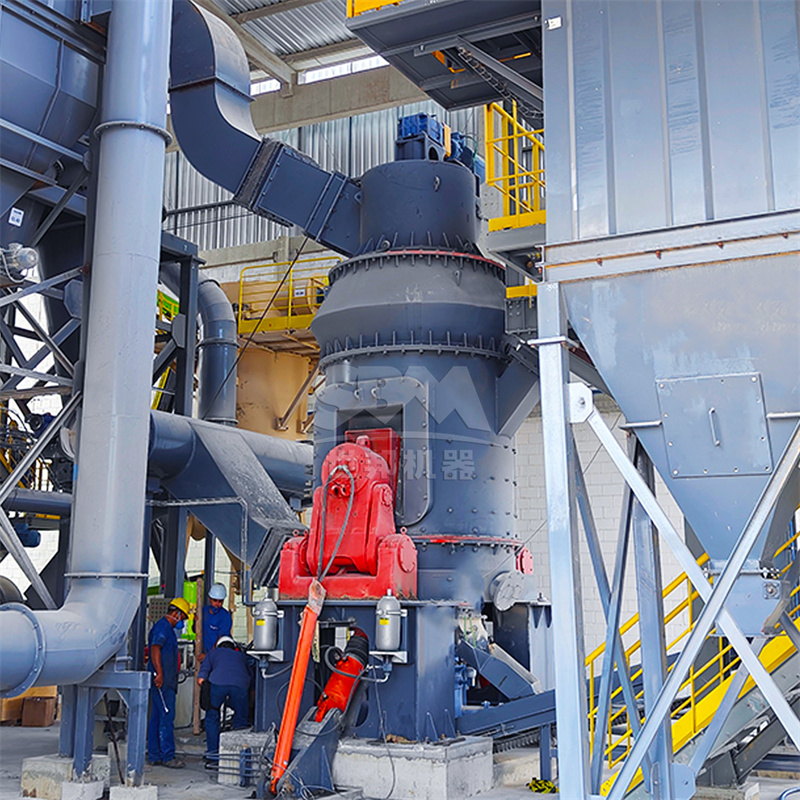
Vertical roller mills (VRMs) have become the preferred technology for large-scale cement plants due to their low specific energy consumption (30–40% lower than ball mills), compact footprint, and ability to handle high capacities. The LM series vertical roller mill from our company is a prime example of this technology. It integrates crushing, grinding, and classification in a single unit, reducing floor space by 50% and enabling outdoor installation, which cuts infrastructure costs by 40%.
The LM series is available in various configurations: the vertical mineral mill (LM130K to LM280K) for raw meal and clinker, the vertical coal mill (LM80M to LM280M) for pulverized coal, the vertical slag mill (LM130N to LM370N) for slag grinding, and the vertical pre-grinding mill (LM150Y to LM340Y) for clinker and limestone pre-grinding. With capacities from 3 t/h to 250 t/h (and up to 1000 t/h circulation for pre-grinding), these mills are highly adaptable.
Key advantages of the LM series include:
- Intelligent expert control system with remote/local switching.
- Non-contact roller-table design, extending wear part life by 3x.
- Fully sealed negative pressure operation for dust-free, low-noise performance.
- Modular grinding roller assembly for quick maintenance.
For cement plants aiming to reduce operating costs and carbon footprint, the LM vertical roller mill is an excellent choice.
3. Ultrafine Mills: Precision Grinding for Specialty Cements and Additives
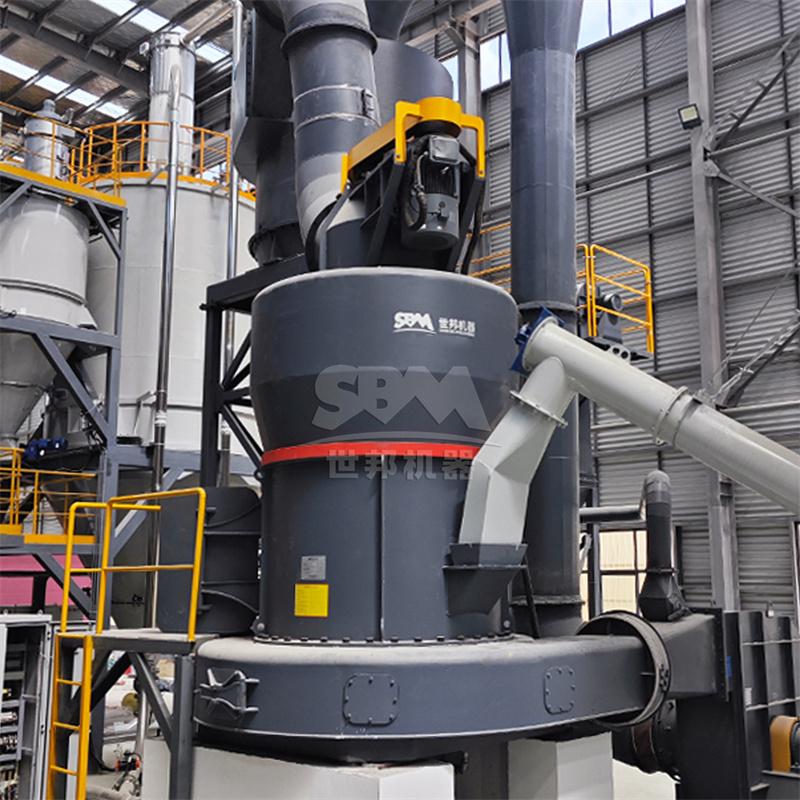
As the cement industry moves toward higher-performance blends and supplementary cementitious materials, the demand for ultrafine grinding has grown. Ultrafine mills can produce powders with fineness up to 2500 mesh (5 μm), enabling the use of slag, fly ash, and other additives at higher replacement levels.
Our SCM Series Ultrafine Mill is specifically designed for this purpose. With a capacity of 0.5–25 t/h and output fineness of 325–2500 mesh, it delivers twice the capacity of jet mills while consuming 30% less energy. The vertical turbine classifier ensures precise particle size cutting with no coarse powder mixing, resulting in uniform finished products. The SCM series also features a shaftless screw grinding chamber for stable operation, special material rollers and rings for extended service life, and a pulse dust collection system that exceeds international standards.
For cement plants producing high-performance specialty cements or grinding slag and fly ash, the SCM Series Ultrafine Mill offers a reliable, energy-efficient solution.
4. European Trapezium Mills: Versatile Grinding for a Range of Materials
The MTW Series European Trapezium Mill is another versatile option for cement processing. With input sizes up to 50 mm and output fineness of 30–325 mesh (down to 0.038 mm), it is suitable for grinding limestone, gypsum, coal, and clinker. Capacities range from 3 t/h to 45 t/h, making it ideal for medium-scale plants or auxiliary grinding lines.
Key technical features include:
- Anti-wear shovel design with combined blades to reduce maintenance costs.
- Optimized arc air duct to reduce airflow energy loss.
- Integral bevel gear drive with transmission efficiency up to 98%.
- Wear-resistant volute structure that reduces maintenance costs by 30%.
The MTW series is available in models such as MTW110, MTW138Z, MTW175G, and MTW215G, as well as MRN models (MRN158, MRN198, MRN218). It is a cost-effective choice for plants that need flexible grinding with moderate capacities.
5. Medium-Speed Trapezium Mills: Intelligent Pressure Regulation for Consistent Grinding
The MTM Series Medium-speed Trapezium Mill is designed for grinding materials with input sizes up to 35 mm and output fineness of 45–325 mesh. Capacities range from 3 t/h to 22 t/h. Its intelligent pressure regulation system automatically compensates for roller wear, extending roller and ring life by 30%. The innovative roller assembly with horizontal pull-rod connection protects main shaft bearings, while damping springs and sealing strips reduce noise and resonance.
With models MTM100, MTM130, and MTM160, this mill is well-suited for cement plants that require reliable, medium-capacity grinding with low maintenance.
6. Hammer Mills: Compact and Efficient for Pre-Crushing
For pre-crushing of raw materials, our Hammer Mill offers a compact and efficient solution. With feed sizes up to 40 mm and output sizes of 0–3 mm, it is ideal for preparing material before fine grinding. Models such as PC4008-75 (8–15 t/h), PC4012-90 (15–40 t/h), and PC4015-132 (40–70 t/h) feature high manganese steel liners and a unique crushing principle that ensures stable operation and long wear life.
How to Choose the Right Mill for Your Cement Plant
Selecting the optimal mill involves balancing technical, operational, and financial factors. Consider the following decision framework:
- For large-scale raw meal and clinker grinding: Choose a vertical roller mill (e.g., LM series) for energy savings and high capacity.
- For ultrafine grinding of slag, fly ash, or specialty cements: Select an ultrafine mill (e.g., SCM series) or a vertical ultrafine mill (e.g., LUM series).
- For medium-scale plants with versatile needs: Consider the MTW European Trapezium Mill or MTM Medium-speed Trapezium Mill.
- For pre-crushing and coarse grinding: A hammer mill or a ball mill may be appropriate.
- For coal grinding: Use a dedicated vertical coal mill (LM coal mill series) or a ball mill with appropriate liners.
Additionally, evaluate the total cost of ownership, including installation, energy, maintenance, and wear parts. Modern mills with intelligent control, remote monitoring, and eco-friendly features can significantly reduce long-term operating costs.
Recommended Products from Our Company
Based on our extensive experience in cement processing, we recommend the following two products for their outstanding performance and reliability:
SCM Series Ultrafine Mill
Ideal for producing ultrafine cement additives and specialty cements. With fineness up to 2500 mesh and capacities up to 25 t/h, it offers high efficiency, precise classification, and durable design. Its intelligent control system ensures consistent product quality, while the pulse dust collector meets strict environmental standards.
LM Series Vertical Roller Mill
The LM series is a proven solution for large-scale cement plants. It integrates crushing, grinding, and classification, reducing energy consumption by 30–40% compared to ball mills. Available in a wide range of models for raw meal, coal, slag, and pre-grinding, it is the ultimate choice for modern, eco-friendly cement production.
Conclusion
Choosing the right mill for your cement plant is a decision that affects productivity, profitability, and environmental compliance. By understanding the strengths and limitations of each milling technology and aligning them with your specific requirements, you can optimize your grinding circuit for years to come. Our company offers a complete portfolio of mills—from ball mills and hammer mills to advanced vertical roller mills and ultrafine mills—each engineered to deliver reliable performance and low operating costs. Contact us today to discuss your cement processing needs and find the perfect mill for your plant.