
Introduction: The Strategic Importance of Water Slag Processing in Cement Production
In the modern cement industry, the utilization of water slag (also known as granulated blast furnace slag, GBFS) as a supplementary cementitious material has become a cornerstone of sustainable and economically viable cement production. Water slag, a by-product of the iron and steel industry, possesses excellent latent hydraulic properties. When properly ground to a suitable fineness, it can significantly enhance the strength, durability, and chemical resistance of concrete while reducing the overall carbon footprint and clinker consumption of cement manufacturing.
However, the journey from raw water slag to high-quality slag cement is not without its challenges. Water slag is characterized by its high moisture content, abrasive nature, and varying chemical composition. The grinding process is the most critical and energy-intensive step in this chain. Selecting the right grinding mill is therefore paramount for achieving efficient slag cement production, controlling operational costs, and ensuring product quality.
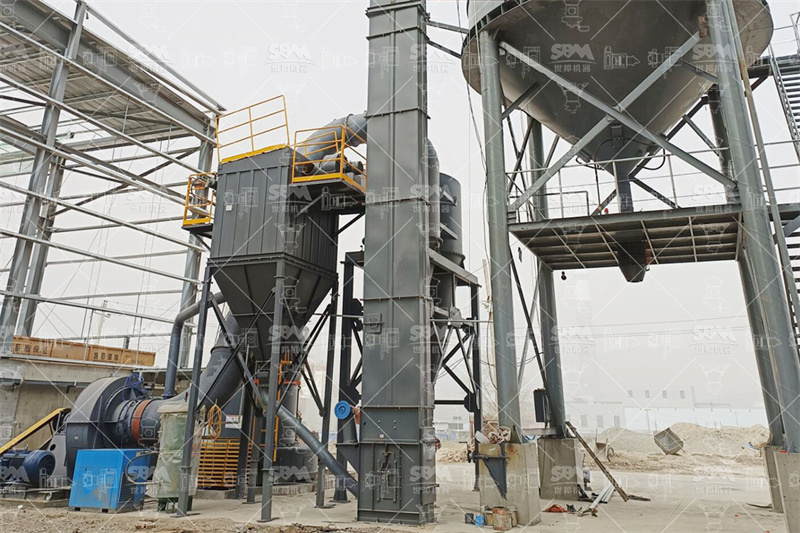
This article provides a comprehensive guide to the key factors that cement producers should consider when choosing a grinding mill for water slag processing. We will explore the specific requirements of water slag grinding and present our company’s advanced solutions designed to meet these demands with maximum efficiency and reliability.
Key Considerations for Choosing a Water Slag Grinding Mill
1. Material Characteristics and Fineness Requirements
Water slag is typically a glassy, granular material. Its grindability (often measured by the Bond Work Index) can vary significantly depending on the source and cooling process. The Bond Work Index for slag is generally higher than that of cement clinker, meaning it is harder to grind. Therefore, a grinding mill must be robust enough to handle this abrasive material without excessive wear.
Furthermore, the fineness of the final product is a critical quality parameter. For high-performance slag cement, the specific surface area (Blaine) of the slag powder is often required to be between 420 and 550 m²/kg, and sometimes even higher for ultra-fine applications. The mill must be capable of achieving and consistently maintaining this high fineness with a narrow particle size distribution.
2. Capacity and Scalability
The required production capacity is a primary driver in mill selection. Factors such as the scale of the cement plant, the availability of slag, and market demand for slag cement will determine the necessary output. A mill that is too small will bottleneck production, while an oversized mill will lead to inefficient energy consumption and high capital costs. It is also wise to consider future expansion; a mill with some scalability or a modular design can be a strategic advantage.
3. Energy Efficiency: The Bottom Line
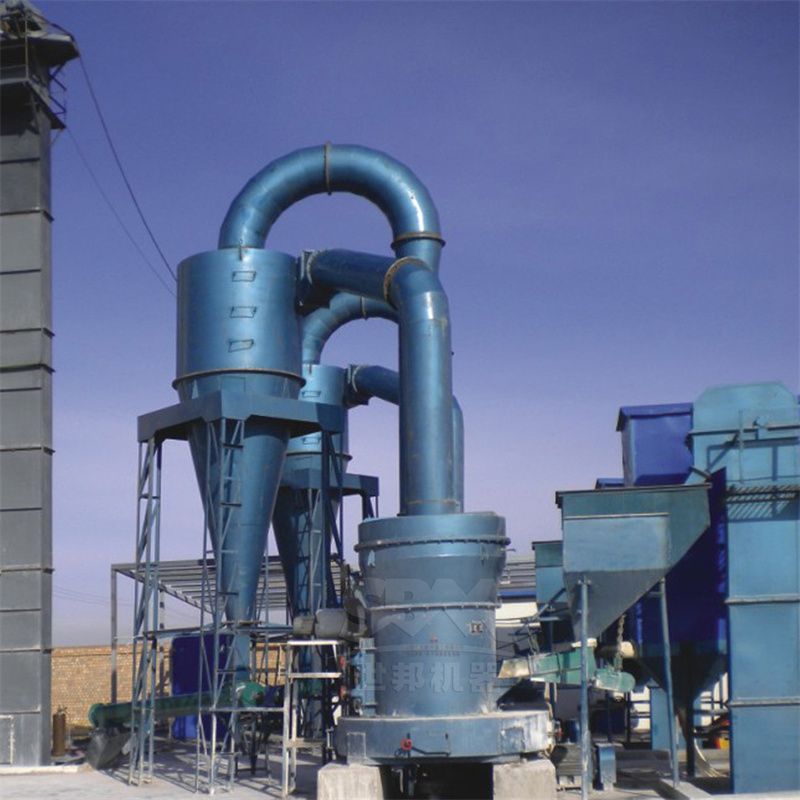
Grinding is notoriously energy-intensive, often accounting for a significant portion of the total production cost. The energy efficiency of a grinding mill directly impacts the profitability and competitiveness of a slag cement operation. Traditional ball mills, while reliable, are highly inefficient for fine grinding. Modern vertical roller mills and advanced trapezium mills are engineered to consume 30-50% less energy than ball mills for the same task, making them the preferred choice for new installations and upgrades.
4. Drying Capability
Water slag typically contains 10-15% moisture. This moisture must be removed during the grinding process to ensure stable mill operation and prevent issues like clogging and poor powder flow. The ideal grinding mill should have a built-in or integrated drying system that utilizes hot gas (from a hot air generator or kiln waste gas) to dry the material as it is being ground and conveyed. This integrated drying capability is a major advantage of vertical roller mills.
5. Environmental Performance and Noise Control
With increasingly stringent environmental regulations, dust and noise emissions are critical factors. The grinding mill must be equipped with an efficient dust collection system, such as a pulse-jet bag filter, to meet emission standards. Additionally, noise levels from the mill, fan, and other auxiliary equipment should be controlled, often through soundproofing enclosures or low-noise designs, to create a safer and more comfortable working environment.
6. Maintenance, Wear, and Reliability
Water slag is abrasive. The wear parts of the mill (rollers, grinding rings/table, liners) will experience significant wear over time. The choice of material for these parts and the design of the mill can greatly affect their lifespan and maintenance costs. A design that allows for easy and quick replacement of wear parts without extensive downtime is highly desirable. The overall reliability and uptime of the mill are crucial for continuous cement production.
Proven Solutions for Efficient Water Slag Grinding
Our company has decades of experience in providing grinding solutions for the cement and mineral industries. We offer a range of advanced mills specifically suited for water slag processing, each with unique strengths.
The SCM Series Ultrafine Mill: For High-Performance Slag Cement
When the goal is to produce ultrafine slag powder for high-value applications, the SCM Series Ultrafine Mill is an exceptional choice. It is a technologically advanced mill designed for producing products with fineness ranging from 325 to 2500 mesh (down to 5μm). This mill is particularly effective for grinding water slag to a very high specific surface area, enhancing its reactivity and the final strength of the concrete.
Key Advantages for Slag Grinding:
- High Efficiency & Energy Saving: With a capacity that is twice that of a jet mill and 30% lower energy consumption, it offers a cost-effective solution for ultrafine grinding. The intelligent control system with automatic finished product granularity feedback ensures consistent product quality.
- High-Precision Classification: The vertical turbine classifier achieves precise particle size cutting, ensuring that no coarse powder is mixed into the final product, resulting in a uniform and high-quality slag powder.
- Durable Design: The special material rollers and rings are designed to extend service life several times over, effectively handling the abrasive nature of water slag. The shaftless screw grinding chamber ensures stable and reliable operation.
- Eco-friendly & Low Noise: The pulse dust collection system exceeds international standards, and the soundproof room design keeps noise levels low.
With models like the SCM800 (0.5-4.5t/h) up to the SCM1680 (5.0-25t/h), there is an SCM mill to suit a variety of production scales, from pilot plants to large-scale operations.
The LM Series Vertical Slag Mill: The Benchmark for Large-Scale Production
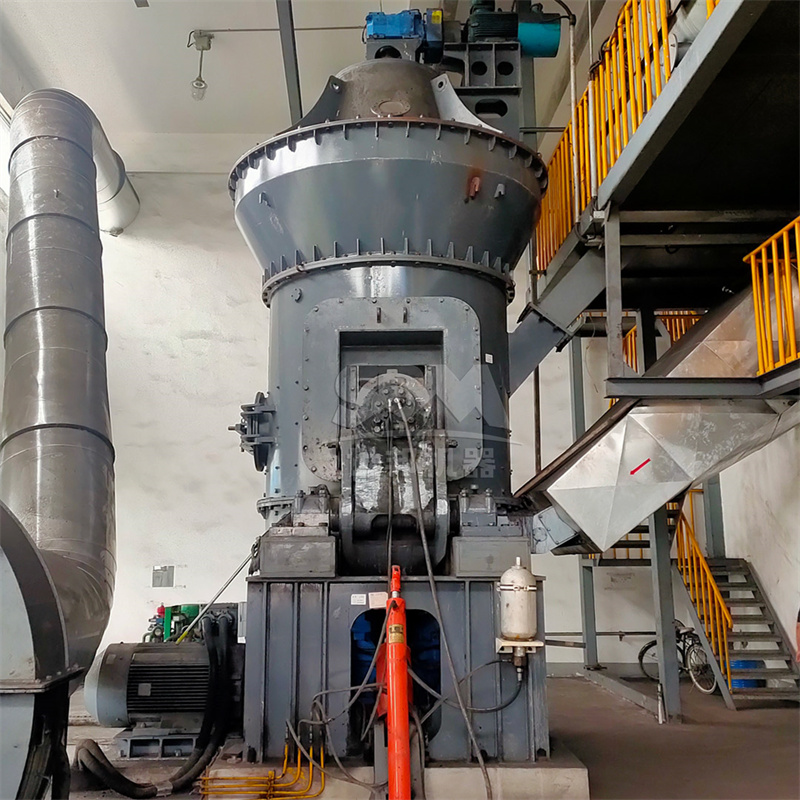
For large-scale, high-capacity slag cement production lines, the LM Series Vertical Slag Mill (specifically models like LM130N to LM370N) is the industry benchmark. This mill is purpose-built for grinding cement raw materials, clinker, and slag. Its design integrates crushing, grinding, drying, and classification into a single, efficient system.
Why the LM Series is Ideal for Water Slag:
- Integrated Design: The system’s integrated design considerably reduces floor space (by 50%) and allows for outdoor installation, cutting infrastructure costs by 40%.
- Low Operating Cost: The non-contact design between the grinding rollers and the grinding table means wear part life is increased by 3x. The energy consumption is 30-40% lower than a traditional ball mill system, delivering massive operational savings.
- Excellent Drying Capability: The mill utilizes hot air to dry the material while it is being conveyed and ground. This makes it perfectly suited for handling the high moisture content of raw water slag.
- Intelligent Control: The expert-level auto-control system supports remote/local switching and real-time monitoring of parameters, reducing manual intervention and ensuring stable, optimal operation.
- Environmental Compliance: The fully sealed negative pressure operation and advanced dust collection ensure a clean, compliant working environment.
The LM Vertical Slag Mill is available in a wide range of capacities, from the LM130N (4-6 t/h) to the massive LM370N (up to 110 t/h), making it the perfect choice for any size of slag cement plant, especially large-scale producers.
Conclusion: Partnering for Success in Slag Cement Production
The selection of a grinding mill for water slag processing is a multifaceted decision that requires careful consideration of material properties, production targets, energy costs, and environmental regulations. While a ball mill can be used, it is generally not the most efficient or cost-effective solution for this demanding application.
Modern, high-efficiency mills like the SCM Series Ultrafine Mill and the LM Series Vertical Slag Mill offer significant advantages in terms of energy savings, product quality, drying capability, and environmental performance. By investing in the right technology, cement producers can unlock the full potential of water slag, transforming a by-product into a valuable resource for producing high-quality, sustainable, and profitable slag cement.
We invite you to consult with our engineers. By sharing your specific slag characteristics and production requirements, we can help you select the optimal grinding mill from our comprehensive portfolio to build a highly efficient and successful slag cement production line.