
Introduction: The Strategic Importance of Chemical-Grade Dolomite Powder
Dolomite, a calcium magnesium carbonate mineral (CaMg(CO₃)₂), is a critical industrial raw material with a wide range of applications. In the chemical industry, high-purity chemical-grade dolomite powder is indispensable for producing magnesium compounds, calcium salts, refractories, fillers, and soil conditioners. The performance of these end products depends heavily on the particle size distribution, purity, and surface characteristics of the dolomite powder, which in turn are determined by the grinding equipment used.
Selecting the right grinding mill for chemical-grade dolomite powder production is not merely a matter of capacity; it involves a careful balance of fineness requirements, energy efficiency, wear resistance, product contamination control, and operational reliability. This article provides a comprehensive guide to choosing the optimal grinding solution for your specific application, drawing on the technical merits of modern milling technologies.
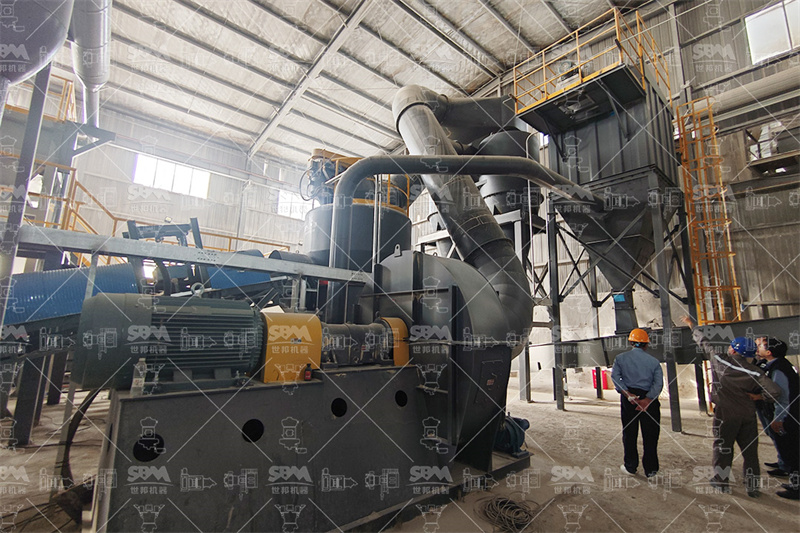
Key Criteria for Selecting a Dolomite Grinding Mill
Before examining specific mill types, it is essential to establish the selection criteria that govern the decision-making process. For chemical-grade dolomite powder, the following factors are paramount:
1. Target Fineness and Particle Size Distribution
Chemical-grade dolomite powder typically ranges from 45μm (325 mesh) down to 5μm (2500 mesh) or even finer for specialized applications. Coarse grades (0.074–0.8mm) are used in certain chemical processes, while ultrafine grades are required for high-performance fillers and magnesium extraction. The chosen mill must deliver a consistent particle size distribution with minimal coarse particles, as oversized grains can negatively affect reaction kinetics and product uniformity.
2. Capacity and Production Scale
Production capacities vary from small-scale operations (a few tons per hour) to large industrial plants (over 100 tons per hour). The mill must be matched to the required output without excessive energy consumption or operational bottlenecks.
3. Energy Efficiency and Operating Cost
Grinding is an energy-intensive process. The specific energy consumption (kWh per ton of product) is a key economic indicator. Mills that offer higher grinding efficiency and lower power draw per ton directly reduce production costs.
4. Wear Resistance and Product Purity
Chemical-grade dolomite must be free from contamination by iron or other wear debris. The grinding elements (rollers, rings, liners) should be made from high-wear-resistant materials and designed to minimize metal-to-material contact. This not only preserves product purity but also extends maintenance intervals.
5. Environmental Compliance and Noise Control
Dust emissions and noise levels are strictly regulated in most jurisdictions. A modern grinding mill should incorporate efficient dust collection systems and soundproofing to meet environmental standards.
6. System Integration and Automation
Intelligent control systems that automatically adjust grinding parameters based on feedback from the classifier ensure stable product quality and reduce manual intervention.
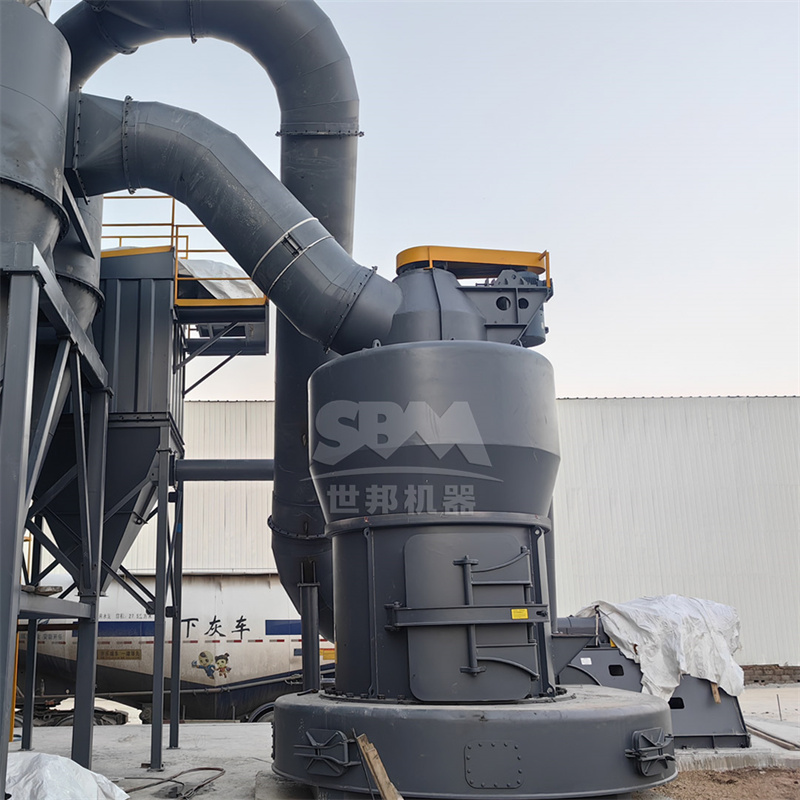
Overview of Grinding Mill Technologies for Dolomite Powder
Several types of grinding mills are suitable for dolomite processing, each with distinct advantages depending on the application. The main categories include:
- Ball Mills: Capable of producing fine powders but with high energy consumption and large footprint.
- Hammer Mills: Used for coarse crushing (0–3mm) but not suitable for fine grinding.
- Raymond Mills (Pendulum Mills): Traditional choice for 45–325 mesh, but limited in ultrafine range.
- Vertical Roller Mills: Efficient for large-scale production, particularly for 30–325 mesh, with integrated drying and classifying.
- Ultrafine Mills: Specialized for 325–2500 mesh, using mechanical impact or jet milling principles.
Among these, the SCM Series Ultrafine Mill and the MTW Series European Trapezium Mill stand out as particularly well-suited for chemical-grade dolomite powder production across a broad fineness range. Let us examine their technical features and application benefits.
SCM Series Ultrafine Mill: Precision Grinding for Ultrafine Dolomite Powder
When your application demands chemical-grade dolomite powder in the ultrafine range (325–2500 mesh, or 45–5μm), the SCM Series Ultrafine Mill is an excellent choice. This mill is engineered to deliver high-precision classification, exceptional energy efficiency, and reliable operation.
Technical Advantages
High Efficiency & Energy Saving: The SCM mill boasts a capacity that is twice that of a jet mill of comparable fineness, while consuming 30% less energy. This translates into significant operational cost savings. The intelligent control system automatically adjusts the finished product granularity through continuous feedback, ensuring consistent quality without constant operator supervision.
High-Precision Classification: A vertical turbine classifier achieves precise particle size cutting, eliminating coarse powder mixing. This is crucial for chemical-grade dolomite, where oversized particles can adversely affect reactivity and end-product properties.
Durable Design: Special material rollers and rings extend service life several times over compared to conventional grinding elements. The shaftless screw grinding chamber ensures stable operation and reduces vibration, further enhancing reliability.
Eco-friendly & Low Noise: The pulse dust collection system exceeds international standards, capturing fine dust and maintaining a clean working environment. A soundproof room design keeps noise levels well within regulatory limits.
Working Principle
The main motor drives three layers of grinding rings to rotate. Materials are dispersed into the grinding path by centrifugal force and crushed by roller pressure, ground layer by layer. The ground powder is then carried by an air stream to the vertical turbine classifier, where fine particles are separated and collected by a cyclone collector and pulse dust removal system. Coarse particles are returned for further grinding.
Models and Specifications
The SCM series offers a range of models to suit various production scales:
- SCM800: Capacity 0.5–4.5 t/h, Main Power 75 kW, Fineness 325–2500 mesh
- SCM900: Capacity 0.8–6.5 t/h, Main Power 90 kW
- SCM1000: Capacity 1.0–8.5 t/h, Main Power 132 kW
- SCM1250: Capacity 2.5–14 t/h, Main Power 185 kW
- SCM1680: Capacity 5.0–25 t/h, Main Power 315 kW
With feed size up to 20mm, these mills can accept pre-crushed dolomite directly, reducing the need for additional size reduction equipment. The SCM series is particularly recommended for producing ultrafine chemical-grade dolomite powder for high-end fillers, magnesium compounds, and specialty chemicals.
MTW Series European Trapezium Mill: Versatile Grinding for Medium to Fine Dolomite Powder
For applications requiring 30–325 mesh (600–45μm) chemical-grade dolomite powder, the MTW Series European Trapezium Mill offers an optimal combination of capacity, efficiency, and product quality. Its robust design and advanced features make it a reliable workhorse for medium-to-large-scale production.
Technical Advantages
Anti-wear Shovel Design: Combined shovel blades reduce maintenance costs and downtime. The curved design of the blades extends the life of the grinding rollers, ensuring long-term stable operation.
Optimized Arc Air Duct: The arc-shaped air duct reduces airflow energy loss and improves transmission efficiency. High-strength guard plates protect the air duct working surface from wear, further extending service life.
Integral Bevel Gear Drive: Transmission efficiency reaches up to 98%, saving space and reducing installation costs compared to traditional belt or gear drives.
Wear-resistant Volute Structure: The non-resistance flow design improves air selection efficiency and reduces maintenance costs by 30%.
Working Principle
The main motor drives the grinding rollers to revolve around the central axis while self-rotating to generate centrifugal force. Shovels throw materials between the ring and rollers to form a material layer, achieving efficient crushing through extrusion. The classification system precisely controls the finished product size, and the airflow carries fine powder to the collector.
Models and Specifications
The MTW series includes a wide range of models:
- MTW110: Capacity 3–9 t/h, Main Power 55 kW, Fineness 10–325 mesh
- MTW138Z: Capacity 6–17 t/h, Main Power 90 kW
- MTW175G: Capacity 9.5–25 t/h, Main Power 160 kW
- MTW215G: Capacity 15–45 t/h, Main Power 280 kW
- MRN158: Capacity 7–21 t/h, Main Power 132 kW
- MRN198: Capacity 12–33 t/h, Main Power 220 kW
- MRN218: Capacity 15–45 t/h, Main Power 280 kW
With feed size up to 50mm, the MTW mill can handle larger feed material, reducing the need for primary crushing. Its fineness range covers most chemical-grade dolomite powder specifications, making it a versatile choice for diversified product lines.
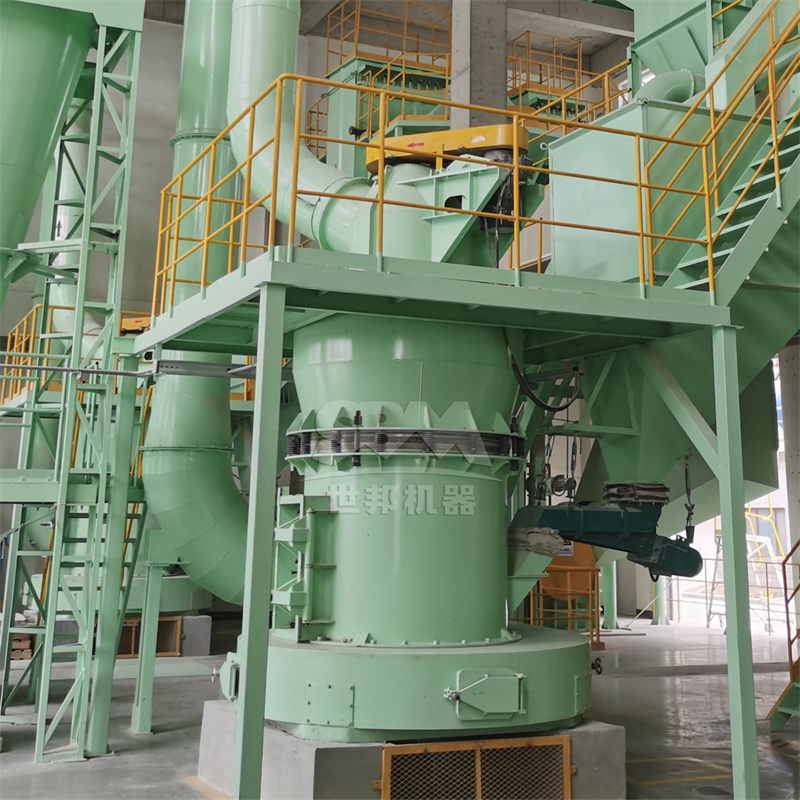
Comparing SCM and MTW Mills for Dolomite Applications
Choosing between the SCM Ultrafine Mill and the MTW European Trapezium Mill depends on your specific product portfolio and production requirements.
Choose SCM if: You need ultrafine powder (325–2500 mesh) for high-value applications such as magnesium extraction, high-performance fillers, or specialty chemicals. The SCM mill’s high-precision classification and energy efficiency make it ideal for fine and ultrafine grinding.
Choose MTW if: You require medium to fine powder (30–325 mesh) in large quantities, and your feed material may be up to 50mm. The MTW mill’s robust construction and high capacity make it suitable for large-scale chemical-grade dolomite production, particularly for applications like soil conditioners, glass manufacturing, and refractory raw materials.
In some plants, a combination of both mills can be advantageous: the MTW mill for coarse-to-medium grinding and the SCM mill for ultrafine polishing, allowing flexible product switching based on market demand.
Other Grinding Options: When to Consider Alternative Technologies
While SCM and MTW mills cover a broad spectrum of chemical-grade dolomite powder production, other mills may be appropriate for specific niches:
- LM Series Vertical Roller Mill: For very large-scale production (up to 250 t/h) where integrated drying and grinding are beneficial. The LM mill’s low operating cost and compact footprint make it attractive for high-capacity plants.
- LUM Ultrafine Vertical Roller Mill: For ultrafine grinding (325–2500 mesh) with multi-rotor classifying technology, ensuring no coarse particles. Suitable for high-purity chemical-grade dolomite.
- Ball Mill: For coarse grinding (0.074–0.8mm) or when wet grinding is required. However, ball mills have higher energy consumption and larger footprint.
- Hammer Mill: For pre-crushing dolomite to 0–3mm before fine grinding. This can improve the efficiency of the downstream mill.
Each technology has its place, but for most chemical-grade dolomite powder producers, the SCM and MTW mills offer the best balance of performance, efficiency, and product quality.
Installation and Operational Considerations
Proper installation and operation are critical to achieving the desired performance from any grinding mill. Key considerations include:
- Feed Preparation: Ensure the feed material is dry and free from foreign objects. Pre-crushing to the recommended feed size (≤20mm for SCM, ≤50mm for MTW) maximizes mill efficiency.
- Classifier Adjustment: Fine-tune the classifier speed to achieve the target particle size distribution. Regular sampling and analysis are recommended.
- Wear Part Maintenance: Inspect rollers, rings, and liners regularly. Replace worn parts promptly to maintain grinding efficiency and product quality.
- Dust Collection: Maintain the pulse dust collector and check filter bags for damage. Proper dust collection ensures environmental compliance and a safe working environment.
- Automation: Utilize the intelligent control system to monitor and adjust parameters in real time. This reduces operator error and ensures consistent product quality.
Conclusion: Making the Right Choice for Your Dolomite Powder Business
The production of chemical-grade dolomite powder is a demanding application that requires careful selection of grinding equipment. The SCM Series Ultrafine Mill and the MTW Series European Trapezium Mill represent two of the most advanced and reliable solutions available today. By understanding your fineness requirements, production capacity, and operational constraints, you can choose the mill that best fits your application. With the right equipment and proper operation, you can achieve high-quality dolomite powder, optimize production costs, and meet the stringent demands of the chemical industry.
For further information on how our SCM and MTW mills can be tailored to your specific dolomite grinding needs, please contact our technical team. We are committed to providing the most efficient and cost-effective solutions for your chemical-grade dolomite powder production.