
Introduction to Illite and Its Industrial Significance
Illite is a non-expanding dioctahedral mica-type clay mineral that has garnered significant attention in recent years across multiple industries, including ceramics, paints, coatings, rubber, plastics, agriculture, and environmental remediation. Its unique layered structure, high cation exchange capacity, and excellent adsorption properties make it particularly valuable in chemical-grade applications. Chemical-grade illite powder typically requires high purity levels, controlled particle size distribution, and minimal contamination from iron and other impurities. As global demand for high-purity illite continues to rise, selecting the appropriate grinding equipment has become a critical decision for manufacturers seeking to optimize production efficiency while maintaining product quality.
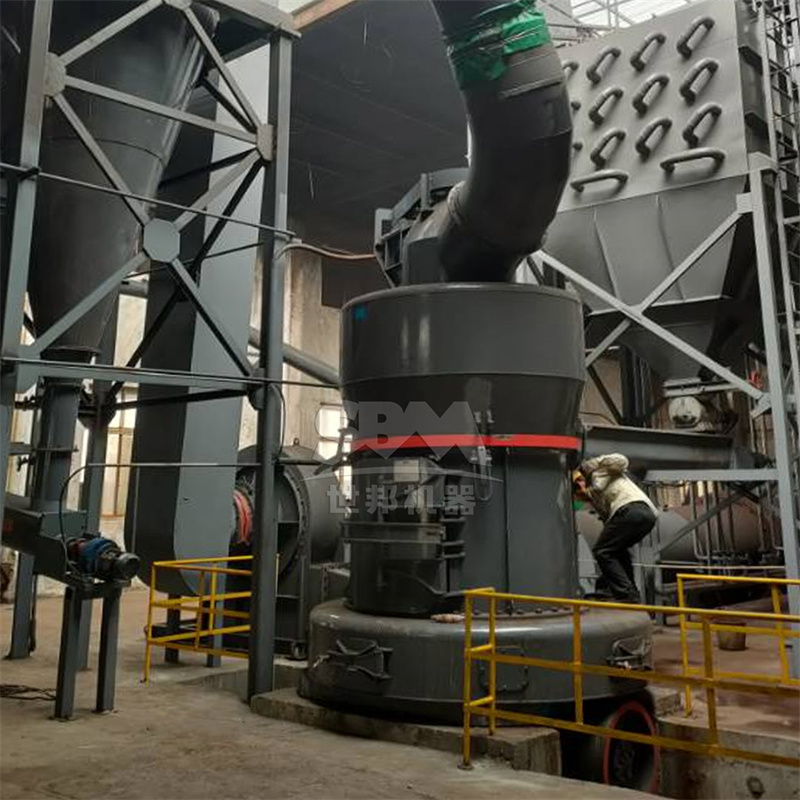
Understanding the Requirements for Chemical-Grade Illite Processing
Chemical-grade illite powder demands stringent specifications that differ substantially from those of industrial-grade or agricultural-grade illite. The processing equipment must deliver:
- High Purity Retention: The grinding process must avoid introducing iron contamination from wear parts. This requires grinding surfaces made from specialized materials or protective liners that minimize metal transfer to the product.
- Precise Particle Size Control: Depending on end-use applications, chemical-grade illite may require fineness ranging from 325 mesh to 2500 mesh. The ability to consistently achieve target particle size distribution without coarse particle contamination is essential.
- Minimal Moisture Introduction: Chemical-grade illite must maintain low moisture content. Grinding systems that generate excessive heat or introduce moisture during processing are unsuitable.
- Contamination-Free Classification: The classification system must efficiently separate fine particles from coarse ones without recirculating impurities or creating product buildup.
- Energy Efficiency: Given the rising costs of energy and the competitive nature of the chemical-grade mineral market, energy consumption per ton of finished product is a critical economic factor.
Key Considerations When Selecting a Grinding Mill
1. Fineness Capability and Particle Size Distribution
The first and most fundamental consideration is whether the mill can achieve the required fineness for chemical-grade illite. While some chemical applications require relatively coarse material (100-200 mesh), high-performance applications such as catalyst carriers, advanced ceramics, and specialty coatings often demand ultrafine powders in the range of 800 to 2500 mesh. The grinding mill must be capable of producing a narrow particle size distribution with minimal oversize particles, as coarse contamination can significantly degrade the performance characteristics of the final product.
2. Contamination Prevention and Material of Construction
Unlike industrial-grade illite processing where minor contamination may be acceptable, chemical-grade applications often require strict control over iron, heavy metal, and other trace element content. Grinding equipment with wear parts made from high-chromium alloys or ceramic materials should be selected to minimize contamination. Additionally, the grinding chamber should be designed to prevent accumulation of material that could lead to cross-contamination between batches.
3. Capacity and Scalability
Production capacity requirements vary significantly depending on the scale of operation. A pilot-scale operation may require only 0.5-2 tons per hour, while a full-scale chemical-grade illite production facility may need 10-25 tons per hour or more. The selected grinding mill should have sufficient capacity headroom to accommodate future expansion without requiring complete system replacement.
4. Energy Efficiency and Operating Costs
Energy consumption represents a substantial portion of total operating costs in mineral processing. Traditional ball mills, while reliable and widely used, consume significantly more energy per ton of finished product compared to modern vertical roller mills and ultrafine grinding mills. For chemical-grade illite production where profit margins can be tight, selecting energy-efficient equipment provide a decisive competitive advantage.
5. Classification Precision
The classification system integrated with the grinding mill plays a crucial role in determining final product quality. Advanced dynamic classifiers with variable speed control allow precise adjustment of the cut point, ensuring that the finished product meets tight particle size specifications. Poorly designed classification systems result in either excessive coarse particles in the finished product or over-grinding of fine particles, both of which reduce overall efficiency.
6. Environmental Compliance and Dust Control
Chemical-grade mineral processing facilities must comply with increasingly stringent environmental regulations. The grinding system should incorporate effective dust collection mechanisms, preferably pulse-jet bag filters or equivalent high-efficiency systems, to capture fine particulate matter. Noise levels should also be controlled through soundproofing or enclosure design, particularly for facilities located near residential or commercial areas.
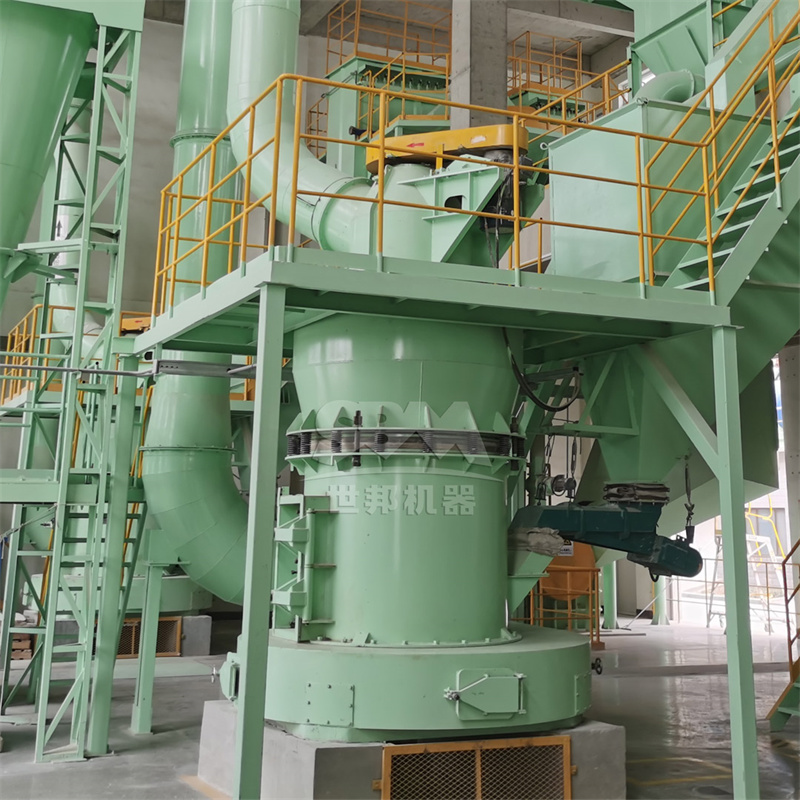
Recommended Equipment for High-Purity Illite Processing
SCM Series Ultrafine Mill: The Ideal Choice for Ultrafine Chemical-Grade Illite
For manufacturers targeting the ultrafine end of the chemical-grade illite market, the SCM Series Ultrafine Mill represents an optimal solution. This equipment is specifically designed to produce powders in the 325-2500 mesh range with exceptional precision and efficiency.
The SCM Series features a vertical turbine classifier that achieves precise particle size cutting, ensuring no coarse powder mixing and uniform finished products. This is particularly important for chemical-grade illite, where consistent particle size distribution directly impacts product performance in applications such as catalyst supports and advanced ceramic formulations. The intelligent control system with automatic finished product granularity feedback allows operators to maintain tight specifications with minimal manual intervention.
In terms of contamination control, the SCM Series is equipped with special material rollers and rings that extend service life several times over compared to conventional wear parts. This not only reduces maintenance costs but also minimizes the risk of iron contamination in the finished product. The shaftless screw grinding chamber ensures stable operation and eliminates potential areas where material could accumulate and degrade over time.
Energy efficiency is another area where the SCM Series excels. Compared to jet mills, the SCM Series offers twice the capacity with 30% lower energy consumption. For a chemical-grade illite production facility processing 5-10 tons per hour, this translates to substantial annual savings in electricity costs. The pulse dust collection system exceeds international standards, ensuring environmental compliance, while the soundproof room design maintains noise levels within acceptable limits.
Available models range from the SCM800 (0.5-4.5 t/h, 75 kW) to the SCM1680 (5.0-25 t/h, 315 kW), providing flexibility for operations of varying scales. The fineness range of 325-2500 mesh covers virtually all chemical-grade illite specifications, making the SCM Series a versatile investment for producers serving multiple market segments.
LUM Ultrafine Vertical Roller Mill: Advanced Technology for Demanding Applications
For operations requiring the highest levels of automation and product consistency, the LUM Ultrafine Vertical Roller Mill offers an advanced alternative. This mill features a unique roller and liner curve design that significantly improves grinding efficiency compared to conventional vertical mills.
The LUM Series incorporates multi-rotor classification technology that ensures no coarse particles escape into the finished product. This is particularly critical for chemical-grade illite destined for high-value applications where even trace amounts of oversize material can cause product failure. The PLC automation system provides stable, reliable operation with minimal operator attention, reducing labor costs and improving consistency.
Environmental performance is a key strength of the LUM Series. The negative pressure operating principle prevents dust leakage, and the fully enclosed system ensures that fine illite particles are contained throughout the processing circuit. Available models include the LUM1525 (1.6-11.5 t/h, 220-250 kW), LUM1632 (2-13.5 t/h, 280-315 kW), and LUM1836 (2.3-15 t/h, 355-400 kW), with output fineness ranging from 5 to 30 micrometers (approximately 325-2500 mesh).
Complementary Equipment for Complete Illite Processing Lines
While the grinding mill is the heart of any illite processing operation, a complete production line requires several complementary pieces of equipment. A hammer mill, such as the PC4008-75 (8-15 t/h, 75 kW) or PC4012-90 (15-40 t/h, 90 kW), is typically used for primary crushing of raw illite ore to a feed size of 0-3mm before grinding. For larger operations, the MTW Series European Trapezium Mill (600-45μm) provides an excellent balance of capacity and fineness control for medium-grade chemical illite products.
Material handling equipment, including bucket elevators, screw conveyors, and pneumatic transport systems, must be selected with contamination prevention in mind. Stainless steel or lined contact surfaces are recommended for chemical-grade applications. Storage silos should be designed with proper venting and dust collection to prevent moisture absorption and contamination during storage.
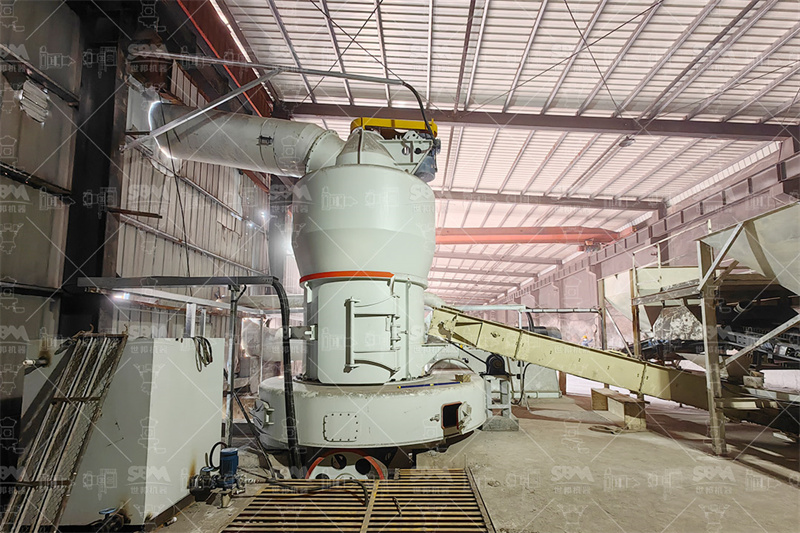
Economic Analysis and Return on Investment
When evaluating grinding mill options for chemical-grade illite production, total cost of ownership should be the primary decision criterion rather than initial purchase price alone. Key factors to consider include:
- Capital Cost: Ultrafine grinding mills represent a higher initial investment than conventional ball mills, but this is often offset by lower operating costs and superior product quality.
- Energy Cost: Over a 10-year operational life, energy costs typically exceed the initial capital investment. Selecting an energy-efficient mill can save millions of dollars over the equipment’s lifetime.
- Maintenance and Wear Parts: Mills with extended wear part life reduce downtime and maintenance labor costs. The SCM Series, for example, offers wear part life several times longer than conventional mills.
- Product Quality Premium: Chemical-grade illite commands a significant price premium over industrial-grade material. Equipment that consistently produces high-purity, precisely classified powder enables producers to capture this premium.
- Environmental Compliance Costs: Equipment with integrated dust collection and noise control reduces the need for additional environmental control investments.
Conclusion
Selecting the right grinding mill for chemical-grade illite processing requires careful consideration of fineness requirements, contamination prevention, capacity needs, energy efficiency, and environmental compliance. The SCM Series Ultrafine Mill and LUM Ultrafine Vertical Roller Mill both represent excellent choices for high-purity illite processing, offering advanced classification technology, superior contamination control, and outstanding energy efficiency. By investing in the right equipment and designing a complete processing line with appropriate complementary machinery, producers can achieve the product quality, operational efficiency, and environmental performance required to succeed in the competitive chemical-grade illite market.
For specific recommendations tailored to your production requirements, contact our technical team to discuss your illite processing needs and receive a customized equipment selection proposal.