
Introduction: The Critical Role of Kaolin in Chemical Applications
Chemical-grade kaolin powder is a versatile industrial mineral with extensive applications in paints, coatings, rubber, plastics, adhesives, pharmaceuticals, and ceramics. Unlike filler-grade kaolin, chemical-grade kaolin demands strict control over particle size distribution, brightness, chemical purity, and surface properties. The grinding mill you select directly determines whether your final product meets these demanding specifications. With so many mill types available—ultrafine mills, trapezium mills, vertical roller mills, ball mills, and hammer mills—choosing the right equipment can be overwhelming. This article provides a systematic framework for selecting the optimal grinding mill for chemical-grade kaolin powder production, with reference to real equipment capabilities that match the unique characteristics of kaolin processing.
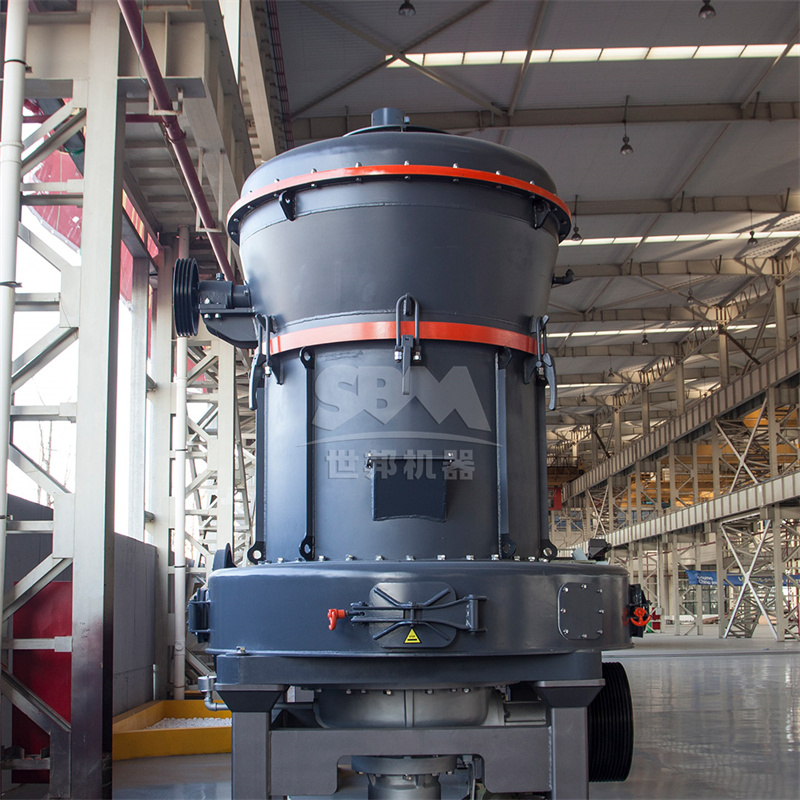
Understanding Chemical-Grade Kaolin Requirements
Before evaluating grinding equipment, you must first define your target product specifications. Chemical-grade kaolin typically requires:
Particle Size Distribution
Chemical-grade kaolin products usually fall within the range of 325 mesh to 2500 mesh (approximately 45μm to 5μm). Applications such as paper coating require finer particles (90% passing 2μm), while rubber and plastic fillers may accept coarser grades. The mill must deliver consistent particle size distribution without coarse particle contamination.
Chemical Purity and Contamination Control
Iron, titanium, and other metallic contaminants can degrade the whiteness and chemical performance of kaolin. The grinding process must minimize wear-induced contamination. Mills with special wear-resistant materials—such as ceramic liners or high-chrome alloy rollers—are preferred. Additionally, the grinding chamber design should prevent metal-to-metal contact that could introduce iron particles.
Moisture and Thermal Sensitivity
Kaolin can be processed dry or wet. Dry processing requires mills capable of handling feed moisture up to 6-8% without clogging. Some advanced mills integrate hot air drying, eliminating the need for separate drying equipment. Thermal sensitivity also matters: excessive heat generated during grinding can alter kaolin’s crystal structure and brightness.
Production Capacity and Scalability
Your project may require 1 ton/h for specialty chemicals or 25 ton/h for large-scale paint filler production. The mill must match your capacity targets while maintaining fineness consistency. Scalability is also important—equipment that works well at pilot scale may not perform at industrial scale.
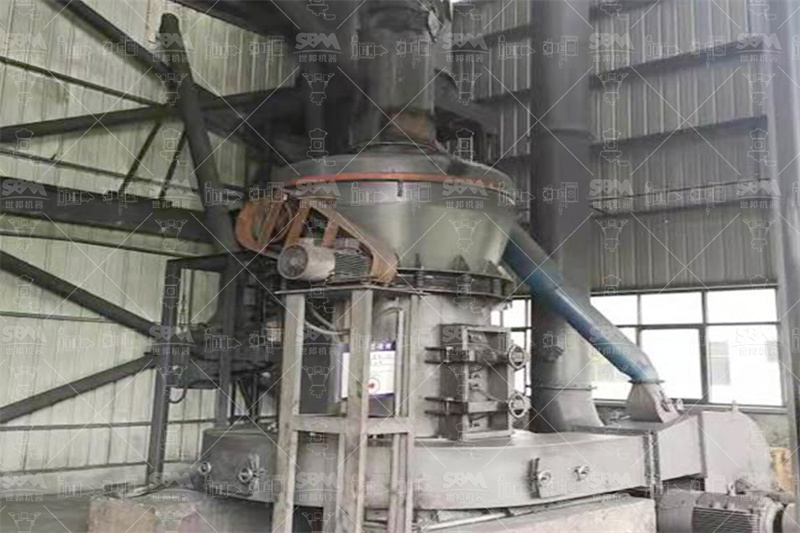
Key Criteria for Selecting a Kaolin Grinding Mill
1. Fineness Capability
The mill must achieve your target fineness without excessive energy consumption. For chemical-grade kaolin, you generally need mills capable of 325-2500 mesh. Ultrafine mills and vertical roller mills are excellent for fine grades, while trapezium mills and ball mills suit coarser products.
2. Capacity and Energy Efficiency
Energy accounts for 30-50% of kaolin grinding operating costs. Mills with high grinding efficiency—such as vertical roller mills and advanced ultrafine mills—can reduce energy consumption by 30-40% compared to traditional ball mills. Capacity must match your production targets without frequent downtime.
3. Contamination Prevention
For chemical-grade kaolin, iron contamination is a critical concern. Mills with minimal metal-to-metal contact, ceramic or polymer liners, and efficient dust collection systems reduce contamination risk. Vertical mills with non-contact roller-table design and ultrafine mills with special alloy rollers are preferred.
4. Product Quality Consistency
Particle size distribution must be consistent batch-to-batch. Mills with high-precision classification systems—such as turbine classifiers or multi-rotor classifiers—ensure no coarse particles mix into the finished product. Intelligent control with feedback on fineness is a major advantage.
5. Maintenance and Wear Life
Kaolin is mildly abrasive. Wear parts should last thousands of hours. Mills with replaceable wear segments, modular roller assemblies, and proven track records in mineral processing are safer choices.
6. Environmental Compliance
Dust emission and noise must meet local regulations. Pulse dust collectors with >99.9% efficiency and soundproof enclosures are essential. Negative pressure operation prevents dust leakage.
Recommended Equipment for Chemical-Grade Kaolin Production
SCM Series Ultrafine Mill: Best for Fine and Ultrafine Kaolin
When your chemical-grade kaolin requires 325-2500 mesh fineness, the SCM Series Ultrafine Mill is a top contender. Its vertical turbine classifier achieves precise particle size cutting, ensuring no coarse powder mixing—critical for chemical-grade products. The mill’s capacity is twice that of jet mills with 30% lower energy consumption, making it economical for both specialty and large-scale production. Available models from SCM800 (0.5-4.5 t/h) to SCM1680 (5-25 t/h) cover a wide capacity range.
Why SCM Series stands out for kaolin:
- High-precision classification for uniform fineness
- Special material rollers and rings extend wear life
- Intelligent control with automatic fineness feedback
- Pulse dust collection exceeds international standards
- Soundproof design for low noise operation
LUM Ultrafine Vertical Roller Mill: Efficient Ultrafine Grinding
For projects requiring 325-2500 mesh with high capacity and low operating cost, the LUM Ultrafine Vertical Roller Mill is another excellent option. Its unique roller and liner curves improve grinding efficiency, while multi-rotor classification ensures no coarse particles. The PLC automation system provides stable operation with minimal manual intervention. Models LUM1525 to LUM1836 offer capacities from 1.6 to 15 t/h.
Advantages for kaolin processing:
- Efficient grinding with optimized roller/liner geometry
- Precise classifying with multi-rotor technology
- Smart PLC control for consistent product quality
- Negative pressure operation for dust-free environment
Alternative Mills for Coarser Chemical-Grade Kaolin
If your product targets 325 mesh or coarser (45-600μm), the MTW Series European Trapezium Mill or MTM Series Medium-speed Trapezium Mill may be more cost-effective. The MTW series offers capacities from 3 to 45 t/h with fineness up to 325 mesh. Its anti-wear shovel design and integral bevel gear drive reduce maintenance and energy costs. The MTM series provides 45-325 mesh with intelligent pressure regulation that compensates for roller wear.
For very large capacity projects (over 50 t/h) producing coarse chemical-grade kaolin, the LM Series Vertical Roller Mill is a strong choice. Its integrated design combines crushing, grinding, and selection, reducing floor space by 50%. Energy consumption is 30-40% lower than ball mill systems.
Ball Mills and Hammer Mills: Niche Applications
Ball mills are suitable for wet or dry grinding with capacities up to 450 t/h, but they are energy-intensive and can introduce iron contamination. They are better suited for coarse grinding or when downstream processing tolerates some contamination. Hammer mills (0-3mm output) serve as pre-crushers before fine grinding, not as final kaolin mills.
Decision Framework: Matching Mill to Project
Use this checklist to guide your selection:
- Target fineness: 325-2500 mesh → SCM or LUM; 45-325 mesh → MTW or MTM
- Capacity: <5 t/h → SCM800/900 or LUM1525; 5-25 t/h → SCM1250/1680 or LUM1836; >25 t/h → LM series or multiple units
- Contamination sensitivity: High → SCM or LUM with special wear parts; Medium → MTW/MTM
- Energy cost priority: High → LUM or LM vertical mills; Medium → SCM or MTW
- Space constraints: Limited → LUM or LM (integrated design); Not limited → SCM or MTW
- Budget: Lower CAPEX → MTM or ball mill; Higher CAPEX but lower OPEX → SCM or LUM
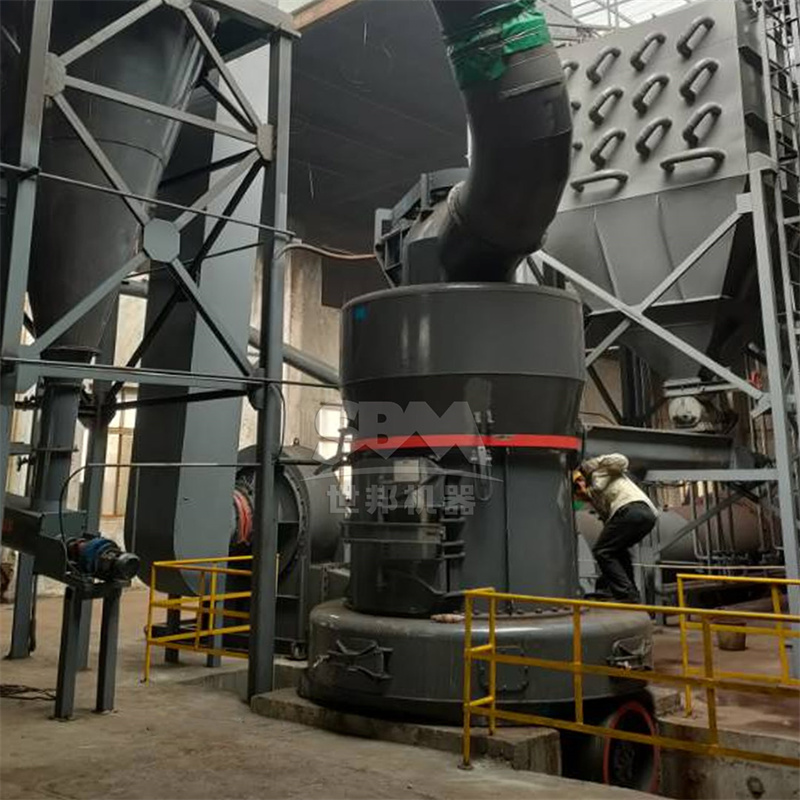
Installation and Operational Considerations
Even the best mill performs poorly if installed incorrectly. Ensure proper foundation, vibration isolation, and dust collection ductwork. For chemical-grade kaolin, dedicate a separate production line to avoid cross-contamination with other minerals. Train operators on fineness control and wear part inspection. Implement a preventive maintenance schedule that includes roller/ring replacement before product quality degrades.
Conclusion: Invest in the Right Mill for Long-Term Success
Choosing a grinding mill for chemical-grade kaolin powder production is a strategic decision that affects product quality, operating cost, and profitability. For fine and ultrafine grades (325-2500 mesh), the SCM Series Ultrafine Mill and LUM Ultrafine Vertical Roller Mill offer the best combination of fineness control, energy efficiency, and contamination prevention. For coarser grades (45-325 mesh), MTW and MTM trapezium mills provide reliable, cost-effective solutions. Always test your kaolin with the candidate mill before full-scale investment. By matching mill capabilities to your specific chemical-grade kaolin requirements, you ensure consistent product quality and a competitive position in the global kaolin market.