
Introduction
Molybdenum ore is a critical industrial mineral used extensively in metallurgy, chemicals, lubricants, and catalysts. When processed to chemical-grade fineness, molybdenum powder must meet strict specifications for particle size distribution, purity, and consistency. Selecting the right grinding mill for your chemical-grade molybdenum ore powder production line is therefore a decision that directly impacts product quality, operational efficiency, and long-term profitability.
With a wide range of mill technologies available—from ultrafine mills to vertical roller mills and traditional ball mills—this article provides a comprehensive guide to matching equipment to your processing requirements. We will examine key selection criteria, compare different mill types, and recommend specific equipment from our proven product portfolio.

Understanding Chemical-Grade Molybdenum Powder Requirements
Chemical-grade molybdenum powder typically requires fineness ranging from 45 microns down to 5 microns or finer, depending on the end application. For catalytic and pigment applications, ultra-fine particles with narrow size distribution are essential. For metallurgical chemical conversions, a more moderate fineness may suffice, but throughput becomes the priority.
Key quality parameters include:
- Particle Size Distribution (PSD): Narrow distribution with minimal coarse contamination
- Purity: Minimal iron contamination from wear parts
- Moisture Content: Controlled during processing
- Throughput Consistency: Stable output for downstream chemical reactions
These requirements dictate that the chosen mill must offer precise classification, wear-resistant grinding elements, and reliable operation.
Key Factors in Mill Selection
1. Target Fineness and Capacity
The first step is to define your required output fineness (typically specified in mesh or microns) and your desired production capacity in tons per hour. Ultrafine grinding below 10 microns demands specialized equipment such as stirred media mills or advanced vertical roller mills with high-precision classifiers.
2. Ore Hardness and Abrasiveness
Molybdenum ore varies in hardness (Mohs 5.5–6.5) and abrasiveness. Harder ores accelerate wear on grinding media and liners. Mills with wear-resistant materials—such as specialized alloy rollers and rings—are essential to minimize downtime and maintain product purity.
3. Energy Efficiency
Grinding is energy-intensive. The difference in power consumption between mill types can be 30–50%. Vertical roller mills and advanced trapezium mills generally consume less energy per ton than traditional ball mills, especially at finer grinds.
4. Classification Precision
For chemical-grade powder, preventing coarse particle contamination is critical. A high-efficiency dynamic classifier that can cut at precise micron sizes ensures consistent product quality.
5. Environmental and Safety Compliance
Dust emissions, noise levels, and worker safety are regulated in most jurisdictions. Mills equipped with pulse dust collection, negative pressure operation, and soundproofing are preferred.
6. Maintenance and Wear Parts Life
Frequent replacement of grinding elements increases operating costs and reduces uptime. Choose mills with long-life wear parts and easy maintenance access.
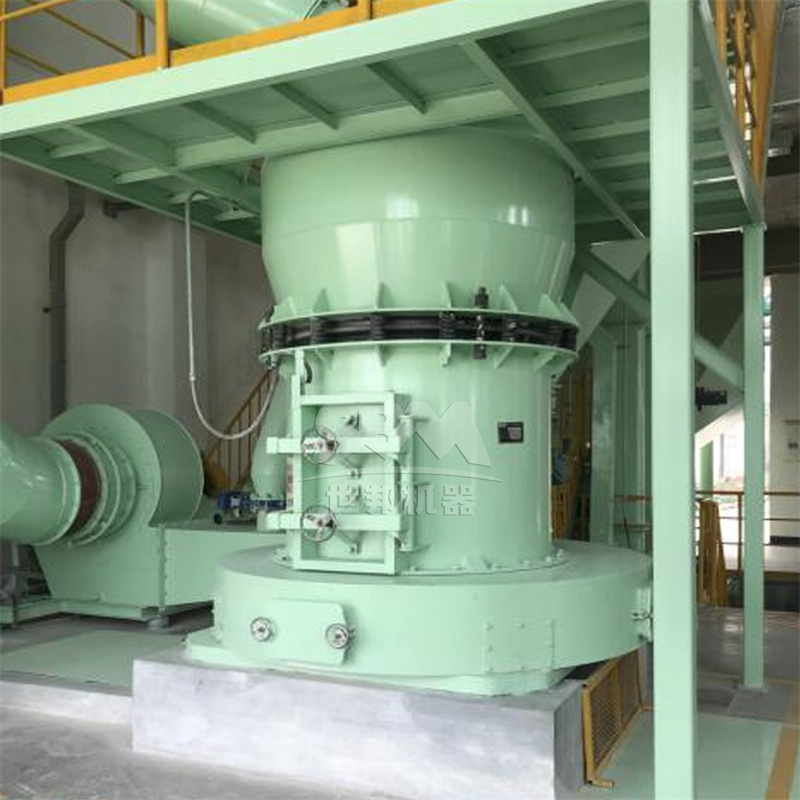
Comparing Mill Technologies for Molybdenum Ore
Ball Mills
Ball mills are robust and can handle high capacities (up to 450 t/h), but they are energy-intensive and less precise for ultrafine grinding. They are better suited for coarse grinding or pre-grinding stages.
Raymond Mills (Pendulum Mills)
These mills offer moderate fineness (up to 325 mesh) and good capacity. They are reliable but may struggle with the finest chemical-grade specifications.
Vertical Roller Mills (VRM)
VRMs are highly efficient for dry grinding and can achieve fineness down to 600 mesh in special models. They feature integrated drying, grinding, and classification, reducing footprint and energy consumption.
Ultrafine Mills
For the finest chemical-grade molybdenum powder (down to 5 μm), ultrafine mills such as the SCM Series or LUM Series are ideal. They combine high-precision classification with efficient grinding.
Recommended Equipment from Our Portfolio
SCM Series Ultrafine Mill – For Ultimate Fineness
The SCM Series Ultrafine Mill is specifically engineered for producing chemical-grade powders in the 325–2500 mesh (45–5 μm) range. It is a perfect fit for molybdenum ore processing when ultra-fine product is required.
Key advantages for molybdenum powder:
- High-precision vertical turbine classifier ensures no coarse powder mixing, delivering uniform product.
- Capacity is twice that of jet mills with 30% lower energy consumption.
- Special material rollers and rings extend service life, reducing iron contamination.
- Pulse dust collection exceeds international standards, ensuring environmental compliance.
Models range from SCM800 (0.5–4.5 t/h) to SCM1680 (5–25 t/h), allowing scalability for different plant sizes.
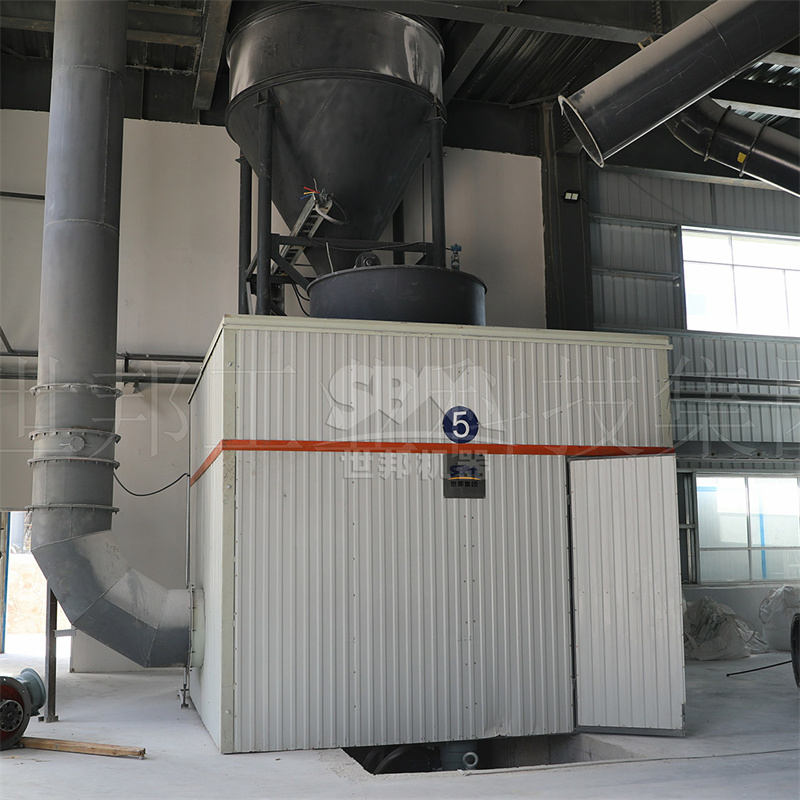
MTW Series European Trapezium Mill – For Versatile Capacity
If your processing line requires a balance between capacity (up to 45 t/h) and fineness (down to 325 mesh), the MTW Series is an excellent choice. It is widely used in mineral processing and chemical industries.
Key advantages for molybdenum ore:
- Anti-wear shovel design and curved grinding rollers reduce maintenance costs.
- Integral bevel gear drive achieves 98% transmission efficiency, saving energy.
- Optimized arc air duct reduces airflow energy loss and improves classification efficiency.
- Wear-resistant volute structure reduces maintenance by 30%.
With models like MTW110Z to MTW215G, you can match capacity to your production targets while maintaining consistent fineness.
Integrating the Mill into Your Production Line
A complete chemical-grade molybdenum ore powder production line includes more than just the mill. You will need:
- Crushing Equipment: Jaw crusher or hammer mill to reduce ore to feed size (typically ≤20–50 mm).
- Feeding System: Vibratory or belt feeder for controlled feed rate.
- Grinding Mill: As selected above.
- Classification System: Often integrated into the mill, but may include external air classifiers.
- Dust Collection: Pulse jet bag filter or cyclone collectors.
- Conveying and Storage: Screw conveyors, pneumatic conveying, and silos.
Our engineers can assist in designing a complete system tailored to your ore characteristics and site conditions.
Case Study: Molybdenum Powder Plant in Asia
A recent project involved processing molybdenum ore to 800 mesh (18 μm) for chemical applications. The plant required 6 t/h capacity and strict control of iron contamination. We supplied an SCM900 ultrafine mill with a modified wear-resistant liner and a high-efficiency pulse dust collector. The system achieved the target fineness with less than 0.05% iron pickup and passed environmental compliance tests. Energy consumption was 35% lower than the client’s previous ball mill setup.
Conclusion
Choosing the right mill for chemical-grade molybdenum ore powder production hinges on your specific fineness target, capacity needs, and operational budget. For ultrafine applications, the SCM Series Ultrafine Mill offers unmatched precision and efficiency. For versatile mid-range capacity, the MTW Series European Trapezium Mill delivers reliable performance and low maintenance.
We invite you to consult our technical team to evaluate your ore and recommend the optimal configuration for your production line. With the right equipment, you can achieve consistent, high-purity molybdenum powder that meets the most demanding chemical specifications.
For more information on our mills and complete processing solutions, please contact us today.