
Introduction: The Critical Role of Grinding in High-Purity Quartz Processing
High-purity quartz powder, often referred to as chemical-grade quartz powder, is an indispensable raw material in some of the world’s most demanding industries. From semiconductor encapsulants and photovoltaic cells to optical fibers, precision optics, and advanced electronic components, the performance of the final product depends heavily on the chemical purity and particle size distribution of the quartz powder used. Unlike ordinary quartz sand, chemical-grade quartz requires stringent control over contaminants such as iron, aluminum, and alkali metals, while also demanding a narrow and precisely defined particle size distribution.
The grinding stage is arguably the most influential step in determining whether the final quartz powder meets these exacting standards. Improper mill selection can introduce contamination through wear parts, generate excessive ultrafine particles, distort the particle size curve, or simply fail to achieve the required fineness at an economically viable throughput. Consequently, choosing the right grinding mill for high-purity quartz processing is a decision that directly affects product quality, operational cost, and long-term competitiveness.
This article examines the key technical and economic factors that should guide the selection of grinding equipment for chemical-grade quartz powder production, and introduces proven milling solutions designed specifically to meet the challenges of high-purity, high-fineness quartz processing.
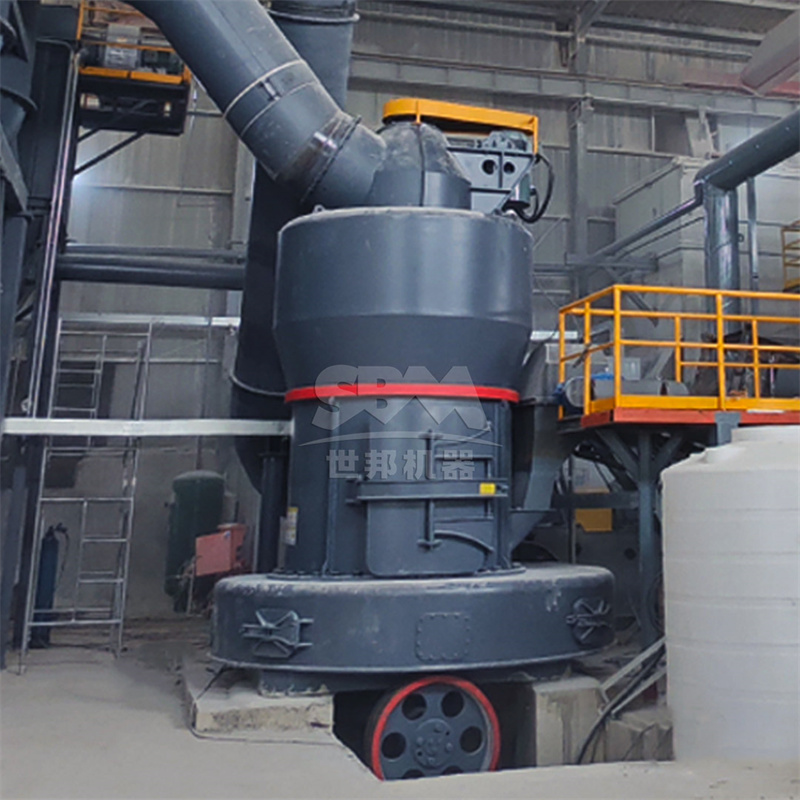
Key Characteristics of Chemical-Grade Quartz Powder
Before evaluating grinding equipment, it is essential to understand what makes chemical-grade quartz powder different from conventional quartz products.
Purity Requirements
Chemical-grade quartz typically requires SiO₂ content above 99.5%, and in many advanced applications, exceeding 99.9%. Even trace amounts of iron, titanium, or other metallic impurities can degrade optical clarity, electrical insulation properties, or semiconductor performance. This means that any grinding equipment must minimize contamination from wear parts such as rollers, rings, liners, and grinding media.
Particle Size Distribution
Unlike construction-grade quartz sand, chemical-grade quartz powder is often specified in the range of 325 to 2500 mesh (approximately 45 μm down to 5 μm). In many cases, the customer requires not only a maximum particle size but also a controlled distribution curve, with minimal coarse particles and tightly regulated fines. This places significant demands on the classification system integrated with the mill.
Moisture and Surface Characteristics
High-purity quartz powder must often remain dry and free-flowing. Grinding systems that generate excessive heat or rely on water-based processes may require additional drying or surface treatment steps, increasing both cost and the risk of re-contamination.
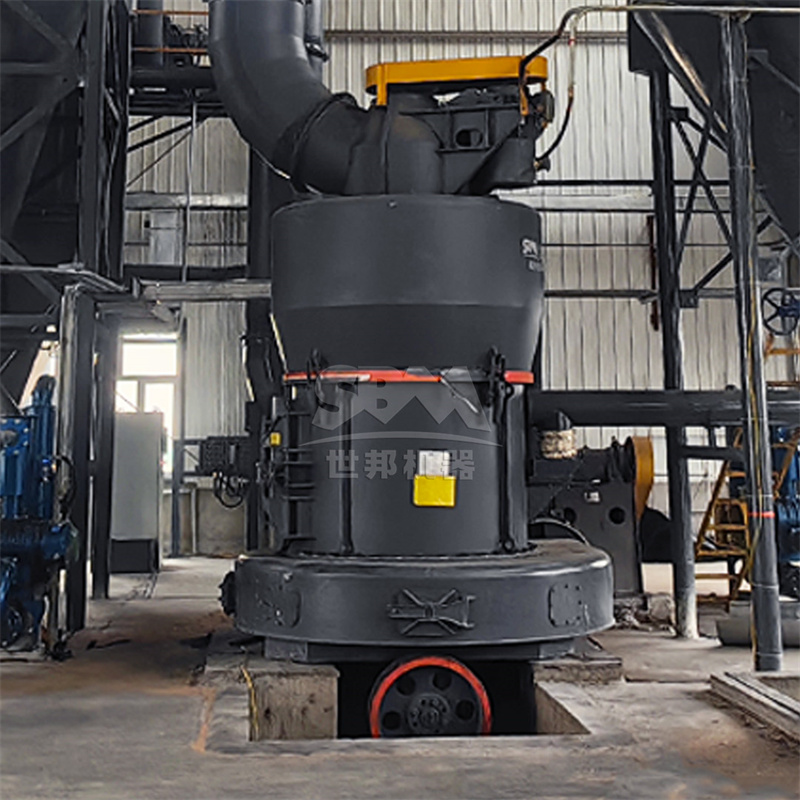
Factors to Consider When Choosing a Grinding Mill
1. Achievable Fineness and Classification Precision
The first and most obvious requirement is that the mill must be capable of reaching the target fineness. For chemical-grade quartz, this usually means at least 325 mesh, and frequently 1250 mesh or finer. However, fineness alone is not sufficient. The mill must be paired with a high-precision classifier that can cut the particle size sharply without allowing coarse particles to bypass into the finished product.
Mechanical mills that rely solely on screening or simple air separation often struggle to maintain a consistent top size. In contrast, mills equipped with dynamic or turbine-type classifiers can achieve precise particle size control, ensuring that the finished quartz powder meets both the upper and lower limits of the specification.
2. Contamination Control and Wear Part Material
Because chemical-grade quartz is highly sensitive to metallic contamination, the materials used in the grinding chamber, rollers, rings, and liners must be carefully selected. Standard carbon steel or low-grade alloys will wear rapidly and introduce iron into the product. Mills designed for high-purity applications typically use wear-resistant materials such as special alloys, ceramic liners, or polymer composites that minimize metal transfer.
In addition, the grinding principle itself matters. Impact-based mills that rely on steel balls or hammers tend to generate more wear and contamination, whereas attrition-based or roller-based mills with controlled pressure can reduce wear rates and extend service life.
3. Energy Efficiency and Throughput
Chemical-grade quartz powder production is often a continuous, large-scale operation. Energy consumption can account for a significant portion of operating costs, particularly when grinding to ultrafine sizes. Traditional ball mills, while robust and widely used, are notoriously energy-intensive when targeting fineness below 45 μm. Jet mills can achieve very fine grinding but typically have low capacity and high energy consumption per ton of product.
Modern high-efficiency mills, such as vertical roller mills and ultrafine roller mills, offer a better balance between fineness, capacity, and energy consumption. They use the principle of bed grinding, where material is crushed between rollers and a rotating table or ring, reducing energy loss and improving grinding efficiency.
4. System Integration and Dust Collection
A grinding mill is rarely used in isolation. It is part of a system that includes feeding, classification, dust collection, and product collection. For high-purity quartz, the entire system must be designed to prevent cross-contamination and dust leakage. Pulse-jet dust collectors with high filtration efficiency are essential, not only for environmental compliance but also for product recovery and purity assurance.
Negative-pressure operation is another important feature. By maintaining the grinding and classification circuit under negative pressure, the system prevents dust from escaping into the workshop and reduces the risk of external contamination entering the product stream.
5. Maintenance and Service Life
Grinding quartz is an abrasive process. Wear parts such as rollers, rings, and liners will inevitably wear over time. The key is to choose a mill design that minimizes wear, allows quick replacement of worn components, and maintains consistent product quality throughout the wear cycle. Mills with modular or quick-change roller assemblies can significantly reduce downtime and maintenance costs.
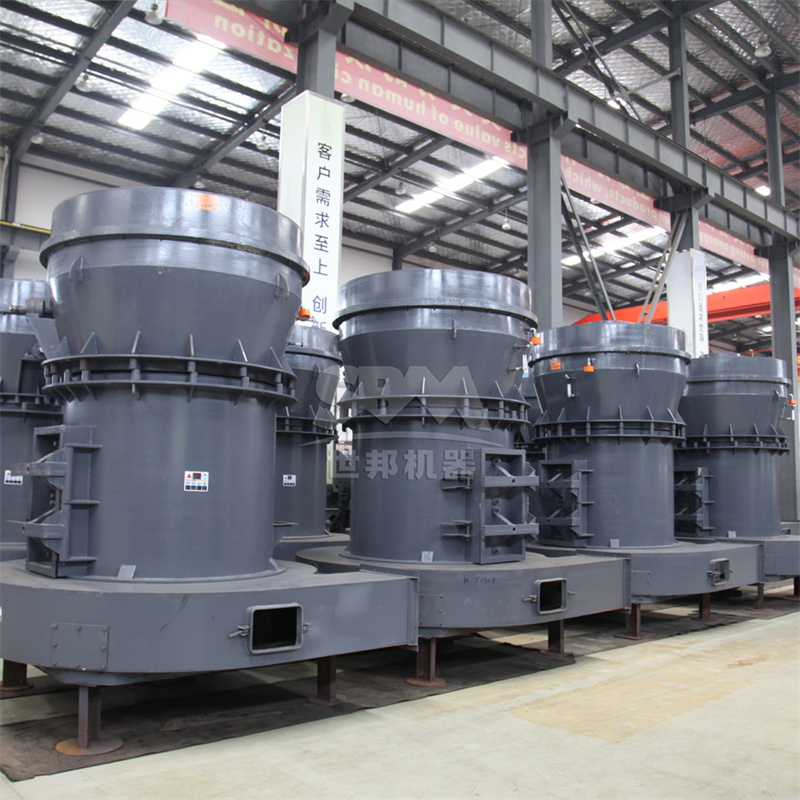
Recommended Equipment for High-Purity Quartz Processing
SCM Series Ultrafine Mill: Precision Grinding for 45–5 μm Quartz Powder
For chemical-grade quartz powder producers targeting the finest particle sizes, the SCM Series Ultrafine Mill is an excellent choice. This mill is designed to produce powder in the range of 325 to 2500 mesh, with a capacity of 0.5 to 25 tons per hour depending on the model.
The SCM Series uses a vertical turbine classifier that achieves precise particle size cutting, ensuring that no coarse powder mixes into the finished product. This is particularly important for chemical-grade quartz, where a single oversized particle can cause defects in downstream applications. The mill’s intelligent control system provides automatic feedback on finished product granularity, allowing operators to maintain consistent quality with minimal manual intervention.
Energy efficiency is another standout feature. The SCM Series offers twice the capacity of jet mills while consuming approximately 30% less energy. This translates into lower operating costs and a smaller carbon footprint, both of which are increasingly important in competitive markets.
Durability is also addressed through the use of special material rollers and rings, which extend service life several times over compared to standard components. The shaftless screw grinding chamber ensures stable operation and reduces the risk of mechanical failure. For dust control, the SCM Series is equipped with a pulse dust collection system that exceeds international standards, and the soundproof room design keeps noise levels low.
Available models include the SCM800, SCM900, SCM1000, SCM1250, and SCM1680, with main power ranging from 75 kW to 315 kW. This range allows producers to select a model that matches their desired capacity and fineness targets.
LUM Ultrafine Vertical Roller Mill: Efficient and Clean Ultrafine Grinding
For operations that require a combination of high capacity and ultrafine grinding, the LUM Ultrafine Vertical Roller Mill is another strong candidate. Like the SCM Series, the LUM mill targets the 325–2500 mesh range, but it uses a vertical roller design that is particularly well-suited to large-scale production.
The LUM mill features a unique roller and liner curve that improves grinding efficiency and reduces specific energy consumption. Its multi-rotor classifier technology ensures precise classification with no coarse particles, making it suitable for the most demanding chemical-grade quartz specifications. The PLC-based automation system provides stable operation and allows for remote monitoring and adjustment.
Environmental performance is a key advantage. The LUM mill operates under negative pressure, preventing dust leakage and maintaining a clean working environment. This is especially important when processing high-purity quartz, where any external contamination can compromise product quality.
Available models include the LUM1525, LUM1632, and LUM1836, with main power from 220 kW to 400 kW and capacities from 1.6 to 15 tons per hour. The fineness range is typically 5–30 μm, which covers a wide spectrum of chemical-grade quartz requirements.
MTW Series European Trapezium Mill: Versatile Grinding for 600–45 μm Applications
Not all chemical-grade quartz applications require ultrafine grinding. Some products, such as certain types of fused quartz or specialty glass raw materials, are specified in the 600–45 μm range. For these applications, the MTW Series European Trapezium Mill offers a versatile and cost-effective solution.
The MTW Series is available in models from MTW110 to MTW215G, with capacities from 3 to 45 tons per hour and fineness from 30 to 325 mesh. Its anti-wear shovel design and curved grinding rollers reduce maintenance costs and extend service life. The optimized arc air duct reduces airflow energy loss, while the integral bevel gear drive achieves transmission efficiency up to 98%.
For quartz processing, the MTW Series can be configured with wear-resistant materials to minimize contamination. Its wear-resistant volute structure and non-resistance flow design improve air selection efficiency and reduce maintenance costs by up to 30%.
Comparative Selection Guide
To simplify the selection process, the following table summarizes the key differences between the recommended mills for chemical-grade quartz processing.
| Mill Type | Fineness Range | Capacity Range | Best For |
|---|---|---|---|
| SCM Series Ultrafine Mill | 325–2500 mesh (45–5 μm) | 0.5–25 t/h | Ultrafine chemical-grade quartz, precise classification |
| LUM Ultrafine Vertical Roller Mill | 325–2500 mesh (45–5 μm) | 1.6–15 t/h | Large-scale ultrafine grinding, low energy consumption |
| MTW Series European Trapezium Mill | 30–325 mesh (600–45 μm) | 3–45 t/h | Medium-fine quartz powder, high capacity |
Conclusion: Matching Mill Technology to Product Requirements
Choosing the right grinding mill for chemical-grade quartz powder production is not simply a matter of comparing prices or nominal capacities. It requires a careful assessment of the target fineness, particle size distribution, purity requirements, production scale, and operating cost structure. The mill must be capable of delivering consistent product quality while minimizing contamination, energy consumption, and maintenance downtime.
For ultrafine chemical-grade quartz in the 45–5 μm range, the SCM Series Ultrafine Mill and LUM Ultrafine Vertical Roller Mill offer precise classification, high energy efficiency, and robust contamination control. For medium-fine applications in the 600–45 μm range, the MTW Series European Trapezium Mill provides a versatile and cost-effective solution with high capacity and low maintenance requirements.
Ultimately, the best choice depends on a detailed technical and economic evaluation of each specific project. Producers should work closely with equipment suppliers who understand the unique challenges of high-purity quartz processing and can provide not only the mill but also the complete system design, including feeding, classification, dust collection, and product handling. By selecting the right grinding technology, chemical-grade quartz producers can achieve the purity, fineness, and consistency that their customers demand, while maintaining a competitive cost structure in an increasingly global market.