
Introduction
The production of chemical-grade titanium powder is a demanding process that requires precise control over particle size, purity, and contamination. Titanium and its alloys are widely used in aerospace, medical implants, chemical processing, and additive manufacturing, where even trace impurities can compromise performance. As a result, selecting the right milling system is critical. This article explores the key considerations for choosing a milling system for high-purity titanium powder and highlights how our advanced equipment can meet these challenges.
Key Requirements for Titanium Powder Milling
Titanium is a reactive metal, and its powder is prone to oxidation, contamination, and even combustion if not handled properly. The ideal milling system must therefore address the following:
- Contamination Control: The milling environment must be inert or under vacuum to prevent oxygen and nitrogen pickup. Wear-resistant materials in the grinding chamber are essential to avoid iron or other metal contamination.
- Particle Size Distribution: For chemical-grade titanium powder, fineness typically ranges from 45 μm down to sub-micron levels. A sharp cut point and narrow particle size distribution are crucial for consistent quality.
- Energy Efficiency: Titanium is difficult to grind; traditional ball mills consume excessive energy and generate heat that can degrade the powder. Advanced mills with high efficiency are preferred.
- Safety: Titanium dust is combustible. Equipment must be designed with explosion-proof features, proper grounding, and dust collection systems that meet ATEX or NFPA standards.
- Scalability: From laboratory trials to full-scale production, the milling system should offer models that can scale up without compromising product consistency.
Types of Milling Systems for Titanium Powder
Several milling technologies are used for titanium powder production, each with distinct advantages and limitations:
1. Ball Mills
Ball mills are traditional workhorses but are generally not ideal for high-purity titanium due to high wear rates, contamination from grinding media, and broad particle size distribution. However, they can be used for coarse grinding or pre-grinding. Our Ball Mill series offers capacities from 0.65 to 450 t/h, with fineness down to 0.074 mm. While effective, they are best suited for less demanding applications.
2. Jet Mills
Jet mills use compressed gas to accelerate particles for impact grinding. They are excellent for contamination-free milling, but their energy consumption is high and capacity is limited. They are often used for ultrafine grinding but can be cost-prohibitive for large-scale production.
3. Vertical Roller Mills
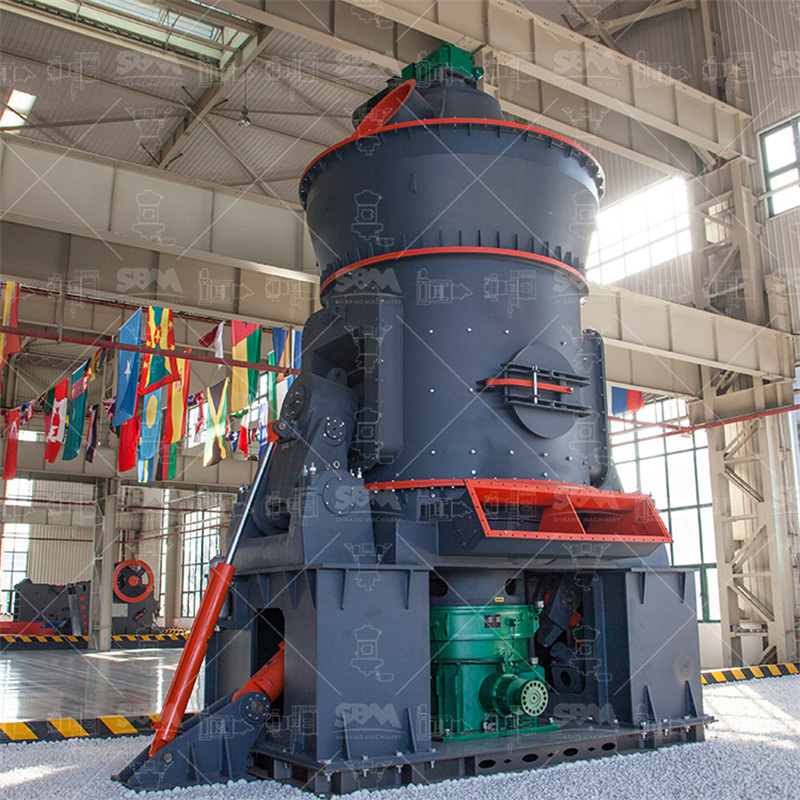
Vertical roller mills (VRMs) are increasingly popular for titanium powder because they combine grinding, drying, and classification in one unit. They offer high capacity, low energy consumption, and precise particle size control. Our LM Series Vertical Roller Mill is a prime example, with capacities up to 250 t/h and fineness up to 600 mesh. Its integrated design reduces floor space by 50% and energy consumption by 30-40% compared to ball mills. The non-contact grinding principle minimizes wear and contamination, making it suitable for high-purity titanium.
4. Ultrafine Mills
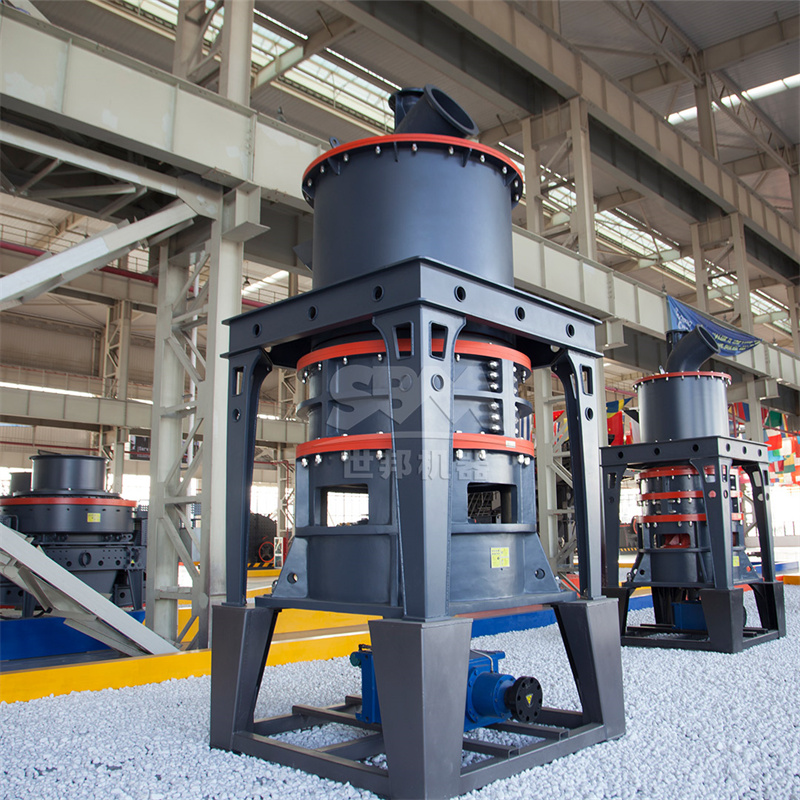
For chemical-grade titanium powder requiring fineness below 45 μm, ultrafine mills such as the SCM Series Ultrafine Mill are ideal. This mill achieves fineness from 325 to 2500 mesh with a capacity of 0.5-25 t/h. Its high-precision classifier ensures no coarse powder mixing, and the durable roller and ring design extends service life. The SCM series is also eco-friendly, with pulse dust collection and noise reduction features.
5. Pendulum Mills
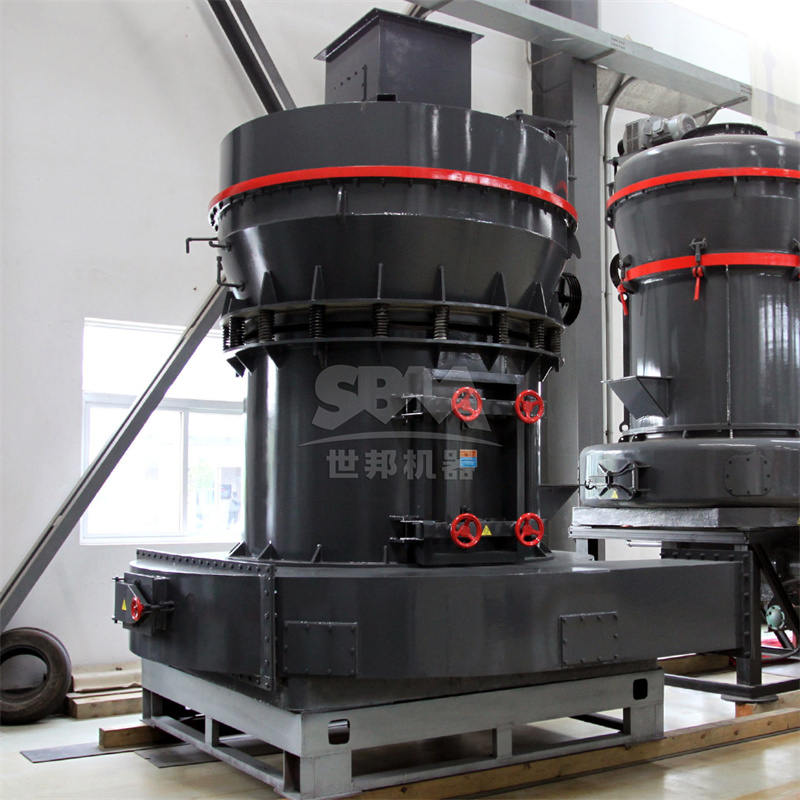
Pendulum mills like our MTM Series Medium-speed Trapezium Mill and MRN Pendulum Mill are robust and versatile, capable of grinding titanium to 45-325 mesh. The MTM series features intelligent pressure regulation and damping systems, reducing noise and extending wear life. The MRN series boasts thin oil lubrication and an efficient collector, making it a low-maintenance option.
How to Choose the Right Milling System
When selecting a milling system for chemical-grade titanium powder, consider the following factors:
- Target Fineness: Determine the required particle size. For coarse grades (45-100 μm), a pendulum mill or VRM may suffice. For ultrafine grades (<45 μm), an ultrafine mill or jet mill is necessary.
- Capacity: Match the mill capacity to your production scale. Our LM series can handle up to 250 t/h, while the SCM series is suitable for smaller capacities (0.5-25 t/h).
- Contamination Sensitivity: For high-purity applications, choose a mill with minimal wear parts and inert gas capability. The LUM Ultrafine Vertical Roller Mill offers multi-rotor classification and negative pressure operation, ensuring no dust leakage.
- Energy Consumption: VRMs and ultrafine mills are more energy-efficient than ball mills. The SCM series consumes 30% less energy than jet mills.
- Safety Features: Ensure the system includes explosion-proof motors, grounding, and dust collection that meets safety standards.
- Maintenance and Uptime: Mills with easy maintenance features, such as the MTM series with its damping springs and the MRN series with thin oil lubrication, reduce downtime.
Recommended Equipment from Our Portfolio
Based on the stringent requirements for chemical-grade titanium powder, we recommend two of our leading products:
SCM Series Ultrafine Mill
The SCM Series Ultrafine Mill is specifically designed for ultrafine grinding of titanium powder. With a fineness range of 325-2500 mesh and capacity up to 25 t/h, it delivers high efficiency and energy savings. Its vertical turbine classifier ensures precise particle size cutting, and the shaftless screw grinding chamber provides stable operation. The pulse dust collection system exceeds international standards, and the soundproof design keeps noise levels low. This mill is ideal for producing high-purity titanium powder for chemical and additive manufacturing applications.
LM Series Vertical Roller Mill
For large-scale production, the LM Series Vertical Roller Mill offers unmatched efficiency and reliability. It integrates crushing, grinding, and classification, reducing floor space by 50%. With capacities up to 250 t/h and fineness up to 600 mesh, it can handle various titanium grades. The non-contact grinding principle minimizes wear and contamination, while the intelligent control system ensures stable operation. The LM series is also environmentally compliant, with fully sealed negative pressure operation and low noise.
Case Study: Titanium Powder Production with SCM and LM Mills
A recent installation at a chemical-grade titanium powder plant utilized both SCM and LM mills. The LM mill was used for pre-grinding titanium sponge to 200 mesh, followed by the SCM mill for ultrafine grinding to 1000 mesh. The combined system achieved a capacity of 10 t/h with a particle size distribution of D50=5 μm. The customer reported a 40% reduction in energy costs compared to their previous ball mill system, and the product met ASTM B299 standards for purity.
Conclusion
Choosing the right milling system for chemical-grade titanium powder is a balance of fineness, capacity, purity, and cost. Our SCM Series Ultrafine Mill and LM Series Vertical Roller Mill are engineered to meet these demands, offering high efficiency, precise classification, and contamination-free operation. By understanding your specific requirements and leveraging our advanced technology, you can achieve consistent, high-purity titanium powder production. Contact our experts today to discuss your project and find the optimal solution.