
Introduction to Calcined Petroleum Coke Processing
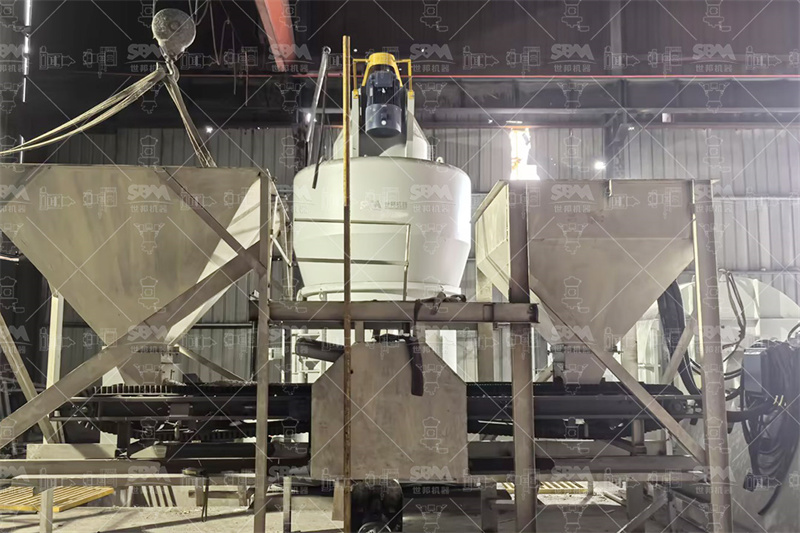
Calcined petroleum coke (CPC) is a critical raw material in the production of anodes for the aluminum industry, as well as in the manufacturing of graphite electrodes, carbon raisers, and various chemical products. The calcination process removes volatile hydrocarbons and moisture from green coke, resulting in a dense, electrically conductive material with high carbon content. However, to unlock the full potential of CPC in downstream applications, efficient milling and grinding are essential. This guide explores the chemical processing equipment required for calcined petroleum coke, focusing on advanced milling solutions that deliver precise particle size distribution, high capacity, and energy efficiency.
Why Particle Size Matters in CPC Processing
The performance of CPC in applications such as anode production, carbon additives, and chemical reagents depends heavily on its particle size and shape. For anode manufacturing, a controlled particle size distribution ensures proper baking density and electrical conductivity. In the chemical industry, ultrafine CPC powders are used as fillers, conductive additives, and precursors for synthetic graphite. Therefore, selecting the right milling equipment is not just about reducing size—it is about achieving consistent fineness, minimizing contamination, and maximizing yield.
Key Milling Technologies for Calcined Petroleum Coke
Several types of grinding mills are suitable for CPC, each with distinct advantages depending on the required fineness, capacity, and budget. The most common technologies include ultrafine mills, trapezium mills, vertical roller mills, ball mills, and hammer mills. Among these, ultrafine mills and vertical roller mills are particularly effective for producing fine and ultrafine CPC powders with high efficiency.
SCM Series Ultrafine Mill: Precision Grinding for CPC
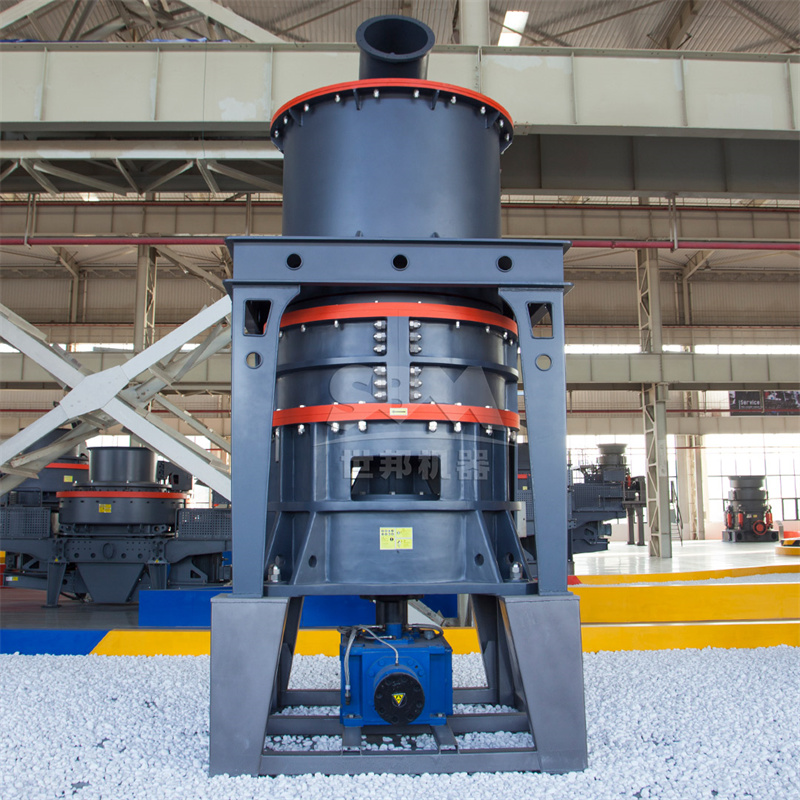
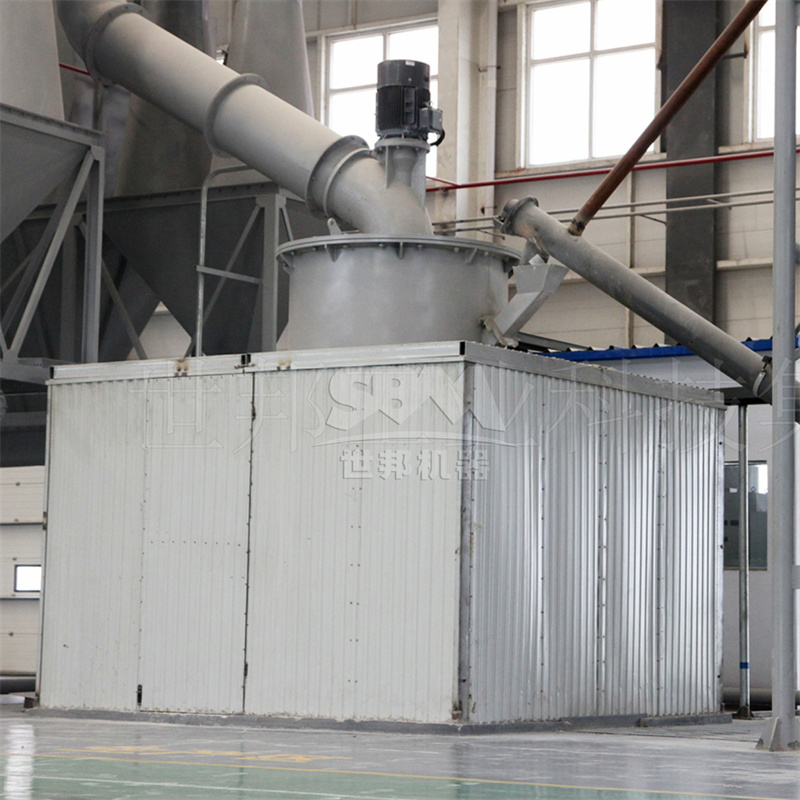
The SCM Series Ultrafine Mill is an excellent choice for processing calcined petroleum coke into fine powders ranging from 325 to 2500 mesh (45 to 5 microns). With a capacity of 0.5 to 25 tons per hour, this mill is designed for high-efficiency and energy-saving operation. Its vertical turbine classifier ensures precise particle size cutting, preventing coarse powder mixing and guaranteeing uniform finished products. The special material rollers and rings extend service life, while the shaftless screw grinding chamber ensures stable operation. Additionally, the pulse dust collection system exceeds international standards for dust removal, and the soundproof room design keeps noise levels low. For CPC processors seeking ultrafine grinding with minimal maintenance, the SCM Series is a top recommendation.
MTW Series European Trapezium Mill: Versatile and Durable
For medium to fine grinding of CPC (30 to 325 mesh), the MTW Series European Trapezium Mill offers a robust solution. Its anti-wear shovel design reduces maintenance costs, while the optimized arc air duct lowers airflow energy loss. The integral bevel gear drive achieves transmission efficiency up to 98%, and the wear-resistant volute structure improves air selection efficiency. With capacities from 3 to 45 tons per hour, the MTW Series is ideal for continuous production lines. Models such as the MTW175G and MTW215G are particularly suitable for CPC processing, delivering consistent fineness and high throughput.
LM Series Vertical Roller Mill: Large-Scale Grinding
When high capacity is a priority, the LM Series Vertical Roller Mill stands out. It integrates crushing, grinding, and classification into one system, reducing floor space by 50% and allowing outdoor installation. Energy consumption is 30-40% lower than ball mill systems, and wear part life is increased by three times due to the non-contact design between rollers and table. The intelligent control system enables remote monitoring and real-time parameter adjustment. For CPC processing, models like the LM170K and LM190K offer capacities of 18-48 t/h and 23-68 t/h respectively, with fineness adjustable from 170 to 45 microns.
Ball Mill: Traditional but Reliable
Ball mills remain a reliable option for CPC grinding, especially for coarse to medium fineness (0.074-0.8 mm). With capacities up to 450 t/h, they are suitable for large-scale operations. However, ball mills are generally less energy-efficient than vertical roller mills and may require more maintenance. They are best suited for applications where a wide particle size distribution is acceptable.
Hammer Mill: Primary Crushing Solution
For initial size reduction of CPC from 40 mm down to 3 mm, the Hammer Mill is an economical and efficient choice. Its high manganese steel liners and optimized crushing cavity ensure long life and stable operation. Models such as the PC4015-132 can handle up to 70 t/h, making it a perfect pre-grinding step before fine milling.
Selecting the Right Equipment for Your CPC Application
The choice of milling equipment depends on several factors: required fineness, capacity, energy costs, and available space. For ultrafine CPC powders (below 45 microns), the SCM Series Ultrafine Mill or LUM Ultrafine Vertical Roller Mill are ideal. For medium fineness (45-325 mesh), the MTW Series or LM Series offer excellent performance. For coarse grinding or pre-grinding, hammer mills and ball mills are suitable. It is often beneficial to combine different mills in a circuit—for example, a hammer mill for primary crushing followed by an SCM ultrafine mill for final grinding.
Conclusion
Calcined petroleum coke is a vital material in many industries, and its processing requires reliable, efficient milling equipment. The SCM Series Ultrafine Mill and MTW Series European Trapezium Mill represent state-of-the-art solutions for CPC grinding, offering high capacity, precise classification, and low operating costs. By selecting the appropriate technology and configuration, processors can achieve optimal particle size distribution, reduce energy consumption, and enhance product quality. For more information on these products and customized solutions, please contact our technical team.