
Introduction
In the cement manufacturing industry, clinker grinding is one of the most energy-intensive and critical stages of the production process. The quality of the finished cement—its fineness, particle size distribution, and strength development—depends heavily on the performance of the grinding mill. As global demand for cement continues to rise alongside increasingly stringent environmental regulations, selecting the right clinker processing equipment has become a strategic decision that directly impacts operational costs, product quality, and sustainability.
This article provides a comprehensive guide to choosing the right grinding mill for your cement plant, covering the key factors to consider, an overview of available mill technologies, and specific product recommendations that can optimize your clinker processing line.
Key Factors in Selecting a Clinker Grinding Mill
1. Production Capacity and Scalability
Before evaluating mill technologies, cement plant operators must clearly define their required production capacity. Clinker grinding mills range from small units producing a few tons per hour to large-scale systems capable of processing hundreds of tons per hour. The selected mill should not only meet current production targets but also offer flexibility for future expansion. Overestimating capacity can lead to unnecessary capital expenditure, while underestimating it may constrain growth and lead to frequent operational bottlenecks.
2. Fineness Requirements and Particle Size Distribution
Cement fineness directly influences its reactivity, setting time, and compressive strength. Different cement types (e.g., OPC, PPC, slag cement) require varying degrees of fineness, typically measured in Blaine specific surface area (cm²/g) or mesh size. The grinding mill must be capable of achieving the target fineness consistently while maintaining a narrow particle size distribution. Mills with high-precision classifiers are generally preferred for producing uniform cement with minimal coarse particles.
3. Energy Efficiency and Operating Costs
Grinding accounts for approximately 30–40% of the total electrical energy consumed in a cement plant. Therefore, energy efficiency is a paramount consideration. Vertical roller mills and advanced trapezium mills generally consume significantly less power than traditional ball mills. Factors such as the hardness of the clinker, moisture content, and the mill’s grinding mechanism all influence energy consumption. Additionally, maintenance costs—including wear part replacement frequency and labor—should be factored into the total cost of ownership.
4. Environmental Compliance and Dust Control
Modern cement plants must adhere to strict environmental standards regarding dust emissions and noise levels. The chosen grinding mill should incorporate efficient dust collection systems, such as pulse-jet bag filters, and operate under negative pressure to prevent fugitive dust. Noise reduction features, such as soundproof enclosures and vibration damping, are also essential for maintaining a safe and compliant working environment.
5. Feed Size and Material Characteristics
Clinker from the kiln typically ranges from 0 to 30 mm in size, but can sometimes be larger depending on the cooling and handling process. The grinding mill’s maximum feed size must accommodate the actual clinker size to avoid pre-crushing bottlenecks. Additionally, clinker hardness, abrasiveness, and moisture content vary by source, and the mill’s wear parts and design must be suited to these characteristics.
Comparing Grinding Mill Technologies for Clinker Processing
Ball Mills
Ball mills have long been the workhorse of the cement industry. They offer reliable operation, a high crushing ratio (up to 300:1), and the ability to produce a wide range of fineness levels. However, ball mills are energy-intensive and have a large footprint. They are best suited for plants requiring very high capacities (up to 450 t/h) and where operational simplicity is prioritized over energy savings.
Vertical Roller Mills (VRM)
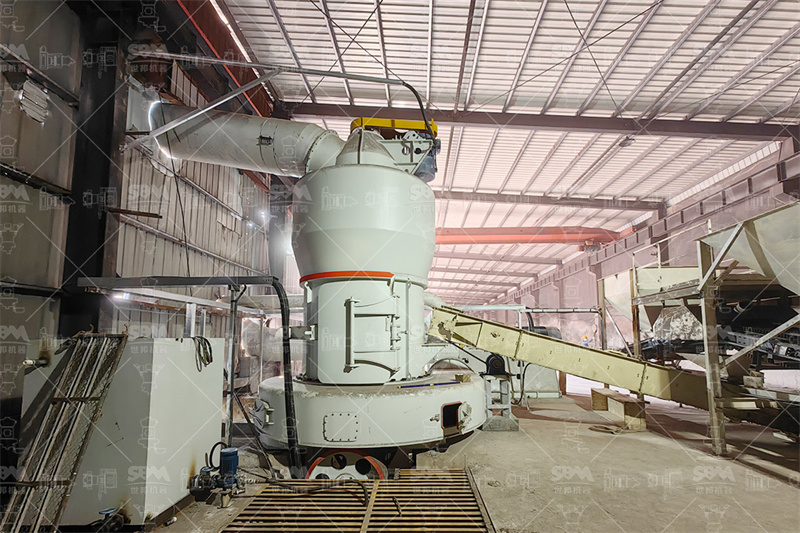
Vertical roller mills have gained widespread adoption in modern cement plants due to their integrated design, which combines crushing, grinding, and classification in a single unit. VRMs consume 30–40% less energy than ball mill systems and occupy significantly less floor space. The LM Series Vertical Roller Mill, for example, can process up to 250 t/h and is available in specialized configurations for cement clinker, slag, and coal. Its non-contact roller-table design extends wear part life and reduces maintenance downtime.
European Trapezium Mills
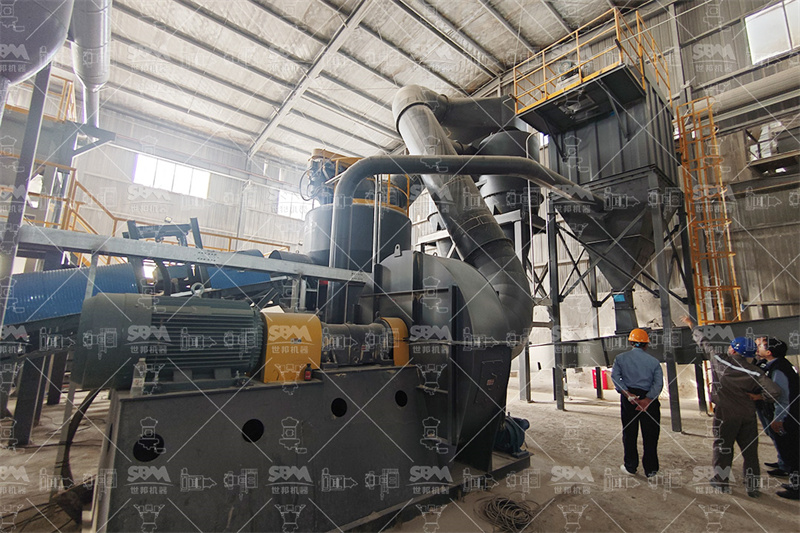
For medium-scale cement grinding operations, European trapezium mills offer an excellent balance of efficiency, product quality, and investment cost. The MTW Series European Trapezium Mill features an integral bevel gear drive with transmission efficiency up to 98%, wear-resistant volute structures, and optimized arc air ducts that reduce airflow energy loss. With capacities ranging from 3 to 45 t/h and fineness adjustable from 30 to 325 mesh, these mills are ideal for producing high-quality cement at moderate scales.
Ultrafine Mills
When specialty cements or very high fineness products are required, ultrafine grinding mills become necessary. The SCM Series Ultrafine Mill achieves fineness levels of 325–2500 mesh with a capacity of 0.5–25 t/h. Its high-precision vertical turbine classifier ensures uniform finished products with no coarse powder mixing, while the intelligent control system provides automatic granularity feedback for consistent quality.
Recommended Products for Clinker Processing
LM Series Vertical Roller Mill: The Ideal Choice for Large-Scale Cement Grinding
For cement plants seeking maximum efficiency and throughput, the LM Series Vertical Roller Mill stands out as a premier solution. Its integrated design combines crushing, grinding, and selection, reducing floor space by up to 50% compared to traditional systems. The mill can be installed outdoors, cutting infrastructure costs by 40%. With a capacity range of 3–250 t/h and fineness adjustable from 30 to 325 mesh, the LM Series is versatile enough to handle everything from raw meal preparation to finish cement grinding.
The LM Series also excels in environmental performance. Its fully sealed negative-pressure operation ensures dust emissions are minimized, while operating noise is kept well within regulatory limits. The patented modular grinding roller assembly allows for quick wear-part changes, significantly reducing maintenance downtime. For cement plants processing large volumes of clinker, the LM340Y pre-grinding model offers circulation capacities up to 1000 t/h, making it an indispensable tool for high-capacity clinker processing.

MTW Series European Trapezium Mill: Precision and Efficiency for Medium-Scale Operations
For plants with moderate production requirements, the MTW Series European Trapezium Mill delivers exceptional value. Its anti-wear shovel design and curved grinding roller blades extend service life while reducing maintenance costs. The optimized arc air duct minimizes energy loss, and the wear-resistant volute structure improves air selection efficiency by 30%. With models ranging from MTW110 (3–9 t/h) to MTW215G (15–45 t/h), this mill series offers flexible capacity options to match specific plant needs.
The MTW Series also features an integral bevel gear drive system that achieves 98% transmission efficiency, saving space and reducing installation costs. Combined with its internationally advanced pulse dust removal technology, the MTW Series is a reliable and eco-friendly choice for cement producers looking to optimize their clinker grinding circuits.
Conclusion
Choosing the right grinding mill for clinker processing in a cement plant requires careful consideration of production capacity, fineness requirements, energy efficiency, environmental compliance, and material characteristics. While ball mills remain a proven option for high-capacity operations, vertical roller mills and European trapezium mills offer superior energy efficiency and product quality for most modern applications.
Our company’s LM Series Vertical Roller Mill and MTW Series European Trapezium Mill represent the cutting edge of grinding technology, offering cement producers reliable, efficient, and environmentally compliant solutions for clinker processing. By selecting the appropriate mill for your specific operational requirements, you can achieve significant reductions in energy consumption and maintenance costs while consistently delivering high-quality cement to your customers.